 (Source: evcentral.com.au)Key PointsNissan showcases solar-powered Ariya conceptIntegrated panels add meaningful daily driving range without plugging inTesting shows strong results in sunny cities and mixed climatesSolar reduces charging frequency rather than replacing traditional charging
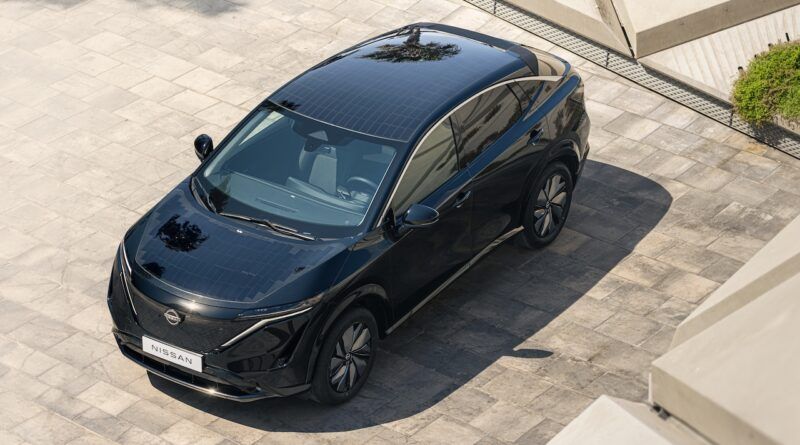
As heatwave conditions roll across much of Australia, Nissan has chosen a fitting moment to show how electric vehicles might one day take advantage of all that sunshine. The Japanese carmaker has revealed a solar-assisted version of its Ariya electric SUV, hinting at a future where EVs quietly add range just by being parked outdoors.
Unveiled to coincide with Clean Energy Day, the concept takes the familiar Ariya and integrates high-efficiency solar panels directly into the bodywork. The idea is simple, but the implications are anything but.
Turning sunlight into daily driving range
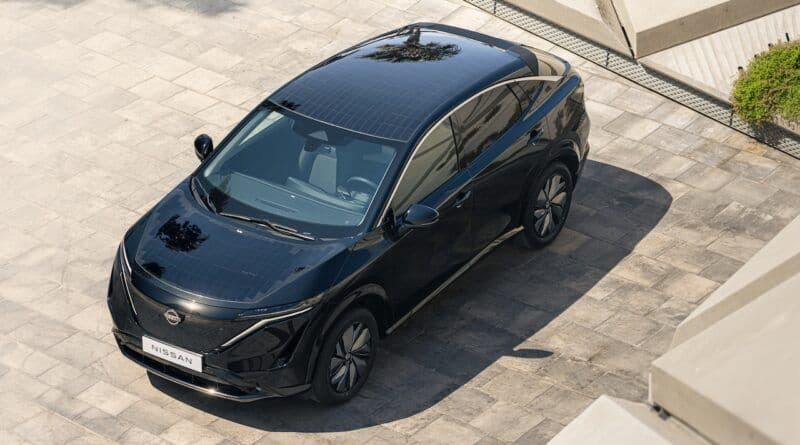
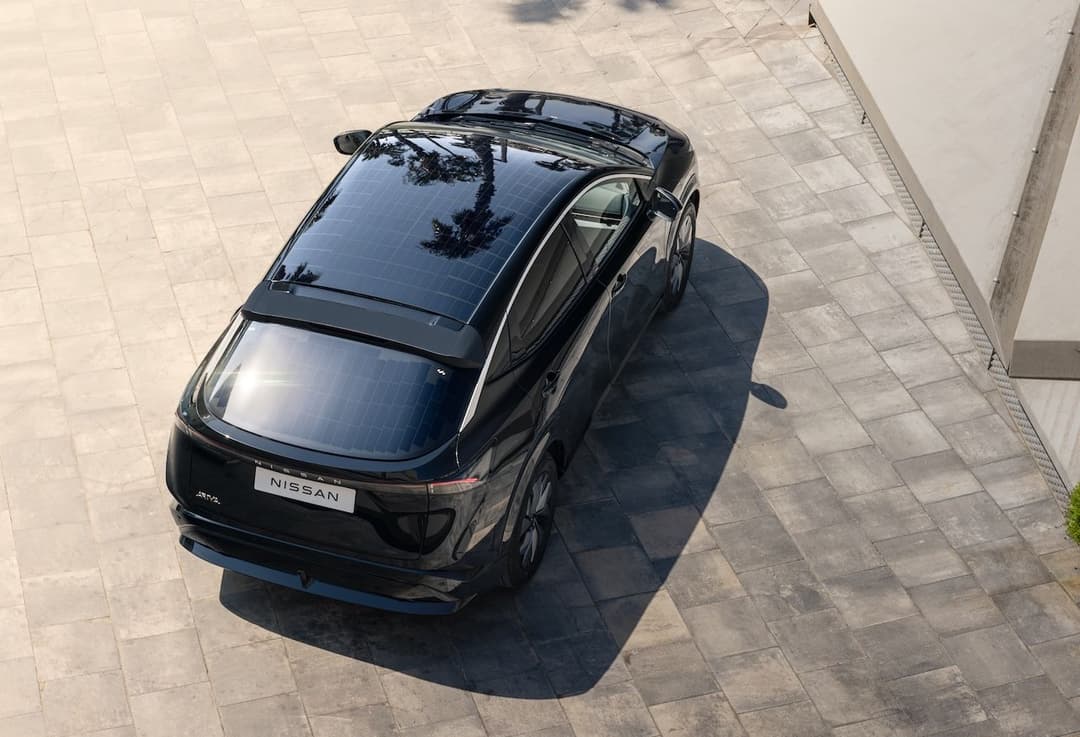
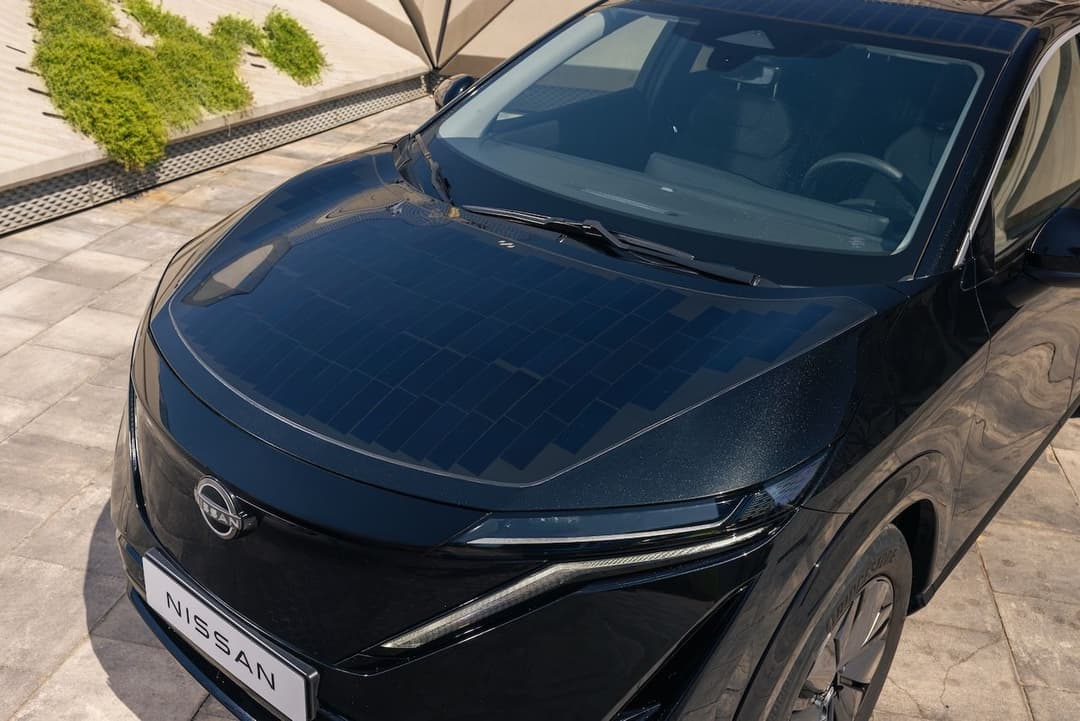
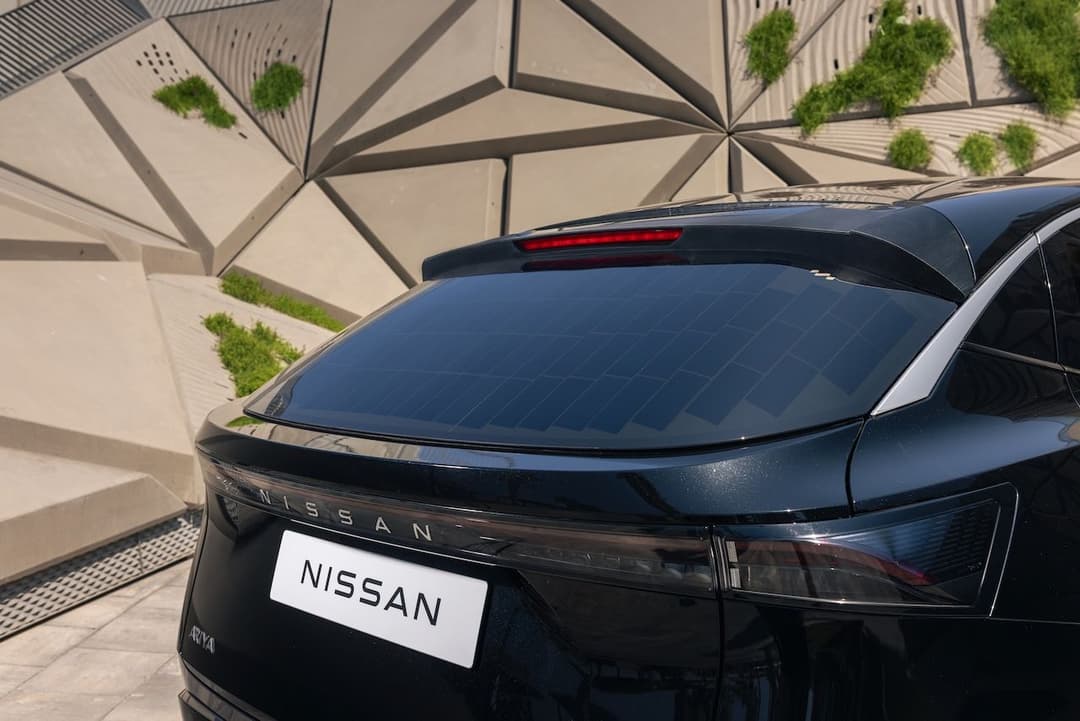
Rather than a token solar roof, Nissan has gone further by embedding photovoltaic panels across the bonnet, roof and tailgate, covering a total surface area of 3.8 square metres. These panels generate DC electricity that feeds straight into the vehicle via a dedicated controller, allowing the system to work whether the car is stationary or on the move.
▶️MORE: Nissan ARIYA Undercuts Toyota BZ4X & Subaru Solterra with 504km Range
 (Source: evcentral.com.au)
Nissan’s testing suggests the setup can deliver up to 23 kilometres of additional driving range on a strong sunny day. Real-world trials in different cities paint a realistic picture of what drivers might expect:
In highly solar-rich locations such as Dubai and Barcelona, the system averaged between 17 and 21 kilometres per day. Even in far less forgiving conditions like London, the Ariya still managed just over 10 kilometres daily.
For Australia, where sunlight is rarely in short supply, those numbers start to look genuinely useful rather than gimmicky.
▶️Best Electric Car Deals in Australia
What solar assistance could mean for Australian drivers
Nissan’s engineers took the idea a step further by modelling how solar input could change everyday charging habits. For a driver covering around 6,000 kilometres a year, the solar-equipped Ariya could reduce annual plug-in charging sessions from 23 to just eight, assuming the vehicle regularly sits in the sun.
That translates to a potential reduction in charging frequency of between 35 and 65 per cent, depending on location, usage patterns and parking habits. For short-distance commuters, the extra 15 to 20 kilometres of daily range could cover most weekday driving without ever needing to plug in.
Importantly, Nissan is not pitching this as a replacement for charging infrastructure. Instead, it reframes solar as a quiet background contributor that chips away at energy use over time, reducing reliance on the grid and lowering ownership friction.
▶️MORE: Do Home Solar Batteries Make Financial Sense in 2025?
 (Source: evcentral.com.au)Lessons from the past, and why this matters now
The project was developed with Dutch solar mobility specialist Lightyear, a company well known for pushing the limits of solar-assisted EVs. Lightyear famously launched the ultra-efficient Lightyear 0 before collapsing into bankruptcy in early 2023, later re-emerging as Lightyear Technologies with a renewed focus on supplying solar systems rather than building entire cars.
That history underlines why Nissan is careful with its messaging. Solar cars have long captured imaginations, but real-world limitations have kept them out of mainstream showrooms. Output varies wildly based on weather, latitude, parking conditions and even how clean the panels remain. For most drivers, solar works best as a supplement, not a primary energy source.
This is where the Ariya concept finds its relevance. It demonstrates that incremental gains can still be meaningful, especially in sun-soaked markets like Australia, where even modest daily energy capture can add up over months and years.
 (Source: evcentral.com.au)Carbon Neutrality By 2050
Nissan says the concept aligns with its broader goal of achieving carbon neutrality across the full lifecycle of its products by 2050, while also exploring ways to reduce dependence on charging networks in regions where infrastructure is still catching up.
As Nissan executive Shunsuke Shigemoto puts it, the solar-powered Ariya is less about chasing a self-charging fantasy and more about opening the door to practical, customer-focused innovation that blends sustainability with everyday convenience.
Whether this technology ever reaches production remains an open question. But as Australia swelters through another summer, the idea of cars quietly soaking up sunshine starts to feel less like science fiction and more like a sensible next step.