Plus, a Waymo struck a child in Santa Monica and the Mercedes-Benz S-Class will soon be a robotaxi.
Affordable, high-tech Chinese electric vehicles are already a familiar sight just south of the U.S. border in Mexico. And soon, they’re likely to be just as common to the north, after Canada recently lowered its tariffs on Chinese EV imports.
Experts say the U.S. won’t be able to keep Chinese automakers at bay forever.
Welcome back to Critical Materials, your daily round up of news and events shaping the world of electric cars and technology. Also on the menu today: A Waymo hit a child in California, and Mercedes-Benz is planning to deploy S-Class robotaxis. Let’s begin.
25%: Cheap Chinese EVs Are Hitting Canada. Is The U.S. Next?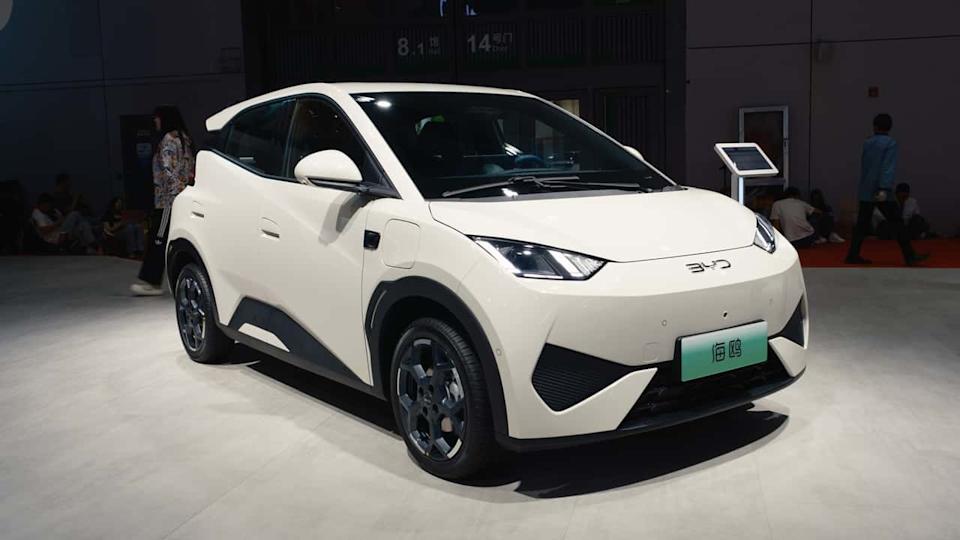
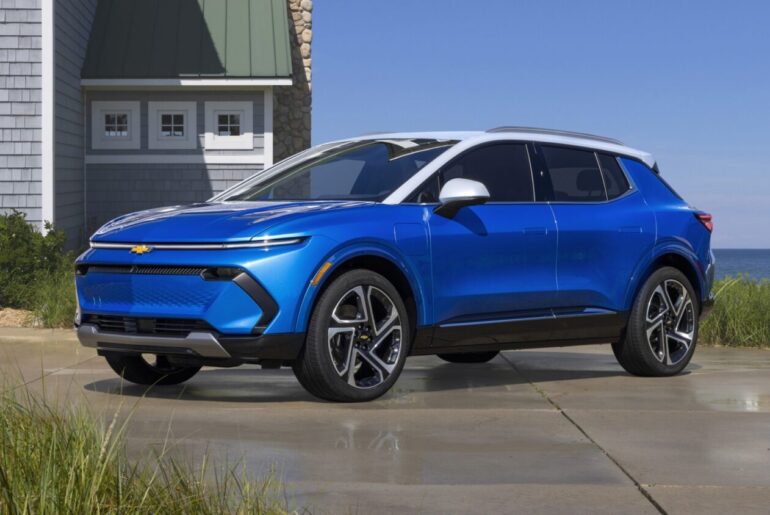
BYD Seagull
Chinese automakers, which now build some of the most advanced electric vehicles in the world, remain effectively shut out of the U.S. market with steep tariffs.
But right across America’s borders, that wall is already cracking. In Mexico, Chinese EVs are already popular. And Canada opened the door to Chinese EV imports this month by slashing tariffs on a limited quota of cars from 100% to just 6%. That move means Chinese EVs will soon be available just six hours north of New York City, where I’m currently living.
With the U.S. sandwiched between two countries open to Chinese EVs, experts believe it’s only a matter of time before they arrive here as well. The bigger question isn’t whether they come, but how.
Here’s what Automotive News reported Thursday:
“Personally, I don’t think it’s a matter of if — it’s a matter of when and how,” said Shea Burns, an automotive partner at AlixPartners. China’s entry would likely come through electric vehicles, where it has an edge in cost and technology, Burns said, possibly through a joint venture with legacy automakers.
BYD, Geely and SAIC are already expanding aggressively overseas, particularly in Europe, Latin America and Southeast Asia. Yet the U.S. remains the world’s second-largest auto market and one of the most profitable ones.
If they’re eventually allowed to sell here, that opportunity could be huge for them, similar to how Japanese, Korean and German automakers changed the U.S. auto landscape in the second half of the previous century.
President Trump, too, has signaled openness to Chinese automakers. Here’s what he said at a Detroit Economic Club meeting earlier this month: “If they want to come in and build a plant and hire you and hire your friends and your neighbors, that’s great, I love that.”
Some Chinese automakers are already eager to enter. Geely Group said at this year’s Consumer Electronics Show that it plans to make an announcement about its U.S. ambitions within the next 24 to 36 months.
Still, entering the U.S. market won’t be simple. BYD or Geely won’t be able to ship their $10,000 electric superminis and call it a day. Any serious entry would require local manufacturing, a domestic supply chain, compliance with far stricter U.S. regulations and the ability to compete on a far more level playing field.
American automakers, however, have no reason to let their guard down. They’ll need to respond with more competitive EVs of their own in the meantime to protect their market share—or risk ceding ground to high-tech Chinese EVs that are already taking over the world.
50%: Waymo Robotaxi Strikes A Child In California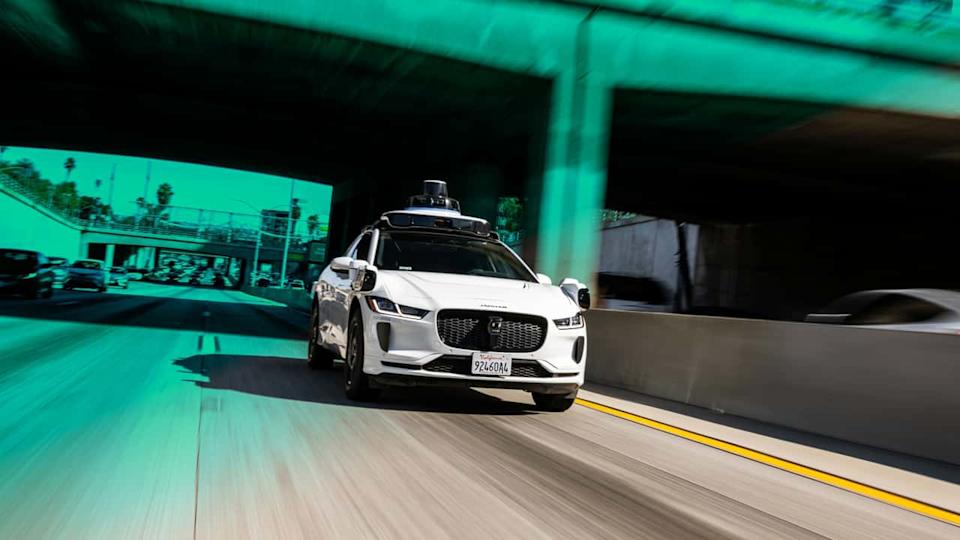
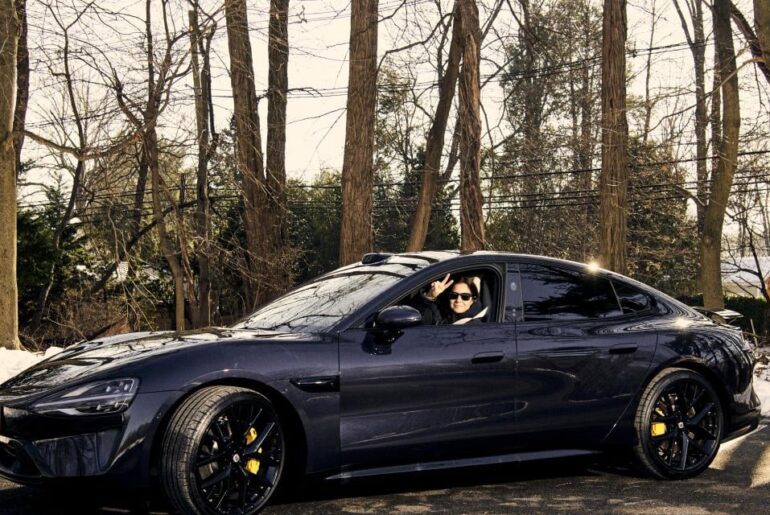
Waymo Driver Highway Hero
A Waymo robotaxi struck a child in Santa Monica last week, the National Highway Traffic Safety Administration (NHTSA) said Thursday. The incident happened within two blocks of an elementary school during regular school drop-off hours, according to the agency.
“There were other children, a crossing guard, and several double-parked vehicles in the vicinity,” the NHTSA said. “The child ran across the street from behind a double-parked SUV towards the school and was struck by the Waymo AV.”
Waymo said that its robotaxi braked hard the moment the child emerged from behind the parked SUV, reducing its speed from 17 miles per hour to 6 mph before coming to a halt. The company argued that its peer-reviewed model predicted that a fully attentive human driver would have hit the pedestrian at 14 mph.
Incidents involving autonomous vehicles are bound to happen more as the technology scales up. Last year, a Waymo was involved in the death of a cat named Kitkat, sparking protests in the San Francisco community where the accident occurred. And don’t forget, GM shut down its Cruise robotaxi division after one of its vehicles struck and dragged a pedestrian.
Regardless of who was at fault here, such cases are extremely high-stakes for robotaxi companies, and there’s little tolerance for errors. Waymo said it was fully cooperating with the NHTSA, which is now investigating the incident.
75%: The Mercedes S-Class Will Soon Be A Robotaxi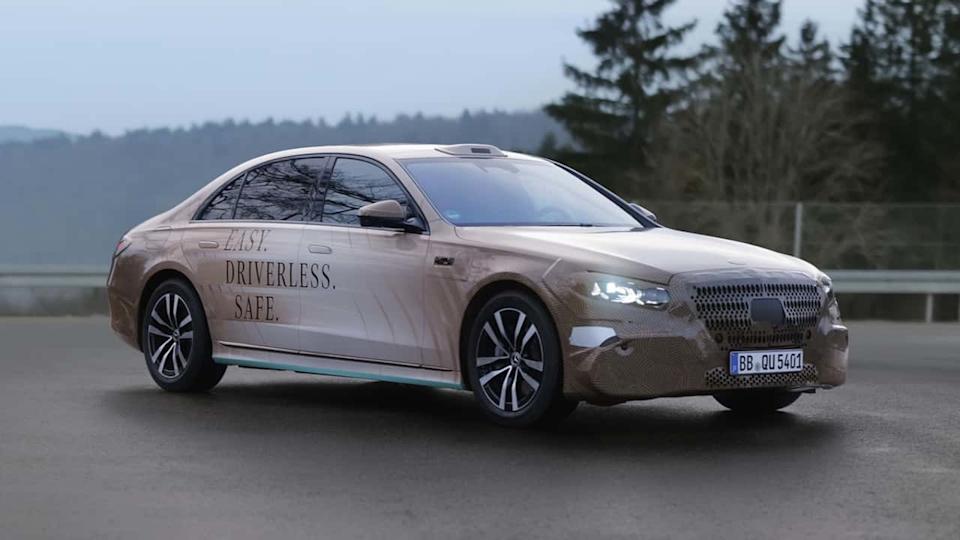
Mercedes-Benz S-Class Robotaxi
The robotaxi industry continues to press ahead with a growing number of partnerships. Mercedes-Benz said Thursday that it plans to deploy driverless S-Class sedans across several regions, including the Americas.
The German automaker is teaming up with several partners to make that happen. One project will see luxury sedans powered by Nvidia hardware and autonomous driving software on the Uber app. It’s also working with the Chinese AV technology company Momenta and mobility provider Lumo in another tie-up.
What’s noteworthy is that Uber is at the center of a disproportionate amount of partnerships in the autonomous vehicle space. It’s preparing to launch 20,000 Lucid Gravity robotaxis driven by Nuro software. Waymo vehicles are exclusively available on the Uber app in some markets.
And just this week, Uber struck a deal to deploy robotaxis with Waabi, which previously focused on AV software for trucks. The robotaxi wars are officially in full swing. And the ride-hailing giant is positioning itself to win no matter what.
100%: Should AVs Be EVs?
Nearly all robotaxis are electric today. Mercedes wants to buck that trend with the S Class. Do you think EVs will continue to dominate AVs?
Contact the author: suvrat.kothari@insideevs.com