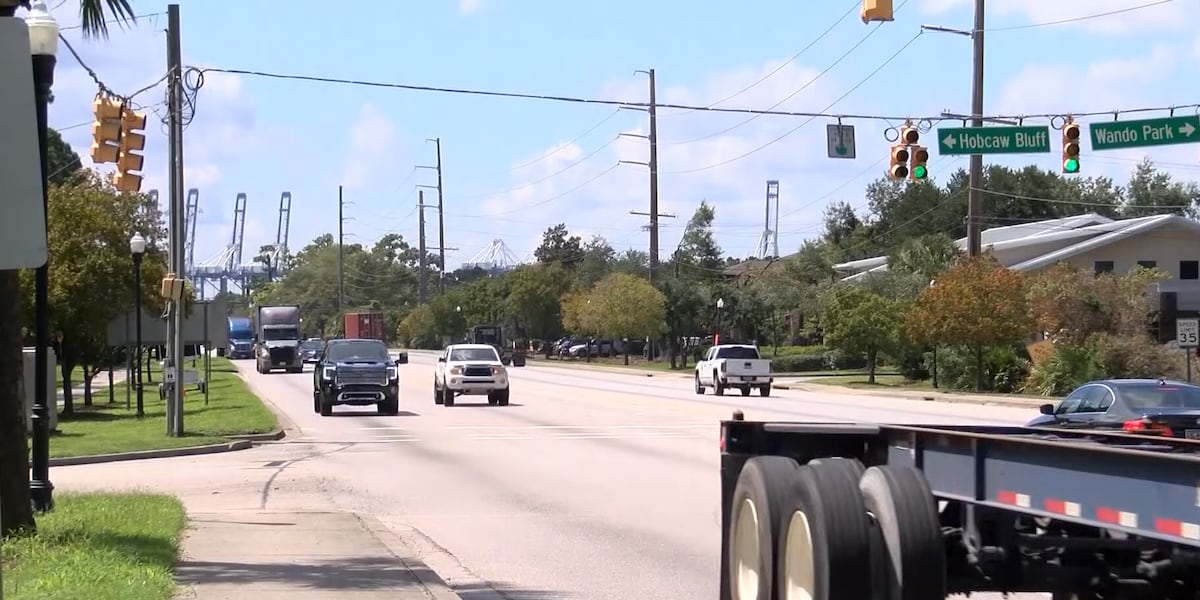
COLUMBIA, S.C. (WIS) – A sweeping House proposal would overhaul how South Carolina finances and manages its road system, raising fees on electric vehicle owners, creating “choice lanes,” and restructuring the state Department of Transportation.
The bill was introduced just days after senators unveiled a similar road‑focused plan, signaling that both chambers — along with the governor — are making infrastructure a top priority this legislative session.
House leaders say their plan stems from a roughly 9‑month listening tour in which a committee traveled across the state gathering public input on road needs and frustrations.
Rep. Shannon Erickson who chairs the House Education and Public Works Committee said the bill is designed to modernize highway funding and ensure electric and hybrid vehicle owners contribute at a level comparable to drivers who pay the state’s fuel tax.
A major structural shift in the proposal would eliminate the SCDOT Commission. Under the bill, the agency’s secretary would become a cabinet‑level position appointed directly by the governor — a move supporters say would streamline decision‑making.
“We’ve spoken to those folks, and the key piece was making sure we do more with less, faster,” Erickson said. “That’s the key of this proposal.”
The House bill mirrors much of the Senate version but includes one significant difference: counties would be required to assume responsibility for non‑essential state roads. The Senate plan made that shift optional for local governments.
Rep. David Hiott, a Pickens Republican and House majority leader, said lawmakers are trying to respond to long‑standing complaints about road conditions. “This is a good start,” he said. “We’re excited — this is another chapter in fixing what some of the problems are in South Carolina.”
How much EV fees would increase — and how other funding mechanisms might be set up — has not yet been decided. The House Ways and Means Committee will craft those details in the coming weeks.
Erickson said the goal is to create “oversight and accountability and expedition of the process,” adding that the bill would bring “true planning amongst all of the stakeholders” for the first time.
Another key difference between the House and Senate plans is that the House bill does not include impact fees on developers of new neighborhoods. Lawmakers note that, as with any bill, the language could change as it moves through the legislative process.
Feel more informed, prepared, and connected with WIS. For more free content like this, subscribe to our email newsletter, and download our apps. Have feedback that can help us improve? Click here.
Copyright 2026 WIS. All rights reserved.