Tesla pulls Model S and Model X to make room for OptimusProduction will cease later this yearTesla moves “into a future that is based on autonomy”
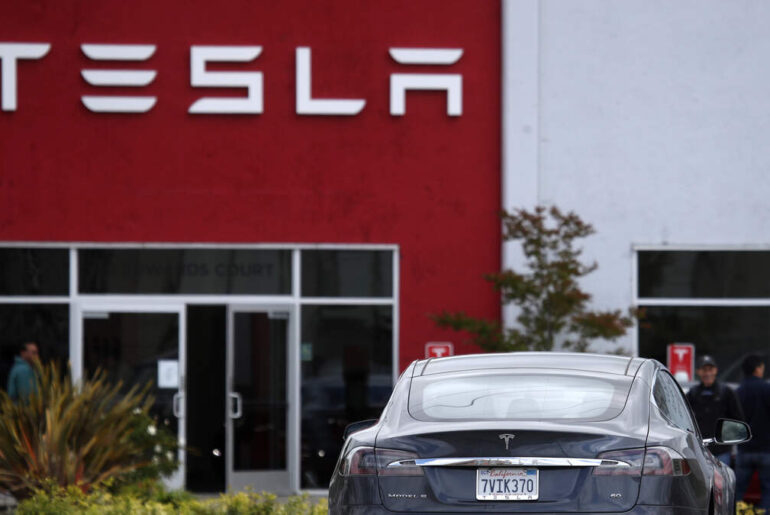
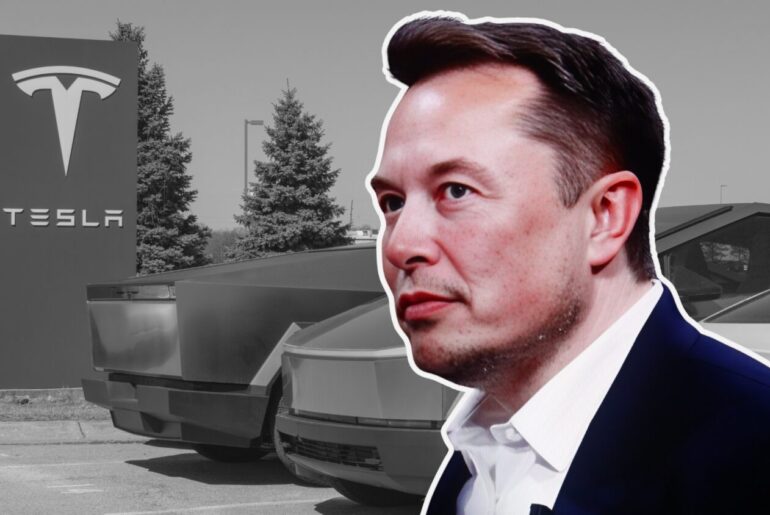
Elon Musk used Tesla’s quarterly earnings call to announce that the company will stop producing the Model S sedan and Model X SUV later this year, stating that the move would free up space at its Fremont, California factory to produce the Optimus humanoid robot.
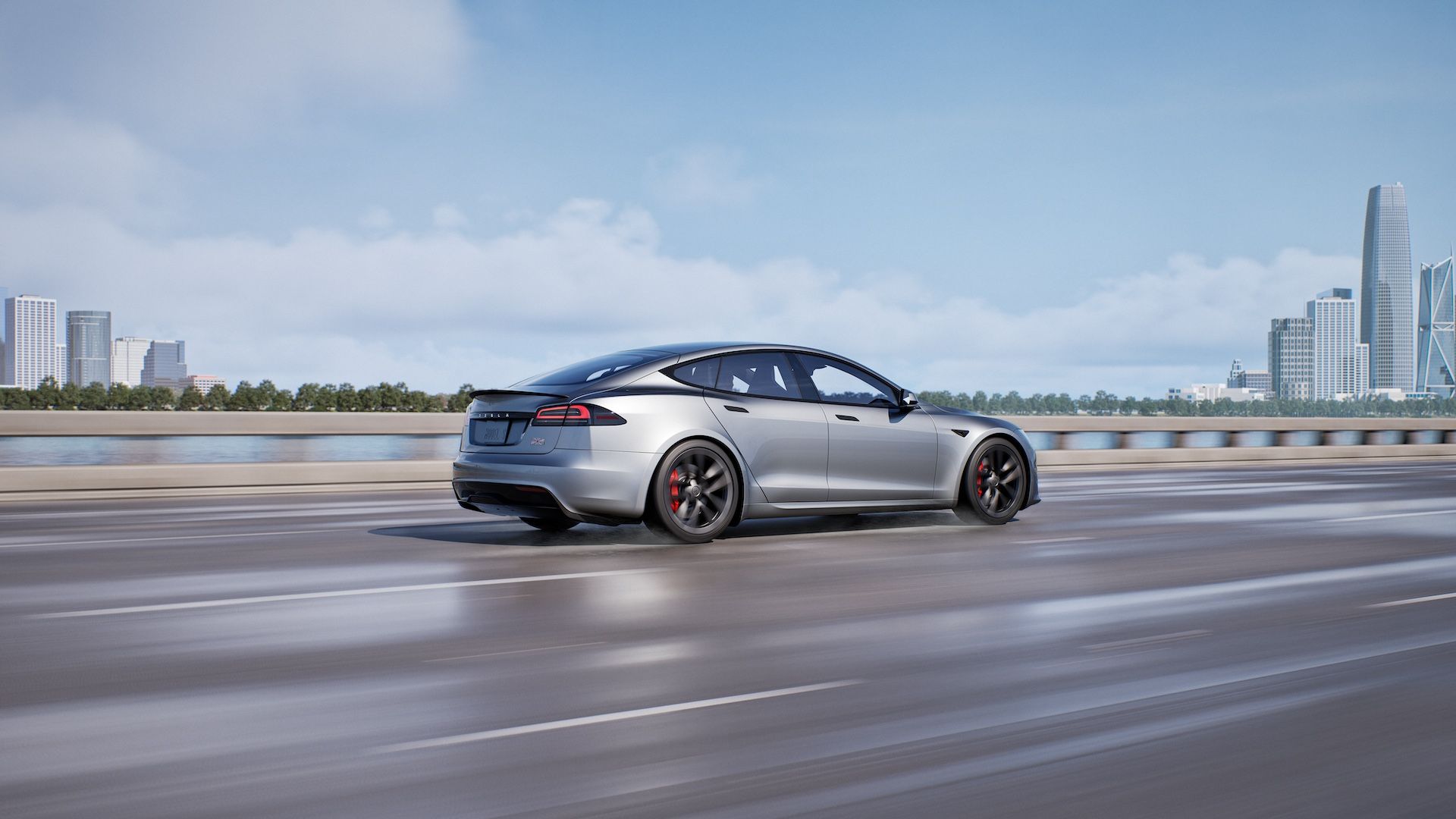
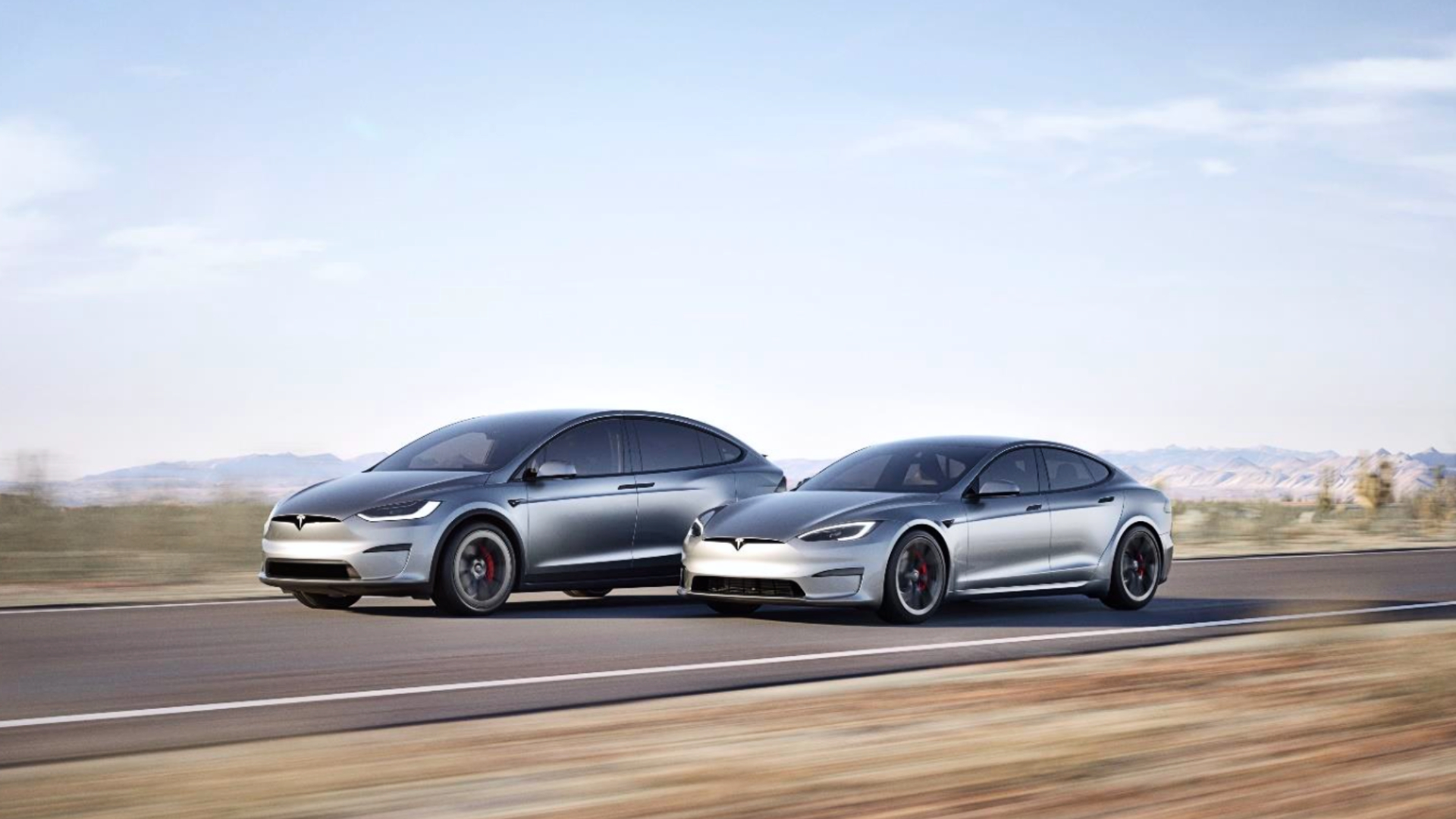
Launched in 2012, the Model S arguably established Tesla as the pioneering electric vehicle company it is today, proving that it was possible to blend cutting-edge technology and impressive performance with sleek styling and a useable all-electric range.
The enormous Model X then followed in 2015, breaking the SUV mould with Falcon-Wing doors and masses of space inside. Again, it was accompanied by class-leading battery technology and access to a seamless charging network.
You may like
“It’s time to basically bring the Model S and X programs to an end with an honorable discharge, because we’re really moving into a future that is based on autonomy,” Musk said during the earnings call.
The ‘autonomy’ Tesla’s CEO speaks of is in reference to the Optimus Humanoid robot, which is planned to be produced on the line the Model S and Model X currently occupy.
Humanoids aside, sales of Tesla’s expensive Model S and Model X have slowed over recent years, with the company lumping them into an “Other Models” category when reporting figures. This category also includes the Cybertruck and Tesla Semi truck.
As a result, it has been difficult to get an accurate view of overall sales, but Electrek has been following the decline of Tesla’s once-pioneering vehicles for years, suggesting Model S and X deliveries had dropped over 30% year-over-year since 2023.
By late 2024, sales were estimated below 50,000 units globally, although the website believes this could be as low as 30,000 units in 2025.
Tesla also failed to refresh the Model S and Model X to the extent that it did with the best-selling Model 3 and Model Y recently, adding some new paint options and slightly improved range to the pair last year, but bumping up the price by $5,000.
This pushed the cost of the Model S to $84,990 (around £62,000 / AU$120,000) and the Model X to $89,990 (about £65,000 / AU$128,000) in the US. With a plethora of premium rivals from the likes of Rivian and Lucid, as well as legacy automakers and emerging Chinese brands, Tesla customers have been shopping elsewhere.
You may like
Is Tesla no longer an EV company?
(Image credit: Tesla)
With most of Tesla’s messaging now surrounding autonomous driving, advances in AI and humanoid robots, have we reached a point where Elon Musk has finally lost interest in the EV market altogether?
It certainly looks that way, as its most recent roll of the dice, the divisive Cybertruck, is bombing… hard.
According to a recent report by Business Insider, Tesla sold just 20,237 Cybertrucks in the US last year, which is nearly half the number Tesla sold in 2024 and a long way off the 250,000 a year Musk predicted when the electric pick-up rolled off production lines in 2023 – despite Musk claiming it was “the best vehicle Tesla has ever made” at the time.
Way back in 2019, Musk referred to the Model S and Model X as “niche” vehicles, claiming that they were of “minor importance to our future” at the time, despite them selling tens of thousands each quarter.
By that logic, the Cybertruck is likely to face a similar fate to Model S and Model X in the not-so distant future, leaving Tesla with just two cars to sell: the Model 3 and Model Y.
Aside from start-ups and niche manufacturers, such as Lucid and Rivian, it is difficult to find another global player with a model line-up lacking such depth.
However, investors continue to support Musk’s pivot into advanced humanoid robots and his determination to bring fully autonomous driving to the masses.
This is despite the fact that Tesla’s overall EV sales, its core business, were down 9% globally in 2025, compared to the previous year, while sales in Europe plunged by about 28%, according to CBS News.
A lot now rides on the shoulders of Optimus, which Musk says will go on sale to the public in 2027. But if it’s anything like Tesla’s Roadster, we could be waiting much longer for it to arrive.
Follow TechRadar on Google News and add us as a preferred source to get our expert news, reviews, and opinion in your feeds. Make sure to click the Follow button!
And of course, you can also follow TechRadar on YouTube and TikTok for news, reviews, unboxings in video form, and get regular updates from us on WhatsApp too.