Tesla’s results underscore slowing vehicle demand as the company increases investment in robotaxis, robotics, and artificial intelligence.
On the Dash:
Tesla reported its first annual revenue decline despite beating fourth-quarter earnings expectations.
Vehicle deliveries fell sharply as competition increased and demand softened across global markets.
Tesla is accelerating investment in robotaxis, robotics, and AI while scaling back legacy vehicle lines.
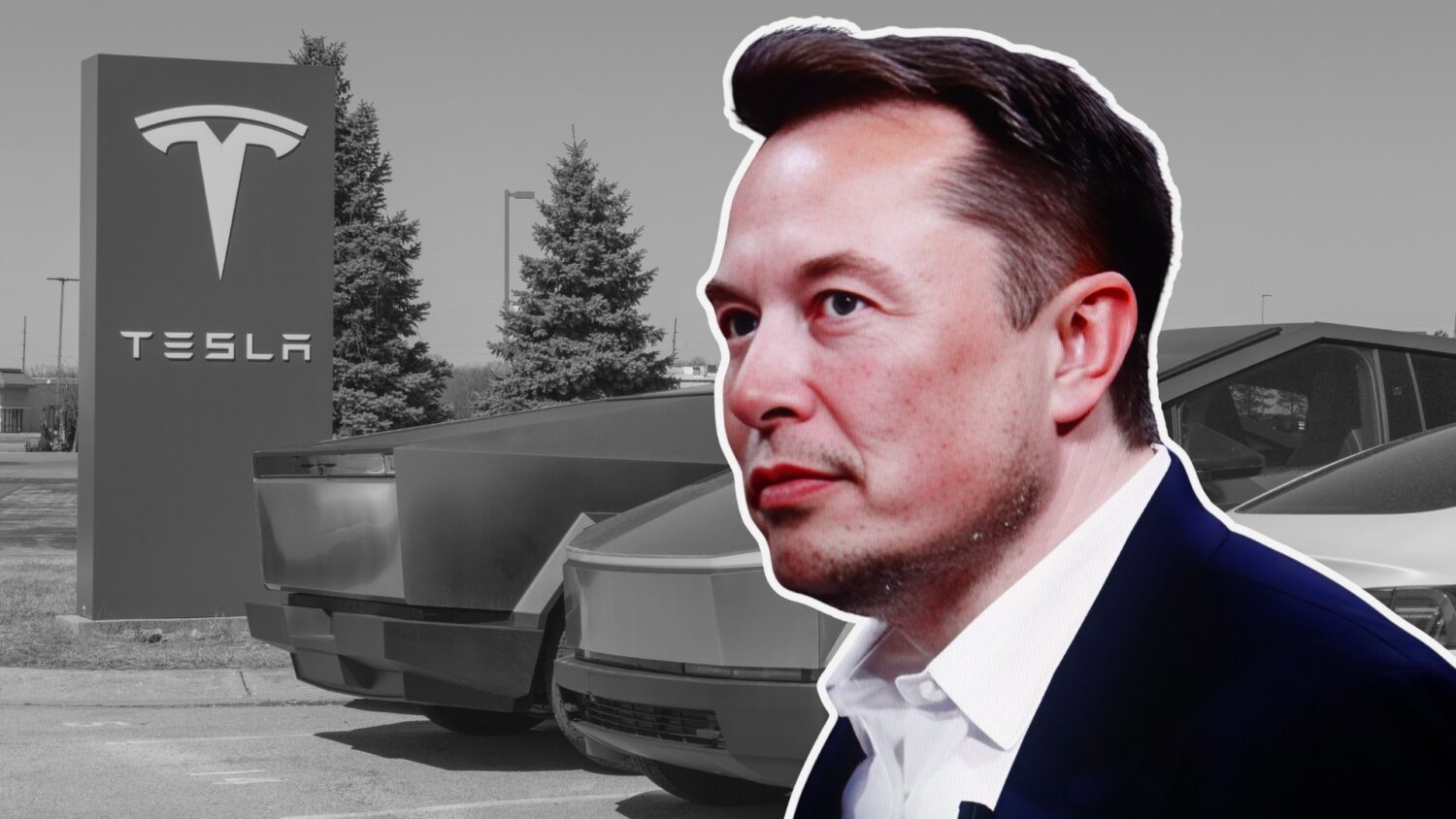
Tesla reported stronger-than-expected fourth-quarter earnings on Wednesday, even as it closed 2025 with the first annual revenue decline in its history. The results highlight a company in transition as its core electric vehicle business slows and investment shifts toward autonomy, robotics, and artificial intelligence.
For the fourth quarter, the EV maker reported adjusted earnings of 50 cents per share on revenue of $24.9 billion, topping Wall Street estimates. Despite the beat, quarterly revenue fell 3% year over year, while automotive revenue dropped 11% to $17.7 billion. Net income plunged 61% to $840 million as operating expenses surged, driven largely by AI and research investments.
For the full year, Tesla reported revenue of $94.8 billion, down from $97.7 billion in 2024. The company attributed the decline to lower vehicle deliveries and reduced regulatory credit revenue. Earlier this month, the company reported a 16% drop in fourth-quarter deliveries and an 8.6% decline for the year, reflecting intensifying competition and waning demand across key markets.
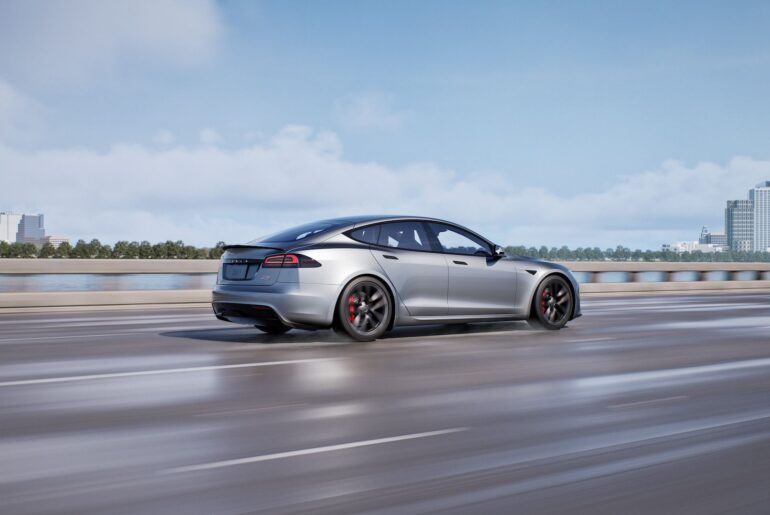
Tesla said it will discontinue production of its Model S and Model X vehicles and repurpose the Fremont, California, factory lines to support production of Optimus humanoid robots. The company is positioning autonomy and robotics as its next growth engines, while warning investors to expect elevated capital spending. It expects capital expenditures to exceed $20 billion this year, more than double its 2025 level.
The company reiterated that production of its Cybercab robotaxi remains on track to begin this year. Tesla has already launched a limited robotaxi pilot in Austin, Texas, and plans to expand service to seven additional U.S. cities in the first half of the year. The automaker has also begun tooling for Cybercab production and plans to add the vehicle to its robotaxi fleet and offer it to consumers.
Tesla also disclosed a $2 billion investment in Elon Musk’s AI startup, xAI, as part of a broader effort to integrate advanced AI into its vehicles and physical products. The company said the partnership is intended to accelerate development of autonomous systems and robotics.
While the company’s automotive business continues to face pressure, its energy generation and storage segment delivered a bright spot. Revenue in that unit rose 25% to a record $3.84 billion, supported by strong demand for grid-scale battery systems.
Tesla ended the year with shares up roughly 11%, as investors continued to focus on long-term autonomy and AI ambitions despite near-term vehicle sales challenges.