Car manufacturers are under fire for misleading buyers about the cost-saving benefits of plug-in hybrid vehicles (PHEVs), with a think tank describing the situation as “a scandal with echoes of dieselgate.”
The Energy and Climate Intelligence Unit (ECIU), which researches electric vehicles, says PHEV owners are “likely spending almost twice as much on fuel as manufacturers suggest.”
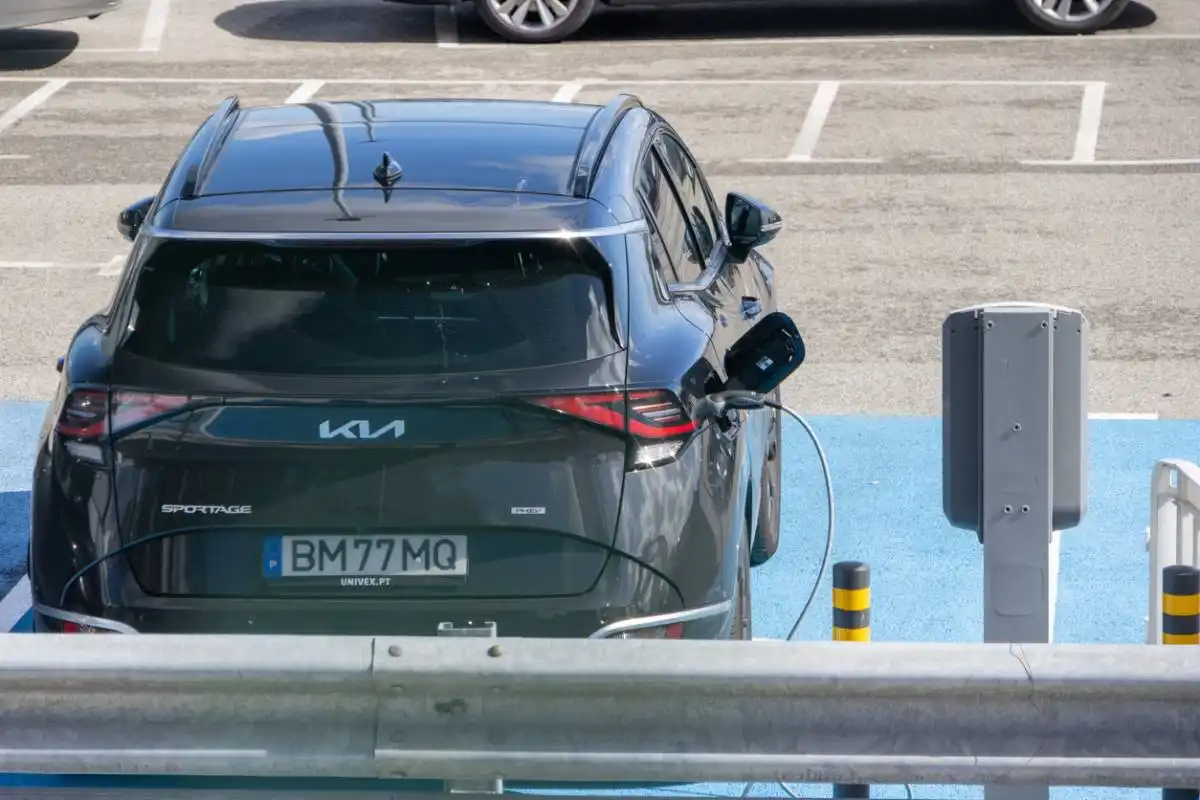
PHEVs combine a petrol engine with an electric motor powered by a battery. While buyers are told annual fuel and electricity costs for popular PHEVs in the UK will be about £530, the reality is closer to £985 a year. The gap exists because petrol is more expensive per mile than electricity, and most owners do not charge their vehicles often enough to benefit fully from electric driving.
Despite this, PHEV sales are booming. Over 225,000 were registered in the UK last year, a 35% increase from the previous year and the fastest growth of any fuel type, even outpacing fully electric vehicles (EVs).
PHEVs have long been positioned as a “stepping stone” from petrol or diesel cars to fully electric models. But Colin Walker, transport analyst at the ECIU, says the motor industry is promoting PHEVs in a way that “keeps the nation’s driving bills high.” He likened the situation to the 2015 diesel emissions scandal, which cost Volkswagen almost £28 billion in fines and compensation.
The Society of Motor Manufacturers and Traders (SMMT) rejected the claims, stating that manufacturers “do not make claims about fuel efficiency” and that all vehicles are tested according to repeatable, government-verified standards.
The ECIU highlights that buyers of top-selling PHEVs may be spending £450 more annually than expected. Brussels-based think tank Transport & Environment (T&E) found PHEVs consume 490% more fuel than official figures suggest, largely because owners rarely charge them, relying instead on petrol engines.
When accounting for total costs, including purchase price, fuel, insurance, tax, and servicing, PHEVs cost £81 more per year than conventional petrol cars and nearly £1,000 more than EVs. However, this calculation does not account for the rapid depreciation of EVs, which can lose value faster than PHEVs due to oversupply in the second-hand market.
Official fuel efficiency and range figures for PHEVs and EVs are measured under the same European WLTP test cycle. In real-world conditions, these figures are often lower: EV ranges can drop by up to 40% in winter and nearly 50% in extreme heat.
The ECIU criticises the UK Government for allowing hybrids to count toward electric vehicle sales quotas under the Zero Emission Vehicle (ZEV) mandate, arguing it gives manufacturers too much influence over the market. Walker warns that expanding the hybrid market could leave the second-hand sector flooded with cars that are more expensive to run than EVs, making it harder for families to switch to fully electric driving.
Despite concerns, PHEV sales continue to rise. Last year, 225,143 PHEVs were registered, a 34.7% increase, faster than the 23.9% growth seen for EVs. New Chinese brands, like BYD, have contributed significantly. The BYD Seal U DM-i, starting at £33,340, was the UK’s most popular PHEV, with one in eight PHEV and EV registrations in December alone coming from this brand.
From 2028, EV and PHEV owners in the UK will face a pay-per-mile tax. Fully electric car owners will pay 3p per mile, while PHEV drivers will pay 1.5p per mile. Critics argue this will double costs for hybrid drivers, who already pay high petrol duties and annual Vehicle Excise Duty. Walker says EVs will remain cheaper to own, even with the new tax, but PHEV drivers could face higher bills, reducing national productivity.
The ECIU’s dieselgate comparison comes amid the largest group litigation in English history, where more than a dozen manufacturers, including Mercedes-Benz, Ford, Nissan, Renault, Peugeot, and Citroën, are accused of fitting defeat devices on diesel vehicles from 2009 onwards. The case involves 1.6 million UK car owners and is estimated to be worth at least £6 billion.
By Jodie Chay Oneill | January 26, 2026