This blog is managed by the content creator and not GhanaWeb, its affiliates, or employees. Advertising on this blog requires a minimum of GH₵50 a week. Contact the blog owner with any queries.
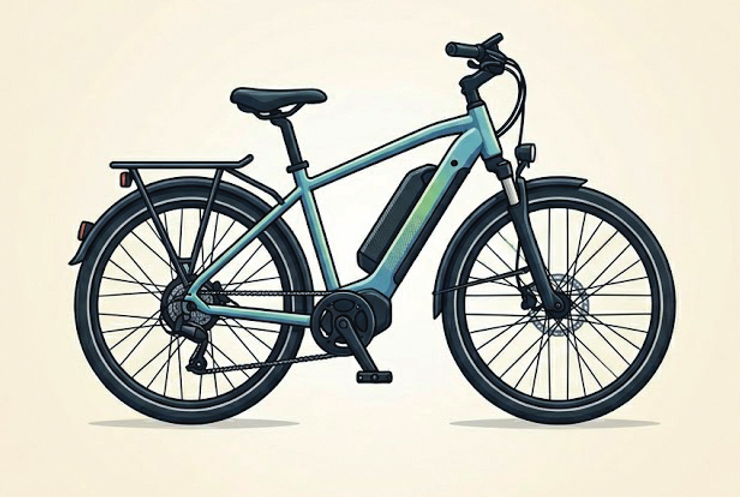
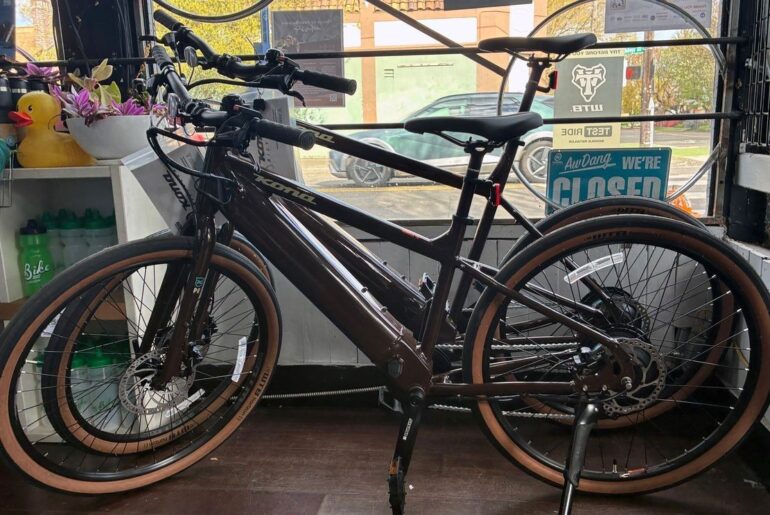
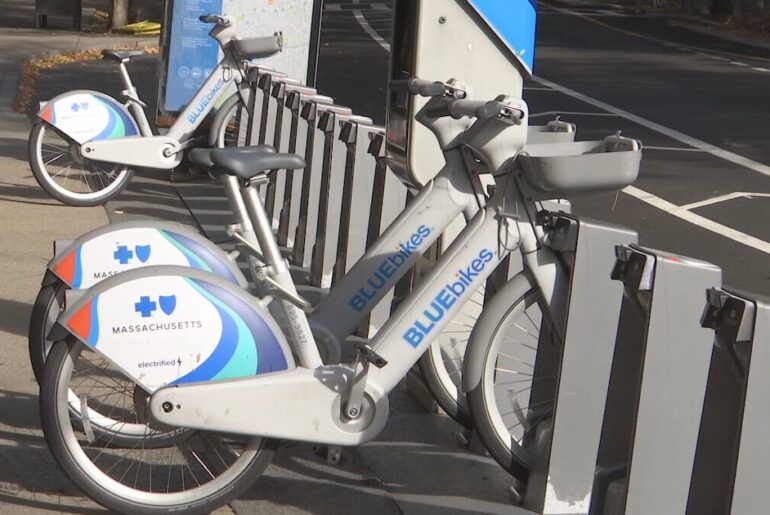
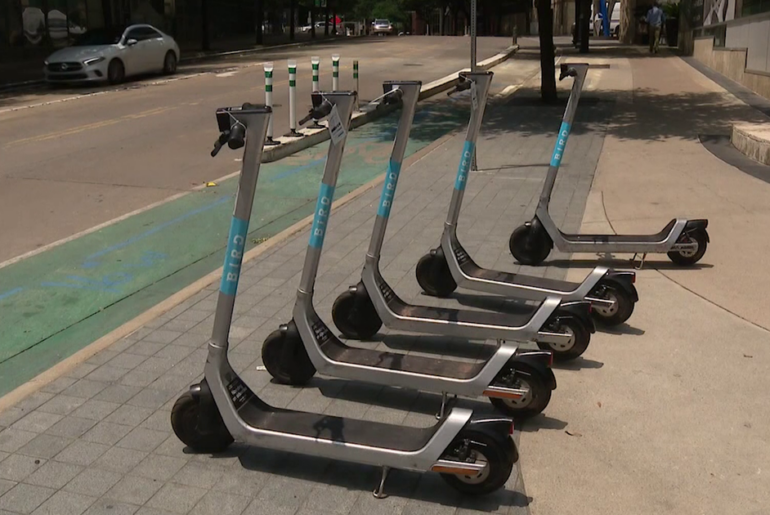
Stakeholders in sustainable transport and climate-friendly innovation are urging Ghana’s tertiary institutions to adopt clean mobility solutions following a proposal to introduce electric (E) bikes at the University of Cape Coast (UCC) to ease student transportation on campus.
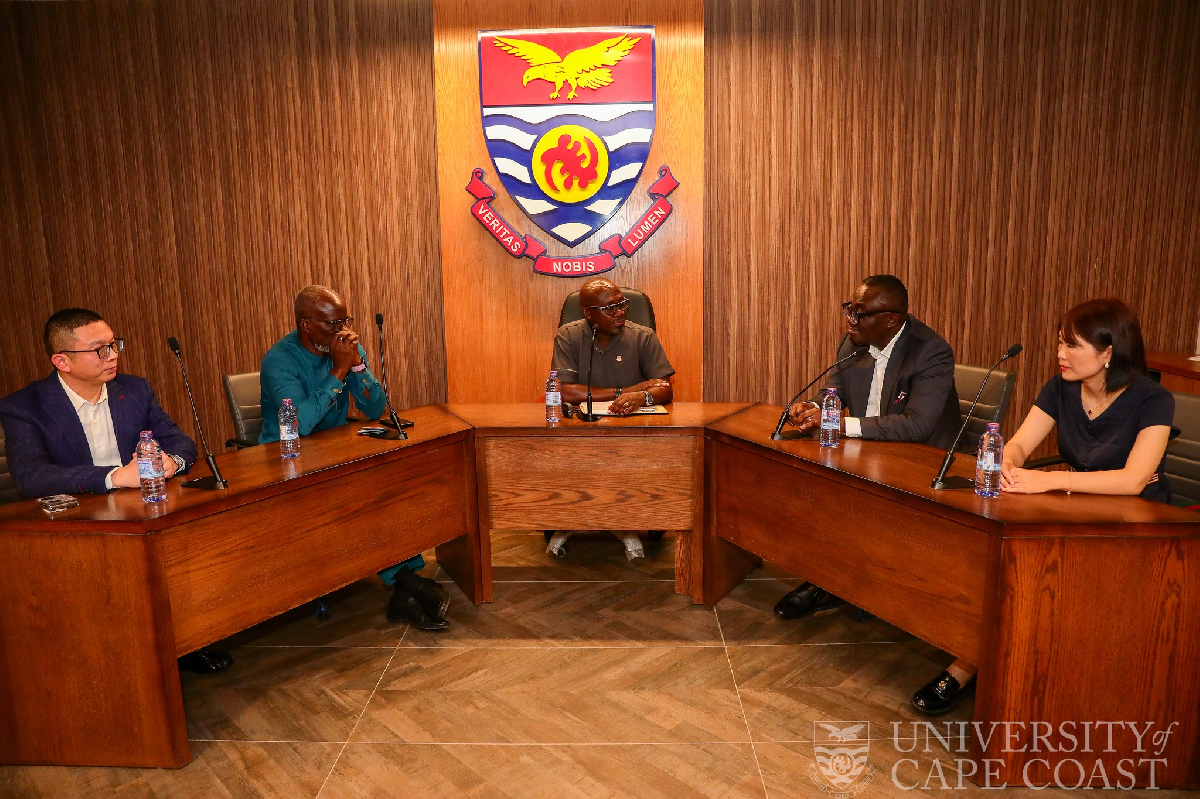
The call was reinforced during an engagement between The Majesty 7/12 Company Limited and the management of UCC, where plans were presented to deploy electric bikes as an environmentally responsible alternative to fuel-powered motorcycles commonly used on campuses.
According to the founder of the company, Dr. Jerry Darwin, the proposed e-bikes are designed to perform efficiently over long distances, comparable to conventional motorcycles, but with little to no carbon dioxide and greenhouse gas emissions. He noted that this makes the bikes particularly suitable for a university environment where sustainability, safety, and health are key considerations.
“E-bikes offer a cleaner and safer option for campus transportation while contributing to the reduction of carbon emissions that are harmful to both humans and the environment,” Dr. Darwin stated.
He explained that the bikes do not require petrol or diesel and are instead powered by electricity, making them more cost-effective and environmentally sustainable. The bikes can be charged at various locations, provided the power source has a compatible socket, enhancing their convenience for campus use.
Dr. Darwin further indicated that access to the e-bikes would be digitally enabled, with students making payments through mobile money, a move expected to promote transparency, convenience, and ease of use.
Responding to the proposal, the Acting Vice-Chancellor of UCC, Prof. Denis Aheto, welcomed the initiative and encouraged the company to formally submit a detailed proposal for consideration by the university’s management. He emphasized UCC’s interest in entering into a joint venture arrangement that would ensure mutual benefits for both the institution and the private partner.
“Our focus is on partnerships that deliver value to students while aligning with the university’s broader sustainability goals,” Prof. Aheto noted.
The engagement was attended by key stakeholders, including CEO of EIB Network, Mr. Nathan Kwabena Anokye Adisi (Bola Ray), as well as representatives from China, highlighting the growing interest in cross-sector and international collaboration to promote green technologies in Ghana.
Advocates say the introduction of e-bikes on university campuses could serve as a pilot model for green transport adoption nationwide, helping reduce emissions, lower transportation costs for students, and position Ghana’s universities as leaders in climate action and innovation.
As discussions progress, stakeholders are calling for policies and partnerships that support clean energy transport solutions, particularly within educational institutions, to advance Ghana’s environmental sustainability agenda while improving student welfare.