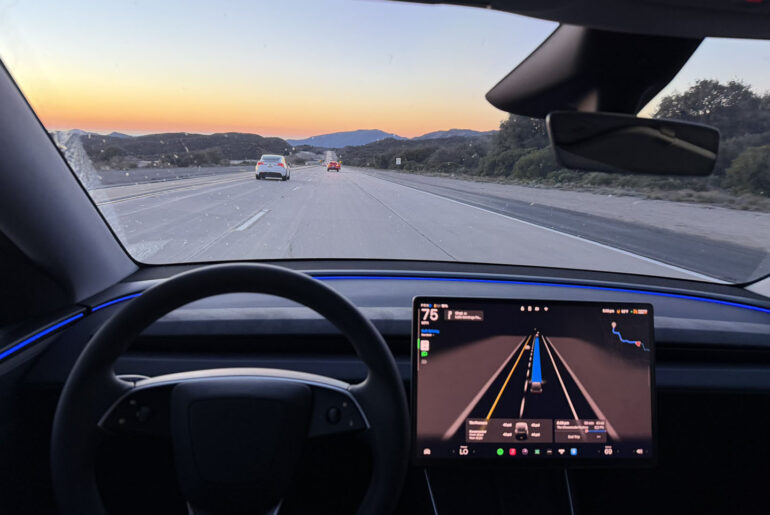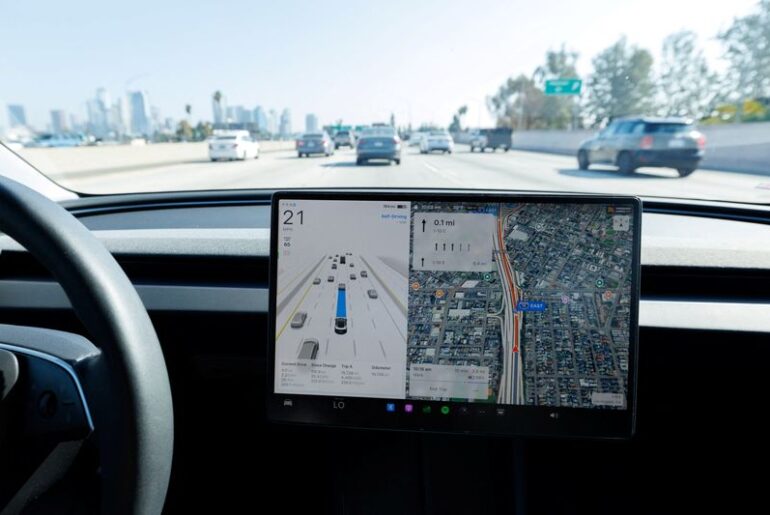
The National Highway Traffic Safety Administration (NHTSA) granted Tesla on Friday an extension on the deadline for key responses to the investigation into the Full Self-Driving (FSD) software until February 23.
The update follows the Elon Musk-led company’s request on Monday for more time to manually review thousands of records to identify potentially relevant incidents with its vehicles.
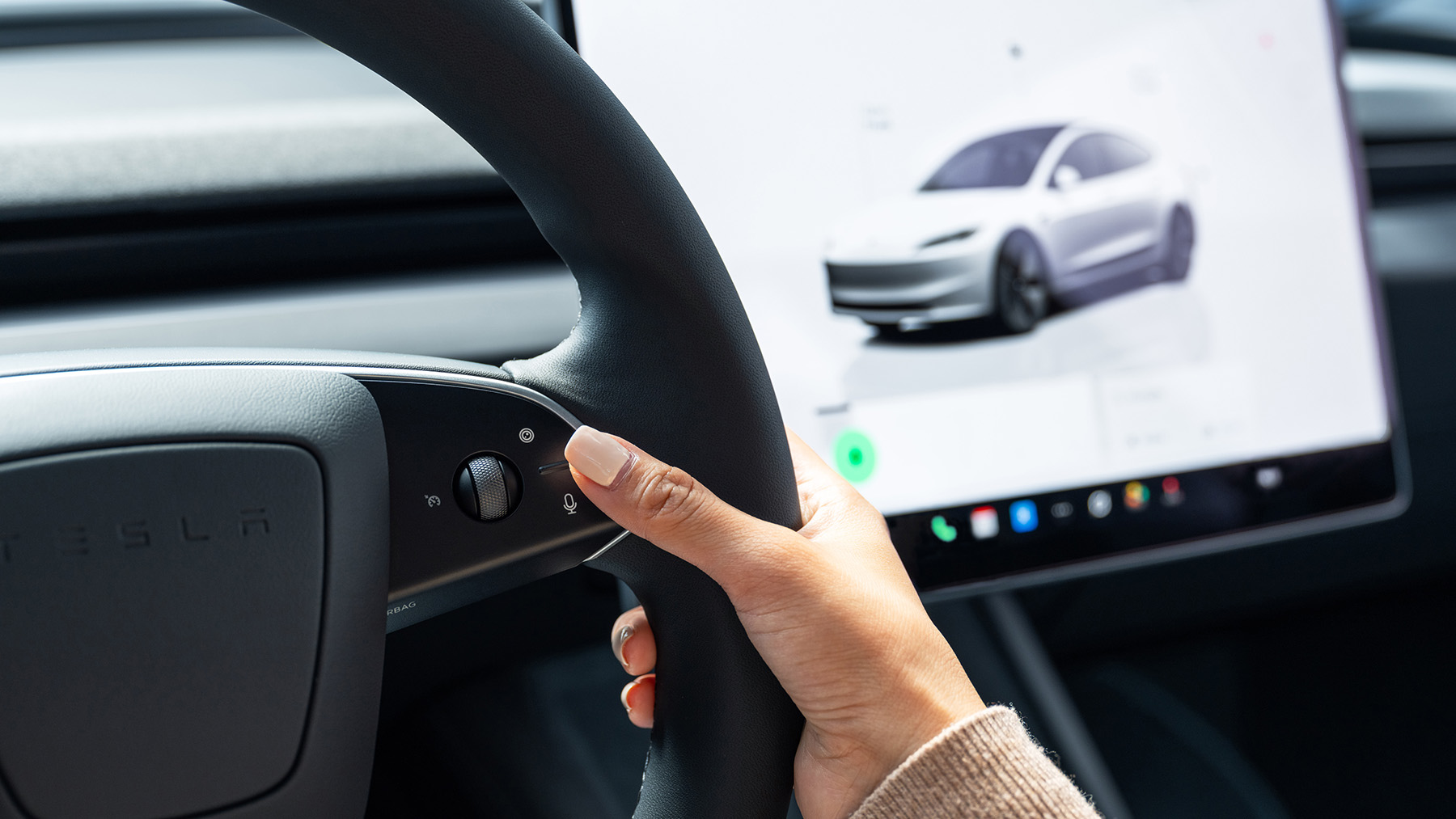
Last October, Tesla launched the V14 of its FSD software, implementing major updates to the system.
In the 14.1.2 series – debuted on October 16 –, two driving modes were introduced: the ‘Sloth’, for lower speeds, and the ‘Mad Max’, for higher ones.
Several Tesla owners shared videos on social media of the ‘Max Max’ driving mode going above speed limits and breaking traffic laws.
A few days after the driving modes became available, the NHTSA opened an investigation regarding the ‘Mad Max’ mode, following multiple complaints.
‘Mad Max’ Probe
NHTSA opened a preliminary evaluation on October 24 and sent Tesla a comprehensive information request last month.
The inquiry intended to seek data on consumer complaints, field reports, crashes, lawsuits, and internal assessments related to alleged violations involving FSD.
The regulator has received a total of 62 complaints and identified additional media and crash reports, which are possibly connected to the issue.
In its Monday request, Tesla stated that it still had to review 8,313 records, adding that it can process approximately 300 per day.
The Texas-based company highlighted the strain of dealing with multiple NHTSA investigations simultaneously, including separate probes into delayed crash reporting and defective door handles.
The EV maker also said the volume of requests could undermine the quality of its responses.
Other Probes
Last August, the NHTSA opened an investigation into Tesla over delays in the reports regarding several incidents with the FSD system.
The software is set to start being offered only on a subscription basis from February 14, Elon Musk said earlier this week. Until then, US Tesla owners will still be able to purchase it for $8,000.
Apart from probing issues with Tesla‘s Advanced Driver Assistance System (ADAS), the regulator also started investigating issues related to door handles more recently.
Last month, a new investigation was opened for multiple Model 3 units, based on concerns that their emergency door release controls were not easily accessible or clearly identifiable.
With the probe covering roughly 179,071 vehicles from 2022, this figure represents 13.8% of all Model 3 and Model Y units produced that year – a total of 1,298,434.
Tesla does not break out the two models separately in its quarterly production reports.
The NHTSA had also begun probing the Model Y on a similar defect last September.
At the time, the regulator had initiated a preliminary review covering 2021-model-year units of this model.