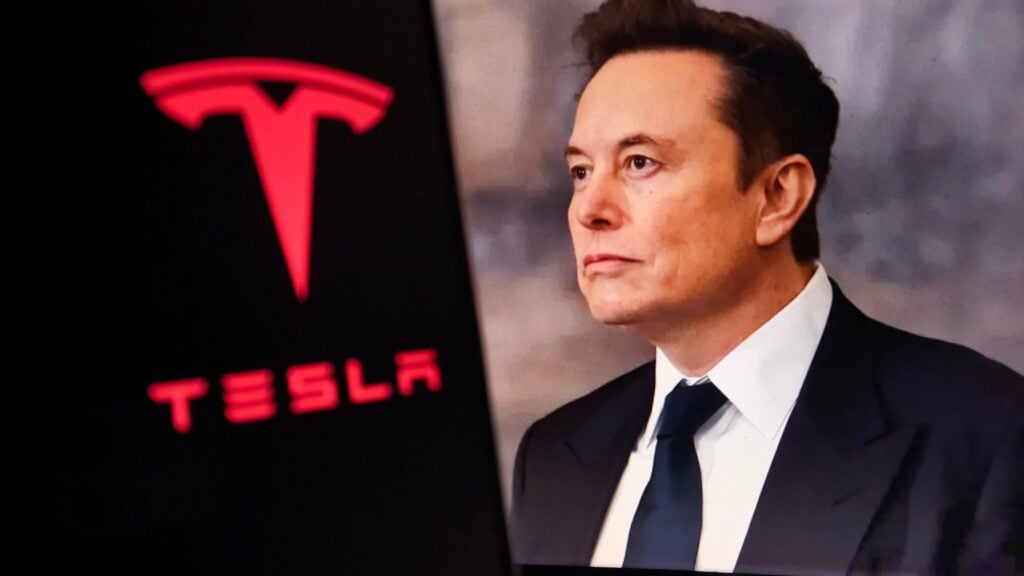
Tesla Inc. (NASDAQ:TSLA) CEO Elon Musk has shared that the company will stop offering the Full Self-Driving (FSD) service as a one-time payment in favor of a monthly subscription.
In a post on the social media platform X late Tuesday, the Tesla CEO shared that the FSD service would not be available with a one-time payment. “Tesla will stop selling FSD after Feb 14,” Musk shared. He added that the service will instead only be available FSD will only be available “as a monthly subscription” post Valentine’s Day.
Tesla will stop selling FSD after Feb 14.
FSD will only be available as a monthly subscription thereafter.
Don’t Miss:
It’s worth noting that Tesla offers the FSD service currently with either a one-time payment of $8,000 in the U.S. or as a monthly subscription with a fee of $99/month. Given the update, the FSD subscription would amount to $1188 annually, which could help boost adoption as the FSD take rate, according to investor Gary Black, is currently at 15%.
The news comes as Tesla rival Rivian Automotive Inc. (NASDAQ:RIVN) had earlier unveiled its autonomous driving technology, which would utilize a LiDAR-based approach and also offer the “Universal Hands Free” assisted driving system, which Rivian says can drive on over 3.5 million miles of road across the U.S. and Canada on “clearly marked” lanes.
It also showcased its Autonomy+ subscription, which would be available for a one-time payment of $2,500 or a monthly subscription fee of $49.99. The automaker is targeting an early 2026 launch for the service.
See Also: Bezos’ Favorite Real Estate Platform Launches A Way To Ride The Ongoing Private Credit Boom
The company’s Model Y Crossover SUV, which recently saw a 7-seater layout introduced, emerged as the best-selling EV in the U.S., as Tesla sold over 350,528 units of the vehicle.
Rep. Brett Guthrie (R-OH), meanwhile, has touted a federal framework for self-driving regulations across the U.S., aimed at promoting innovation and growth of the technology, which would help U.S. companies develop technologies at a quicker pace when compared to their Chinese counterparts.
Read Next: