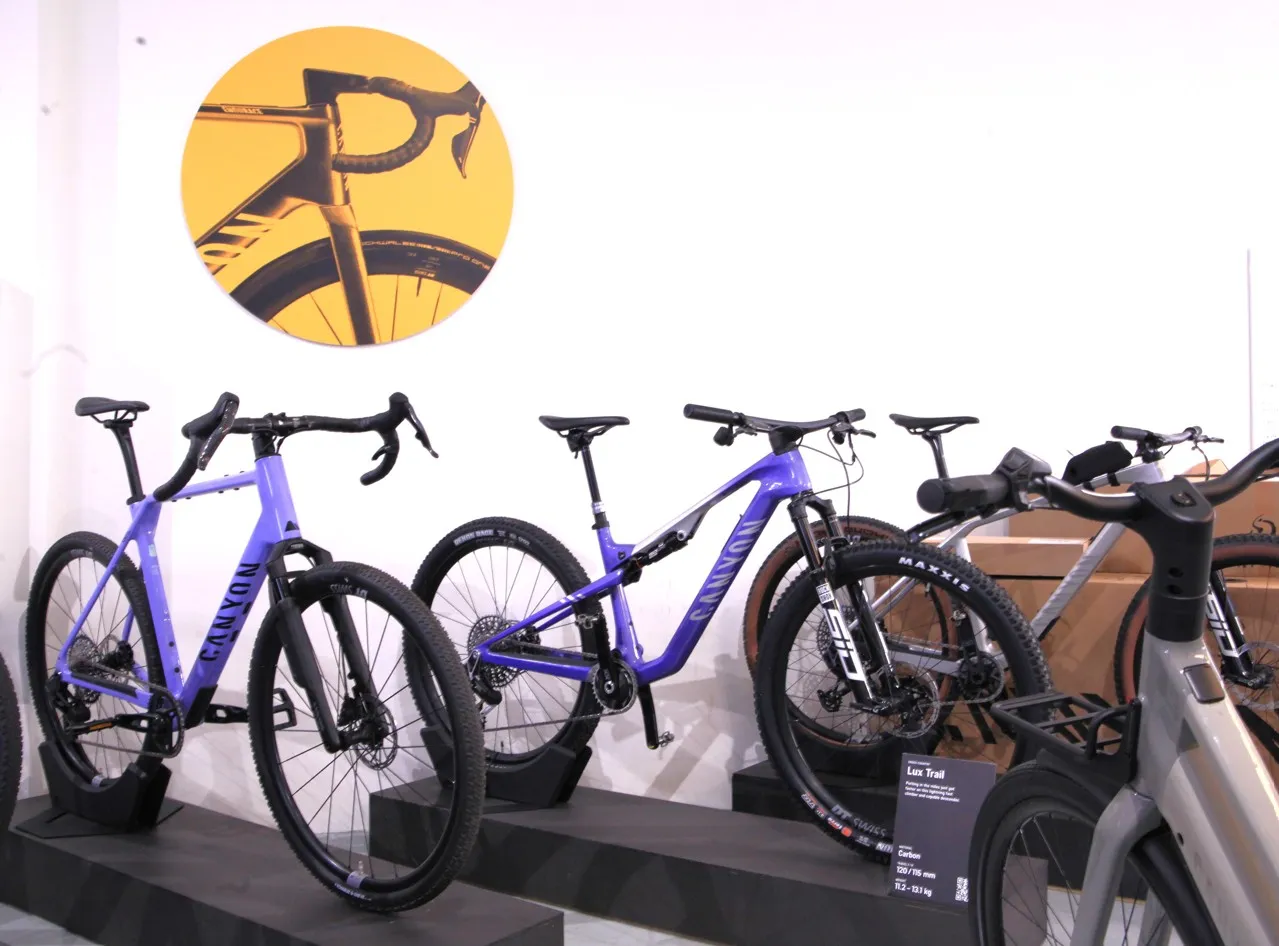
Landing in our inbox this morning was a welcome note from Ribble, one of the UK’s premier bicycle and e-bike labels, outlining a plan to back up its consumer-direct approach to selling with a deep partnership with over 80 trusted workshops.
Though consumer direct sales has been widely heralded by some consumers as an excellent way to save cash, this trend for a retail and workshop backstop has by 2026 become quite pronounced; and for good reason.
Bicycles are technical products, with moving parts and people of various shapes and sizes perched atop. While engineering quality and product standards have risen steadily over many decades, there are few products quite like the bicycle.
Electric bikes, which are ridden in much the same way, though often for longer and replacing many more other trips than a bicycle might, add in a consumer electronics element. One that will similarly be ridden through puddles and down mountains.
The sudden acceleration of numerous electric bike brands during the peak Covid years was, in the first instance, awe-inspiring, with the likes of Rad Power Bikes, VanMoof and many more receiving cash injections to scale at speed.
Yet there was a notable trend in the downfall of these giants, one key ingredient being that the service and backup not matching the trajectory of the lofty sales targets. This can very quickly become a problem for a brand’s reputation and from an electric bike buyer’s perspective, can sour the experience.
From Ribble’s perspective, CEO Sean Hastings had this to say upon today’s announcement: “For years we have supported our riders by making introductions to local bike workshops that our team know and trust. Ribble Service OutPosts makes these relationships official, and with over 80 approved mechanics across the UK, it will be easier for riders to get expert support, fast and local to them.”
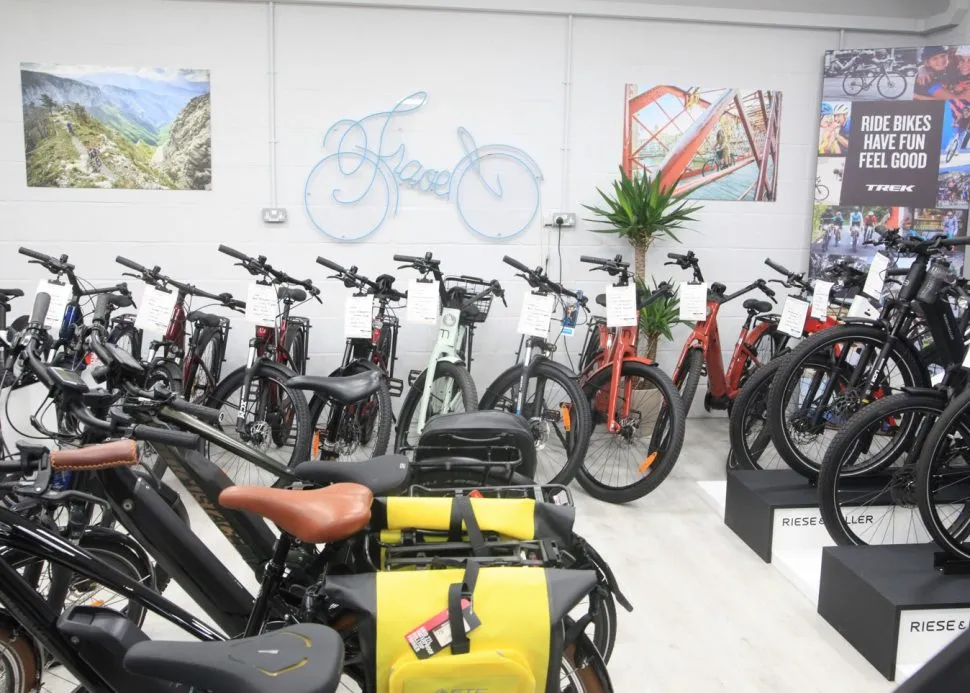
Ribble follows a number of consumer direct mainstays down this path, with notable names like Canyon another to presently be shouting about a European partner network with specialist mechanics and enhanced warranty support on hand.
And so has gone the story in the past few years. Brands that have landed on British shores as delivered in a box products are increasingly of the view that a retail network is the way to sell bikes. They’re right too, specialist retailers outperform generalists on electric bike sales in Britain and by an increasing margin. Technical, hands on experience and expertise has retained its value in an era of AI answers.
A separation in perception is also becoming increasingly important. With the UK an outlier in having removed anti-dumping duties on Chinese electric bikes, there are no shortage of new brands vying for attention. These have brought the average sales price of an electric bike sold in the UK downwards compared to mainland Europe, and so there is some significant variance in the quality of products sold, whether directly from the factory, directly to a local workshop and then among those stocked and sold by bike shops.
Brand image and the consumer perception of a brand can be critically important to the odds someone will buy a product and latterly become an advocate. Without service and backup, it’s extremely hard to create long-term advocates, because ultimately by the very nature of the product, at some stage your electric bike will throw up at best, a technical question, and at worst a complex mechanical issue.
The latter is not something that can be solved easily from overseas, though in app customer service assistance is a very welcome modernisation in many electric bike brand’s software infrastructure. For this very reason, when we review an electric bike, we are also careful to review the consumer journey and score this too as part of the broader review.
This is something which Richard Peace pointed out only this week was a saving grace for a mechanical issue with a bike brand of Evans’ Cycles. Because their stores are ubiquitous, he noted, a problem with a display was resolved in a day, rather than weeks. This led to a positive outcome in our review of the Pinnacle Energy, which without proper backup and service, would have instead been a sour point to flag.
There is too the warm feeling you’ll get, putting money into your local economy, knowing that your business supports local workers. That is something that feels like it’s having a small renaissance as consumers shun huge multinationals in favour of independent outlets that are able to offer a more bespoke service. Besides, studies have shown that when you shop with a local business, roughly 68% of that money stays in your local economy, which can only be a good thing.
It’s been a rough decade or so for local bike shops and many have taken that time to revise what’s important to their customer base at a time when online shopping seemed to be taking over. The two things, however, can exist side by side and even complement one another at times, most notably in workshop backup relationships, but latterly in stockist support too.
With this steady shift back toward the idea that selling bikes in bike shops is a good thing, you’ll have more opportunities to try before you buy, as well as ask any of the nagging questions that a chatbot just doesn’t address.
This is why I think now more than ever there’s immense value in visiting your local bike shop as part of your electric bike buying journey.