Plug-in vehicles had a good 2025. Sales of battery-electric and plug-in hybrid cars grew almost everywhere around the world, reaching 20.7 million units sold, according to a Wednesday report from Benchmark Mineral Intelligence. That’s around 20% more than in 2024, and it shows that even during a year of ups and downs, the general trend was still toward more electric and electrified sales.
That applies everywhere except North America, according to the research firm. There, plug-in vehicle sales fell 4% compared to 2024, although pure electric vehicles rose 1%. This is a direct result of the United States eliminating the $7,500 federal tax credit that helped boost plug-in sales for years. The U.S. EV sales slowdown was partly balanced out by Mexico, which saw 29% more plug-in sales in 2025 (most of which were imported from China).
The end of the U.S. federal tax credit had an immediate effect on electric and electrified vehicle sales: they spiked just before it ended and then fell sharply. Q4 2025 sales fell 49% relative to Q3, representing a significant decline from one quarter to the next.
The loss of its EV incentive also contributed to a 41% decline in Canada’s plug-in sales in 2025. Its federal rebate program exhausted its funds in early 2025 and was not renewed, although the government has indicated it plans to reinstate it.
Benchmark projects that U.S. plug-in sales will decline by 29% in 2026, due to “limited consumer incentives, a lack of supportive legislation, and [manufacturers] scaling back investment in electrification in favour of internal combustion engine production.” Not only did purchase incentives go away, but so did regulations pushing car companies to sell cleaner cars.
Some states (especially the electrification leader, California) have announced ambitions to step up and offer their own EV buying incentives to keep the EV sales momentum going.
The “rest of the world”, which in the study includes South America, Southeast Asia and Central Asia, had the highest year-over-year increase in plug-in sales, reaching 1.7 million units in 2025. That’s a 48% spike over 2024’s figures.

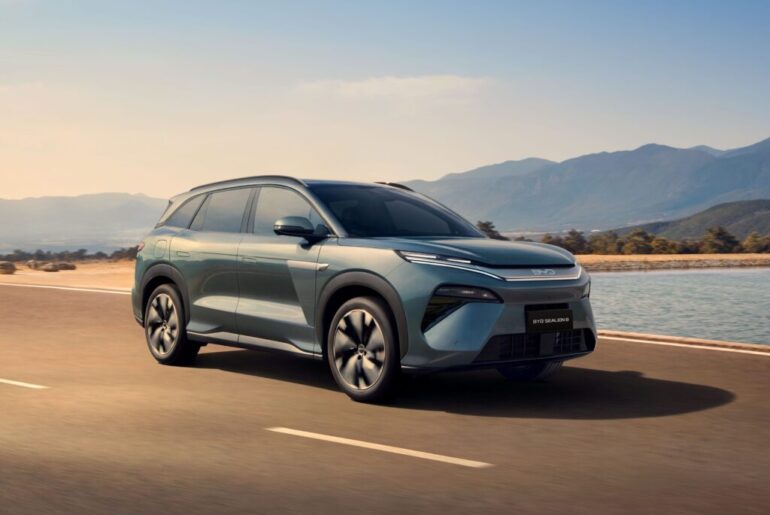
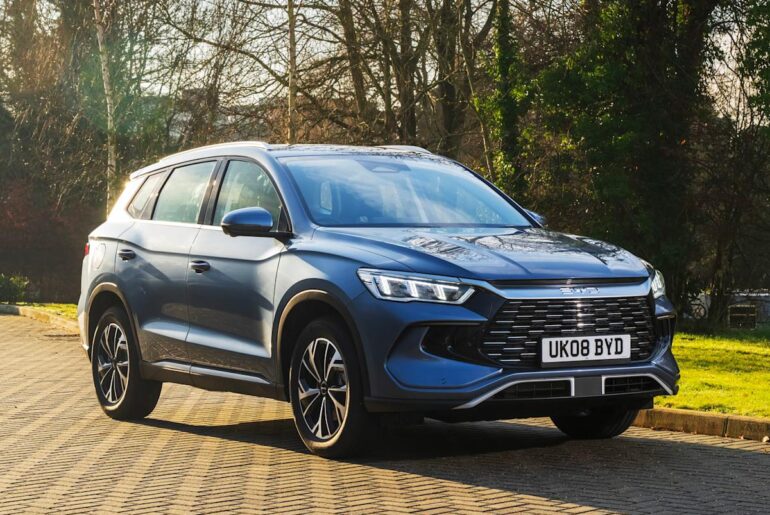
Europe had the second-highest growth, with 33% more plug-in sales, totaling 4.3 million units sold last year. Chinese plug-ins also made their biggest mark on Europe’s electrified vehicle sales in 2025, with around 19% of all such cars sold on the continent coming from China. BYD is the biggest Chinese player in Europe, followed by SAIC, Xpeng and Leapmotor.
Even more Chinese plug-ins could make their way into the region this year as the European Union is considering ditching the import tariffs it had imposed on Chinese cars (ranging from 7.8% to 35.3% depending on the brand and how much state help it got from the Chinese government) and replacing them with a minimum price. This could potentially make cars coming from China more affordable than they are today and further boost electric and electrified sales.
China is showing clear signs that its plug-in vehicle growth is slowing down after booming for several years straight. Still, the market saw solid gains.
The country’s plug-in segment grew 17% in 2025 to 12.9 million units. And the data show buyers are moving away from electrified vehicles that still have a combustion engine. Pure EV sales rose 26%, while plug-in hybrids were only up by 6%. Notably, pure EV sales appeared to slow down toward the end of the year, with Q4 numbers only up 4% over Q4 2024.
Plug-in vehicles (called “new energy vehicles,” or NEVs, in China) were exempt from purchase taxes in China, but that exemption was partly removed in 2026. The market was already showing signs of slowing and now that buyers have to cover 50% of the sales tax, things should slow further. NEVs were also deprioritized in China’s next five-year plan, which dictates the direction the country goes in and what industries it focuses on.
Japanese car buyers remain unconvinced by EVs. The country’s plug-in market only grew a modest 6% in 2025, while neighboring South Korea saw a 50% increase year-over-year, fueled by the wide range of new plug-in models from Hyundai and Kia, as well as a comprehensive incentives program.
Overall, even with China cooling and America’s incentive-and-regulation rollercoaster, buyers from around the world still proved that they want to plug in. In 2026, plug-in sales will continue grow where incentives and rules stay steady—and likely remain unpredictable where they don’t.
We want your opinion!
What would you like to see on Insideevs.com?
– The InsideEVs team