January 15, 2026
By Karan Singh
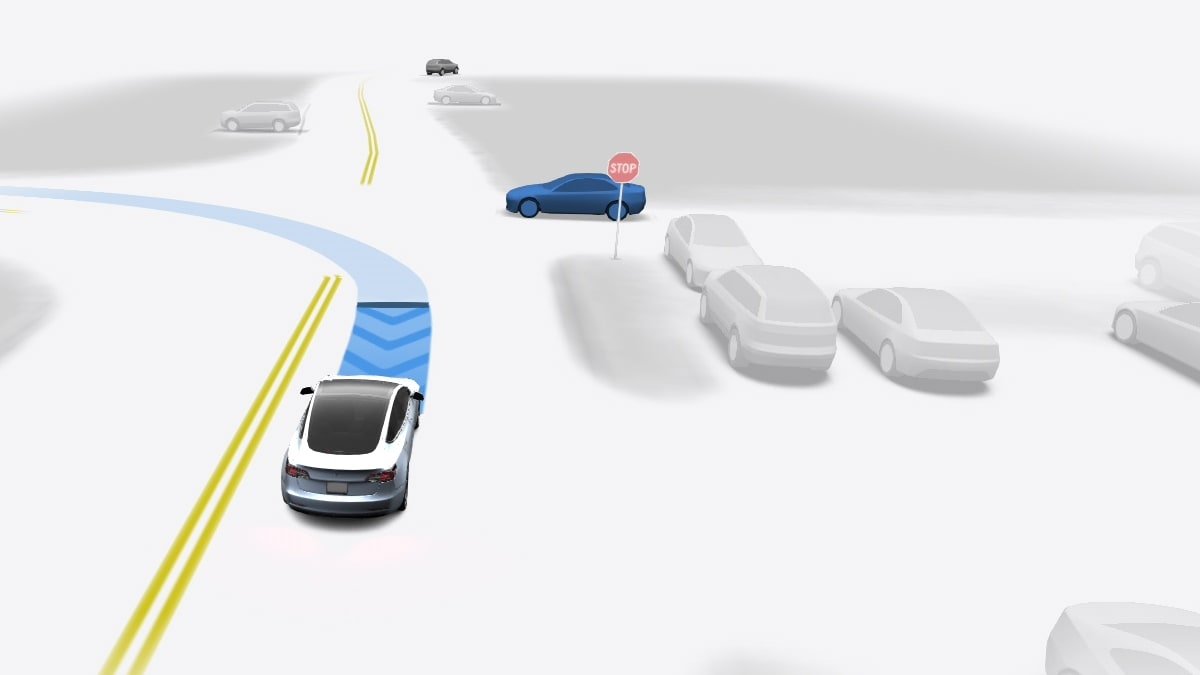
In a growing number of regions, Tesla offers two options to its customer base for Full Self-Driving. You can either subscribe to the package on a monthly basis or purchase it outright for the life of the vehicle.
This means Tesla owners face an option: do you subscribe to FSD, or buy it outright? We’re going to take a look at the pros and cons of each choice and then let you decide.
Costs
Before we dive into the pros and cons, let’s take a look at the current cost of FSD, which is the key factor for anyone considering making the decision. In the table below, we’ve listed the prices by country in regions where Tesla also offers a subscription.
Currently, FSD subscriptions are not offered in China, South Korea, or Mexico.
We also note the time at which the subscription breaks even with the purchase price, which varies by country, with the U.S. being by far the lowest (you may have to scroll horizontally on mobile).
Country
Purchase
Subscription
Breakeven Time
United States
$8,000 USD
$99 USD
80 mo / 6.6 years
Canada
$11,000 CAD
$99 CAD
111 mo / 9.25 years
Australia
$10,100 AUD
$75 AUD
135 mo / 11.25 years
New Zealand
$11,400 NZD
$80 NZD
143 mo / 12 years
Subscribing
So, just looking at costs alone, you can see that subscribing to FSD is a good option if you’re looking at prices alone. Subscribing also gives you additional flexibility if you need to save money, your commute changes, or life events occur.
Many subscribers also pause their subscriptions for winter in more northerly areas, as FSD still doesn’t perform as well in inclement weather, but that’s starting to change and it may not be too much longer before FSD is able to safely handle varying weather.
By far, the biggest advantage of subscribing to FSD is the opportunity to test out FSD – and as of a recent Tesla App Update, Tesla will also inform you of what version of FSD you will be receiving when subscribing right in the app, enabling you to make sure you’re getting the latest version.
Vehicles with an active subscription will remain on the latest FSD branch; however, if you subscribe on and off, you may be moved to the primary non-FSD branch in off-months, which could result in delayed FSD updates.
Subscribing is a flexible option that can be cheaper, but it only makes sense if you intend to keep the vehicle for less than 6 years. You can also “transfer” it easily to a new Tesla when you sell your old one – no special purchase opportunity required. However, there is one key advantage to purchasing that we’ll get into.
Purchasing
Purchasing FSD outright provides a permanent, private-sale transferable license of FSD to the vehicle. The license is assigned to the vehicle VIN and stays with the vehicle in the case of a vehicle sale, which could be a benefit if you intend to sell your vehicle in the future.
In addition, Tesla has agreed to offer FSD hardware retrofits to owners of HW3 vehicles who purchased FSD outright. This originally happened for HW 2.0 and HW 2.5 vehicles, which eventually received all the components of HW3. Some owners were offered the opportunity to upgrade for free, while others had to pay $1,000 to $1,500 USD.
Purchasing also comes with a fixed price that won’t change. That means that if Tesla raises the cost of the subscription in the future, you won’t be impacted by that change – and doubly so if they increase the costs with the launch of Unsupervised FSD. For those who love using Tesla’s autonomy features, this is a no-brainer to purchase, especially if you believe that Tesla will raise prices in the future.
However, the opposite can also be true. FSD subscriptions used to cost $199 in the U.S., and Tesla eventually halved that to $99, prompting some FSD owners to think about whether the upfront cost was worth it now that subscriptions cost half as much.
Purchasing FSD makes most sense at the time of purchase. You can finance the cost of FSD over the life of the loan, which can make it more appealing to purchase. Since FSD is tied to the vehicle, it also lets you enjoy the purchase for a longer period of time.
Buy Purchase Going Away
Tesla recently announced that it would remove the ability for owners to purchase FSD in February. There could be a variety of reasons why Tesla is doing this, but most of them play to Tesla’s advantage.
If owners subscribe to FSD, Tesla no longer needs to upgrade hardware if it can’t achieve true autonomy in the current vehicle. Tesla also gains flexibility in pricing and terms for FSD and can change them at any time. This could mean that Tesla could start charging $199, $299 or higher for FSD if they wanted to, and owners wouldn’t have any other options.
Tesla can also introduce tiers of FSD, such as $299/month for eyes-off autonomy, or $599/month for business use.
Essentially, Tesla can continuously define the terms and cost of FSD as it goes. While we don’t know what the future holds, we believe the cost of FSD will only increase as Tesla inches closer to unsupervised FSD.
If you truly didn’t have to pay attention in your vehicle as your car navigated you to work or across the country, how much would that be worth to you?
For some people, this means they can start working as soon as they enter the vehicle, maybe get a higher-paying job that’s multiple hours away, or sleep and work as they travel throughout the country. That’s even before we get into business cases, such as delivery services that currently need to hire humans at thousands of dollars per month to complete these tasks.
The Decision
So, in the end, the decision is yours. We’ve got vehicles subscribed to FSD and others with FSD purchased outright, and there are definitely advantages to both.
However, Tesla’s announcement of FSD going subscription-only definitely leaves a lot to think about. If you’re planning to keep your vehicle long-term and plan to continue subscribing to FSD, purchasing is likely the better option for you.
Just like we saw with vehicles that included free Supercharging before that option went away, they carry a premium price tag, and we’re likely to see the same with FSD. If Tesla decides to increase the monthly cost to $199/month, then the pay-off period comes down to just three years in the U.S.
This is especially important for HW3 owners who currently subscribe to FSD. By purchasing, you won’t only protect yourself from future price hikes, but you’ll also receive any hardware upgrades needed. For HW4 owners, this could be less of an advantage, but even HW4 isn’t guaranteed to receive unsupervised FSD, especially in adverse weather conditions.
The clock is ticking, and Tesla owners have less than a month to decide.
Ordering a New Tesla?
Use our referral code and get 3 months free of FSD or $1,000 off your new Tesla.
January 15, 2026
By Karan Singh
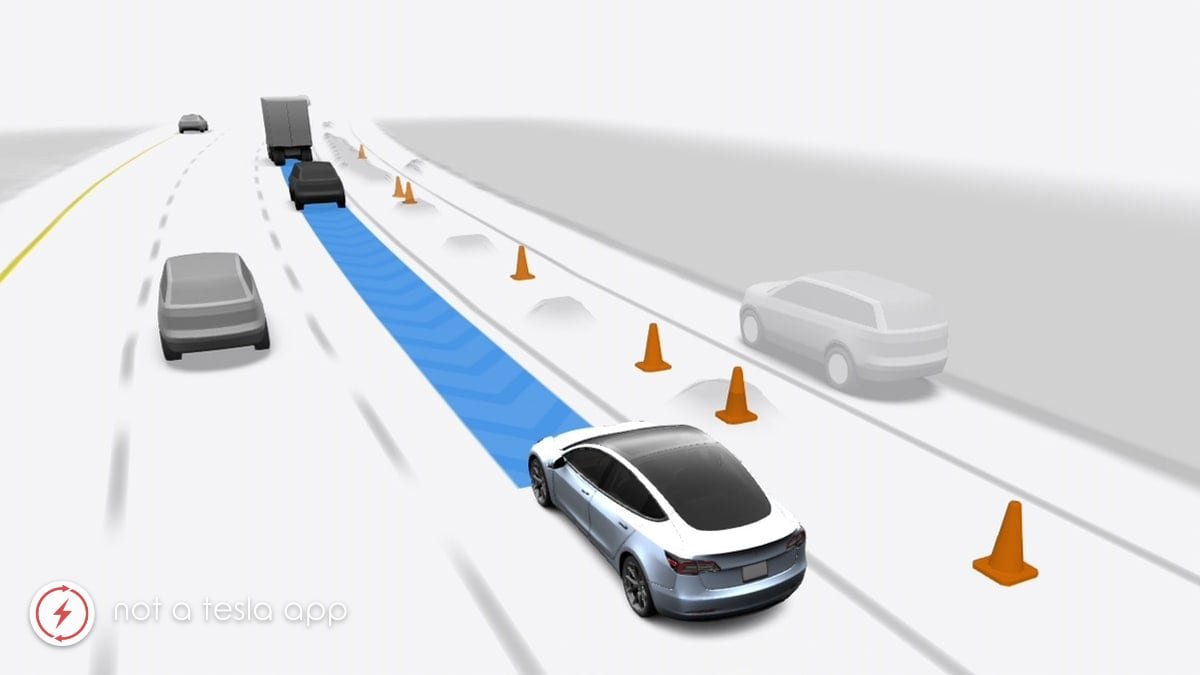
Earlier today, Elon Musk announced that Tesla will stop selling FSD as a one-time purchase and instead require owners to subscribe to FSD. The deadline to purchase FSD is February 14, 2026. After that date, the software will be available exclusively as a monthly subscription.
While most owners now subscribe to the service rather than purchase it, it’s mostly because of the high up-front cost of FSD. Tesla priced FSD as high as $15,000 in September 2022, before gradually lowering the price to the current $8,000 in the U.S.
However, this change may be more about Tesla’s future plans than owners’ payment preferences.
Steady Revenue
If there is one thing that investors want, it is predictable revenue streams, and subscription-based FSD delivers on exactly that.
While one-time purchases create jagged revenue spikes as most users buy FSD with the purchase of a new vehicle, subscriptions create a steady, predictable cash flow.
Elon Musk’s 2025 CEO Performance Award outlines a goal for 10 million active FSD subscriptions. However, as some readers pointed out, this goal also includes FSD purchases.
Update: We updated this article to reflect that FSD purchases are also counted toward Musk’s 10 million subscriber goal.
The Hardware Loophole
Perhaps the biggest benefit for Tesla is legal and operational. By removing the upfront purchase option, Tesla is effectively eliminating the “forever promise” of hardware capability that has plagued it so heavily in the past.
When a customer buys a license to Full Self-Driving, they have a reasonable expectation that the product will eventually be fully autonomous, which is what they paid for. This has led to intense debates, lawsuits, and ongoing perception issues with FSD purchases on hardware 3 vehicles, which now need to be retrofitted with new hardware.
A subscription model solves this problem instantly. Now, when a customer subscribes to FSD, they’re subscribing to what FSD (Supervised) is capable of today – not a promise for future autonomy. If an older vehicle can eventually no longer run the latest models, the owner simply stops subscribing, absolving Tesla of the obligation to perform costly hardware retrofits on aging vehicles.
The Math Didn’t Work
For most consumers, the $8,000 upfront cost had largely stopped making sense financially. At the current price of $99 per month, it takes roughly 6.5 years of continuous payments to equal the lump-sum purchase price.
That calculation doesn’t even take into account the ability to use that money elsewhere – whether it be on an investment in Tesla stock, or perhaps purchasing that wheel, interior, or exterior upgrade you wanted instead of FSD.
In addition, if you totaled your vehicle, some insurers wouldn’t factor in the cost of FSD into the value of your vehicle. Your FSD license would essentially vanish if you couldn’t take advantage of an FSD transfer deal.
With the break-even point pushed so far out and the economics against it, subscribing has been the financially superior move for the vast majority of owners for quite some time now.
Autonomy Is Worth Much More
This change to a subscription model raises several questions about Tesla’s future packaging of FSD. Tesla currently bundles FSD with the Model S, Model X, and the Cyberbeast with the Luxe package, suggesting we’ll either see a price reduction or a repackaging to adjust the licensing terms.
Furthermore, a subscription-only offering provides Tesla the chance to segment out FSD. That means we could eventually see different tiers of FSD – including a cut-down Autopilot version, today’s current FSD (Supervised), a next-gen FSD (Unsupervised), and potentially a commercial license as well that could be used for Uber and other services.
Looking at it from the other side, this change could indicate that Tesla feels it’s close to unsupervised FSD. If Tesla solves true autonomy, the value of FSD will fundamentally change from a driver-assist future to a personal chauffeur service worth tens of thousands per year.
A subscription model is much more convenient for Tesla, as it allows them to change the terms at will. While $12,000 is a significant amount of money, Tesla would be leaving money on the table if it sold true autonomy for that price without restrictions.
By locking users to a subscription model now, Tesla retains the ability to adjust that monthly fee as FSD’s value continues to improve over time.
January 14, 2026
By Karan Singh
Last week, The Boring Company (TBC) laid out a detailed roadmap for the Holy Grail of transportation in Sin City: a direct, underground connection between the Las Vegas Strip and Harry Reid International Airport.
According to TBC President Steve Davis, the company has already begun limited airport pickups, which begins a four-phase rollout that will ease surface-level traffic.
Four-Phase Roadmap
The airport connection isn’t happening all at once; it is being activated in stages to get passengers moving from point to point immediately.
Phase 1
Phase 1, which is active now, involves limited test rides (about 50 per day), using existing TBC Loop stations at Resorts World, Encore, Westgate, and the Las Vegas Convention Center. Just this week, 100 of the fleet’s 130 Teslas were outfitted with the required airport transponders, allowing them to pick up passengers and operate on a hybrid route that combines tunnel travel with surface streets.
Phase 2
Phase 2, which is scheduled to begin in the coming months, is a new 2.2-mile dual-direction tunnel currently under construction. This new section of the tunnel will run from Westgate toward Paradise Road. Once active, vehicles will exit the tunnel system much closer to the airport, removing two miles of surface traffic from the journey.
Phase 3
The next big expansion begins in Phase 3, where the tunnel network will extend even closer to Terminal 1 at Harry Reid. This also bypasses one of the heaviest traffic intersections in Las Vegas – Tropicana and University Center. To support this volume, Phase 3 will also double the Loop fleet to nearly 300 vehicles.
Phase 4
Phase 4 is the final step, with a dedicated underground station built directly at the airport terminals, allowing passengers to step off a plane and into a Tesla without ever seeing the desert sun.
FSD Goes Underground
While the expansion continues, the vehicles inside the tunnel are also getting an upgrade.
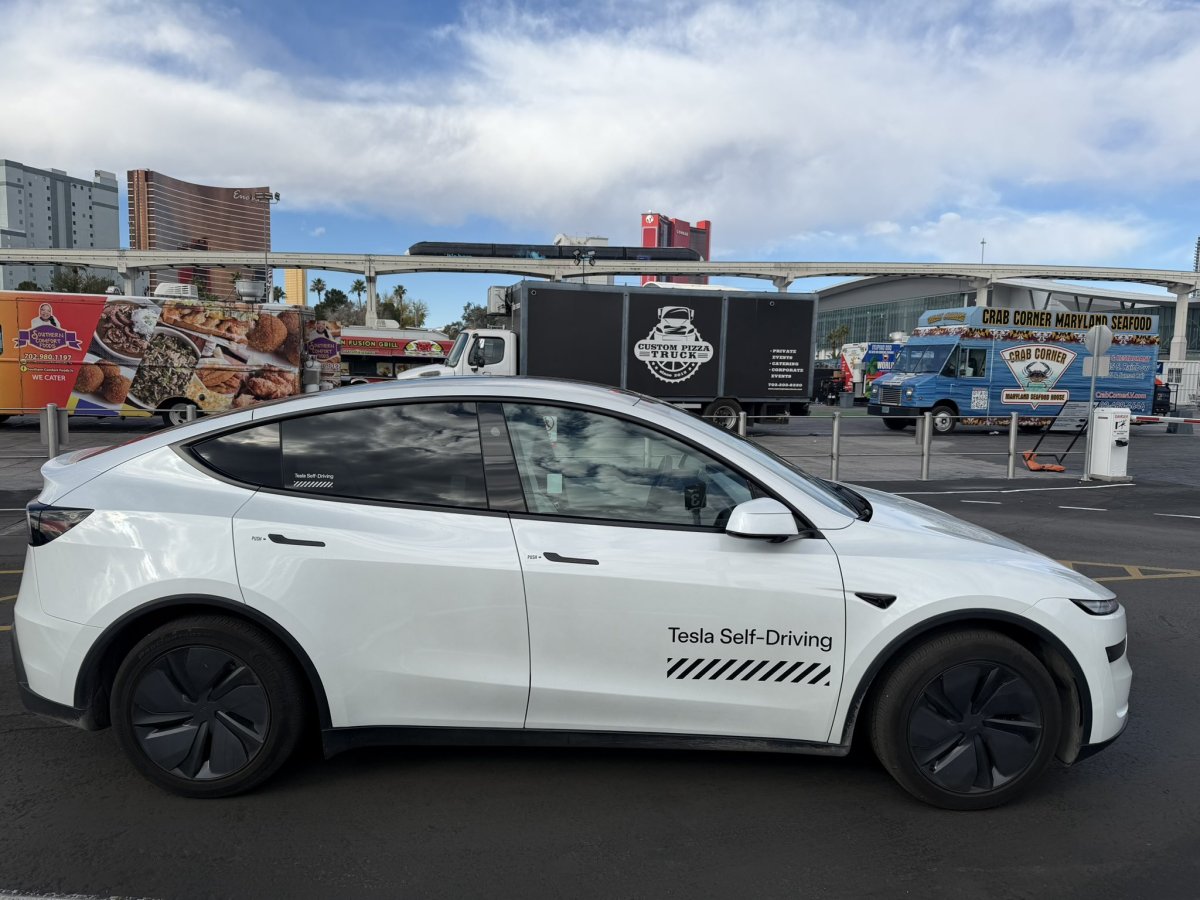
TBC vehicles have been spotted this week sporting new Tesla Self-Driving decals, and are using FSD (Supervised) for the first time to begin traversing the loop. The vehicles are still monitored by TBC employees, so they aren’t autonomous quite yet.
Just got to ride in the first car in the Boring Loop with Full Self-Driving!
The car flawlessly took us from Central Station to the Encore with zero input from the safety driver except the start button. @elonmusk @boringcompany pic.twitter.com/5SMoermDM5
— Ryan Zohoury (@RyanZohoury) January 9, 2026
This transforms the Vegas Loop into a validation track for FSD, focused on testing its close-in capabilities to drive in the tight Boring Loop. The controlled environment will eventually support speeds up to 150 mph in certain straightaway sections.
2027 Target
To finish the full 68-mile Vegas Loop by the targeted 2027 date, TBC needs to speed up – not just the cars, but the paperwork.
TBC needs over 600 additional permits across Clark County to complete the system. At the current pace of one approval every 1-2 weeks, the project would take decades. TBC is working with local officials to try to streamline an operator-style permitting process, similar to how SpaceX operates Starbase, to facilitate approvals.