Key Points
Honda unveiled a refreshed ‘H’ logo on January 13, 2026, symbolizing its focus on innovation and electrification, debuting on next-generation electric and hybrid vehicles from 2027.
Honda plans to launch up to 10 new cars by 2030 in India, including the electric SUV Honda 0 Alpha, produced at its Tapukara plant serving global markets.
Challenger Lifts introduced the EW10 Inground Lift on the same day, engineered to meet the growing demands of electric vehicle maintenance with enhanced performance and efficiency.
On January 13, 2026, two major announcements signaled a transformative moment for the global automotive industry: Honda unveiled a refreshed version of its iconic “H” logo in Tokyo, while Challenger Lifts introduced its new EW10 Inground Lift, purpose-built to meet the demands of electric vehicle (EV) service. Together, these developments highlight the rapid evolution of both car manufacturing and the service infrastructure that supports it, as companies race to adapt to the accelerating shift toward electric and intelligent vehicles.
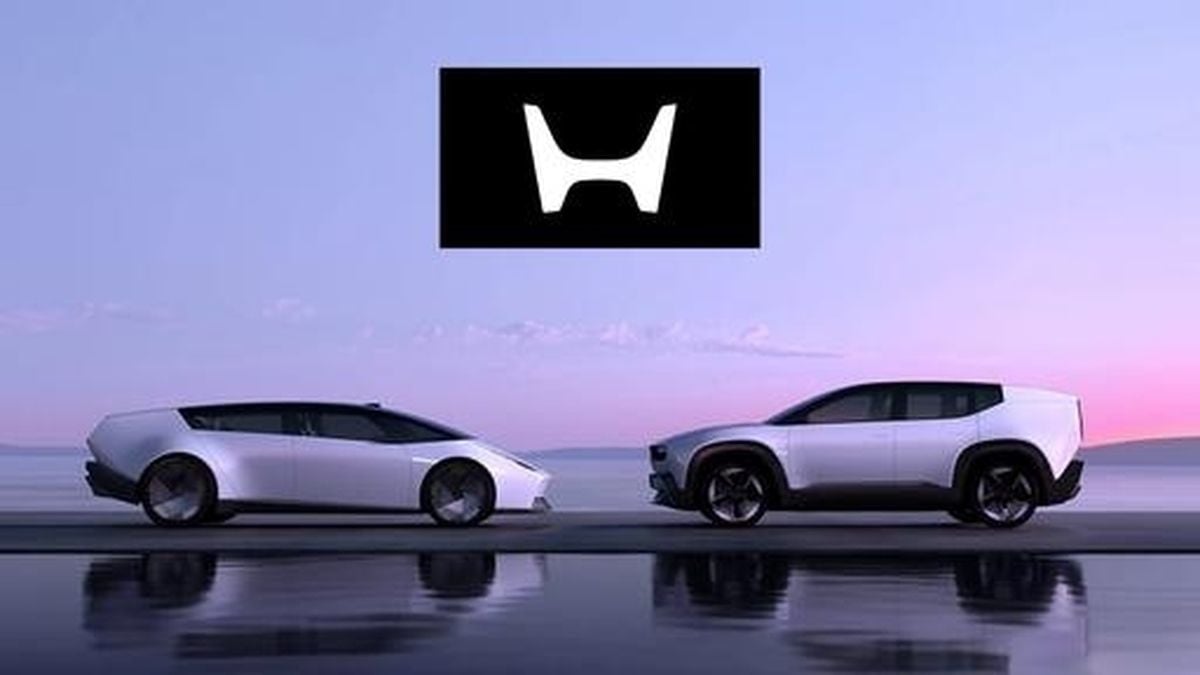
Honda’s new logo, set to debut on its next-generation electric and hybrid vehicles from 2027 onwards, marks more than just a visual update. According to Honda’s official announcement, the updated “H” mark, which resembles two open hands, is designed to symbolize the company’s renewed focus on innovation and putting customers at the center of mobility. The emblem reflects Honda’s commitment to “go beyond traditional car-making,” as it embraces a future dominated by electrification and smart technologies. This change comes at a pivotal time for the brand, as it positions itself for what it calls its “second founding.”
Honda’s logo has been a staple of the brand’s automobile business since 1963. Over the decades, it has undergone several redesigns, but this latest iteration stands out for its timing and intent. The company is not just updating its image; it’s making a statement about its ambitions in the electric vehicle space. The new logo will first appear on the Honda 0 Series—a range of vehicles that follow a “starting from zero” philosophy, emphasizing fresh beginnings and forward-thinking design. As reported by CarLelo, the new H mark “reflects its goal to go beyond traditional car-making.”
Rolling out globally in phases, the logo will eventually be seen not only on vehicles but also on Honda dealerships, brand communications, and even motorsports activities. While current models will retain the existing logo for now, the updated mark will gradually become the face of Honda’s future product lines. This phased approach allows the company to manage the transition smoothly while maintaining brand continuity.
The impact of this change is particularly significant in India, where Honda is preparing for a major comeback. The company has ambitious plans to launch up to 10 new cars in the country by 2030, seven of which will be SUVs. India has been identified as one of Honda’s top three growth markets, alongside the U.S. and Japan. The refreshed logo is expected to feature prominently on upcoming electric and hybrid models sold in India, signaling a fresh start as Honda works to rebuild its presence in a fiercely competitive car market.
One of the most anticipated products for India is the Honda 0 Alpha electric SUV. The concept version of this vehicle was showcased at the Japan Mobility Show 2025, generating considerable buzz among industry watchers. Production is slated to take place at Honda’s Tapukara plant in Rajasthan, which will serve as a global manufacturing and export hub for the model. The 0 Alpha is likely to share components with the Honda Elevate to keep costs manageable, while still adhering to Honda’s new global EV design language.
As Honda reimagines its brand identity and product strategy for an electric future, automotive service providers are also stepping up their game. Enter Challenger Lifts, which on the same day as Honda’s announcement, introduced the EW10 Inground Lift—a piece of equipment engineered specifically for the evolving needs of modern service facilities and the growing prevalence of EVs.
“The EW10 Inground Lift gives service centers the versatility and speed they need as EV maintenance becomes more common,” said Trevor Coleman, national sales manager for Challenger Lifts, in a statement published by Aftermarket News. “It is built to help shops improve performance, efficiency and long-term reliability.”
The EW10 boasts a 10,000-pound lifting capacity and features three-stage front and rear arms, allowing for fast and flexible vehicle spotting in high-volume bays. Quick Cycle models are capable of rising in just 27 seconds and lowering in 17 seconds, which, depending on configuration and conditions, can reduce cycle time by up to 30%. This speed is a game-changer for busy service centers, where every minute counts.
But it’s not just about speed. The EW10 is designed for stability and longevity, incorporating 8.5-inch chrome pistons, a non-breathing ram-style cylinder, and enhanced bearing protection to minimize contamination and extend the life of the lift. In a nod to environmental responsibility, the lift features a fully sealed recycled-polymer cassette tub that prevents hydraulic fluid from entering the ground. This detail not only supports eco-friendly operation but also aligns with the broader industry shift toward sustainability.
Additional features include screw pads with multiple height adjustments and an 88-inch drive-through clearance, making the EW10 suitable for a wide range of vehicles—including the increasingly large and heavy EVs and SUVs hitting the market. The three-stage arms also come with a powdercoat finish for durability. “As EV adoption continues to rise, shops need flexible, reliable equipment capable of safely handling a wide array of vehicle platforms. The EW10 Inground Lift delivers exactly that, along with industry-leading speed, stability and longevity,” Coleman added.
For service centers, the introduction of such specialized equipment is crucial. As more electric vehicles roll off assembly lines—many bearing Honda’s new logo—mechanics and technicians will need tools that can safely and efficiently handle these vehicles’ unique requirements. High-voltage batteries, heavier curb weights, and different underbody configurations mean that yesterday’s lifts may not be up to the task. Challenger’s EW10 aims to fill that gap, helping shops stay competitive and prepared for the next wave of automotive innovation.
The twin announcements from Honda and Challenger Lifts underscore a broader truth: the automotive world is in the midst of a profound transformation. Manufacturers and service providers alike are rethinking everything from branding to equipment, all in the name of adapting to a future where electric and intelligent vehicles are the norm rather than the exception. For consumers, that means not just new cars with fresh logos, but also the peace of mind that comes from knowing the infrastructure is in place to keep those vehicles running smoothly.
As the pace of change accelerates, one thing is clear: both automakers and the service industry are determined to stay ahead of the curve, ensuring that the journey toward an electric future is as seamless—and as exciting—as possible.