Whilst Cycling Electric has given generally positive reviews to many models in the £1,000 to £2,000 price bracket (think ADO, Cicada, Estarli and Tenways), when it comes to e-bikes at £1,000 and under the market is much more rarefied if you want to go with a reputable brand. It was for this reason I was particularly keen to take the Pinnacle Energy for review. Okay, the £999 price tag is seemingly a discounted one, but it’s been at that price level for a while now, so I was keen to see if it’s real world performance measured up to the positive-looking spec sheet.
If you didn’t know already, Pinnacle is the in house cycle brand of Evans Cycles, though since a takeover of Evans by Sports Direct (who themselves changed name to Frasers Group after taking over House of Fraser) Pinnacle are available through a much wider spread of retailers.
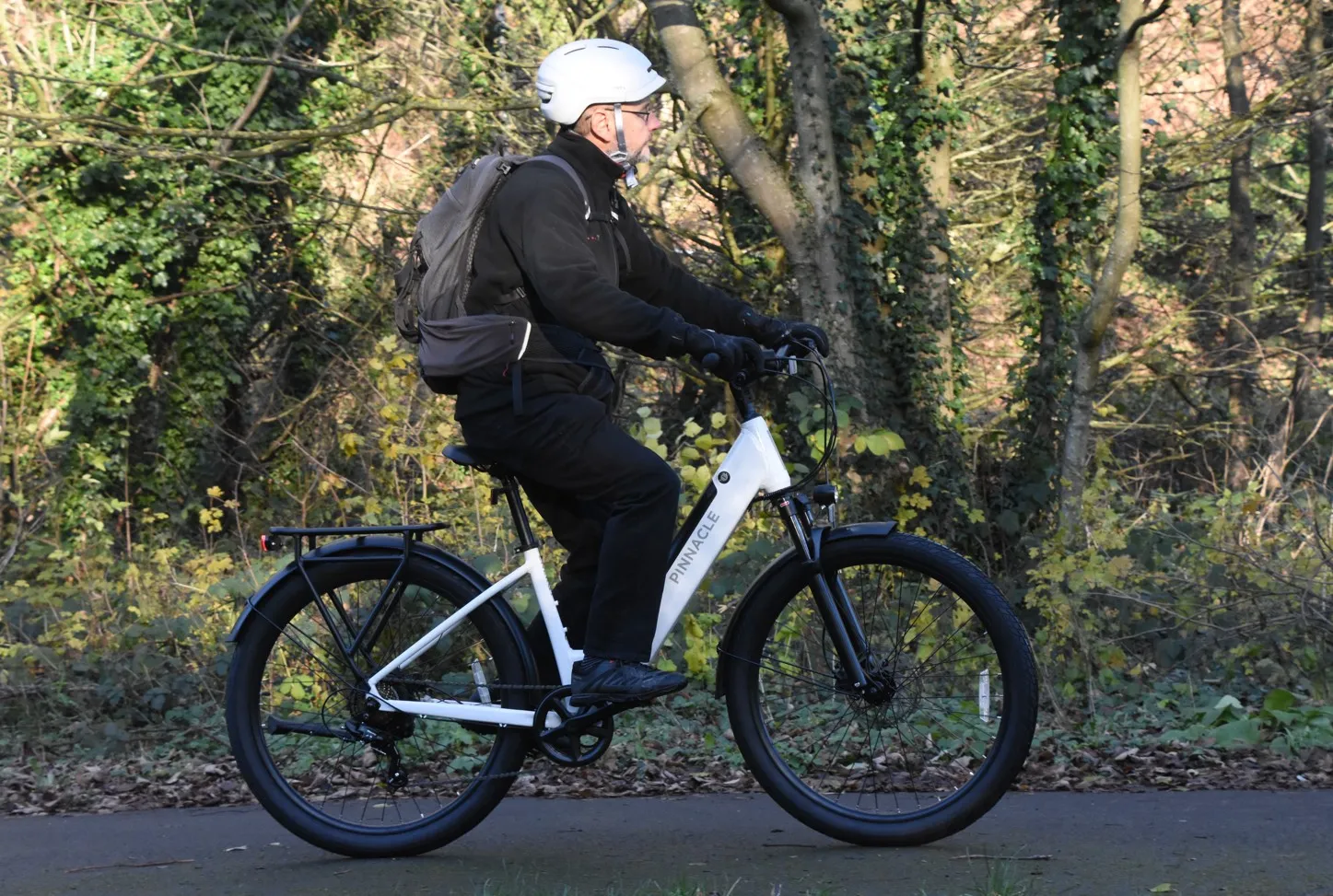
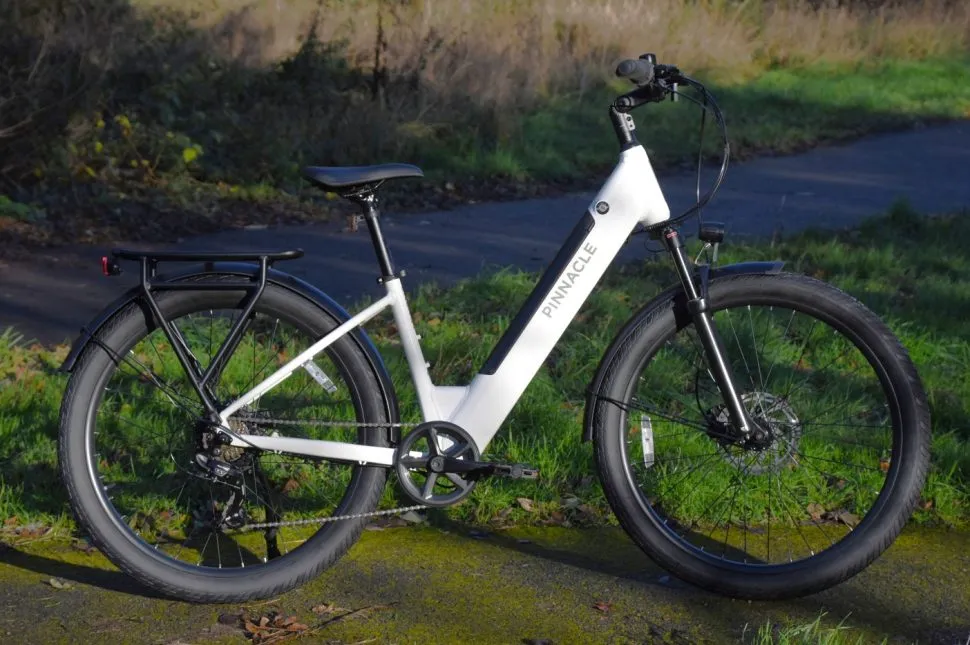
On paper the Pinnacle Energy ticks all the boxes on the budget e-bike checklist; easy to use step-thru frame, reasonable sized battery, comfort-promoting large volume tyres and front suspension and full equipment for use in all conditions.
In practice I really enjoyed my time with it too; despite a couple of hiccups along the way, covered in more detail at the end of this article, it really surprised me with its abilities at a price point where there is usually some really obvious compromise in spec, as here that didn’t seem to be the case. My own past experiences with e-bikes at the lowest end of the price spectrum have ranged from pretty dire to just about OK. The Pinnacle Energy exceeded expectations and performed on a par with higher priced bikes. There are a few caveats to this which I’ll get to, but overall at this price point I think the Energy represents really good value for money and many new or returning to cyclists will really enjoy riding it.
It’s worth noting that this is the price bracket at which buyers have to be especially wary; if you are in the market for a sub £1,000 e-bike you’ll probably quickly discover that the likes of eBay and Amazon are full of sub £1,000 models and even some sub £500 ones. Cycling Electric would advise you to steer well clear of this general market; despite being under the spotlight for selling potentially non-compliant and sometimes dangerous e-bikes, such websites appear to testify to a still flourishing cut-price market. Even if they claim to be EU or UK compliant it’s a fair bet that this is a good way to throw money down the drain, such is likely to be the longevity of many of these bikes. No doubt there are a few decent models in there, but why take the risk when bikes like the Energy are available?
£999 (Was £1,999) | View offer
Pros
Smooth and effective power assist at all power levels
Easy to use step through frame
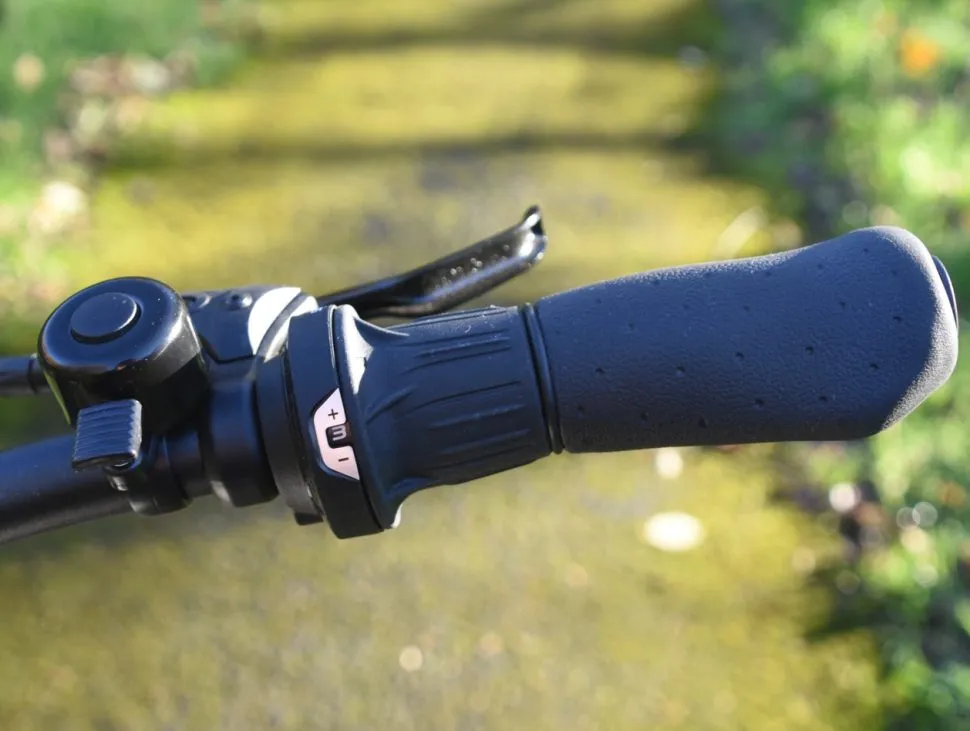
Twist grip control for derailleur gears allows quick changing over several gear ratios at once
Large volume tyres for comfort
Effective lights
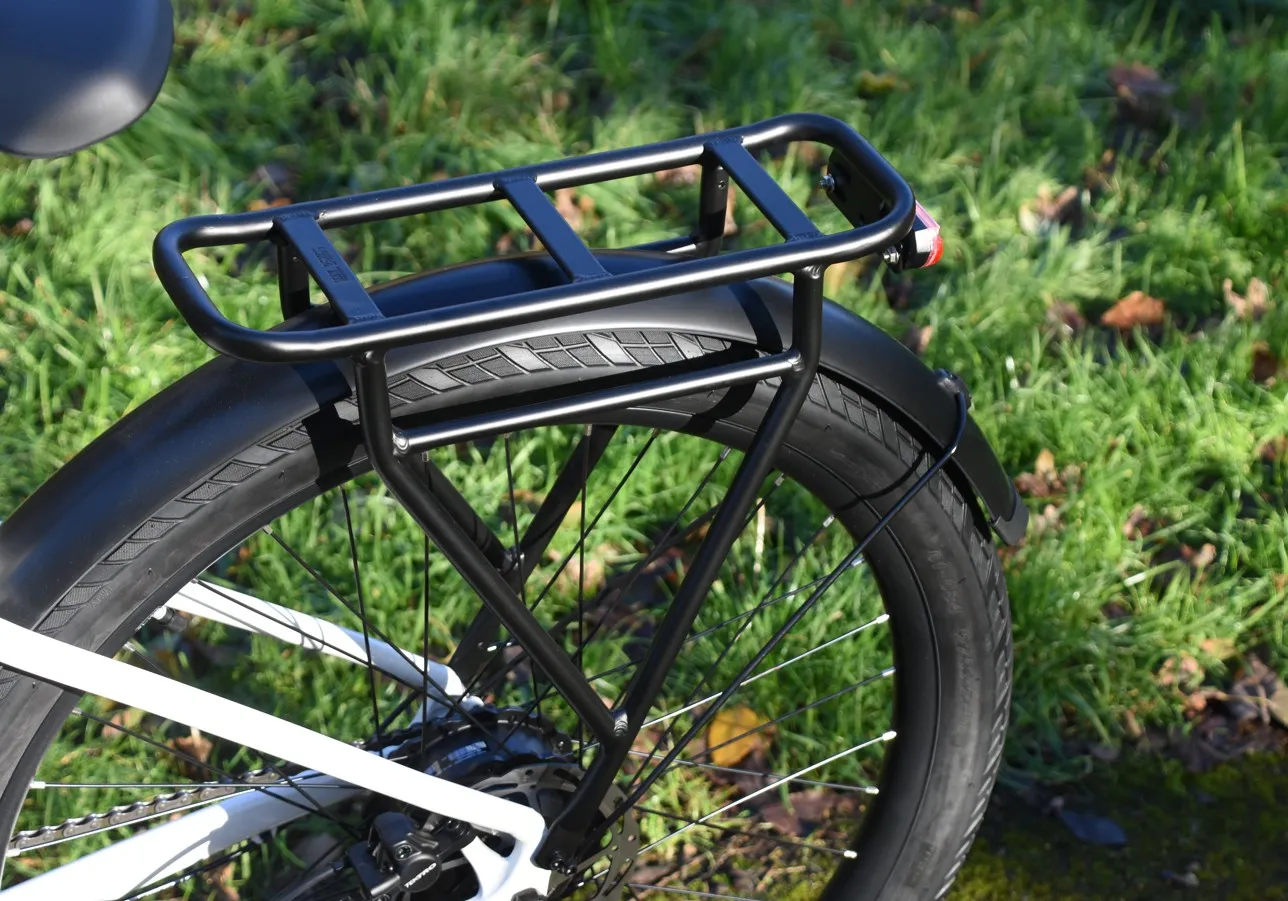
Full commuter equipment including mudguards, kickstand and rear rack
Cons
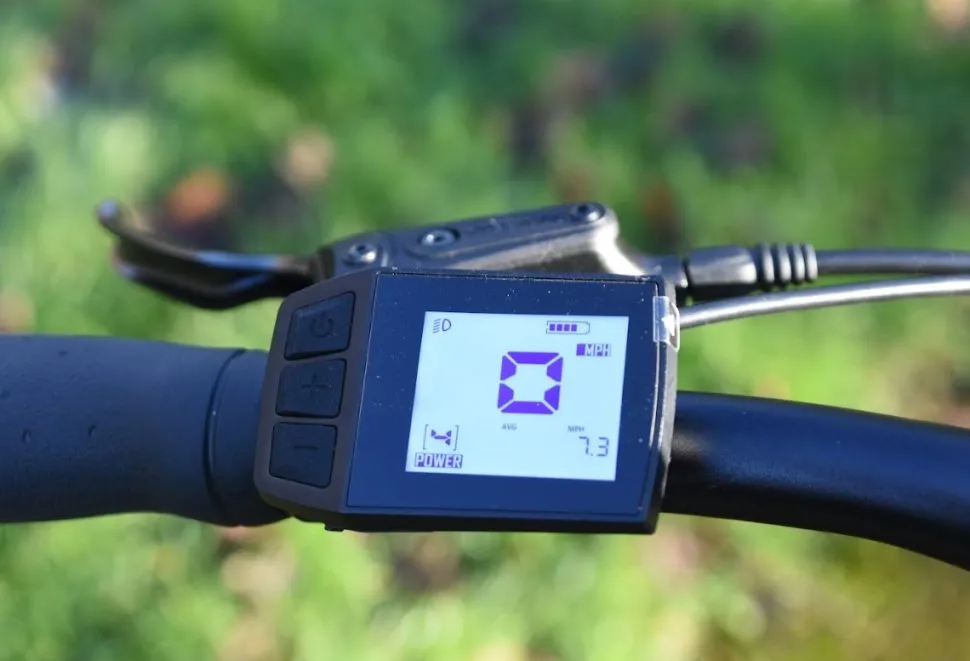
Small display text and display blinding at night
Grips slippy on bars
Question mark over puncture resistance of tyres
Rear light not hard-wired
Features
250W rear hub motor
Reasonable sized frame removable battery
Seven-speed gearing
Hydraulic disc brakes
Reasonable-sized removable 417Wh battery
Specifications
Motor: 250W-rated Ananda R201 rear hub motor
Battery: 36V, 417Wh, XH, Ellese mini
Range: Estimated 20-40 miles, depending on conditions
Weight: 25.2kg
Brakes: Tektro HD-M275, hydraulic disc brakes, 160mm rotors
Saddle: Generic hybrid style
Tyres: Kenda K1293, 27.5 x 2.4″ high volume
Suspension: Rigid rear, 100mm travel steel sprung front suspension fork with lockout
Frame material: Aluminium
Gearing: Shimano Tourney TY-300 seven-speed derailleur with Revoshift gripshift. 42T front ring and 14-28t rear cog
Related Articles
The Pinnacle Energy pitch: more than price?
Let’s start with that very solid looking spec which looks even better when you see the bike closeup for the first time.
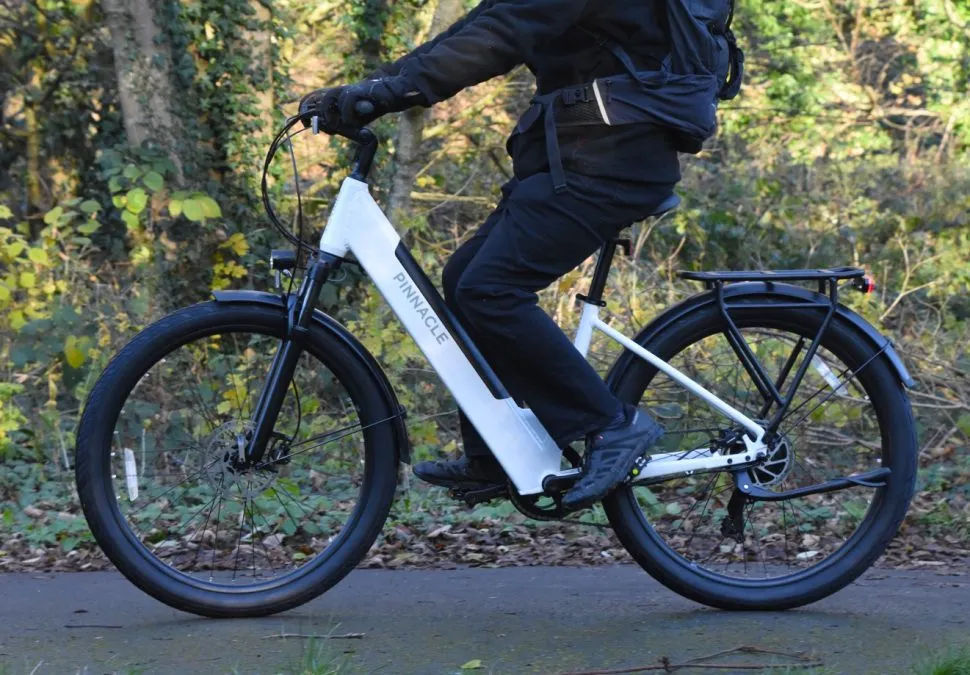
A step-thru frame is a great choice at this price point especially as the low price is likely to attract many first-time and returning cyclists who will value an easy-to-use bike. Even better the frame comes in two sizes – a little unusual for step-thrus which are often one size, but very welcome. Evans doesn’t give the size of rider the two frames can accommodate, but add in the fact it has an adjustable handlebar stem and plenty of seatpost height adjustment and I would wager it the vast majority of riders would feel at home on the Energy.
It looks a well-made frame to boot, with a big welded gusset at one of the main stress points in the stepover area and it even features bottle cage/accessory attachment braze-ons on the seat tube. At 25.2kg, it’s not a particularly light e-bike but probably average for a budget step-thru model – step-through frames tend to be heavier, as unlike diamond frames, the tubing has to be beefier to take the extra forces.
The 2.6kg battery can be removed to make the bike a bit lighter to transport or for charging. It has a 417Wh capacity battery, which is middling in terms of size but looks about right for the kind of around-town and leisure use this bike would typically get. Given the encouraging range achieved in our tests, it’s even less likely most users would need more capacity on this particular e-bike. Besides, reminding again of the price, this is great value for a fair-sized battery.
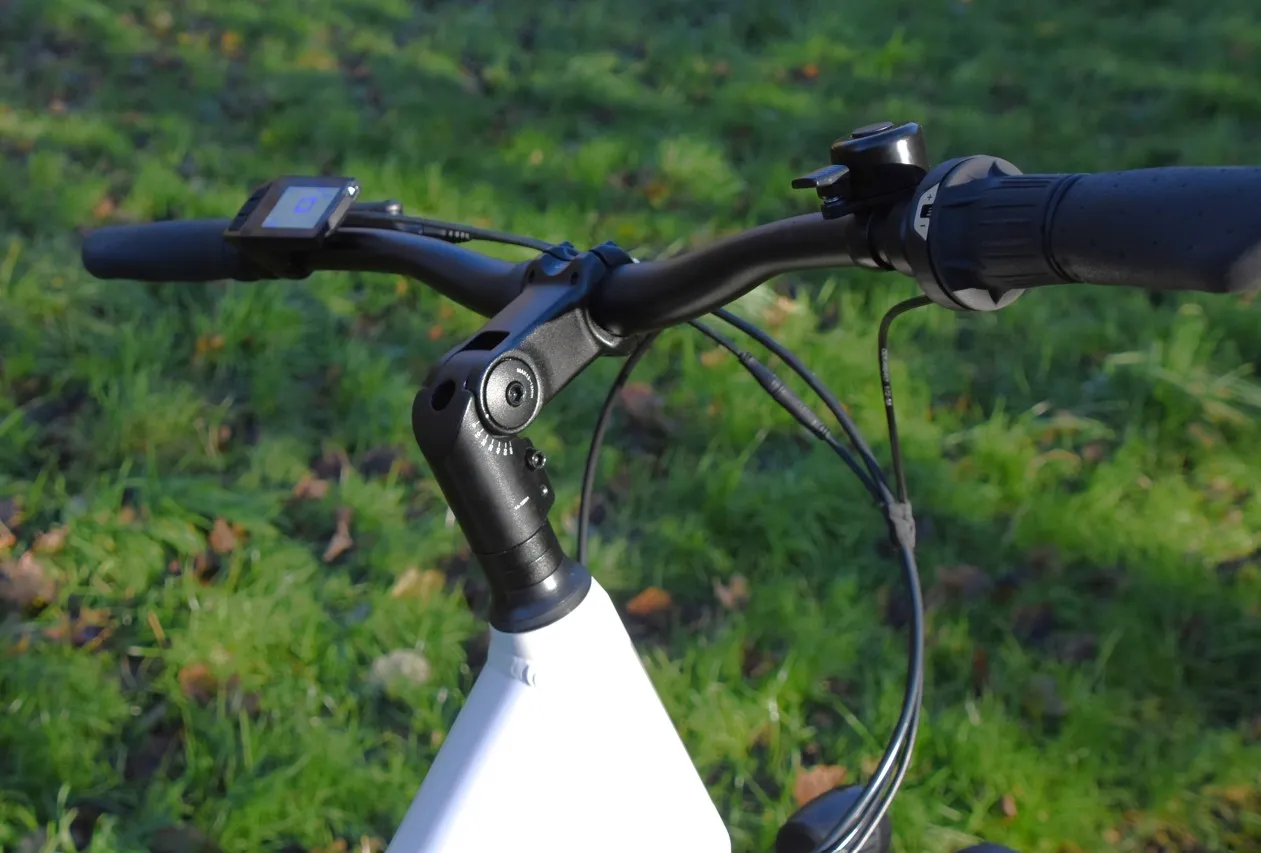
As you would expect on a bike at this price you get a basic budget type rear hub motor with pedal movement sensing rather than the torque sensing found on pricier e-bikes and similarly the small, backlit LCD single colour display is par for this price point.
Tektro hydraulic disc brakes are a standout at the £999 price tag as cut price models tend offer cable discs at best with some models even continuing to offer various designs of rim brakes which tend to involve more maintenance and eventually a new rim when dirt caught in the pads eventually wears them out.
It’s really well-equipped bike too. The Energy features well-placed lights, with the hard-wired front one sitting just above the forks and the rear one at the end of the pannier rack – both ideal in terms of visibility for the rider and other road users.
Although the kickstand and mudguards are plastic items they look sturdy enough and the alloy rear rack looks very sturdy and is rated to 25kg.
So far so good, but how does this impressive spec list measure up to real world testing?
A Pinnacle of value-tier performance?
I rode the Energy for a few weeks in the cold and wet typical of a UK winter and it performed very well with just a couple of initial problems; a faulty display unit needed replacing and a rear tube sustained a puncture. Both really run of the mill problems but I was glad an Evans shop was close to home to sort out the former – see the concluding paragraphs on the importance of dealer backup.
First impressions are of a very comfy riding position helped by the big volume 2.4” wide tyres aided by softly sprung front suspension. Adding to the relaxed, easygoing feel is the smooth power delivery from the Ananda motor controller and motor setup. Budget systems can suffer horribly from the mistiming of the pedal action and the motor power kicking in but for the price I found this certainly one of the better ones out there. It’s not up there with the very best but you wouldn’t expect that; critically there isn’t so much lag or run on that you feel you aren’t controlling the motor power with your pedal action.
Even in the lower power levels assistance continues all the way up to 15.5mph – not always the case on budget models where power levels can just mean speed governing, so that low power levels only assist to a few mph. The Energy hasn’t fallen into that trap and so offers efficient and easy riding even in the lowest power levels (there are five to choose from).
Hill climbing was very effective even up steeper hills – whilst there is no watts output figure on the display the voltage and discharge current stats printed on the battery suggest a peak draw of over 600 watts is possible from a fully charged battery, which is certainly impressive and based on the hills I breezed up on the bike quite believable.
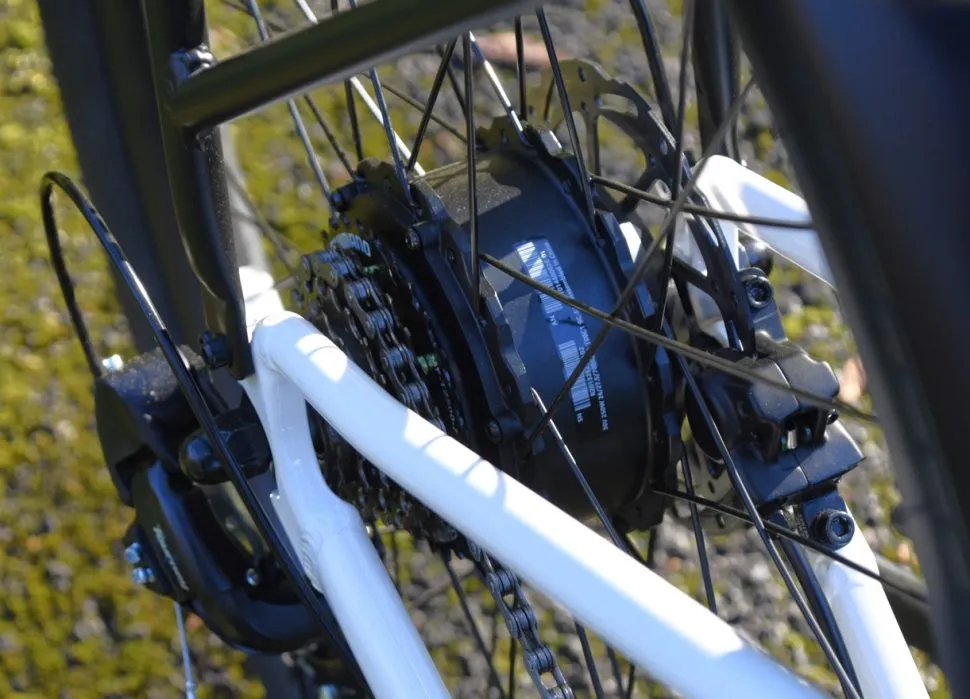
The Energy did slow down considerably on my ultra-steep 20%+ hill test, but made it up with some moderate pedal input. Lower gearing would have helped make for an easier experience here but in common with many cheaper models the Energy lacks an ultra-low gear.
The range far exceeded my expectations. Riding largely flat but unsealed and occasionally muddy off-road path on the Trans Pennine only two bars of five went down at 20 miles over moderate terrain with a couple of extended steep road hill climbs thrown in. The tyres also coped well off road on the icy, unsealed surface of the Trans Pennine Trail between Wakefield and Barnsley. Over easy terrain I can a range of 40 miles might be achievable – though perhaps half that if you stick to higher power levels much of the time.
A puncture was the only hiccup on this ride and mending the puncture on the rear wheel reminded me of one of the compromises of cheaper bikes; the rear wheel nuts are made of relatively soft steel and could be prone to rounding off unless you use a precise fitting spanner carefully. It’s so long since I’ve had a puncture on a bike I was genuinely surprised and wondered whether it was just bad luck or whether thinner tyres with low density threads in the casing could be responsible. No further punctures have happened since but without more tech detail than appears to be available it’s hard to be sure of the quality of the tyres. Do note in general budget bikes like this may need a bit more maintenance than pricier ones, though on the upside like-for-like replacement parts shoulddn’t cost much.
The brakes were also real highlight, the excellent modulation even allowing me to descend the ultra steep hill in frosty conditions, helped by good grip from the wide tyres. Similarly gear changing was commendably reliable and the gripshift / budget derailleur combo worked well for quick changes in busy traffic.
All the accessories worked as you would want and the lights in particular were handy for dark winter nights on unlit paths, the front allowing just enough light to negotiate them at moderate speed. The only niggle was the rear light having its own batteries, not being hardwired to the main battery as the front light is; but red LEDs take very little power so the battery should last a good long time.
Pinnacle Energy review: Backup and service
My review experience with the Pinnacle Energy convinced me that not only is this a great bike for £999, but also that at this price, local backup is important.
A big thanks to the Evans staff at the Barnsley store who organised a replacement display quickly and cheerily. If you live near an Evans store it makes the Energy even more tempting as you will have expert backup to hand. I can easily imagine a similar problem with a direct from the manufacturer budget model would have been a far more fraught experience, especially if they have only a minimal UK presence on the ground.
Had it not been for those hiccups with the display and rear tyre the Energy would have gained a couple of extra tenths in the marking. Even as it stands it’s an impressive score for a bike that will appeal to many general riders looking for an attractively priced e-bike with the reassurance of backup from a national chain of retailers with knowledgeable bike staff to help sort any issues that might arise.
How about the competition?
Our guide to sub-£1000 bikes reinforces the point that there aren’t too many choices at the price point from recognised brands and our list is populated by folders and mountain bikes with only a sprinkling of hybrid models.
The following models from the other major UK bike chains, Decathlon and Halfords/Tredz, look to be the most direct competitors to the Pinnacle Energy, though there are a number of value-led brands like Tenways which may also appeal.
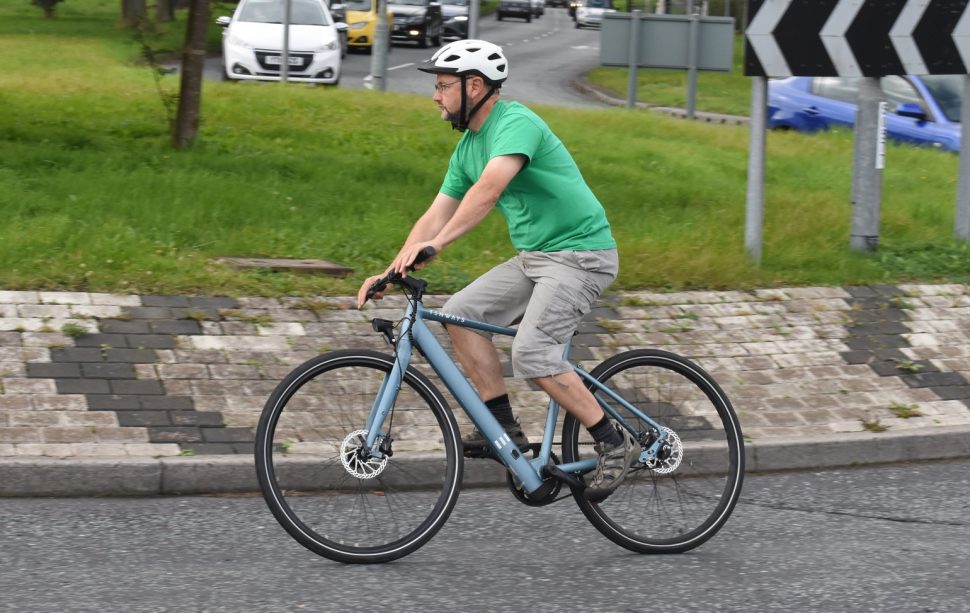
Tenways CGO600
£999 | View offer
Rockrider E-ACTV 100
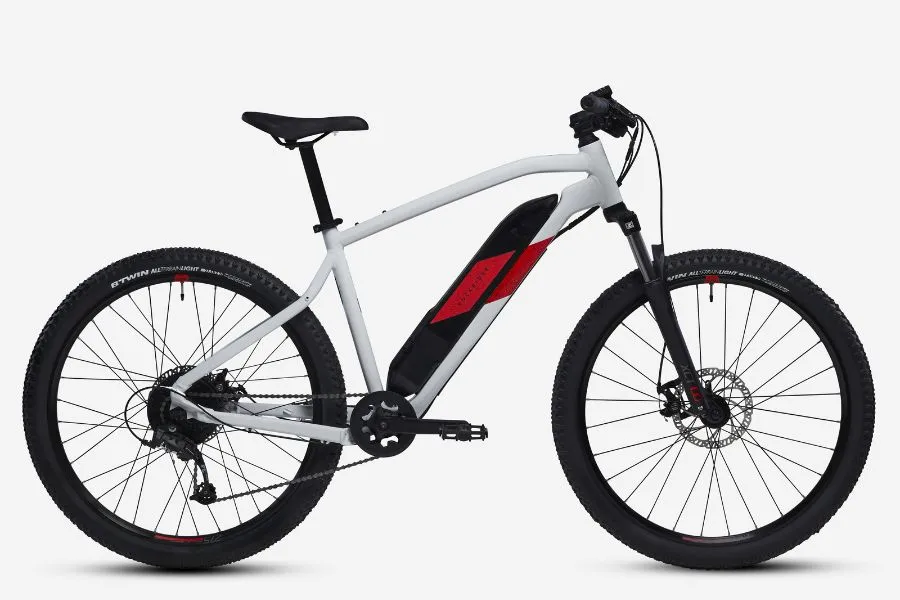
£899.99 | VIEW OFFER
Falcon Turbine
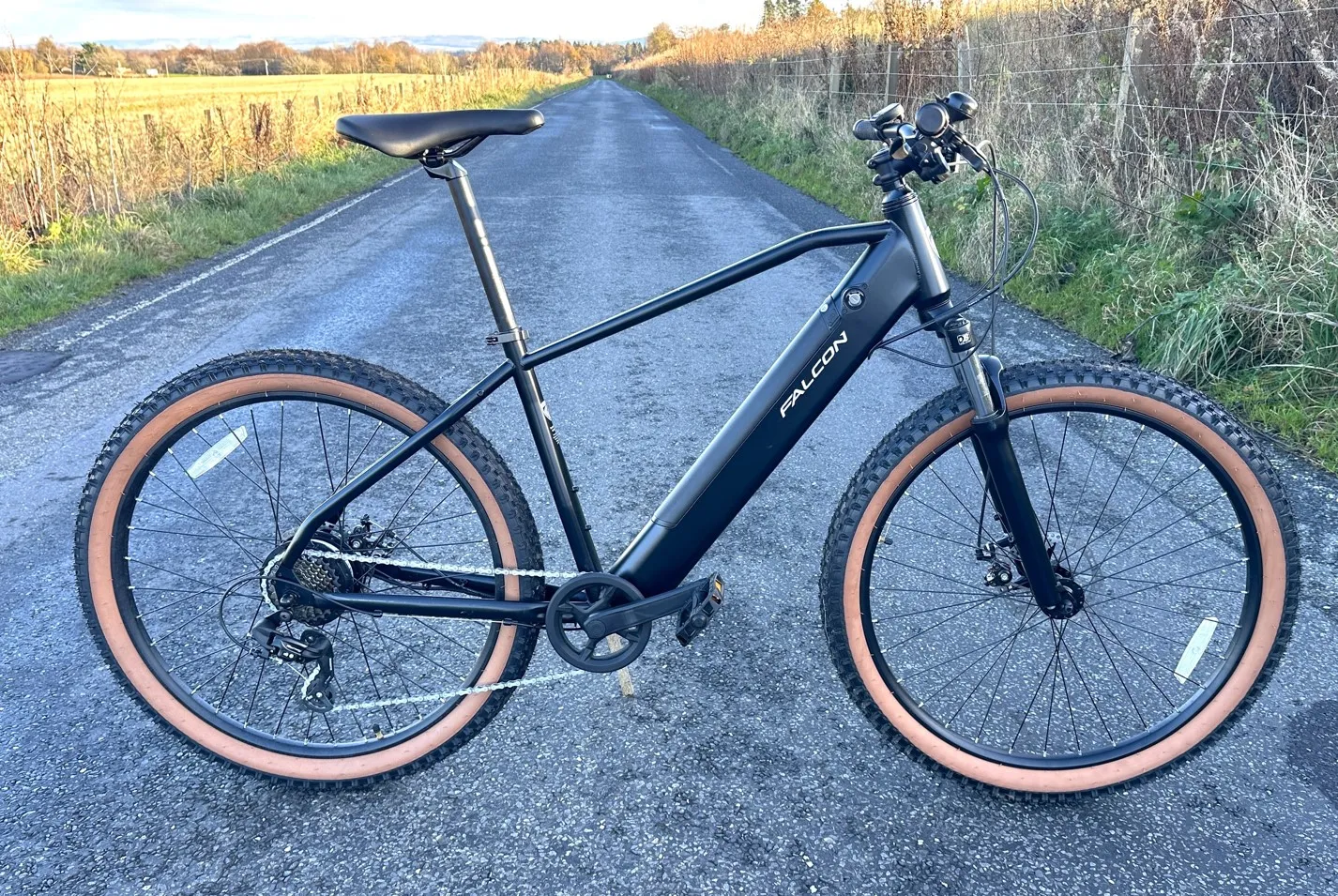
£999 | VIEW OFFER