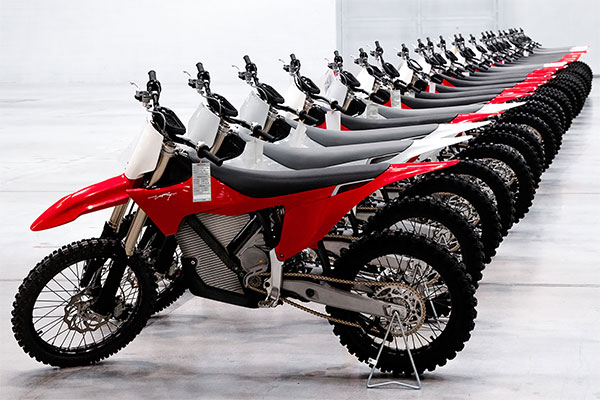
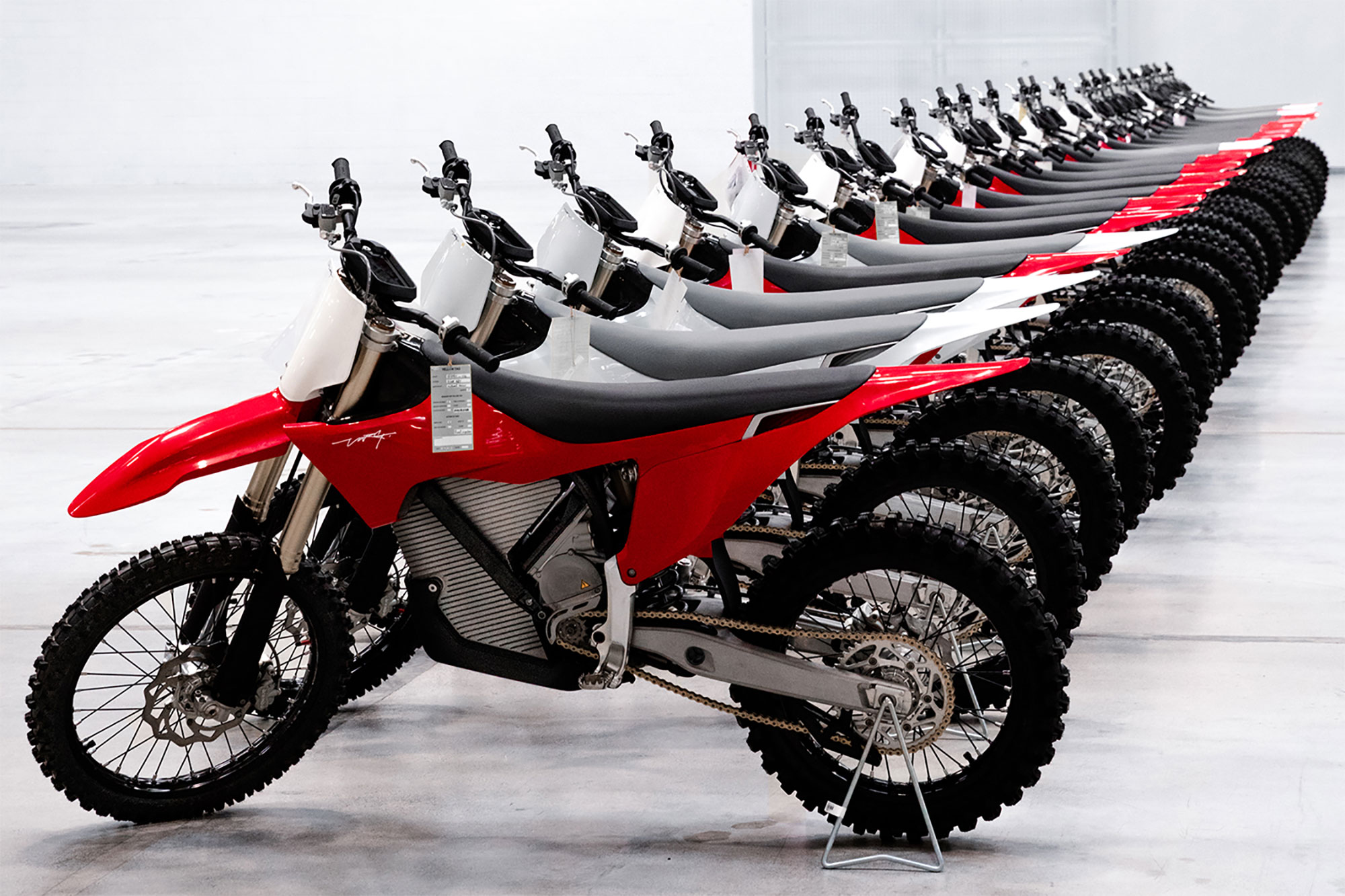
 Stark Future has posted its first profitable quarter, achieving €115 million (AU$195.5 million) in revenue in 2025, a 77% increase on the previous year.
Electric motorcycle brand Stark Future has marked a major milestone in its rapid rise, achieving its first profitable quarter just six years after inception and only two years after delivering its first motorcycles to customers.
The announcement underlines Stark’s position as the fastest-growing electric motorcycle brand globally, delivering a combination of innovation, performance, and financial success that few in the industry have matched.
In the second quarter of 2025, Stark reported €47 million in revenue and €4.5 million in EBITDA—more than double the previous year’s revenue—while overall 2025 sales growth reached an impressive 77 per cent year-on-year, pushing total revenue to €115 million (AU$195.5 million). The company claims to have been profitable in five out of the last nine months of 2025 alone. Stark’s quarter four performance was particularly strong, with 97 per cent growth, and the company estimates it accounted for over three per cent of all enduro motorcycle sales in under a year.
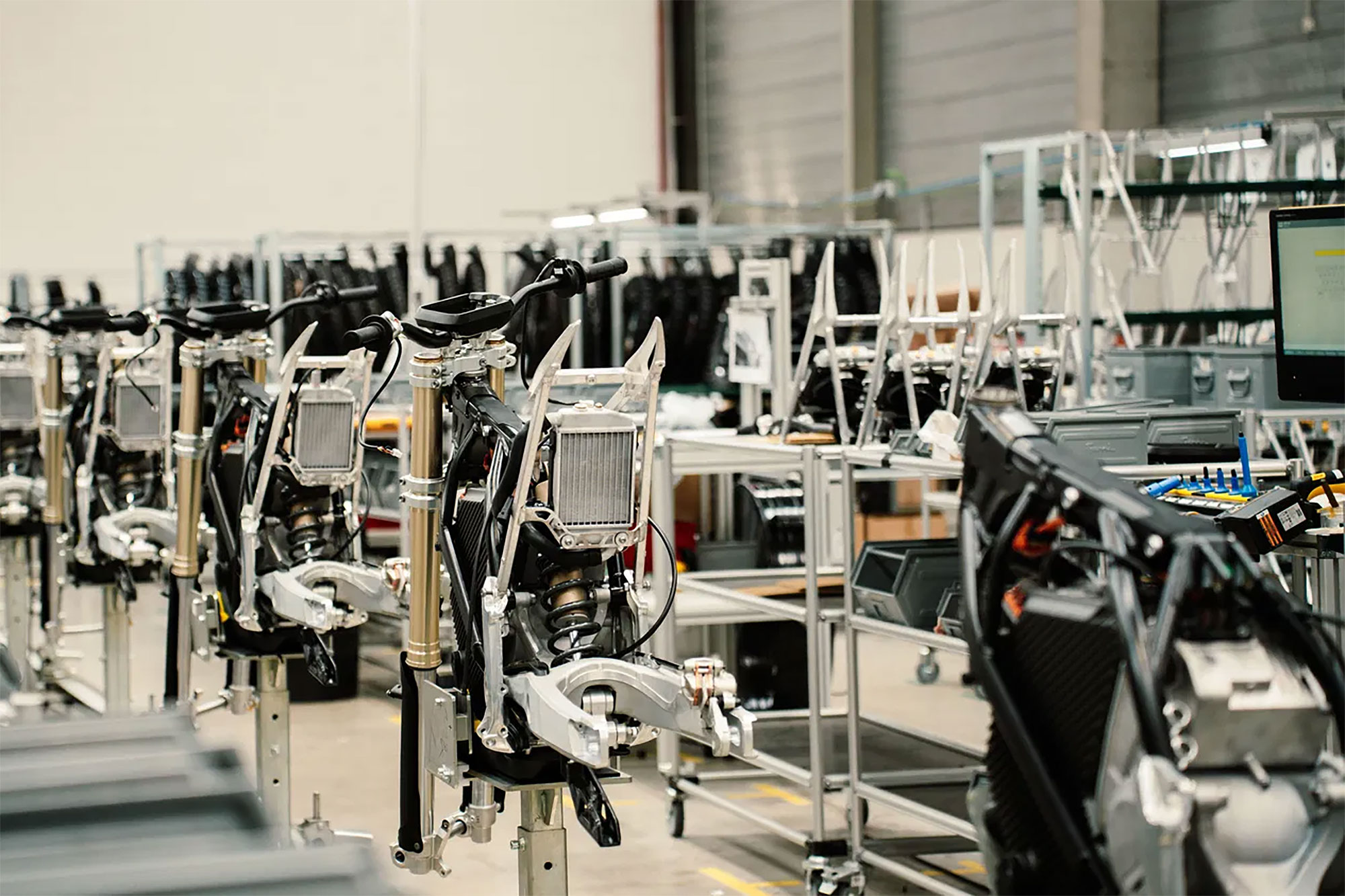
“Our main achievements in product development are well known, but this financial success is confirmation that our customers appreciate the hard work we put in every day behind the scenes,” said Anton Wass, CEO of Stark Future. “We’ve rapidly established a cost-competitive global value chain as well as built a large 20,000-square-meter factory for in-house battery and vehicle production.”
 The Stark VARG is driving global demand, attracting Motocross World Champions and cementing the brand as the benchmark for off-road electric performance.
Much of Stark’s growth in 2025 came from its existing dealer network, though rapid expansion into new regions—including Europe, North and South America, Asia, and Australia—helped the company achieve a record year. Deliveries of the revolutionary Stark VARG have accelerated in all markets, with former and current Motocross World Champions among those placing orders just this quarter, cementing the VARG as a benchmark in off-road performance.
“The Stark VARG is our proof of concept,” Wass added. “Tesla took 14 years to turn a profit. We did it in six, and we’re just getting started.” With this momentum, Stark Future is now targeting broader motorcycle segments, offering electric alternatives that directly compete with established combustion-engine brands. The company is also pioneering next-generation sustainable materials and enhancing production scaling to support its ambitious expansion plans.
In addition to the VARG, Stark’s current lineup includes the Varg EX, MX 1.2, and the road-legal SM supermoto, with further expansion into larger categories already underway. CEO Wass said, “This year proved a simple theory: when you offer the market electric bikes that are superior to combustion, riders switch. We grew fast, stayed disciplined, and showed consistent growth while building the supply chain to scale. Next, we take the same winning formula into bigger categories, while continuing our organic growth off-road.”
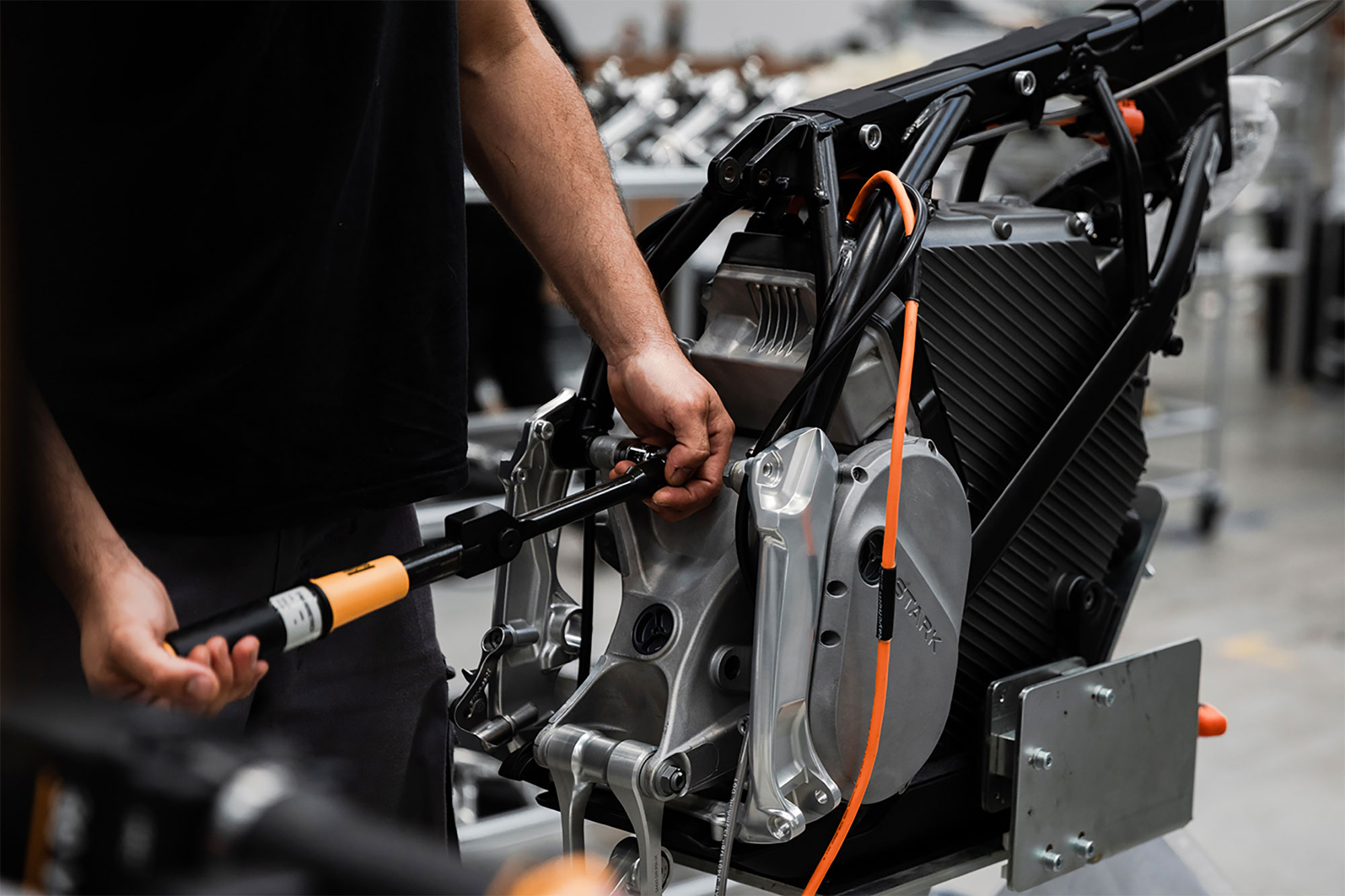 CEO Anton Wass says the company is now scaling into larger motorcycle segments, proving that innovation, speed, and profitability can go hand in hand
Financially, Stark closed a €15 million agreement with the European Investment Bank and raised €25 million in equity from an existing shareholder in December, bringing total equity investment in 2025 to €45 million.
Stark Future’s strong performance is not just about financial figures. The company has proven that high-performance electric motorcycles can coexist with profitability, sending a clear message to riders, investors, and the wider powersports industry. Plans are already underway for Stark to compete at the 2026 Red Bull Erzbergrodeo, following the approval for electric motorcycles to race under the same sporting and technical regulations as combustion-engine bikes.
“Stark Future embodies the relentless innovation and unwavering focus that defined the most successful technology companies in history, and, critically, we’re already profitable,” Wass said. “This isn’t just about building great electric motorcycles—it’s about building a sustainable, profitable business that can reshape both this industry and beyond.”