Chancellor Rachel Reeves is getting ready to cut VAT costs on public charging according to the latest reports from the Treasury.
The Daily Telegraphy has reported growing concern within the finance ministry over the impact of the new pay per mile tax that was announced in November’s budget, which car industry body the SMMT blamed for a slackening in EV demand in November’s new car figures despite the measure not being introduced until 2028.
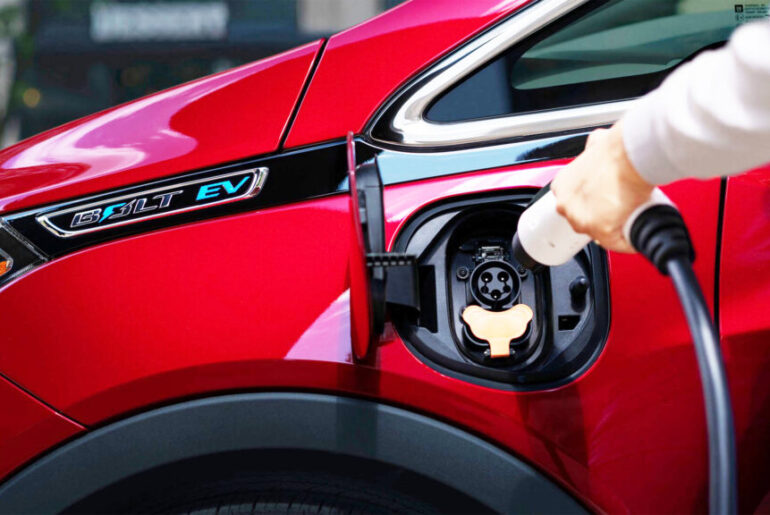
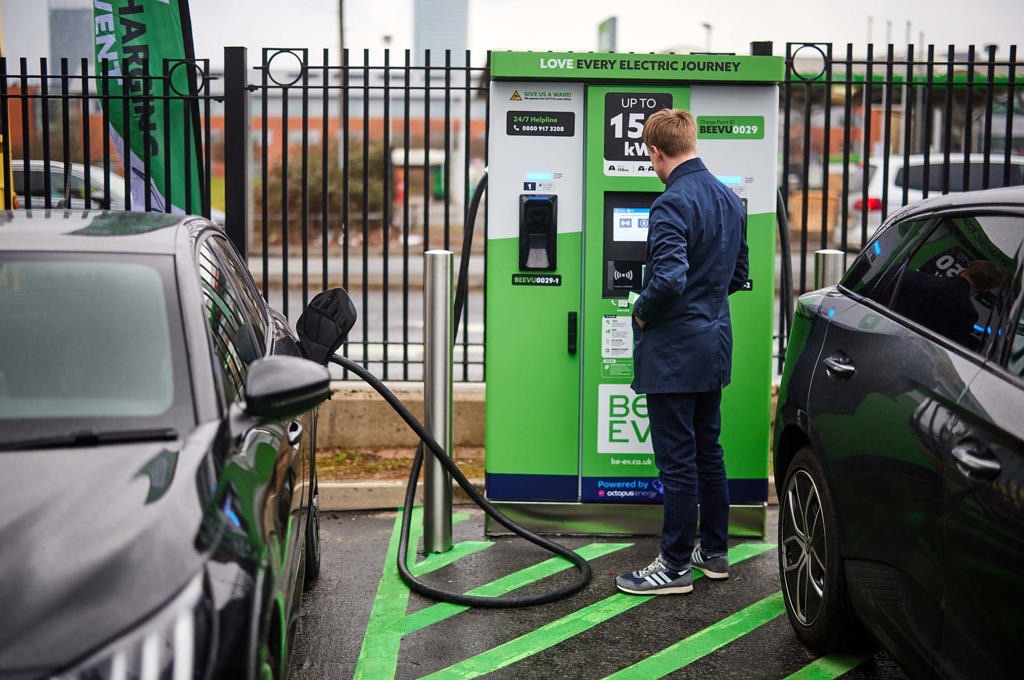
VAT charges on electricity from public charge points are made at the standard 20% rate, but home electricity is only taxed at 5%, increasing the gulf between electric car drivers with access to home charging and those without. EVs have long been touted as cheaper to run than petrol equivalents, but many EV drivers who rely on public charge points face higher running costs than the combustion equivalent.
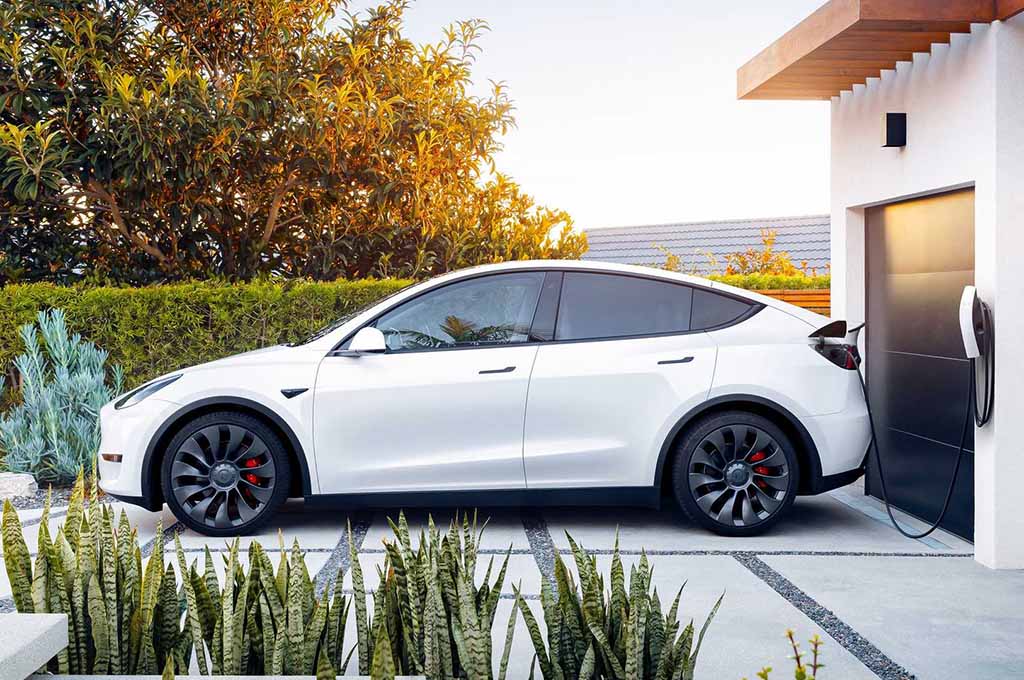
A government survey carried out during 2025 found that 90% of current EV drivers have access to off-street parking, with 76% of them actually having a wall box fitted at home. Across the UK, around 65% of drivers have access to off-street parking, outlining the scale of the challenge when it comes to widespread EV adoption.
The latest figures from charge point mapping service Zapmap show that slower AC chargers currently cost an average of 54p per kWh to charge, while DC rapid chargers are even more expensive at 77p per kWh. This compares with home electricity that is capped at around 26p per kWh, though EV drivers on off-peak tariffs could charge for as little as 8p per kWh.
Estimates from the Office of Budget Responsibility that went alongside the budget showed the pay per mile tax hitting EV demand to the tune of 440,000 cars, with the government’s extension of the electric car grant only clawing back 320,000 of those. Electrifying has heard from senior car industry insiders who say that the OBR’s figure was too conservative and that demand is being hit more than feared.
Ministers will be looking for easy ways to cut the cost of public charging in order both to boost the appeal of electric cars and also to be able to claim to have meaningfully cut cost of living expenses.
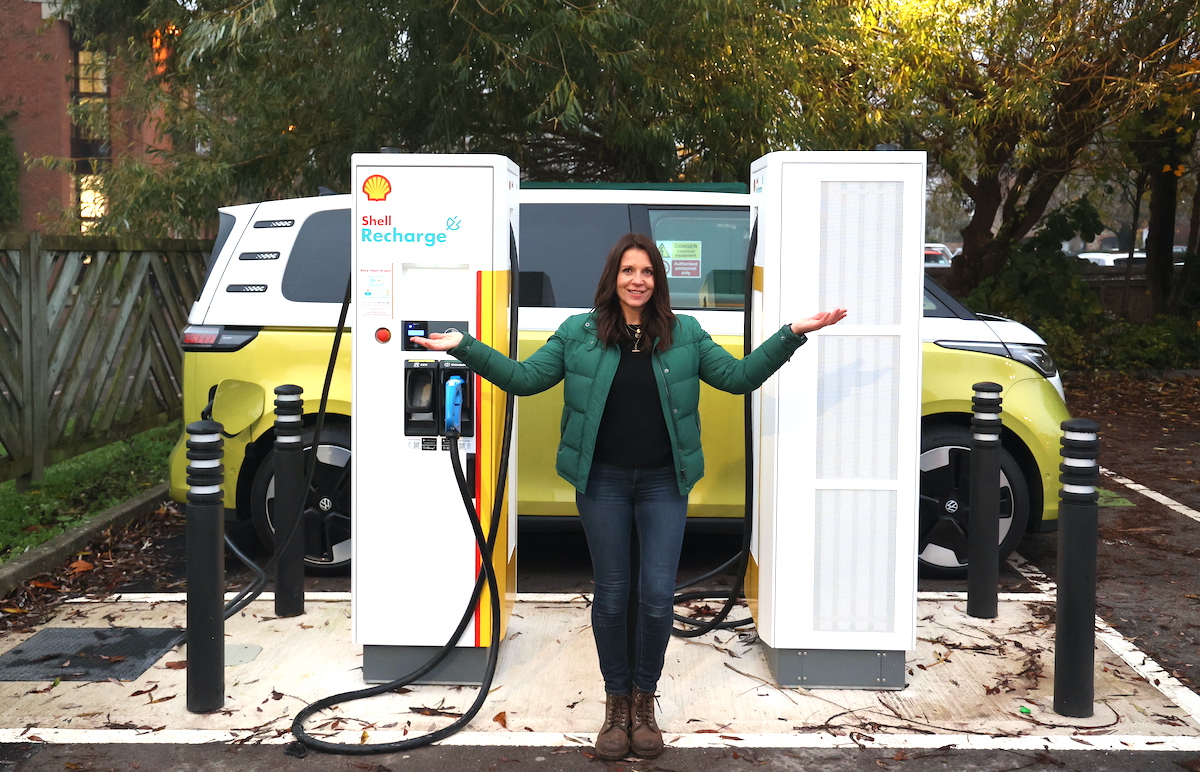
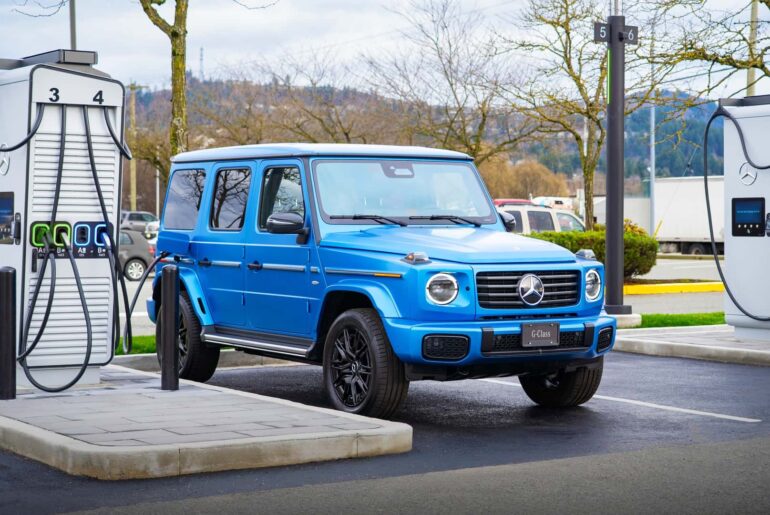
Another issue that has long been flagged by charge point operators is the high cost of standing charges at charging locations – like homeowners they have to pay fixed daily fees for their plugs, which have been increased in recent years to help fund further improvements to the national electricity grid. These charges can run up to tens of thousands of pounds a year at a charging hub site, which charge providers have said can account for up to half the charging fee.
Electrifying founder Ginny Buckley says that the government needs to act quickly and decisively: “Drivers are being encouraged to go electric, then hit with the threat of new taxes, and you can’t drive the EV transition with one foot on the accelerator and the other on the brake.
“Potential EV buyers who don’t have the luxury of off-street parking are already being put off making the switch – the government needs at a minimum to cut VAT on public charging to bring it in line with home charging, helping to level up the inequality even more.”
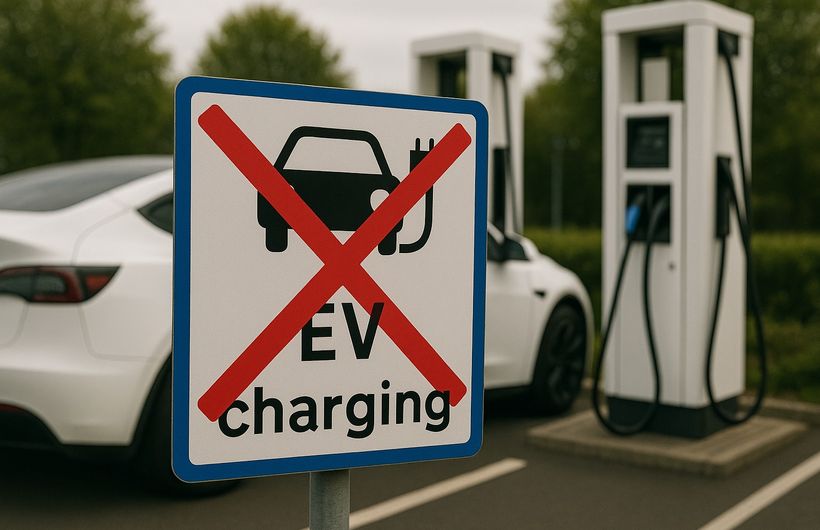 Ministers are looking for ways to cut the cost of public charging because potential EV drivers are being put off