Electric bikes are everywhere. They are zooming down sidewalks, weaving through traffic, and parked in front of schools. For a few years, it was the Wild West. You could buy a high-powered bike online, slap it together, and ride it without a license or a helmet. But the grace period is over.
As of 2026, regulators and insurance companies are closing the loopholes. The surge in battery fires and traumatic injuries has forced a shift in how these bikes are viewed. If you own an e-bike, or if your teenager rides one, you need to understand that the rules of the road are changing. Ignorance of local ordinances will not save you from a fine or a denied insurance claim.
The Battery Certification Crackdown
This is the most critical update for your safety and your wallet. While not every city has banned non-certified batteries yet, the trend is starting in major metros like New York City and spreading through private regulations. New York City Local Law 39, for example, prohibits the sale or lease of e-bikes that do not meet the UL 2849 safety standard.
Even if your town does not have a specific law on the books, your landlord might. Property management companies and condo associations are increasingly banning e-mobility devices that lack this certification due to fire risks. If you own a bike with a cheap, uncertified battery, you might find yourself banned from bringing it into your own apartment. Check your battery label for the UL stamp today.
Age Limits and Class 3 Enforcement
The days of seeing young children on high-speed electric bikes are coming to an end. Most states have adopted a three-class system for e-bikes, and enforcement is tightening around “Class 3” models. These bikes provide pedal assistance up to 28 mph and are often legally restricted to riders 16 and older.
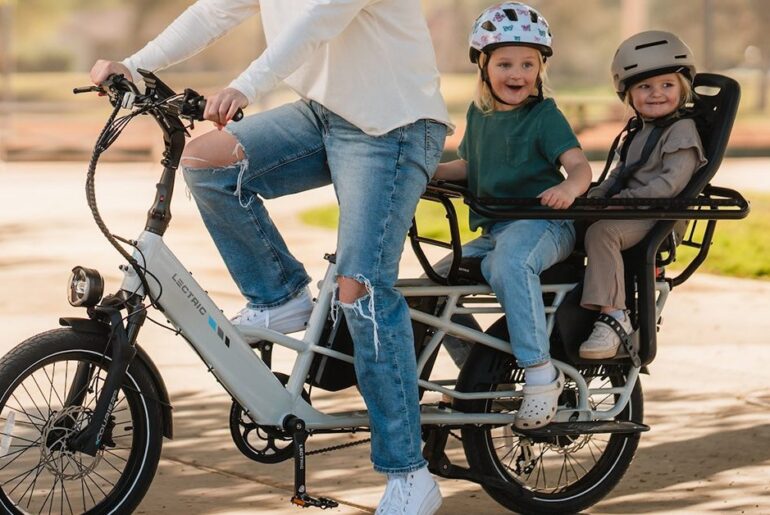
Police in various communities are becoming more vigilant about stopping underage riders on these faster models. If your child is riding a Class 3 bike to middle school, you could be facing parental responsibility fines. It is essential to check the specific classification of the bike you own and ensure the rider meets the age requirements for your specific state.
The Helmet Debate Is Heating Up
Helmet laws for e-bikes are not universal, but they are becoming stricter for specific groups. While some states still allow adults to ride Class 1 and 2 bikes without headgear, requirements for riders under 18 are widespread. Furthermore, many states require helmets for everyone riding a Class 3 bike, regardless of age.
The “helmet optional” culture is fading as injury data mounts. Insurance companies are also paying attention. If you are involved in an accident while riding without a helmet, you may face increased difficulty with liability claims, even if you were not legally required to wear one. Treat the bike like a vehicle and protect your head.
Sidewalk Riding Is a Local Liability
There is no federal ban on sidewalk riding, but local municipalities are dropping the hammer. City councils across the country are responding to pedestrian complaints by passing ordinances that ban e-bikes from sidewalks, especially in business districts. The speed differential between a walker and a 20 mph bike is simply too high.
You need to know the specific code for your city. In many places, you are now expected to ride in the bike lane or the street. If you are caught on the pavement in a restricted zone, you can be fined. This can be intimidating for new riders, but learning to navigate traffic safely is now part of the deal.
The “Unlockable” Speed Trap
Police and regulators are getting savvy about “unlockable” bikes. Some manufacturers sell bikes labeled as Class 2 (20 mph limit) but allow users to easily modify them via an app to exceed 28 mph. In the eyes of the law, a bike that exceeds class speed limits may be considered an unregistered moped or motorcycle.
This distinction matters. If you are caught riding a modified bike that technically functions as a motor vehicle, you could be cited for riding without a license, registration, or insurance. If you want to avoid having your bike impounded, keep it in its legal factory settings and stay within the speed limits of your class.
It Is Not Just a Toy Anymore
The golden age of unregulated riding is fading. E-bikes are incredible tools for commuting and fun, but they now come with adult responsibilities. We are moving toward a future where e-bikes are regulated more like vehicles and less like toys.
Review the local laws in your city this week. Check your battery certification. Make sure your kids are riding bikes appropriate for their age. Riding responsibly ensures that we all get to keep enjoying these machines without inviting even heavier government overreach.
Do You Know the Rules?
Have you noticed stricter enforcement or new signs regarding e-bikes in your neighborhood? Let us know what is happening in your town in the comments below.
What to Read Next…
The post New 2026 Laws on Electric Bike Safety You Might Be Breaking appeared first on Budget and the Bees.