January 11, 2026
By Karan Singh
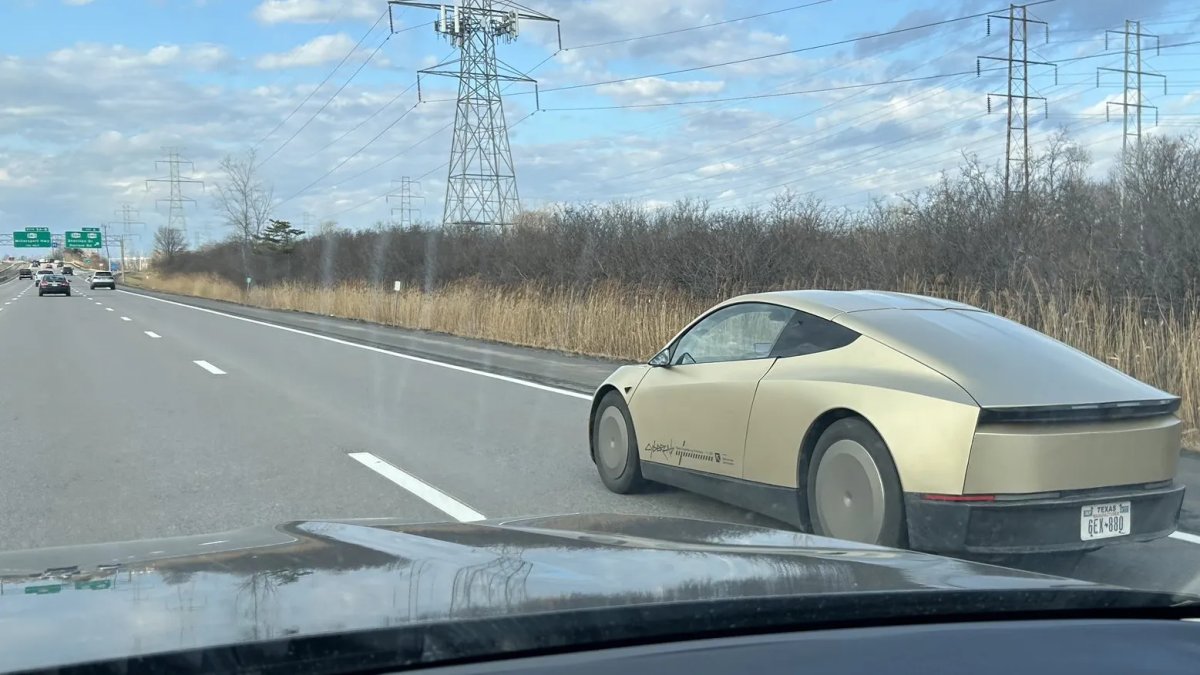
For the last few months, sightings of Tesla’s dedicated Robotaxi have been confined to the low-speed grid of downtown Austin and closed tracks at Giga Texas.
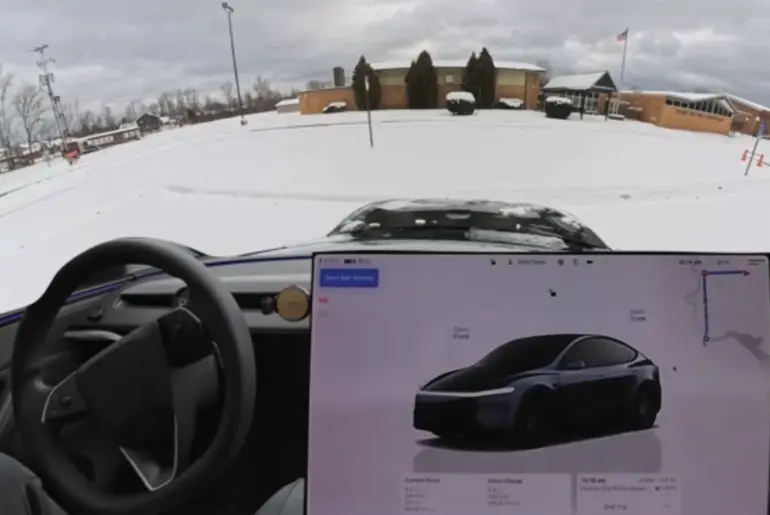
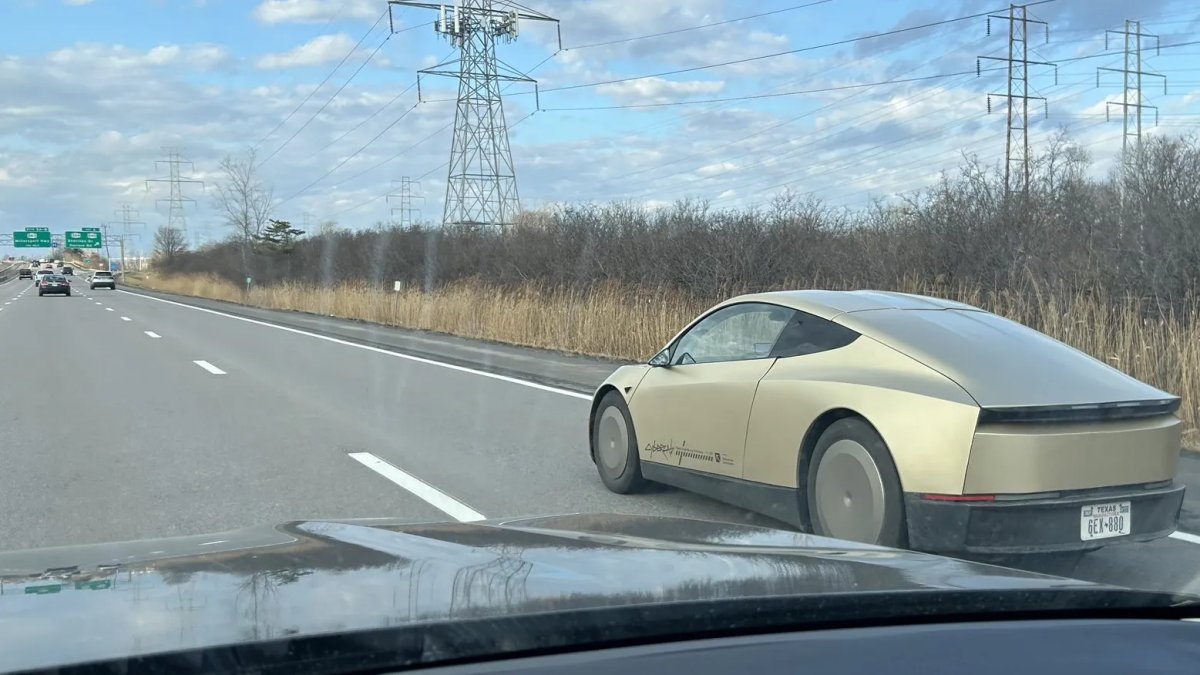
Tesla now appears to be expanding the testing program, as the Cybercab has now been spotted on the MoPac expressway in Austin and, more interestingly, in Buffalo, New York — 1,500 miles from Austin.
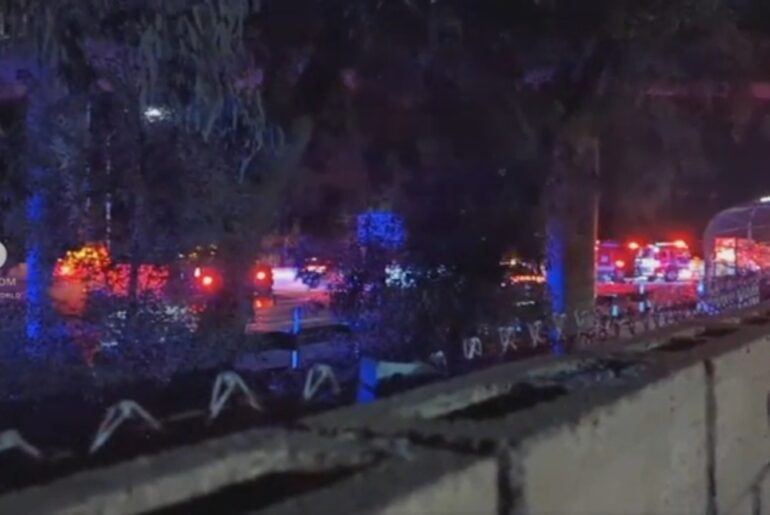
The Austin footage is beautiful, as it captures the Cybercab in slow motion on the highway. This was the first time we’ve seen the vehicle moving at high-speeds.
Yesterday, the Cybercab was seen near Buffalo, New York, where Tesla is likely conducting cold-weather testing.
Cybercab on the highway pic.twitter.com/97XD4jVc9a
— Adan Guajardo (@AdanGuajardo) January 7, 2026 Highway Testing
While city driving tests complex decision-making with pedestrians, unprotected left turns, and unpredictable human traffic, it also generally happens at much slower speeds. That means the cabin remains fairly quiet, and the vehicle isn’t impacted by vibration or wind.
However, highway speeds bring wind noise and road vibration to the fore. Engineers need to verify that the Cybercab’s cabin remains quiet and that there aren’t any unexpected resonances or aerodynamic instabilities at high speed.
Winter Testing
To view this video please enable JavaScript.
The sighting in Buffalo, New York (video by Ty Thomson), likely indicates that Tesla is testing the vehicle in cold conditions. Potentially testing vehicle components, charging, efficiency at colder temps, and more. While temperatures in the Northeast have been warming over the past week, they are still in the mid-30s, allowing Tesla to test the vehicle’s performance in less-than-ideal conditions. Buffalo could see some snow in the next few days, so it’ll be interesting to see if Tesla sticks around to test the vehicle in the snow.
Steering Wheel & Charging
While these latest sightings give us our clearest shot of the Cybercab’s steering wheel, we’re still not sure how Tesla is charging these vehicles.
The steering wheel in the Cybercab seems to be pulled from the Cybertruck. The Cybercab likely has the same steer-by-wire functionality as the Cybertruck.
While the Cybercab is expected to use wireless charging, Tesla may also have a temporary charging port for these vehicles, especially if the vehicle is traveling cross-country, where there isn’t a wireless charging infrastructure.
The Cybercab also features side mirrors, as expected. Current Federal Motor Vehicle Safety Standards (FMVSS) require human controls for test vehicles unless a specific exemption is granted.
Until that legislation changes – potentially as soon as the upcoming hearing next week – Tesla must run its validation and testing fleets with human controls and safety drivers to remain street-legal.
Ramping Up for 2026
This highway and winter sighting line right up with the aggressive timeline that Tesla has emphasized – with production later this year, and Cybercabs on the road by the end of 2026.
The frequency of sightings in Austin has accelerated rapidly – from rare appearances near Giga Texas to tandem drives downtown, and now, high-speed highway test runs at night. This suggests that Tesla is moving quickly from early alpha testing to a more robust validation phase. Tesla says production of the Cybercab will start in April, just a few short months away.
It’s just a matter of time before we begin to see more Cybercabs testing in diverse regions.
Subscribe to our newsletter to stay up to date on the latest Tesla news, upcoming features and software updates.
January 10, 2026
By Karan Singh
According to new regulatory filings, Tesla has submitted an application to launch its in-house insurance program in Tennessee, with a proposed effective date of March 1, 2026. This comes hot on the heels of Tesla’s first expansion in 3 years: Florida.
This move tells us that Tesla is now focused on expanding the program again. After that three-year pause, we’ve already got two new markets announced, which likely means that customers in the US can look forward to further and faster expansions throughout 2026.
FSD Discounts Included
The Tennessee filing confirms that the new Insurance program will feature Tesla’s FSD discount structure from day one, similar to its offering in other states. This model directly incentivizes FSD use by lowering premiums based on your FSD usage.
With Tesla underwriting its own insurance program, it can take active steps to create better offerings to its customers, just like this one. Under this system, the monthly premium is calculated against your miles driven on FSD and your Safety Score.
Drivers can typically earn a discount of up to 10% on certain portions of their coverage if they drive more than 50% of their miles on FSD.
The Expansion Roadmap
If approved for the March 1st launch, Tennessee will join the list of 13 other states where Tesla Insurance is currently available:
Tesla’s previous round of filings included Arizona, Florida, Georgia, Illinois, and Tennessee. With 3 of the previous round already complete, it suggests that Tesla is looking to continue its rapid expansion throughout 2026, with Georgia and New Jersey potentially being next on the list.
January 9, 2026
By Karan Singh
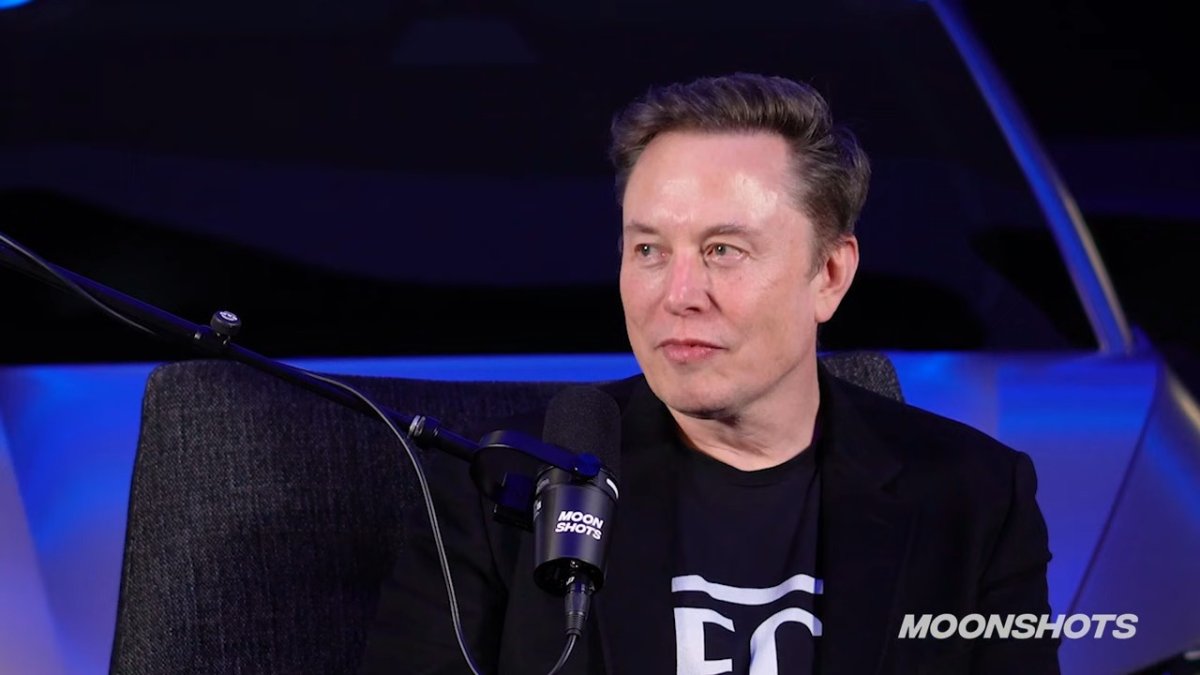
In a wide-ranging conversation with Peter Diamandis released this week, Elon Musk dropped major updates on the future of Tesla, including an expansion plan for Giga Texas, new details on the Roadster’s next-gen capabilities, and a timeline update for the Cybercab.
The interview, which was released this week, was recorded in late December and focused heavily on the convergence of robotics, energy, and AI. While the discussion covered everything from space travel to universal income, there are three key things for us to dig into.
The Optimus Factory
Perhaps the most significant news was the reveal of a massive new facility that will be taking shape at Giga Texas – dedicated entirely to Optimus, Tesla’s humanoid robot.
Elon confirmed that Giga Texas will be the future home of 8 million square feet of production dedicated to Optimus alone. For context, the existing vehicle factory at Giga Texas – already one of the largest buildings on Earth – covers roughly 11.5 million square feet. This addition will effectively double the site’s manufacturing footprint and help to shift Tesla towards its next phase of growth in robotics.
Elon also described a recursive future for this facility, in which Optimus robots will eventually be tasked with building more Optimus robots, creating an exponential growth in production capacity. Once again, Elon believes the market for humanoid robots will eventually reach the billions of units.
The Roadster
While we were promised a Roadster reveal last year, as usual, when it comes to Tesla’s moonshots and halo ideas, the timeline slipped. This time, Elon offered up some more interesting tidbits about the Roadster’s futuristic capabilities.
When pressed on the SpaceX package, Elon confirmed that the vehicle will feature hover-time capability using the cold-gas thrusters, though he declined to provide details on the duration. Hovering is a fine art, and hovering for anything more than a second will require storing significant amounts of cold gas.
He also framed Tesla’s design philosophy around the Roadster in some stark terms, stating that the Roadster will be Tesla’s car to end all cars. It’ll be a love letter to the thrill and experience of driving your own supercar.
Elon Musk in new interview on the upcoming next-generation @Tesla Roadster:
“It will be a cool demo. If safety is your #1 goal, don’t buy the Roadster. We’ll aspire not to kill anyone in this car. It’ll be the best of the last of the human driven cars.” pic.twitter.com/vhXbL9ucqL
— Sawyer Merritt (@SawyerMerritt) January 6, 2026 The Cybercab
On the autonomy front, Elon also doubled down on the aggressive timelines for the Cybercab. He predicted that by the end of next year (likely meaning late 2026), Cybercabs would be driving autonomously in public, creating a world that seems closer to the Jetsons. Congress is set to vote on allowing manufacturers to increase the number of vehicles they have in production without traditional controls, which could play a major role in Tesla’s rollout of the Cybercab.
He also highlighted another asset that will become available to Tesla with these future vehicles, which he’s previously mentioned at other earnings calls. Millions of Tesla vehicles are essentially powerful AI computers on wheels, meaning that those vehicles could become part of Tesla’s global AI infrastructure when they’re not on the move.
Cortex 2
Of course, Tesla is also still expanding its stationary compute. That means the next-generation Cortex 2 training cluster will pull 500MW and be operational sometime in the middle of this year, leapfrogging Tesla’s current compute capabilities.
Watch the Full Interview
The full interview is available below on the Moonshots podcast. It’s a long, but entertaining watch.