The Best Electric Bikes
Full results from testing 19 top products are in our Product Comparison Table and Analysis & Test Results sections.
Best Overall Electric Bike
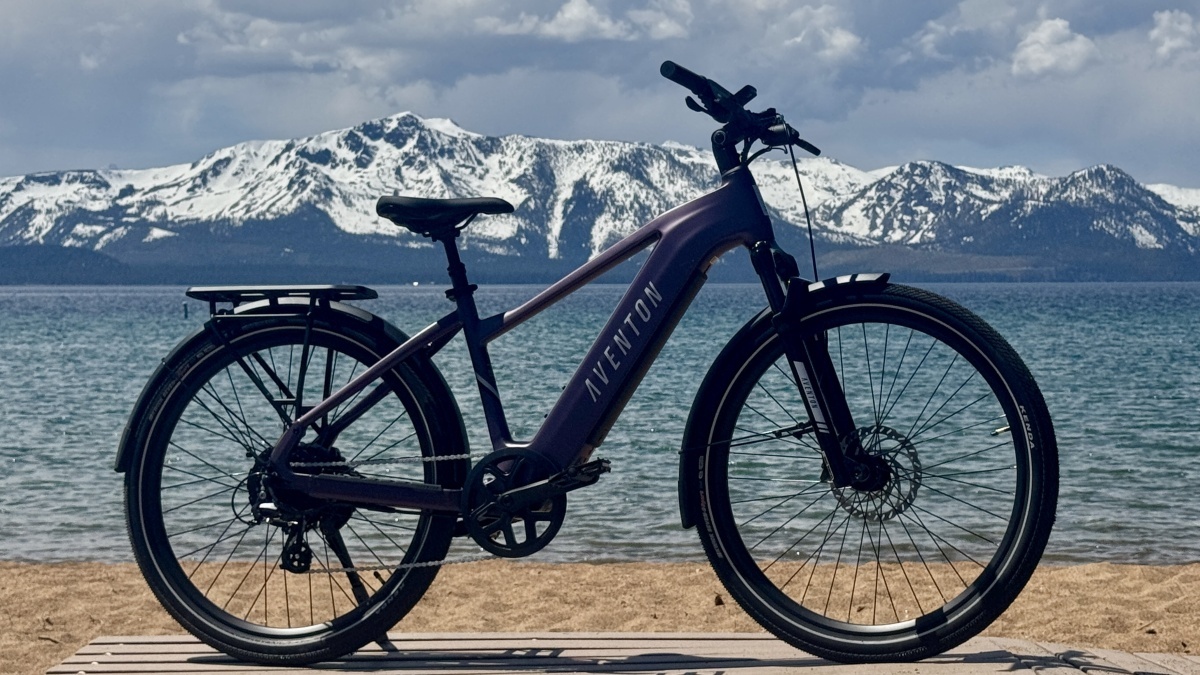
Aventon Level 3
PROS
Substantial range
Impressive software
CONS
Charge port location
No motor cut-off in the brake system
The Aventon Level 3 is a near-perfect electric commuter bike with a host of features that make it ideal for jaunts around town. Commuter bikes sometimes sacrifice their sportiness for utility, but the Level remains capable and fun to ride. The bike includes a rack, integrated lights with turn signals, fenders, and a built-in electronic lock. While less powerful than some of the other commuters we’ve tested, it’s light enough to fit on a bike rack and still has a real-world range of over 38 miles (without pedaling!) The bike’s hybrid-style design provides the rider with an upright position and excellent visibility for navigating urban landscapes. Aventon dialed this bike in for commuting, and the high-tech ACU (Aventon Control Unit) puts technology to work for you. The ACU uses 4G (wireless mobile network technology) and GPS to locate, navigate, and even geo-fence the bike through the app. You can lock the bike’s rear wheel or track the bike’s location using the Aventon smartphone app. The bike feels agile and sporty, making commuting a joy.
SPECIFICATIONS
Wheel / Tire size 27.5 x 2.2″ Battery Size 720 Wh Measured Distance Range 38.1 miles Weight Limit 300 lbs Average Hill Climbing Speed 14.5 mph Measured Power 859 Watts If it’s time to Level up your commute, this bike’s merits earned it top marks in our testing. Aventon offers the Level in two sizes and two different frame styles (step-over or step-through) to fit riders between 5’3″ and 6’4″. As a consumer-direct brand, they’re primarily sold online and priced competitively. Avoid if you place a high-value on test rides before making a purchase.
Read more: Aventon Level 3 review
The Level 3 is an incredibly well-designed and well-executed commuter bike that we found impressive on so many… levels. Credit: Joshua Hutchens
Best Heavy-Duty Electric Bike
Segway Xafari
PROS
Incredible power and range
Excellent software integration
CONS
Limited cockpit adjustability
Very heavy
The Segway Xafari is an awesome machine with more impressive features than any other bike we’ve tested. With its front and rear suspension and wide, knobby tires, the bike appeals to those seeking comfort and capability. A massive downtube-mounted battery is perfect for exceptionally long rides or extended intervals between charges. This bike is ideal for pleasure riding or exploring off the beaten path, but with the included rack, fenders, and lights, it also makes a practical urban commuter. With abundant power, full-suspension comfort, and more range than any other bike we’ve tested, this bike is seriously impressive, but… It’s 94 pounds. While the bike crushes our testing metrics, it might be too heavy for the average rider. Check back soon to read our review of the new, lighter-weight Segway Myon.
SPECIFICATIONS
Wheel / Tire size 26 x 3″ Battery Size 936 Wh Measured Distance Range 38.2 miles Weight Limit 352 lbs Average Hill Climbing Speed 18.5 mph Measured Power 1,300 Watts The bike features an intuitive scroll wheel for easy software navigation. Through the Segway app, riders can monitor the bike’s location and send directions directly to the onboard display. One limitation is sizing—the bike comes in only one frame size with minimal adjustability, making it suitable for riders between 5’1″ and 6’2″. Those outside this range should explore bikes with multiple size options. On the plus side, Segway’s dealer network allows you to test ride before purchasing and eliminates assembly concerns.
Read more: Segway Xafari review
The Xafari is the most powerful, capable, and comfortable ebike we’ve tested.
Best Value Folding Electric Bike
Lectric XP4 750
PROS
Outstanding versatility
Quality part spec
CONS
Fragile Headlight
Too powerful for some users
The Lectric XP4 750 is ideal for riders needing a powerful, compact, electric bike that fits in tight spaces like car trunks, office corners, or small apartments (and also fits in a small budget). A highly adjustable cockpit can accommodate riders from 4’10” to 6’3″, and there’s ample room for accessories. With a cargo rack, fenders, lights with turn signals, ergonomic grips, and an optional passenger seat, the bike has incredible utility. Need to pick a kid up from school or run a friend down to the cafe, the XP4 has you covered. The bike arrives assembled, and you can be riding it 15 minutes after opening the box. You can adjust its ebike class and choose from five different power modes to reach speeds up to 28 mph. While 20″ wheels aren’t renowned for the comfort they provide, Lectric’s custom 3″ tires and suspension fork take the edge off the bumps and give you a quiet, dampened ride.
SPECIFICATIONS
Wheel / Tire size 20 x 3″ Battery Size 840 Wh Measured Distance Range 36.7 miles Weight Limit 330 lbs Average Hill Climbing Speed 18 mph Measured Power 1,263 Watts The XP4 is an incredible value and offers more utility than any other folding bike we’ve come across. While the new 3″ tires increase the bike’s range and comfort, they don’t offer much traction off the pavement. Available with a 750 or 500-watt motor, the former is more powerful than most people likely need. If you don’t need the massive power and range, the XP4 500 is likely a better fit for most people, and it’s an absolute bargain. Avoid if you’re looking for an off-road adventure bike.
Read more: Lectric XP4 750 review
An excellent value that fits small spaces and small budgets.
Best Folding Electric Bike for RV travelers
Blix Vika X
PROS
Refined ride feel
Electronic shifting
CONS
No suspension
More expensive
The Blix Vika X delivers the best convenience-to-performance ratio among folding e-bikes we’ve tested. At under 56 pounds, it remains practical to handle while excelling at urban errands. RV owners and those seeking to avoid bike racks will find it particularly appealing, though its space-saving benefits extend to anyone with limited storage. The bike collapses to a compact 35″ x 20″ x 26″. It accommodates riders from 4’10” to 6’2″, though taller individuals may notice the shorter wheelbase. The Vika X rides surprisingly like a traditional bike despite its folding mechanism. Premium features include hydraulic brakes, electronic shifting, and a high-quality display. Integrated lights and fenders handle low-light and wet conditions, while commuters benefit from turn signals, a horn, and a cargo rack supporting up to 60 pounds. Its substantial battery delivered nearly 25 miles of throttle-only range in our testing. Blix ships the bike nearly complete—we had it road-ready in just 13 minutes.
SPECIFICATIONS
Wheel / Tire size 20 x 2.4″ Battery Size 614 Wh Measured Distance Range 24.7 miles Weight Limit 312 lbs Average Hill Climbing Speed 17.6 mph Measured Power 1,007 Watts While this is a fantastic folding bike, it uses smaller 20″ wheels, so if you don’t need the folding feature, larger wheels will provide a smoother ride. Of all the folding bikes we’ve reviewed, this one is the easiest to fold and transport and the most pleasant to ride. Avoid if you’re a budget-conscious buyer, there are many bikes with similar performance for a lower price; but you won’t get the refined feel or convenience features the Blix offers.
Read more: Blix Vika X review
Unfolding the Vika takes less than 30 seconds. Credit: Joshua Hutchens
Best Fat Tire E-Bike
Aventon Aventure.3
PROS
Go anywhere capability
Aventon Control Unit and App
CONS
Tires are loud on pavement
Won’t fit most bike racks
The Aventon Aventure.3 channels monster truck energy into bicycle form. Mounting this bike instills immediate confidence and capability. For off-road exploration without sacrificing comfort, the Aventure stands ready. Its oversized tires and front suspension tackle virtually any terrain—rough pavement, steep climbs, and loose surfaces alike. Standard equipment includes fenders, lights, a rear rack, and turn signals. While potentially excessive for urban environments, the bike’s robust power justifies its substantial footprint. The new ACU (Aventon Control Unit) provides electronic locking and GPS tracking via smartphone app. A high-resolution display delivers comprehensive ride data and seamless switching between ride modes and e-bike classes. Our testing yielded over 28 miles of throttle-only range on a single charge.
SPECIFICATIONS
Wheel / Tire size 26 x 4″ Battery Size 720 Wh Measured Distance Range 28.3 miles Weight Limit 400 lbs Average Hill Climbing Speed 16.9 mph Measured Power 1,130 Watts For strictly paved riding, this bike’s appeal may diminish quickly. While tire swaps are possible, efficiency gains remain minimal. The Aventure conquers diverse terrain and draws attention wherever it goes, but its 79-pound weight complicates transport and storage. Those prioritizing all-terrain capability and versatility will find strong value here. The bike comes in two frame styles (step-over or step-through) and two sizes, fitting riders with inseams from 26″ to 35″.
Read more: Aventon Aventure.3 review
A confident all-terrain companion, the Aventure.3 lets you explore in comfort. Credit: Joshua Hutchens
Best Compact Commuter E-Bike
Lectric ONE
PROS
Impressive technology
Quality display
CONS
Rough ride on imperfect surfaces
Somewhat expensive
The Lectric ONE represents a fundamental departure from conventional commuter bikes. Its internal gearbox and Gates belt drive shield critical drivetrain components from weather and debris while distributing weight evenly between wheels for balanced handling. Where other e-bikes feel oversized and unwieldy, the ONE delivers genuine convenience. This compact design streamlines parking, storage, and transport without compromising functionality. Despite its diminutive size, a powerful hub motor provides ample torque for climbing hills and carrying cargo. The bike performs best on smooth surfaces—its commuter-oriented tires handle vibration-damping duties in the absence of suspension. Consequently, the ONE proves less comfortable on extended rides or rough pavement. Hydraulic brakes and electronic shifting elevate the riding experience with premium responsiveness. Lectric’s achievement lies in packaging sophisticated technology at an accessible price point. The bike arrives fully equipped for all-weather commuting, including a pannier-compatible rear rack.
SPECIFICATIONS
Wheel / Tire size 20 x 2.5″ Battery Size 672 Wh Measured Distance Range 27.2 miles Weight Limit 330 lbs Average Hill Climbing Speed 18 mph Measured Power 1,090 Watts The short wheelbase and upright position make the bike agile and sporty, but also less stable at higher speeds. While the ONE costs more than some of the bikes in this review, it offers better performance and requires less maintenance than a bike with a standard drivetrain. There is a fair amount of adjustability in the cockpit to dial in your fit, but the bike only comes in one size. Lectric recommends it for riders between 5’2″ and 6’4″, but if you’re near the taller end of this range, you may find its compact size less than ideal. If a high-tech commuter bike with a small footprint sounds good to you, the ONE is likely to impress.
Read more: Lectric ONE review
There’s much to love about the compact and well-designed ONE. Credit: Natalie Kafader
Most Versatile E-bike for the Money
Ride1Up Vorsa ST
PROS
Very powerful and fast
Exceptionally versatile
CONS
Less refined ride quality
Low-tech display
The Ride1Up Vorsa is the brand’s do-it-all e-bike. A powerful motor, exceptional ergonomics, and an attractive price tag are its biggest highlights. With larger 27.5″ wheels, trail-ready tires, and an adjustable coil-sprung suspension fork, the Vorsa is up for almost any ride. The large, UL-certified battery provided the bike with an impressive range that will all but eliminate range anxiety. If you’ve been overwhelmed with the styles and types of e-bikes offered and want a bike that can do it all, the Vorsa might be your cup of tea. Using the bike’s display, you can switch between the torque and cadence sensor, adjust each power setting, and access off-road mode, enabling speeds up to 37 mph (on private property, of course). The display also integrates with Apple FindMy and offers USB-C charging. The overall package is compelling, and there aren’t many bikes with this much versatility at this price point. The Vorsa is available in two frame styles and features a modular rack with Connect+ compatibility, allowing you to quickly swap compatible accessories and even carry a passenger. The 750-watt hub motor generated more than 1200 watts in our dyno test and provided exceptional hill-climbing torque. Lights and fenders come standard, making the Vorsa suitable for use in rainy or dark conditions.
SPECIFICATIONS
Wheel / Tire size 27.5 x 2.6″ Battery Size 720 Wh Measured Distance Range 34.3 miles Weight Limit 440 lbs Average Hill Climbing Speed 17.2 mph Measured Power 1,200 Watts While the Vorsa is powerful and capable, it doesn’t exhibit the same stability and poise as other wide-tire Class 3 bikes. At just over 70 pounds, the Vorsa isn’t the easiest bike to transport on a bike rack. Ride1Up ships the Vorsa in a smaller-than-normal box, meaning our test bike had a more complex assembly process than most. If your priorities in an electric bike are power, range, versatility, and speed, the Vorsa is a winner.
Read more: Ride1Up Vorse review
We liked this bike enough that we tested two of them.
Best E-Bike for Seniors
Rad Power Radster Trail
PROS
Stable and balanced
User-friendly
CONS
Slightly higher step-over height
Difficult to lift
The Rad Power Radster Trail is an incredibly stable and easy-to-ride e-bike. An upright seated position, suspension fork, and high-volume tires give this bike a competent and confident feel for riders who want to conquer a wide array of terrain. The ergonomic cockpit gives the bike a user-friendly and unassuming disposition that our testers loved to ride. While Rad uses a powerful 750W motor, the bike’s acceleration is gentle and predictable, even in its most powerful setting. The Radster is perfectly suited for mellow riders who want a capable bike that prioritizes safety and stability. An intuitive display and operating system allow you to easily switch between classes or adjust settings. The large UL-listed Safe Shield battery gives the bike an impressive range without adding too much weight. We’ve recommended this bike to countless friends who are nervous about e-bikes; its user-friendliness makes it the goldendoodle of e-bikes. If you’re shopping for a first e-bike or want a bike with a more refined ride quality, the Radster might be the ideal choice.
SPECIFICATIONS
Wheel / Tire size 27.5 x 3″ Battery Size 720 Wh Measured Distance Range 33.1 miles Weight Limit 370 lbs Average Hill Climbing Speed 14 mph Measured Power 890 Watts You can unlock the bike with the tap of an included key card and track its location with Apple FindMy. The frame design gives the bike excellent ride quality, but its 21″ step-over height may be higher than some prefer. The bike is also fairly heavy, and while you can easily remove the battery for transport, it remains a large and heavy bike that is best suited for excursions from home.
Read more: Radster Trail review
On the road or the trail, the Radster is downright pleasant to ride. Credit: Joshua Hutchens
Most Utilitarian Electric Bike
Rad Power RadRunner Max
PROS
Smooth and stable
Radar visibility
CONS
Only one size
Integrated rack makes it hard to transport
The RadRunner Max is an absolute delight to ride. The frame features a low step-through height and a neutral riding position that inspires confidence, even for those new to riding electric ebikes. The wider 3.5″ tires and 80mm suspension fork give the bike an outstanding ride quality, even over rougher surfaces. The cockpit features upright (BMX-style) handlebars, providing a commanding view that is perfect for taking in the scenery or staying aware of your surroundings. The unconventional frame shape provides the bike with sufficient stability to carry a passenger or haul large loads of cargo, making it exceptionally versatile. While past iterations of the RadRunner have felt quirky and less refined, the new bike is right on the money. With an expanded carrying capacity, 28mph top speed, and tracking through Apple Find My, the bike feels more useful than ever. A totally revamped display is clear and intuitive while alerting you to traffic from behind courtesy of the bike’s radar. Yes, you read that right, the traffic radar detects cars or cyclists up to 100 meters away and shows you how fast they’re approaching. You can lock the bike with a passcode or tap a clever key-card on the screen to unlock it. Rad offers a wide range of accessories for this model, including a locking console box, a range extender, and seats suitable for passengers (up to 120 lbs).
SPECIFICATIONS
Wheel / Tire size 20 x 3.5″ Battery Size 672 Wh Measured Distance Range 24.6 miles Weight Limit 420 lbs Average Hill Climbing Speed 17.7 mph Measured Power 996 Watts We found this bike to be incredibly user-friendly and ideal for someone’s first e-bike, but it only comes in one size and one color. Designed for riders between 4’11” and 6’2″ tall, those near the edge of these parameters should carefully check the measurements. It’s hard to imagine someone being unhappy with this bike, but it’s not for everyone. While it has a rack capable of carrying 120 pounds, it’s not a dedicated cargo bike, so that weight sits high on the frame, making it less stable when loaded to capacity. If your ebike ambitions involve regularly hauling large loads or a passenger, consider the Aventon Abound SR and Specialized Globe Haul ST, which have similarly short wheelbases but offer more stability when fully laden.
Read more: Rad Power RadRunner Max review
A delightful, user-friendly little bike with impressive technology and excellent ride quality. Credit: GearLab Team
Best Moped-Style Electric bike
Segway Xyber
PROS
Sporty and capable
Powerful with incredible range
CONS
Too heavy to easily transport
Pushes the limits of bikes and legality
The Segway Xyber makes other electric bikes feel like toys. With massive power, range, and speed, this “electric bike” far outperforms its competitors. With the looks of a futuristic motorcycle and the utility of a moped, the Xyber has the potential to change how you run errands and get around town. While the Xyber sports cranks and pedals, they’re more ornamental than functional; a full-grip throttle quickly pushes the bike to speeds up to 35 mph. The bike includes a 1440Wh battery, but you can add a second battery to extend its range and increase its performance and acceleration. With just one battery, the bike is faster, more powerful, and has a longer range than any other bike we’ve tested. To say it was impressive puts it mildly. Is it really a bike? That’s a matter of debate, but Segway checked the legal boxes that allow you to ride the Xyber on most bike paths and in bike lanes. The seated position lends itself to excellent visibility and good posture. The long, wide saddle is quite comfortable, but you can’t adjust its height, so actually pedaling the 139-pound bike isn’t realistic for long. Super-bright lights, a horn, GPS tracking, and Bluetooth locking give the bike all the utility it needs for city riding. Using the bike’s display, you can also get navigation, take phone calls, and control the music playing on your phone.
SPECIFICATIONS
Wheel / Tire size 20 x 5″ Battery Size 1440/2880 Wh Measured Distance Range 81.5 miles Weight Limit 396 lbs Average Hill Climbing Speed 20 mph Measured Power 5230 Watts If you’re looking to improve your fitness or want a bike you can put on a bike rack, this isn’t the answer. If cheating traffic and getting rockstar parking would make your life easier, consider this impressive full-suspension urban warrior. With a range of over 44 miles (with a single battery) and almost 400 pounds of carrying capacity, you might wonder if you really need that car. If you want to see some other examples of this type of bike, have a look at the off-road capable Ride1Up Revv 1 DRT or, for a more affordable version that foregoes full suspension, explore the Ride1Up Revv 1.
Read more: Segway Xyber review
Whether you think of it as a bike or not, the Xyber is an incredible machine that is fun to ride and very convenient. Credit: Joshua Hutchens
An excellent Lightweight Electric Commuter Bike
Ride1Up Roadster V3
PROS
Sporty and agile
Clean lines and form factor
CONS
Minimal cockpit adjustability
Limited dampening
The Ride1Up Roadster V3 strips away the ugly wires and bloated lines of many of today’s e-bikes, giving you a lightweight and stylish bike that can shave some time and sweat from your commute. This lightweight ebike boasts a nimble ride quality, preserving the portability and simplicity of a traditional commuter bike. If you need to hang it in the garage or carry it up a flight of stairs, no problem. A single speed might not be ideal for some locations or commutes, but it’s more useful than it seems. Without a traditional drivetrain, the bike is lighter and quieter, and the motor’s assistance “mostly” negates the need to shift gears. Available in three frame sizes and with traditional gears or as a belt-driven single speed, the bike comes with fenders, lights, and an integrated throttle/display. The Roadster is refreshingly simple and a joy to ride. The handling is lively and responsive; you almost forget that you’re riding an ebike. Tester Chris McNamara noted, “I didn’t realize how sluggish and heavy most ebikes felt until I got on this flyweight.” An integrated torque sensor, paired with the 250W hub, delivers a smooth and intuitive assist that can be mistaken for a tailwind. It’s 25 mph pedal-assist speed (20 mph throttle-only) can whisk you across town with ease. Everything about the bike feels sleek and refined, with hidden cable routing, a minimalist display, and high-quality Schwalbe gravel tires; the Roadster feels like a work of art.
SPECIFICATIONS
Wheel / Tire size 700 x 45c Battery Size 360 Wh Measured Distance Range 18.9 miles Weight Limit 300lbs Average Hill Climbing Speed 10.2 mph Measured Power 638 Watts As you might expect, the bike uses a small battery that doesn’t have a tremendous range, but we were still able to ride almost 19 miles without pedaling. If you need more range, an optional range extender battery is available, providing 40% more power. The rigid design and narrow tires don’t provide much vibration dampening, but the Roadster isn’t uncomfortable. This bike offers compelling value and rides surprisingly well without power, but switching the power on makes your commute a lot more fun.
Read more: Ride1Up Roadster V3 review
The Roadster is one of the few ebikes we felt comfortable carrying up short hills and stairs. Credit: Joshua Hutchens
Best Budget Electric Bike
Lectric XP Lite 2.0
PROS
Spectacular value
Versatile purchase options
CONS
No suspension
Limited range with smaller battery
The beauty of the Lectric XP Lite 2.0 is in its simplicity. The XP Lite is a straightforward, inexpensive, folding ebike with a throttle, allowing you to reach speeds of 20 mph with pedal assist or by twisting the grip. You can choose the simple version or opt for a long-range battery and belt-driven drivetrain; either way, the bike is a bargain. If you’re on the fence about an ebike but are reluctant due to the cost, complexity, and storage space it requires, the XP Lite might win you over. The bike offers abundant adjustability, bright lights, hydraulic disc brakes, and even a color digital display with cruise control. The ride is surprisingly good for such a compact machine, especially if you’re commuting on bike paths and paved surfaces. The bike’s value blew us away, but its performance exceeded all of our expectations. The XP Lite utilizes a compact 300-watt motor that sips power from the bike’s 7.8 or 14 Ah battery, which bodes well for its range but understandably doesn’t make it the best option for sustained hill climbs.
SPECIFICATIONS
Wheel / Tire size 20 x 2.5″ Battery Size 375 Wh Measured Distance Range 13.9 miles Weight Limit 275 lbs Average Hill Climbing Speed 12.4 mph Measured Power 748 Watts We thought the simple, single-speed drivetrain would feel limiting, but the motor provided enough pep that we barely missed the ability to shift gears. While marketed as a key feature, we found the bike’s ability to fold not nearly as impressive as its price tag. Still, its folding nature allows you to transport it without a bike rack and even store it in a closet. The lack of suspension, smaller wheels and tires, and short wheelbase make this bike more comfortable for shorter rides on smooth surfaces. If you want to start even smaller (in size and cost), the Swagcycle EB5 is a surprisingly capable micro-sized folding electric bike that can take the strain out of your commute. It’s an excellent “final-mile” ride that can sit at your feet on the train or hide behind your office door.
Read more: Lectric XP Lite 2.0 review
One of the best values we’ve seen in the ebike market, the XP Lite 2 is a winner.
Could Owning an Electric Bike be Free?
While it’s hard to come across a free electric bike, replacing your car trips with an eBike will likely save you more in gas, maintenance, and depreciation on your vehicle than the costs of an eBike over 1-2 years. Read more in our free electric bike article.
How We Tested
Not all e-bikes are built for the same purpose, so we employ a multi-faceted approach to testing that considers the type of bike, its intended use, and what we believe matters most in each category. The most important metrics are ride quality, range, user interface, and power output. These apply to all e-bikes. From here, we delve deeper into the nuance of specific categories, evaluating ride quality, ease and speed of charging, adjustability, stability, and folded size for folding e-bikes. In addition to miles of methodical testing on and off the pavement, we build, tune, and maintain these bikes. Throttle-powered bikes are put on a modified Dyno-Jet motorcycle dynamometer to test their peak power and torque numbers.
Testing involves a lot of measurements, power, dimensions, tension and time are just a few of the metrics we record. Credit: Joshua Hutchens
The bikes are loaded, carried, and hauled around for months, traveling from garage to bike racks to trailheads. We measure angles, record their weights, and, the fun part, assess ride quality. We spend enough time with each bike to identify its best and worst attributes, even riding them outside their intended uses to see how versatile they can be, and disassemble them to inspect wiring and motor connections. Over the years, we have developed favorites that we hold onto, giving us a multi-year period to develop thoughts on their long-term performance and durability. We have been testing different styles of bikes since 2017, but our team of bike experts has been at it for a combined century.
Bike testing at GearLab began with mountain bikes in 2017, and we soon expanded to include over ten bike categories, adding electric bikes to our lineup in 2019. At that time, we purchased and extensively tested more than 100 of the best e-bike models across various categories. We’re constantly on the lookout for the latest and greatest e-bikes to compare to our favorites from testing. With more than 1,000 bikes and bike-related products tested, we’re here to help make sense of the bicycle market for you.
Joshua Hutchens: I am a lifelong cyclist and self-declared bike wonk. I had my first bike shop job in 1986, and as a meticulous mechanic, lifelong commuter, and athlete, I am deeply passionate about bicycles and how we utilize them. I have spent my life imparting my two-wheeled passion to others in various roles, including my current position as Senior Bike Review Editor at OutdoorGearLab. I have spent many years guiding cycling trips all over the world with Backroads. I owned and operated one of “America’s Top Bike Shops,” and I was also one of the founders of The Lumberyard Indoor Bicycle Park. I have raced nearly every cycling discipline and now spend my days testing bikes and coaching mountain biking through the local community college.
Jeremy Benson: I am a long-time Tahoe resident and occasional pro racer, and I use my biking experience to contribute to our e-bike and mountain bike reviews. I have been riding bikes for over 30 years and have authored multiple guidebooks, including a resource for the Lake Tahoe basin, Mountain Bike Tahoe.
Our multi-faceted hands-on testing process involves lots of real-world riding, handling tests, assembly, and an examination of each bike’s features.
To differentiate between the e-bikes in this test, we use quantifiable testing to make direct performance comparisons between the different models. We focus on these key performance attributes: ride quality, range, user interface, and assembly. In our scoring, we emphasize these metrics differently, with important characteristics like ride quality weighted more heavily than ease of assembly. Our side-by-side testing reveals the performance of each model and how they compare. We spend time talking about their strengths and weaknesses and identifying uses cases where each bike excels.
We don’t rate products based on their price, but we certainly appreciate a good value. Often, price and performance go hand in hand, but that isn’t always the case. While some more expensive options rate highly in our performance metrics, there are some affordable models, like the Lectric XP4, that get the job done for less.
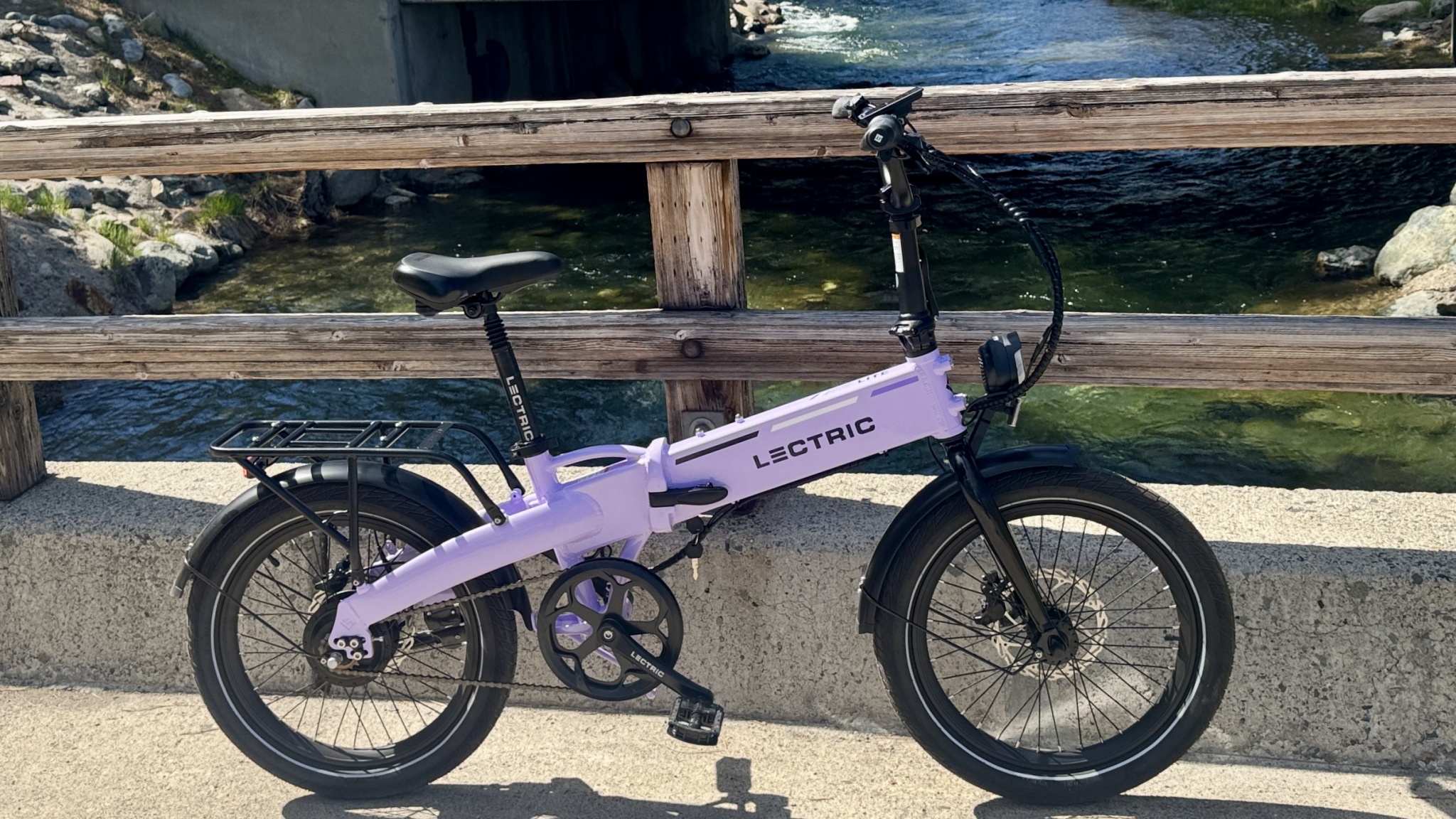
Good luck beating the value from the Lectric XP Lite 2. Credit: Joshua Hutchens
The ride quality of an electric bike plays a crucial role in your comfort and safety, and will undoubtedly influence how frequently you ride it. All bikes in this review are somewhat different, and their comfort, features, components, and handling vary. Various factors, like wheel size and geometry, affect how a bike handles at speed or while turning. Seated body position, saddle shape, handlebars, and cockpit layout all contribute to rider comfort. Meanwhile, the electronics play a role in how smoothly the bike accelerates, shifts between modes, and relays information to you. Suspension forks and seatposts can cushion your ride but add weight, while tire size, casing, and tread dictate how the bike reacts to the roadway. Accessories like integrated lights, metal or polypropylene fenders, and cargo racks can enhance the user-friendliness and rider experience of each model.
If you value ride quality above all else, the Segway Xafari and RadRunner Max deliver. These bikes have a balanced, smooth, stable, and comfortable demeanor. Wider tires, combined with the bike’s suspension, help smooth out the ride over cracks, bumps, and rough surfaces. Quality saddles, ergonomic handlebar shapes, and smooth acceleration provide a cloud-like comfort experience. While the Xafari and RadRunner aren’t lightweight, their powerful motors do a great job of masking their weight.
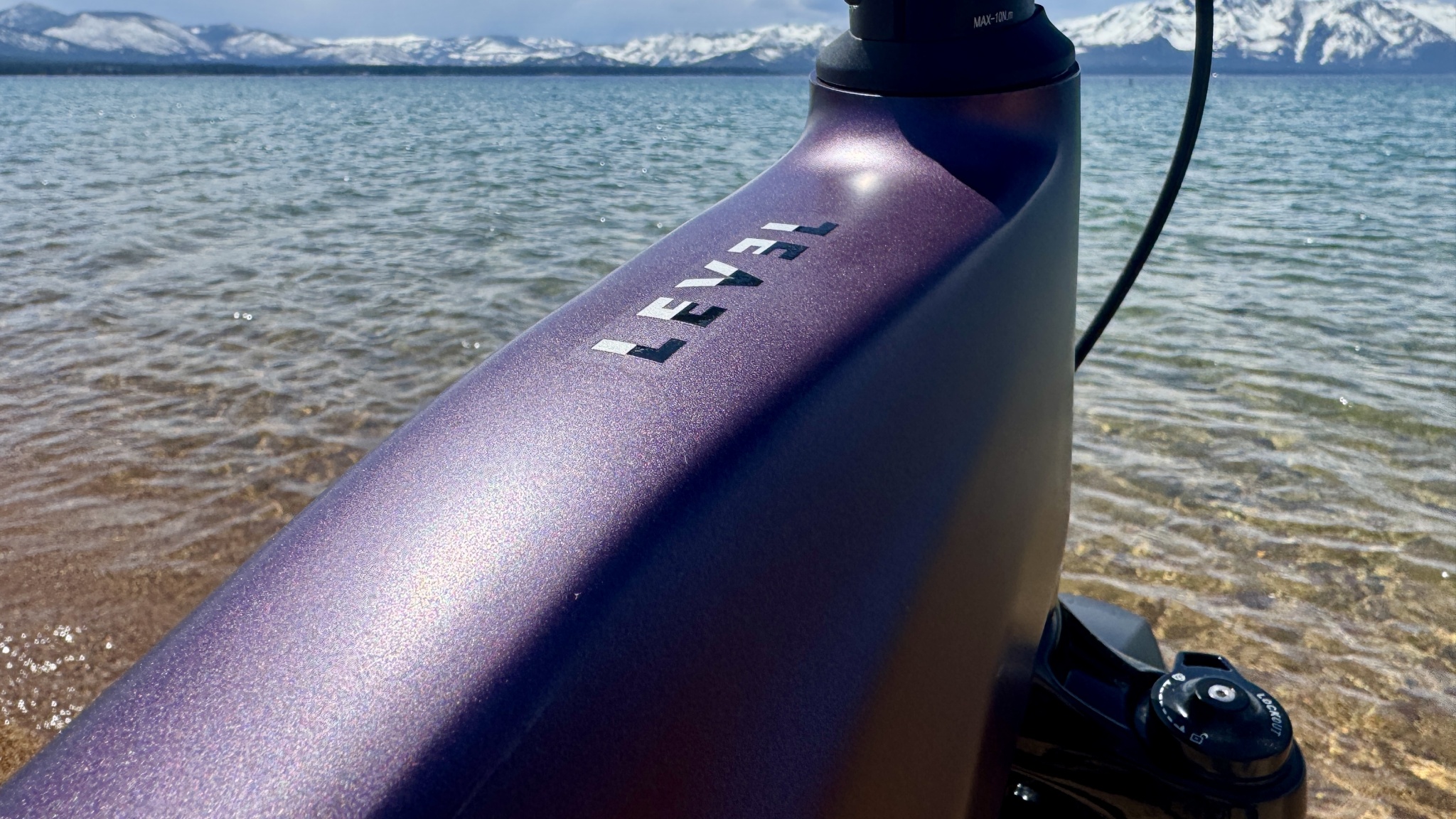
The Level 3 is a well-designed commuter that impressed us with its range, power, and comfort. Credit: Joshua Hutchens
The Radster Trail also provides an outstanding ride. An upright position, high-volume tires, a tunable suspension fork, and excellent software come together to give the Radster an unforgettable ride quality. We loved how well-engineered and safe this bike felt.
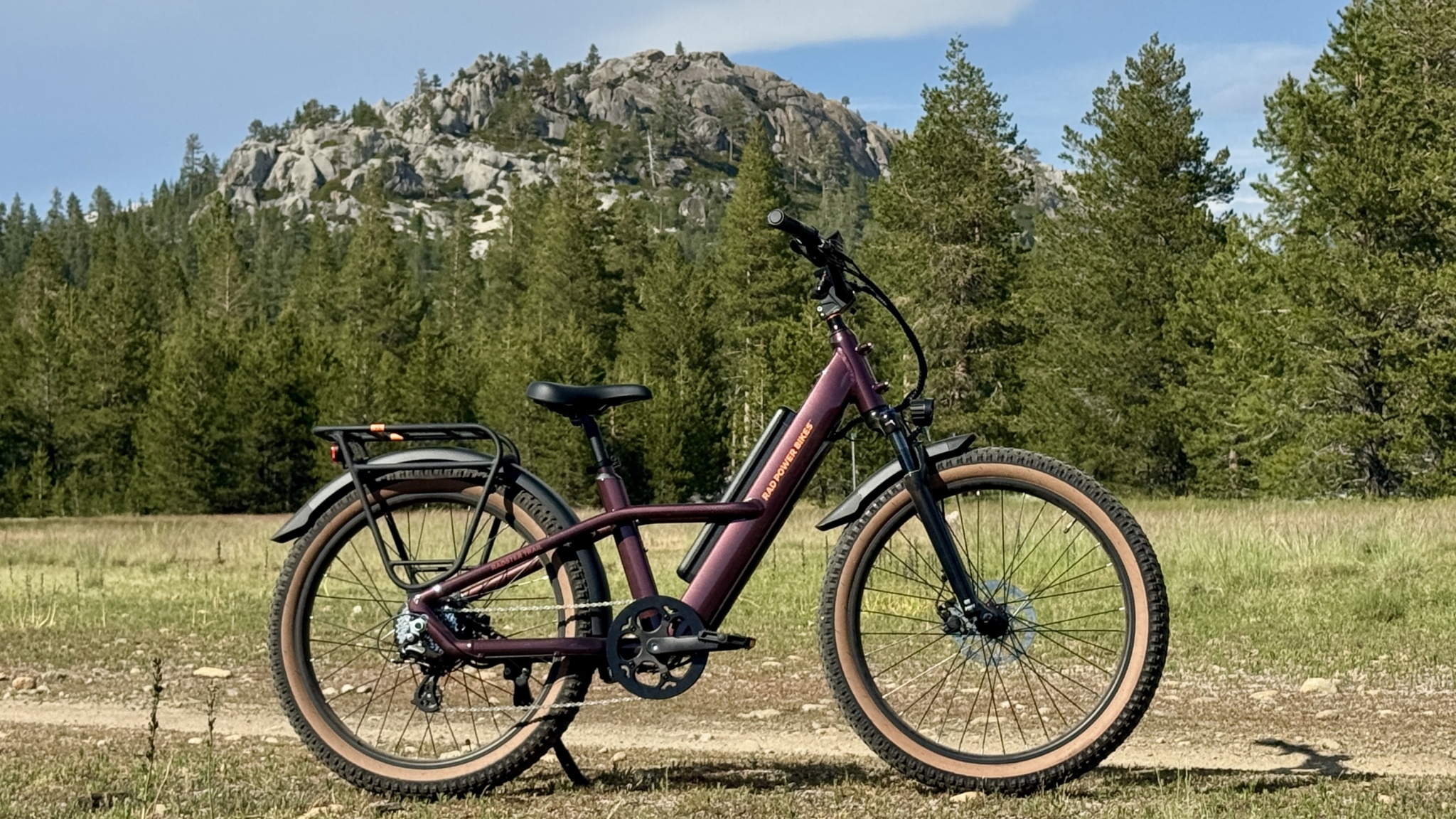
The Radster Trail is downright enjoyable to pedal. Credit: Joshua Hutchens
The Aventon Level 3 and Ride1Up Vorsa use 27.5″ wheels that feel noticeably more stable than smaller wheels with less feedback from the road. The Level has a refined feeling with hidden cables, suspension, and an excellent user interface. It comes with fenders, lights, built-in electronic locking, and GPS tracking. The Level looks less like an e-bike than most.
Our testing revealed a large spread from the longest, almost 40 miles, to the shortest, 12.1 miles. In most cases, the size of the battery correlates pretty directly with the distance a bike can travel. Given the rider’s minimal input, even the poorest-performing bike in this test managed to cover a dozen miles without pedaling. Since our range test includes hills and we ride the bikes in their most powerful settings, our results represent the low end of each bike’s potential. On flat ground with a little help from your legs, you could ride these bikes significantly further. In most cases, their ranges could easily be doubled or more with a bit of pedaling input.
Boasting a massive 936 Wh battery, the Segway Xafari will alleviate your range anxiety. We rode the Xafari 38.2 miles on our test course, while climbing over 2000 feet without pedaling. This isn’t too surprising, but it doesn’t have the biggest battery in our test group. The Aventon Level 3 was right behind it with a distance of 38.1 miles using a significantly smaller (720Wh) battery. The Lectric ONE achieved an impressive range of 27.2 miles, most of it using Cruise Control, great numbers for such a compact bike.
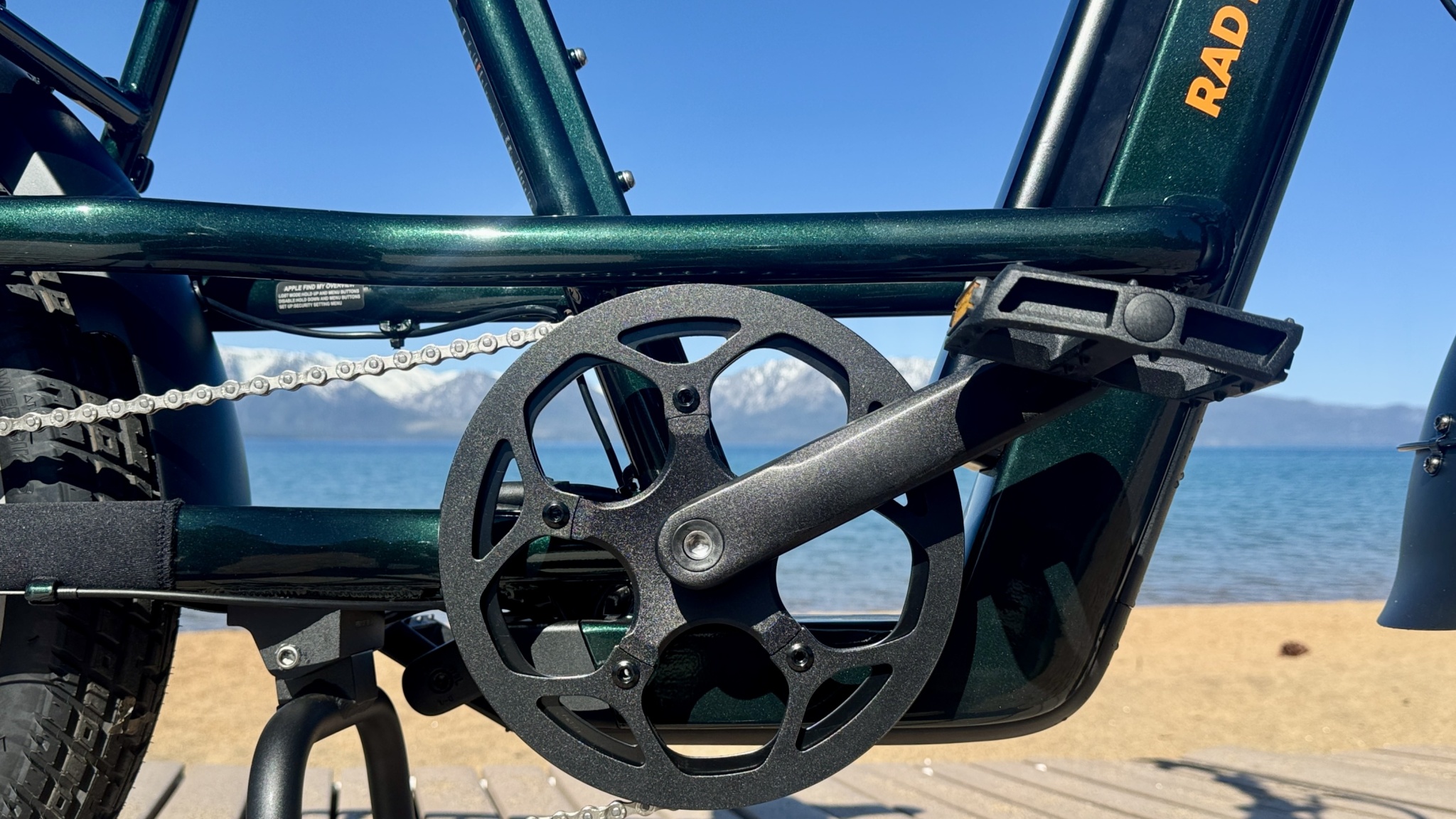
A low step-through and user-friendly gearing makes the RadRunner Max stand out. Credit: Joshua Hutchens
In the US, electric bikes fall into three classes. In all three classes, the motor size is limited to 750W. Class 1 e-bikes have pedal assist only and are limited to a top speed of 20 mph. Class 2 electric bikes have a throttle and pedal assist, both limited to 20 mph. Class 3 ebikes provide pedal-assist up to 28mph, and some may have throttles limited to 20 mph. In California, regulations state that a Class 3 bike can not have a working throttle. Many of the bikes in this review can be ridden in multiple classes. Switching between those classes can be done through the display or an app. The Segway Xafari is GPS-enabled, so when riding from Nevada to California, we found that the bike would automatically disable the throttle. Some bikes, like the Ride1Up Vorsa, can be unlocked to “Off-Road Mode” allowing for speeds of up to 37mph on throttle power alone.
Comparison of Power, Speed, and Range
Measured PowerClassTop SpeedMeasured Distance RangeCharging timeRide1Up Revv 1 FS1,580 WattsClass 2 or 328 mph37.2 miles5 hoursSegway Xafari1,300 WattsClass 2 or 328 mph38.2 miles5.3 hoursLectric XP41,263 WattsClass 1, 2, or 328 mph36.7 miles8.8 hoursRide1Up Vorsa1,200 WattsClass 1, 2, or 328 mph34.3 miles7.5 hoursLectric XPeak 2.01,153 WattsClass 1, 2, or 328 mph24.6 miles7.5 hoursAventon Aventure.31,130 WattsClass 1, 2, or 328 mph28.3 miles5 hoursLectric ONE1,090 WattsClass 1, 2, or 328 mph27.2 miles7 hoursBlix Vika X1,007 WattsClass 2 or 328 mph24.7 miles6.5 hoursRad Power RadRunner Max996 WattsClass 1, 2, or 328 mph24.6 miles7 hoursRadPower Radster Trail890 WattsClass 1, 2, or 328 mph33.1 miles7.5 hoursAventon Level 3859 WattsClass 1, 2, or 328 mph38.1 miles5 hoursRad Power RadExpand 5841 WattsClass 220 mph31.2 miles7 hoursVelotric Discover 1 Plus823 WattsClass 1, 2, or 328 mph26.7 miles4.8 hoursRide1Up Portola815 WattsClass 1, 2, or 328 mph26.7 miles6.7 hoursLectric XP Lite 2.0748 WattsClass 1 or 220 mph13.9 miles4 hoursRide1Up Roadster V3638 WattsClass 1, 2, or 325 mph18.9 miles5 hoursRad Power RadKick Belt Drive589 WattsClass 220 mph16.1 miles5 hoursCannondale Adventure Neo Allroad ST381 WattsClass 220 mph20.9 miles5.8 hours
Be sure to check local and regional regulations regarding the use of the different classes of electric bikes where you live and ride.
The power output of a bike is primarily determined by the size and wattage of its motor, as well as the voltage of the bike’s electrical system. Larger motors produce more torque and wattage, and higher voltage systems can deliver more power to the motor. Our assessment of power is based on several tests that we conduct to analyze the throttle and pedal assistance. We compare the acceleration, range of pedal assistance, quality of output, and uphill speed and retention over time of each bike, in addition to their top speed. We also tested the power and torque on a dynamometer to get exact figures for each bike.
The Lectric ONE has a powerful 750W motor. This bike was quick off the line, whether using the throttle or pedal assist, and it held power impressively well while climbing gradual hills during our throttle-only range testing. This fast-moving bike comes in Class 3 settings, and it had no problem ripping along at 28 mph while using pedal assist. The Lectric XP4 also boasts a strong 750W (0r 500W) geared hub motor. The XP4 quickly accelerates using the throttle and maintains its impressive speed. It’s generally quite easy to achieve the top pedal-assisted speed of 28 miles per hour. These bikes are fast, but you also don’t have to ride them or any of the Class 3 models at top speed all the time. Multiple levels of pedal assistance allow you to choose how much assistance you want to get to the top speed. Too fast? You can decrease the top speed through the display or connected app.
The RadRunner Max will make you seriously question the need for a car. Credit: Joshua Hutchens
The Class 3 Aventon Level 3 also impressed us with its power and a top speed of 28 mph. While not quite as quick to accelerate using the throttle as the models mentioned above, its 500W (859W peak) motor felt robust, and it had no problem hitting and holding 28 mph on flat ground in its highest pedal assist level. Likewise, the small but mighty RadRunner Max surprised us with its power. This bike quickly accelerates with the throttle, and the 750W (996W peak) motor helps reach speeds of up to 28 mph, even while cresting a hill.
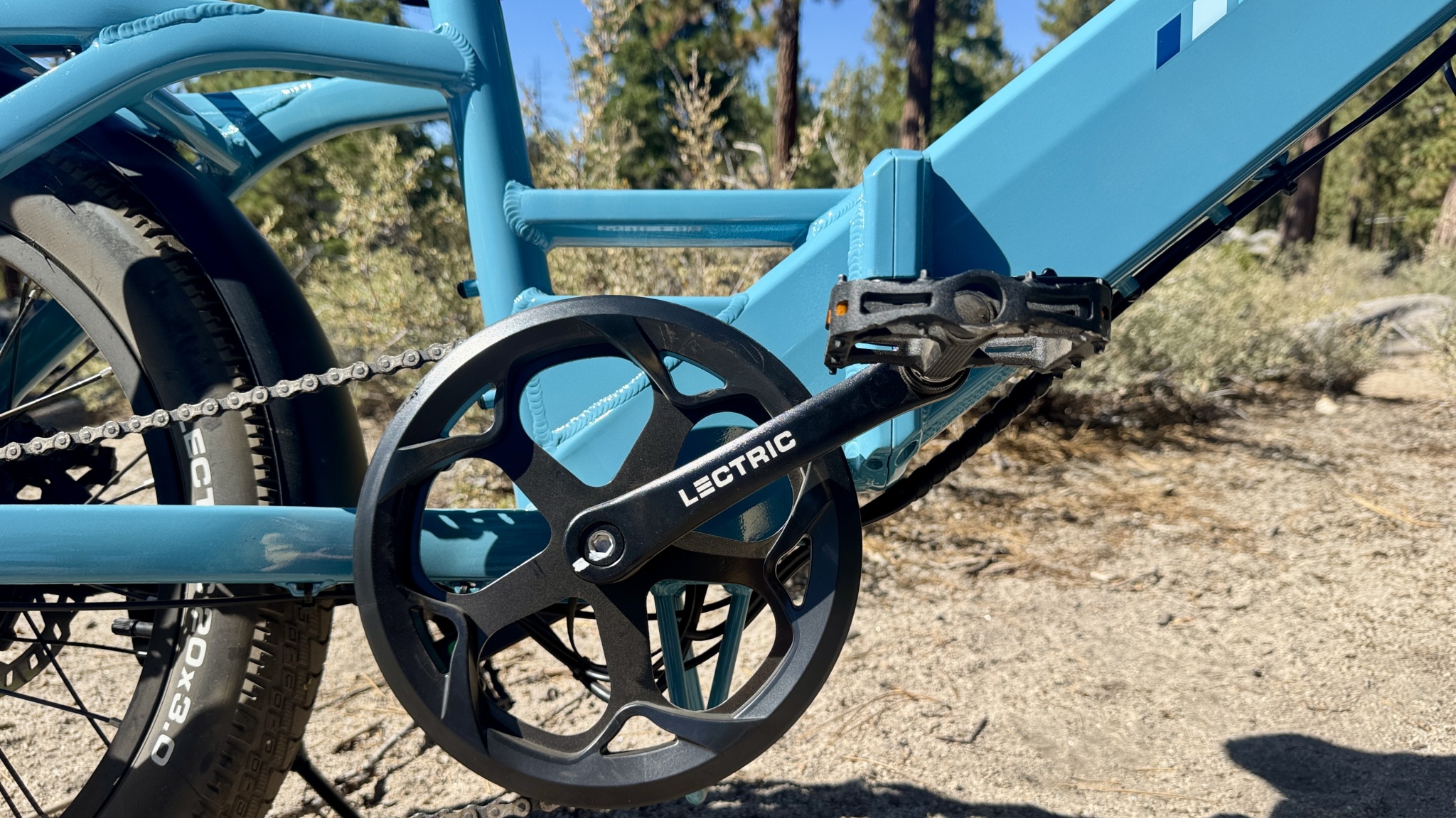
The foldable Lectric XP4 is an incredible value and could make an excellent commuter, even for those who won’t utilize its folding feature. Credit: Joshua Hutchens
The most power came from the Segway Xyber, which pushed out 5230 watts on the dynamometer. Nothing else we’ve tested is remotely close to this. The second most powerful bike in our test is the Ride1Up Revv1 DRT that registered 1667 watts on the same machine. The Revv1 could effortlessly push us up smaller hills, but its battery had a hard time keeping up with the high power draw and it would slow down considerably on larger hills, suffering from voltage sag, where the battery can’t supply power fast enough. The Segway Xyber on the other hand, delivers tremendous power that was never deterred by the length or slope of an incline.
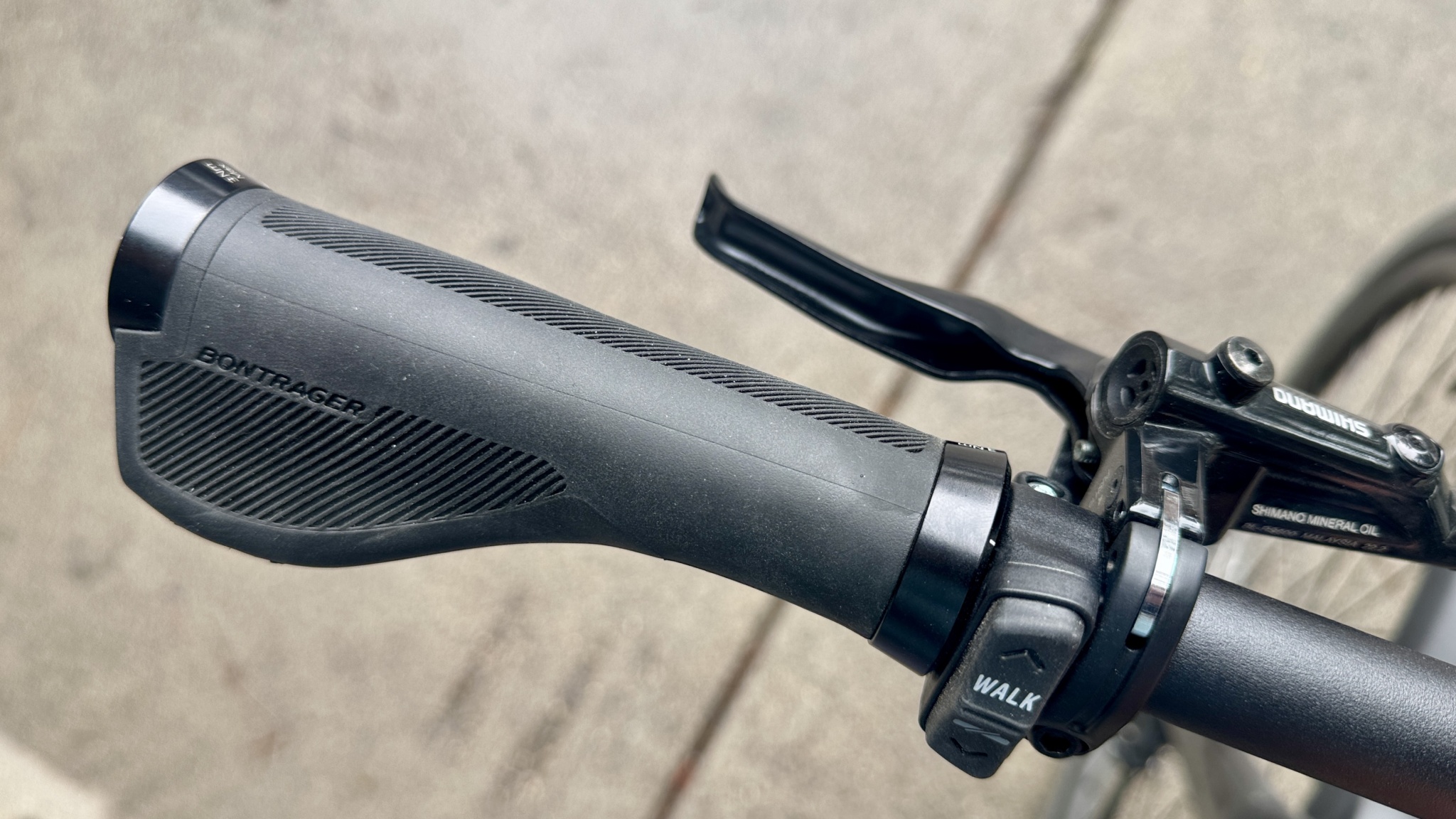
Every model we tested has a different interface that consists primarily of the controls and display. Credit: Joshua Hutchens
In general, this metric examines the interaction between the bike’s electrical system and its components, including the display, remote, battery, and charger, which are used to control and charge the bike. Most modern bikes have advanced control and display systems, but several models stand out. The newest Rad Power, Aventon, and Segway models particularly impressed us with their large digital display screens placed in the center of the handlebars for easy visibility. These screens provide a plethora of information, including your current speed, pedal assist level, distance traveled, time, and more. These bikes also have user-friendly remote control buttons next to the left grip, making them easily accessible while riding. Additionally, Aventon has taken an extra step with its newest models, featuring an ACU (Aventon Control Unit) that incorporates 4G (wireless mobile network technology) and GPS connectivity. This built-in computer is compatible with the Aventon companion app, enabling you to lock and track your bike from your smartphone, providing security and deterrence against theft. Using the app, you can fine-tune the bike’s settings, establish a geo-fence that prevents the bike from operating outside of, and remotely activate a lost bike alarm.
The Ride1Up Prodigy and the Roadster V3 models feature all-in-one units that combine button controls and displays in a single unit, mounted to the handlebars by the left grip. The displays show a vast array of data and are easy to read, although their smaller screen size and location make them a little less user-friendly than models that feature larger screens in the center of the handlebars.
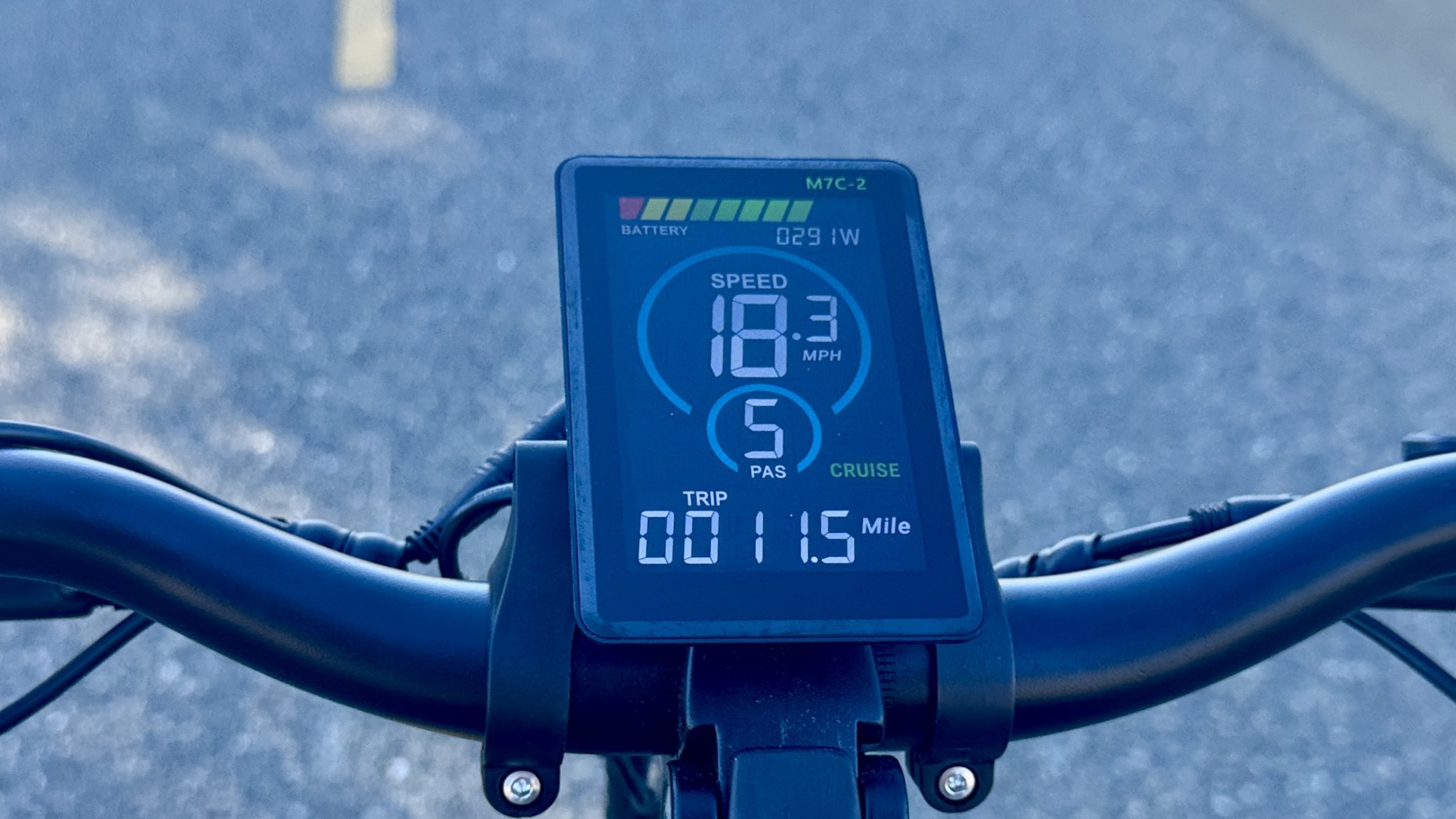
The vibrant color display on the Lectric ONE is has useful data at a quick glance, and also.. cruise control. Credit: Joshua Hutchens
Most of the bikes in our test are sold directly to the consumer, so they arrive partially assembled in a shipping box. The ease of assembly varies greatly, with some models taking just minutes and others requiring some mechanical expertise. The Trek FX+7S and Segway models are sold through a dealer network, and we picked them up from local bicycle shops fully assembled. Many consumer-direct brands have forged alliances with local bike shops, allowing you to have your bike shipped there and assembled. However, these bikes are mostly assembled and include clear instructions and tools, making home assembly easy for most people who are willing to follow a few directions.
The XP Lite 2.0 received high marks for its slick packaging and straightforward assembly process. This folding model simply needs to be unfolded and have the packaging material removed. You can be riding the bike 10 minutes after opening the box. The RadRunner MAX comes in a clever box with a lift-off top, revealing a mostly assembled bike that can be rolled (instead of lifted) out of its packaging.
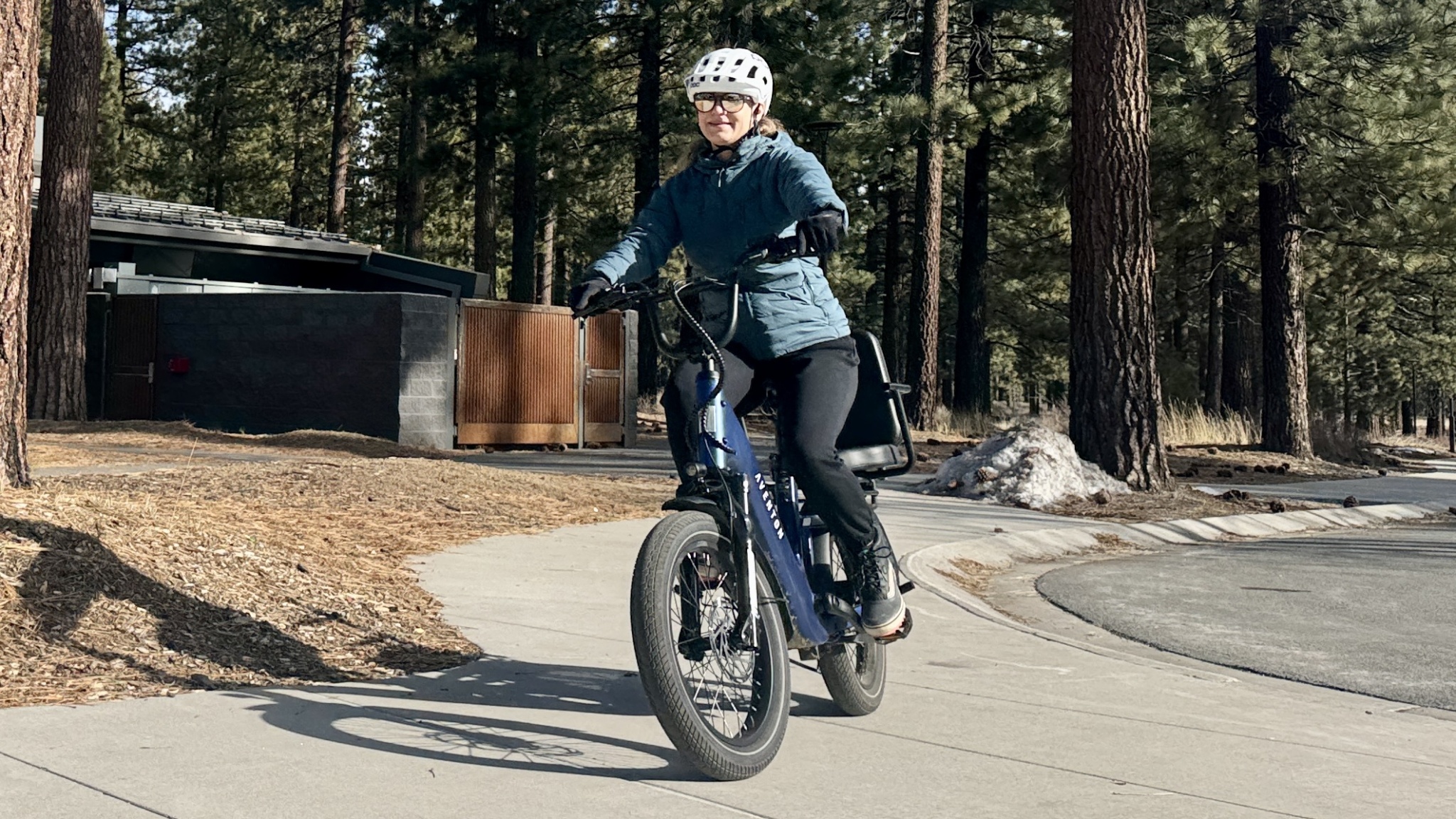
“The Abound SR is my favorite new bike.” Credit: Joshua Hutchens
Other Notable Electric Bikes to Consider
Aventon Abound LR is our favorite cargo bike for good reasons. With the ability to haul up to 440 pounds, room for two kids, and 4G connectivity, you’ll find more reasons than ever to leave the car in the garage. This bike has an impressively stable ride quality, quality accessories, and more than a few tricks up its sleeve. A locking cargo box, lockable kickstand, and a powerful but efficient motor make this the best cargo bike we’ve tested yet. To top that off, it’s a great deal and ships almost completely assembled. 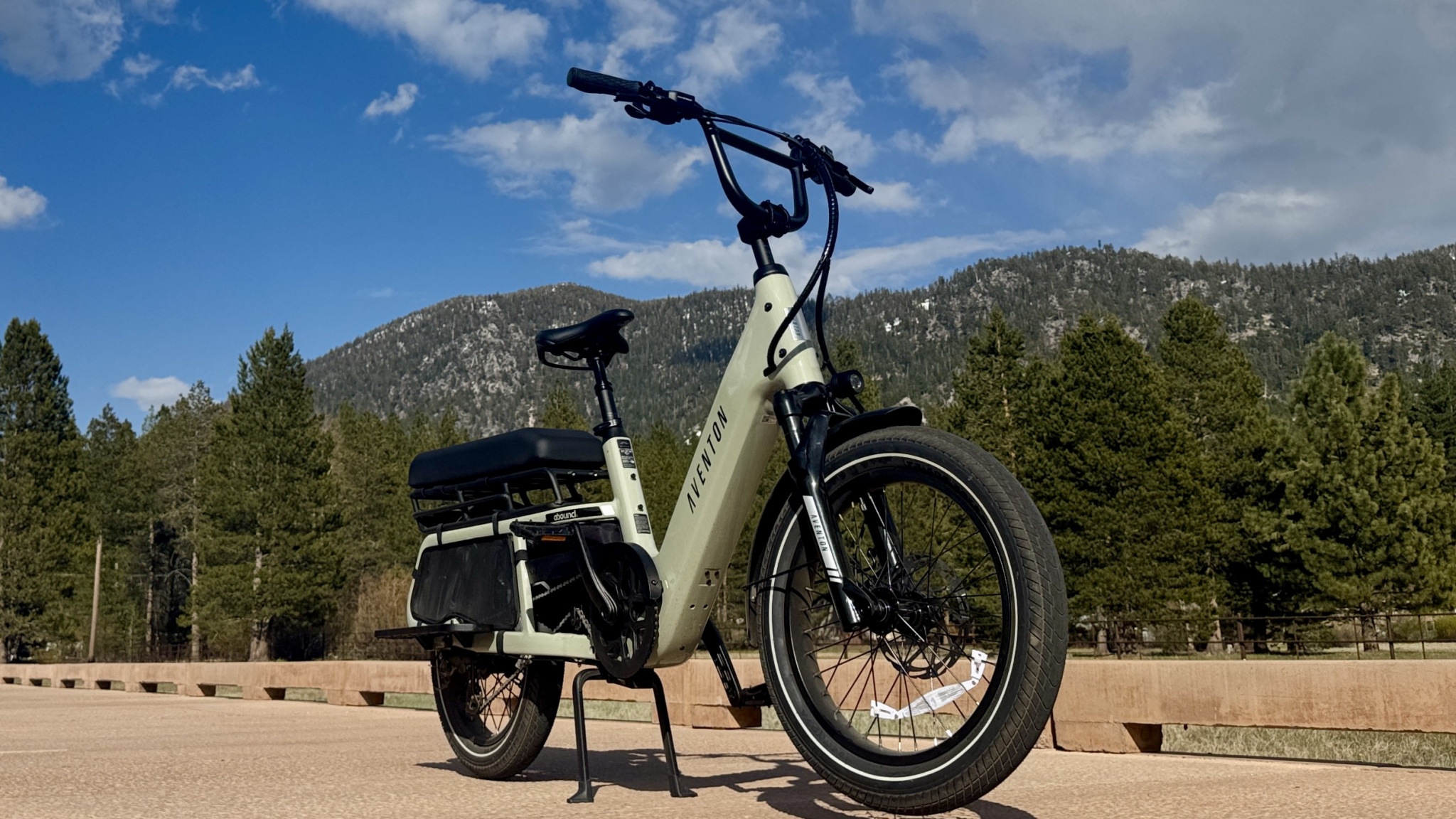
Refined and well-executed, the Abound LR is our top choice for several compelling reasons. The use of a quill stem and BMX handlebars gives the front end predictable and stable handling. Credit: Joshua Hutchens
Lectric XPedition 2.0 is the best value cargo bike we’ve come across, and their modular battery system allows you to buy just as much range as you want. With a 450-pound carrying capacity, tunable suspension, and a torque sensor, Lectric didn’t cut corners on the spec. The bike is incredibly convenient, and we love that it doesn’t cost an arm and a leg. Even Lectric’s accessories are reasonably priced, giving you the ability to spec a custom cargo hauler for hundreds of dollars less than other brands offer. 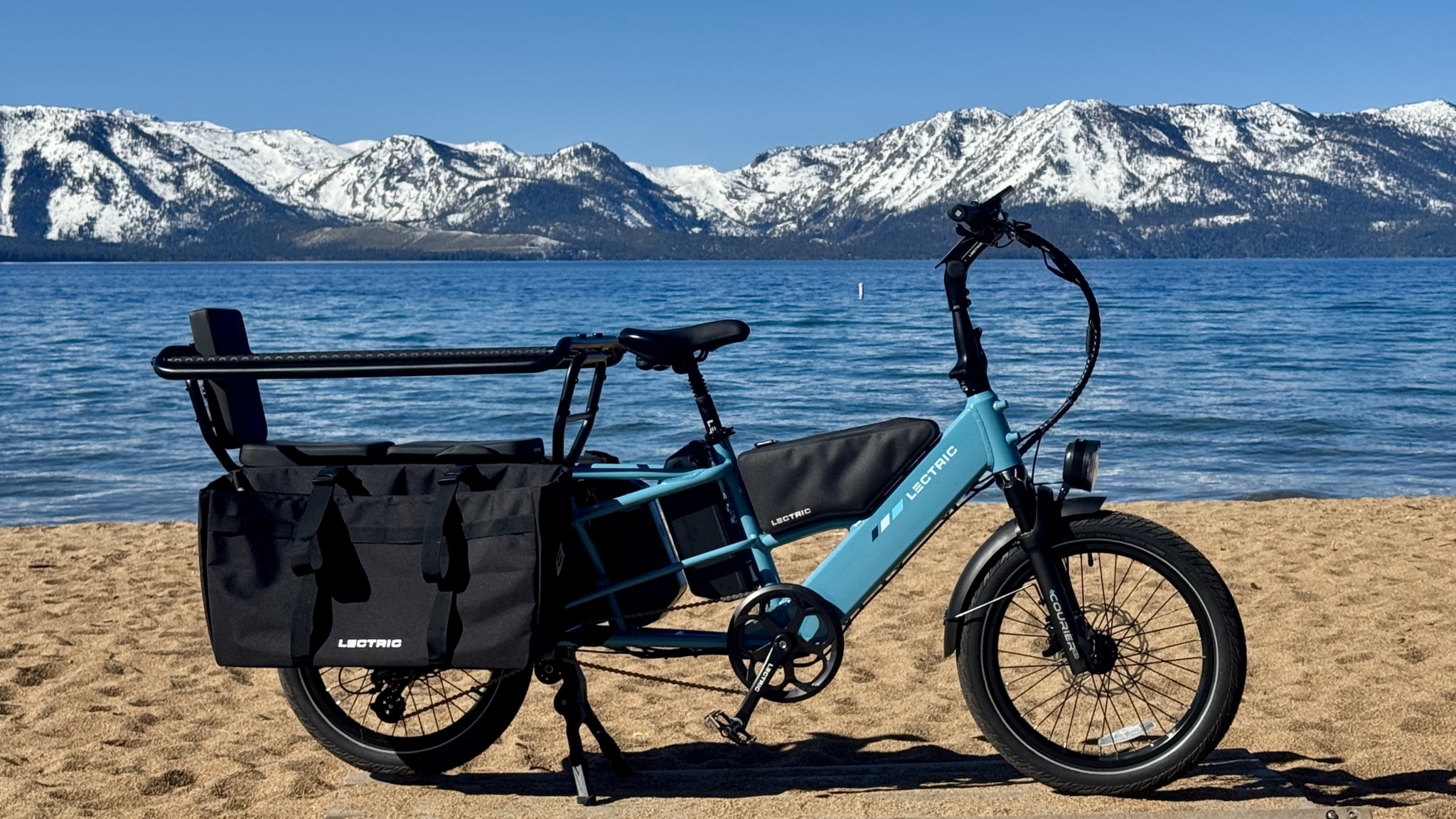
The XPedition is an absolute bargain and a great way to escape urban traffic. Credit: Joshua Hutchens
Ride1Up CF Racer1 is an outstanding value for a full carbon gravel bike that just happens to be electrified. “At just over 28 lbs, you can hardly tell that the bike has a motor and battery. The build kit is impressive, and the overall ride quality is perfectly suited for extended days on old logging roads. While the bike is fantastic and incredibly well-priced, it only comes in two sizes with limited adjustability, so check your measurements carefully to see if it might work for you. If you need more range, consider purchasing this with the optional range-extender battery.
Quick, capable and a standout value, it would be hard not to recommend the CF Racer1. Credit: Matt Lighthart
Aventon Ramblas is a punchy mid-drive electric mountain bike for trail riding, but its versatility is winning it starring roles as a commuter and town bike. The Ramblas was a surprise hit from Aventon, and we weren’t sure whether to be more impressed with its performance or value. This is an outstanding bike that will let you explore far from the end of the pavement.
The Ramblas can slay singletrack all weekend and still has the utility to cruise around town during the week. Credit: Matt Lighthart
Specialized Turbo Levo 4 Comp is a seriously awesome electric mountain bike that will wow you with its incredible torque, brilliant software, and adjustable geometry. This is the benchmark for other electric mountain bikes to aspire to, and it makes you feel like a pro to rip uphill on single-track at 20 mph. Wildly capable and quite expensive, it’s not for the faint of heart. If pounding out a quick 30-mile mountain bike ride in 2 hours is your idea of a good time, this may be your new healthy escape.
The 4th generation of the Specialized Levo is a compelling, but heavy choice. Credit: Matt Lighthart
Ride1Up Portola – If space is tight or you’d rather not own a bike rack, the foldable Portola is an excellent option. Packed with features and capable of carrying a passenger, it makes a great final-mile vehicle or standalone utility bike with more versatility than most. You can easily stash it in the trunk of a car, and nothing about its ride quality would indicate that it’s a folding model. With lights, fenders, a rack, and exceptionally low step-through, the bike is easy to ride and ready for almost any conditions.
The Portola arrives with the majority of the assembly done for you. Putting this bike together took us less than 30 minutes. Credit: Joshua Hutchens
Trek FX+7S – If you want a commuter bike with some assistance that doesn’t look or feel like an e-bike, check out the lightweight Trek FX. This bike is powered by a compact yet powerful motor and a smaller battery than most, resulting in a quick and agile feel that excels in urban areas. This bike is low-key high-tech, featuring awesome app integration and a cool quad-lock phone mount that lets your phone double as a digital dashboard for navigation while it charges.
The FX+7S is an easy and efficient way to get around. Credit: Matt Lighthart
Lectric XPeak 2.0 has similar specs to our favorite fat-tired electric bikes with a lower price tag. The bike has tremendous capability and can take you far off the beaten path. Lectric offers two frame styles and two different battery configurations, so you don’t have to buy more than you’ll use. Equipped with a suspension fork, rack, fenders, lights, and a quality color display, the XPeak is an excellent budget choice.
Comfort on all terrain, the XPeak 2.0 is enjoyable to ride and quite capable. Credit: Joshua Hutchens
Aventon Aventure M – This bike uses a mid-drive motor to give the impressive Aventure a more balanced feel and robust pedal assistance. If you plan to propel yourself by throttle power, the Aventure.3 is probably a better bike, but this mid-drive is throttle compatible and can conquer almost any terrain with its 4″ tires and suspension fork. We loved the natural feeling assist while riding this bike on trails and look forward to putting in some miles on the snow.
Casually capable, the mid-drive Aventure M is feature-packed and fun to ride. Credit: Joshua Hutchens
How to Buy the Best Electric Bike for You
Deciding that you want an electric bike over a traditional one is the first step, but the decision doesn’t end there. Almost every bicycle has an e-bike equivalent these days, and with so many options, it can be tough to sift through the motor specs, weight limits, and other features to find what works best for you. However, it is possible!
Three factors dominate e-bike selection: lifestyle, location, and budget. Start by asking yourself: Where do I want to ride? This single question cuts through the overwhelming options and points you toward the right category. Mountain trail enthusiasts should consider e-MTBs or fat-tire models. Urban commuters benefit most from sleek, lightweight city bikes built for daily office runs. Casual weekend riders heading to parks or beaches need bikes balancing comfort with affordability. Families transporting kids, pets, or cargo require models from the electric cargo bike category. Beyond use case, bike classification determines legal riding areas. Regulations vary across state, local, and regional jurisdictions, so it’s essential to verify that your chosen bike complies with local laws.
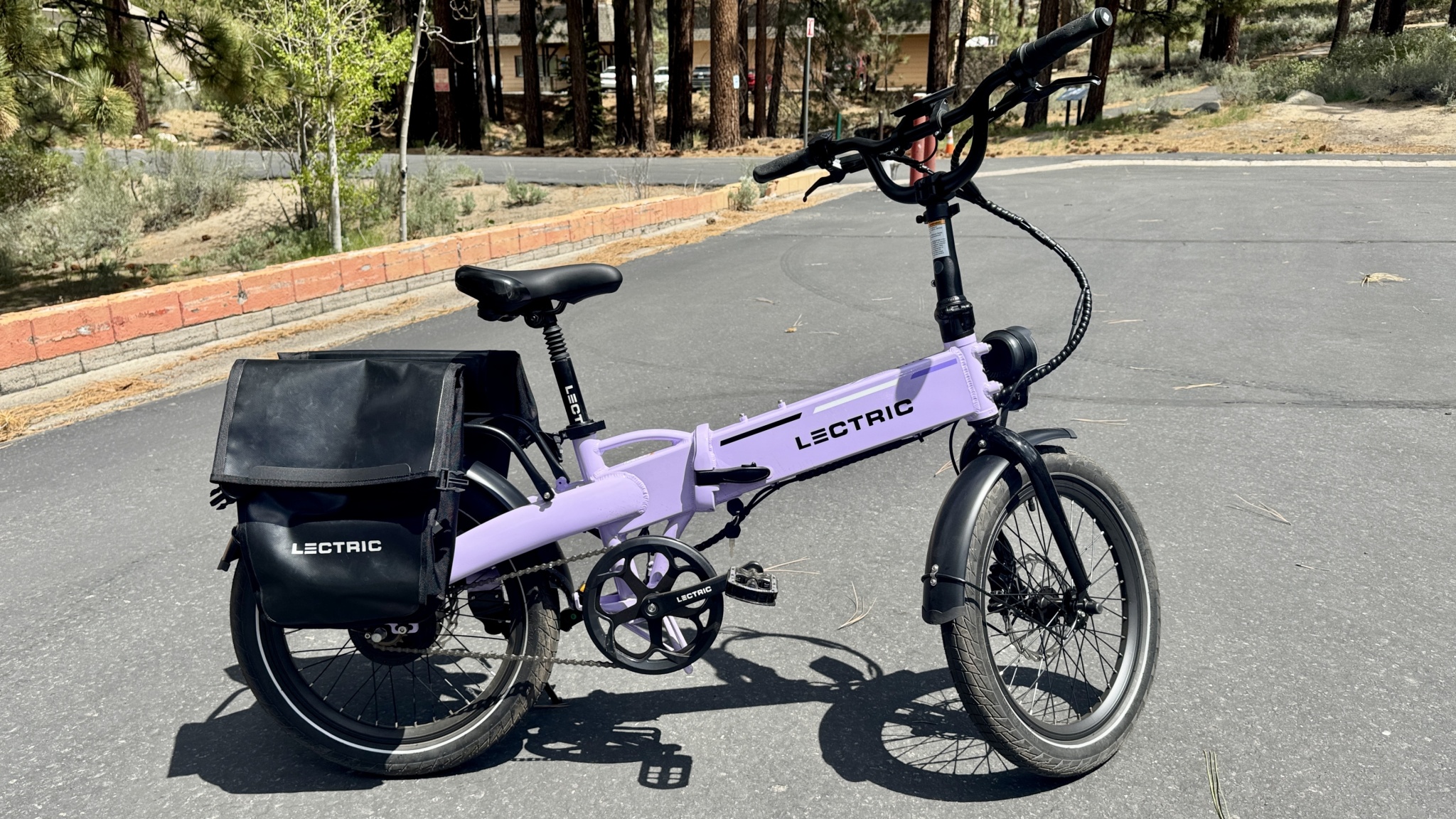
Simple, inexpensive, and delightful to ride, the XP-Lite is almost too good to be true. Credit: Joshua Hutchens
The 3-class system is becoming widely accepted as a way to regulate e-bike use, but laws and regulations vary by state and even by country. With some of the more powerful bikes riding the border between mopeds and e-bikes, and others simply adding a boost to your own leg power, a bike’s power and speed capabilities determine where you can legally ride them.
Some bikes can be configured to fit into several categories if needed. For example, the speed limit of many Class 3 bikes can be adjusted in the bike’s settings to have it top out at 20 mph or Class 2, and often, the throttle can be disconnected to fall under Class 1. Regardless of class, most e-bikes are limited to a motor with one horsepower (750W) or less.
Class 1 e-bikes function purely through pedal assistance—the motor activates only during active pedaling. Electric support cuts off at 20 mph, requiring riders to power themselves beyond that threshold. These models typically enjoy the same trail and lane access as conventional bicycles, including bike paths and multi-use trails. The majority of electric mountain bikes fall within this category.
Class 2 e-bikes share the 20 mph motor-assisted speed limit with Class 1 models (though riders can pedal faster under their own power). The defining distinction is throttle capability—Class 2 bikes feature a thumb lever or twist grip that propels the bike without pedaling, similar to an electric scooter. These bikes also offer pedal assist with adjustable power levels to suit rider preferences. Most jurisdictions permit Class 2 e-bikes in bike lanes and multi-use paths, though state and local exceptions exist.
Class 3 electric bikes elevate performance with higher speed limits. These models may include throttle capability, pedal assist, or both—throttles cap at 20 mph while pedal assist extends to 28 mph. Motor assistance cuts off at 28 mph, though riders capable of exceeding that speed under their own power are welcome to try. Class 3 bikes face stricter regulations governing rider eligibility and access. Many jurisdictions mandate helmet use, impose age restrictions (often prohibiting minors from riding unless as passengers), and limit or ban access to bike paths. Local regulations vary significantly, so verify your area’s rules before riding. California recently enacted legislation prohibiting active throttles on Class 3 bikes, requiring manufacturers to disable throttle function on models sold in-state if buyers want the full 28 mph pedal-assist capability.
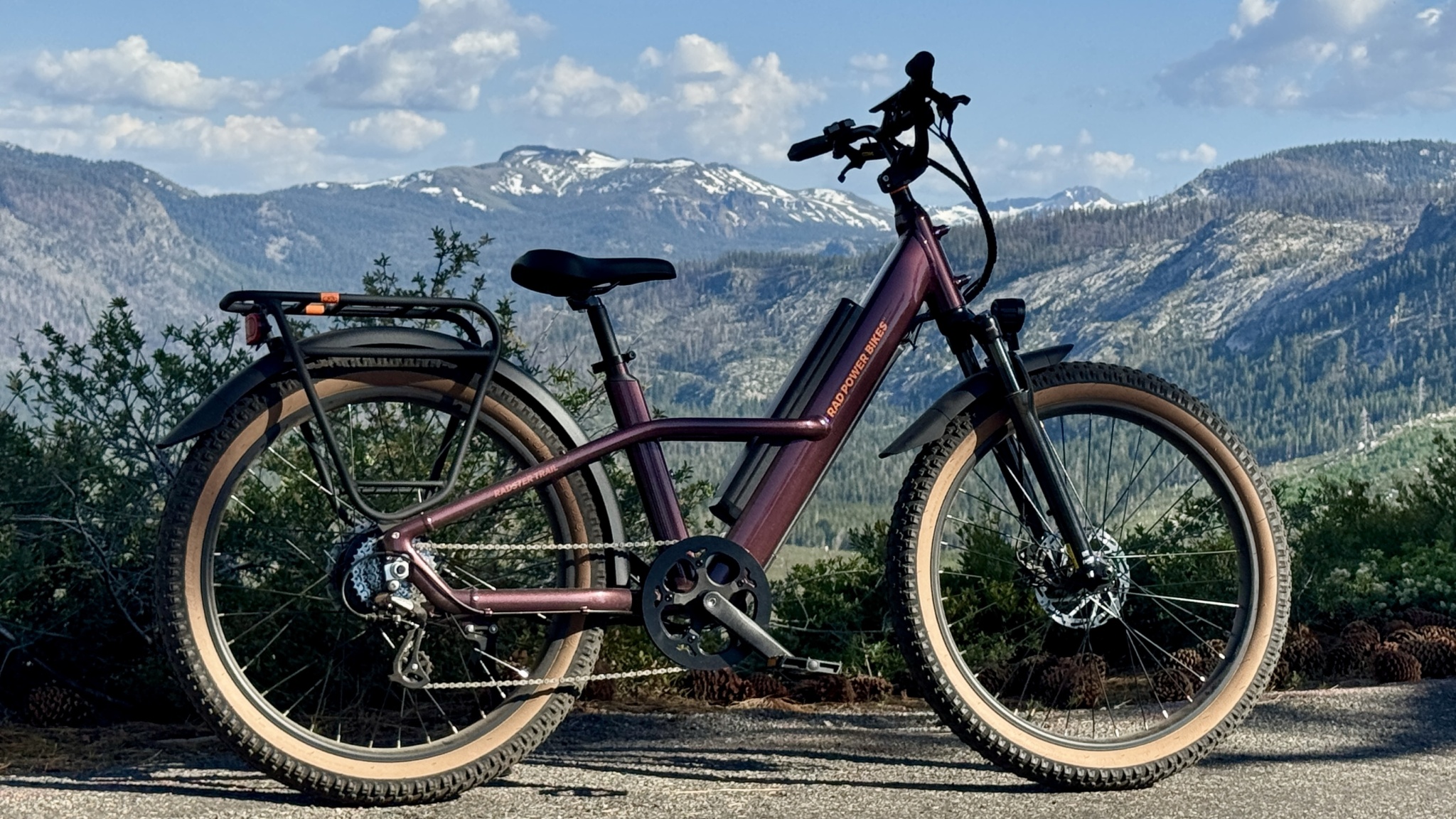
The Radster Trail makes an excellent companion for exploring off the beaten path. Credit: Joshua Hutchens
Whatever your preferred riding style, there is likely an e-bike version to suit (if you can’t find one, it’s probably in development). While many of the features found on e-bikes are similar to those in the traditional bike world, a few motor or battery-specific details differ.
Cruiser e-bikes focus on comfort, convenience, and straightforward operation, much like traditional cruiser bicycles. They feature a more relaxed, upright seating posture and are designed for leisurely rides along neighborhood paths or quiet streets that lead to the beach. Typically, these bikes come with an intuitive control system and often include a step-through frame, making it easier for most riders to get on and off. Equipped with wider and smoother tires, they are ideal for pavement rides. While they may not offer the same power or speed as some other e-bike types, they do enhance your pedaling experience, making rides enjoyable and comfortable.
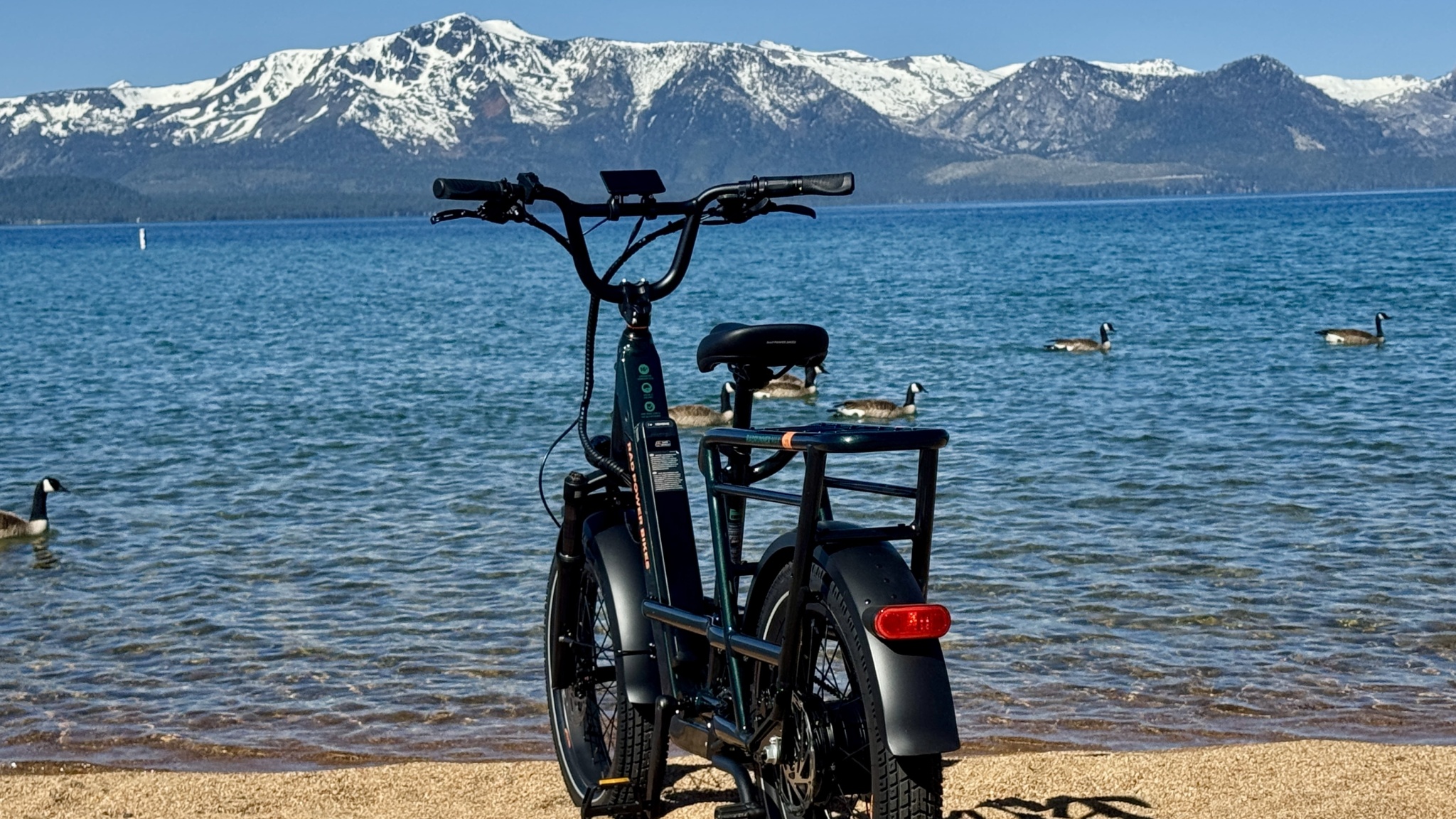
Using these electric bikes for months helps us understand the nuances of their utility and durability. Credit: Joshua Hutchens
Commuter bikes are specifically designed for the urban environment with good visibility and features that enhance safety and security. They generally have lights for night riding and a rack to carry your belongings. If you have a long commute, consider a bike with a larger battery or a range extender to alleviate range anxiety. Additional features, such as fenders, help protect against road spray and keep you dry on wet roads. We have conducted detailed side-by-side tests of commuter ebikes.
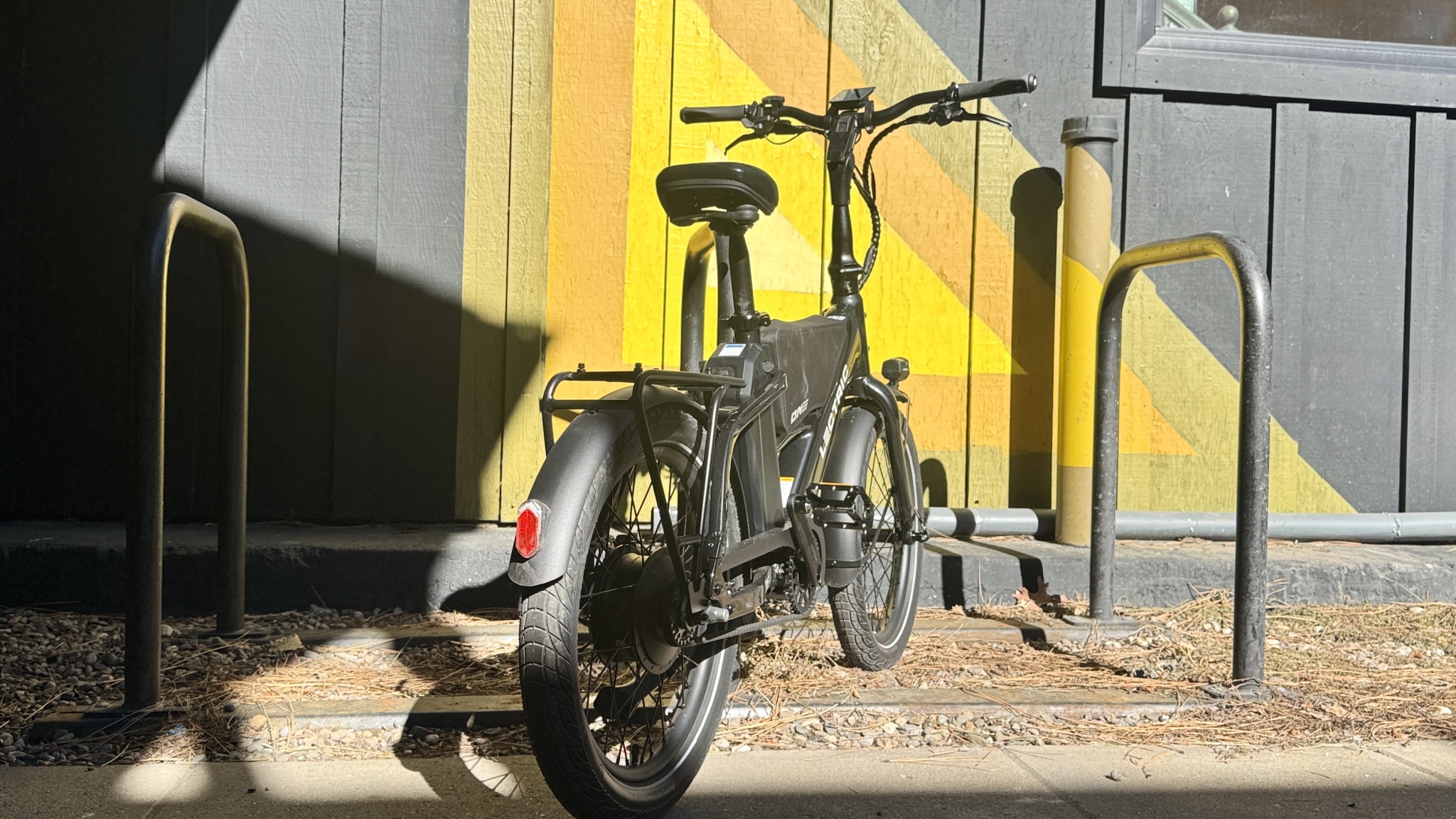
The perfect urban solution for any weather riding. Credit: Joshua Hutchens
As the name suggests, these bikes are designed to fold down, minimizing their size and maximizing portability. Folding electric bikes are designed for riders with limited storage space or those who need to transport their bike in a vehicle rather than on a bike rack. They are also perfect for those who prefer to bring their brand-new e-bike inside rather than leaving it chained to the bike rack outside (it’s a significant investment; we understand if you want to take care of it). People who travel with their bikes frequently, such as RVers, city dwellers, and office workers, are the most likely to benefit from this style of bike. The downside to this style of e-bike is that they often have less stable handling. This is a result of smaller wheels, tall handlebars, and geometries dictated by their folding designs.
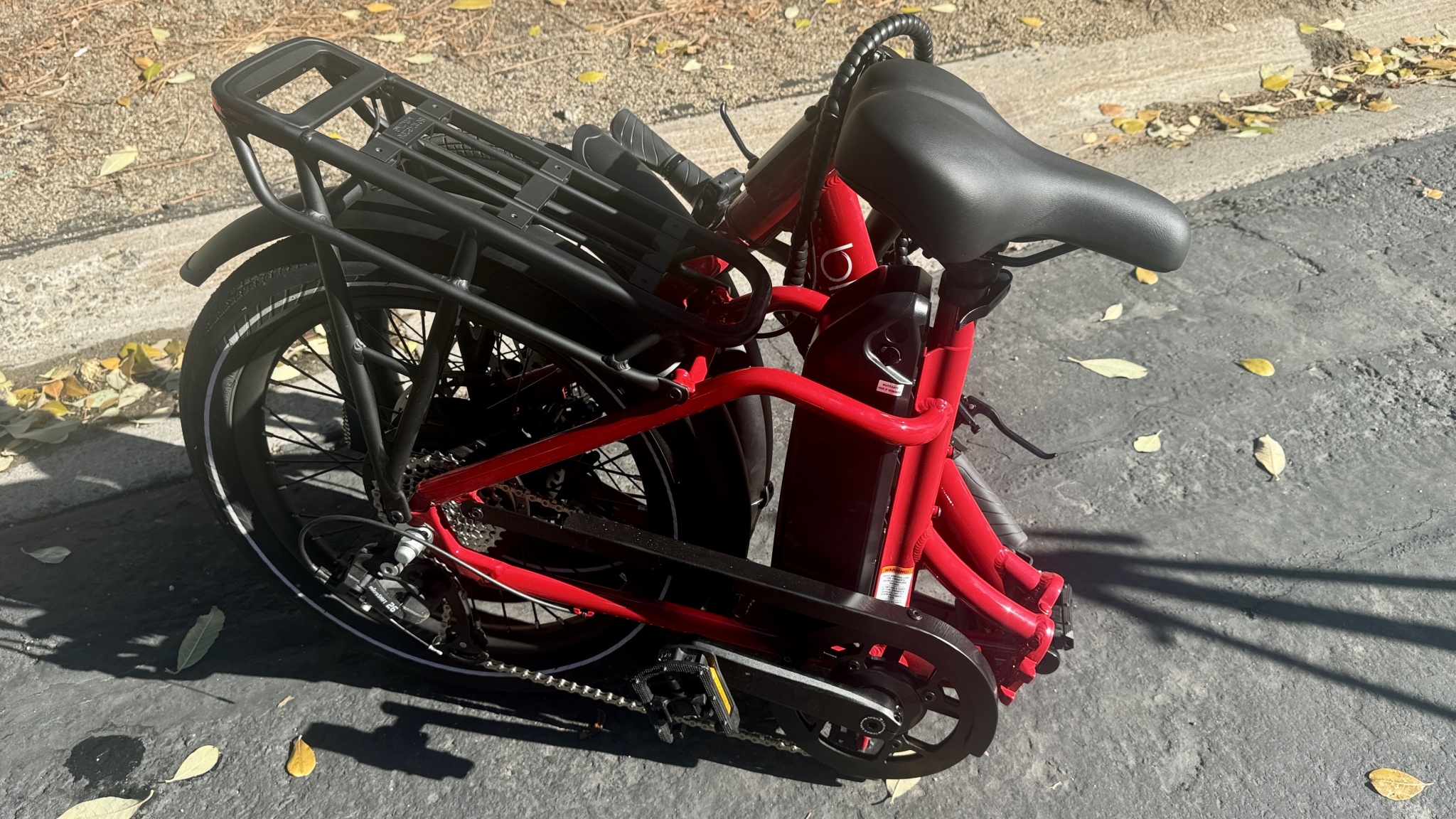
Easy to stash in your trunk or hide in a closet, the Vika X is still full-featured. Credit: Joshua Hutchens
Cargo e-bikes offer the strongest car-replacement potential of any electric bike category. These bikes typically feature extended frames to support oversized rear cargo racks or incorporate box-style cargo areas positioned in front of or behind the rider. Dual kickstands are standard equipment, providing stable support during loading. Manufacturers offer extensive accessory ecosystems to customize cargo capacity, including front and rear baskets, bike trailer attachments, child seats, and mounts for favorite bike pannier bags. The trade-offs include challenging handling dynamics and substantial weight—even unladen. Their size and heft make them impractical for transport, best suited for riders who can store and depart directly from home. The chart below compares all cargo e-bikes we’ve tested.
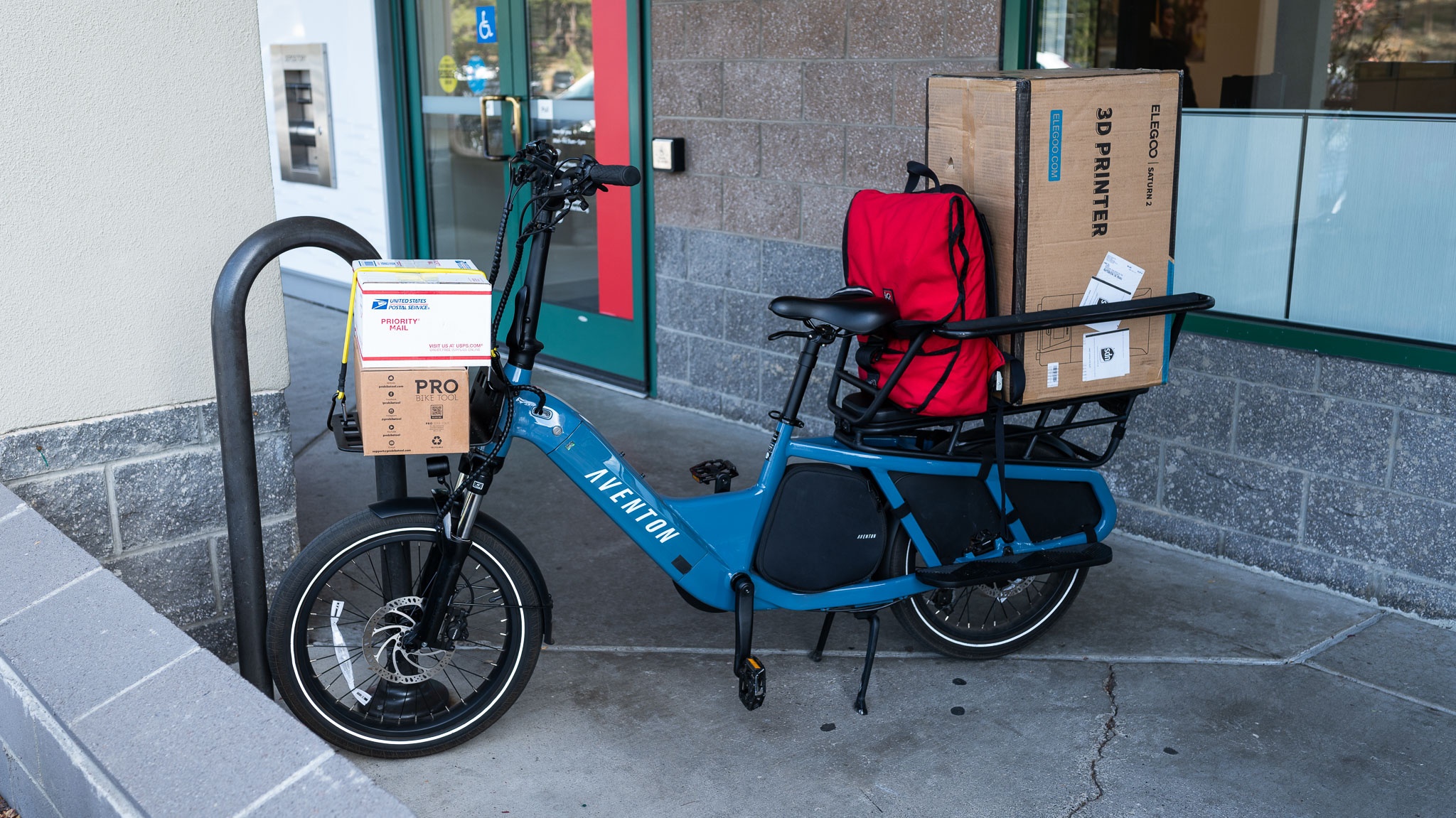
All about convenience, the Abound can haul it all and still fit in a standard sized parking space. Credit: Natalie Kafader
Fat tire electric bikes sport extra-wide, often knobby tires mirroring their analog counterparts. These high-volume tires expand the contact patch, allowing them to float over soft surfaces like sand and snow while providing enough cushioning to eliminate the need for separate suspension systems. Tire widths range from 3.7″ to 5.2″, compared to the 1.75″ to 2.25″ standard on conventional bikes. While analog fat bikes move at a deliberate, steady pace due to their oversized rubber, electric motors transform this limitation into an advantage, propelling riders efficiently through diverse terrain and challenging surface conditions. (See our favorite non-electric fat tire bikes in our dedicated review.)
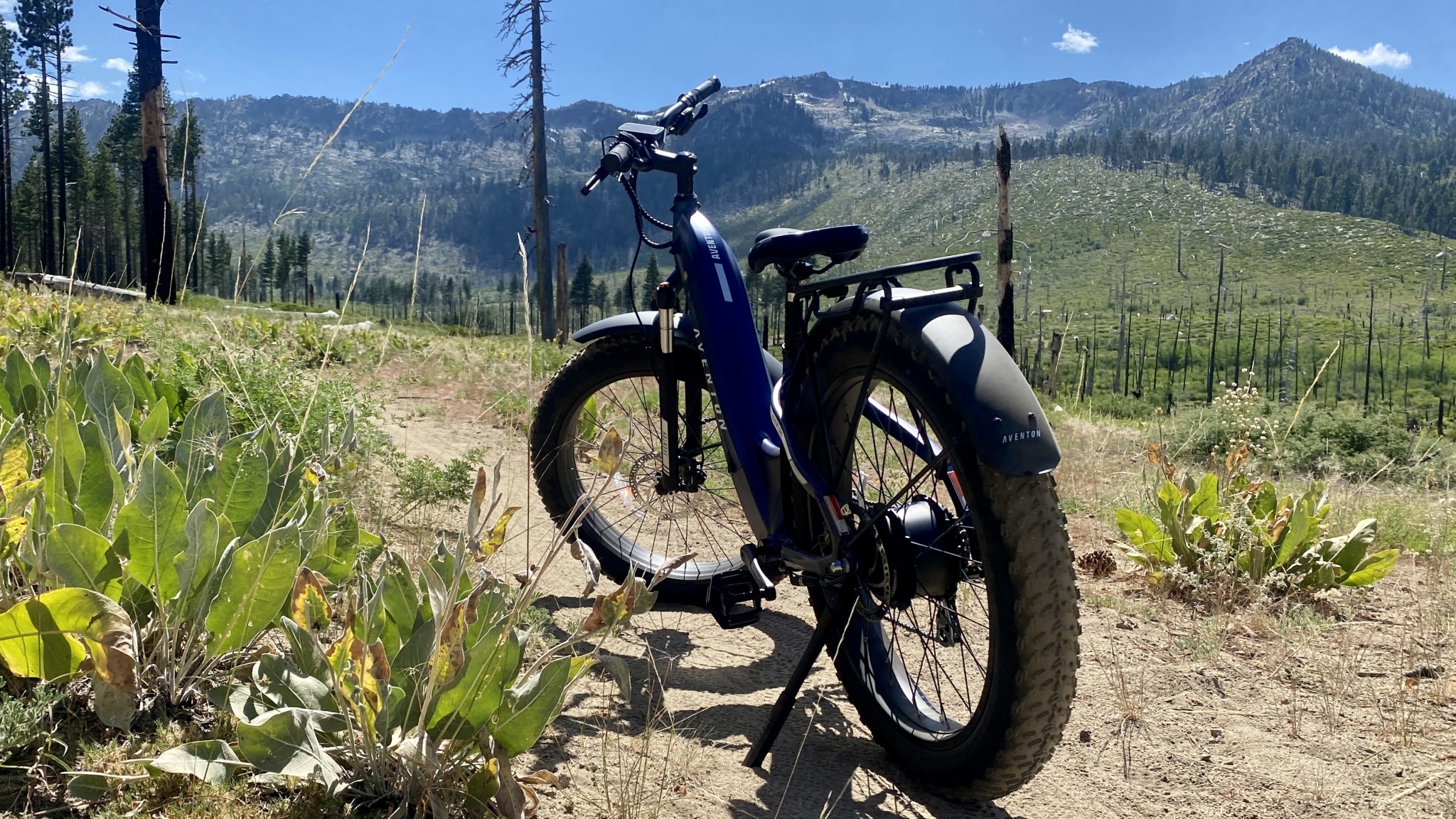
Off the beaten path, this bike seems to seek out adventures. Credit: Joshua Hutchens
E-mountain bikes are purpose-built for off-road terrain, tackling steep climbs and descents just like their analog mountain bike cousins. These models typically command premium prices due to their robust suspension systems, lightweight frames, aggressive tires, and trail-optimized geometry designed for challenging terrain.
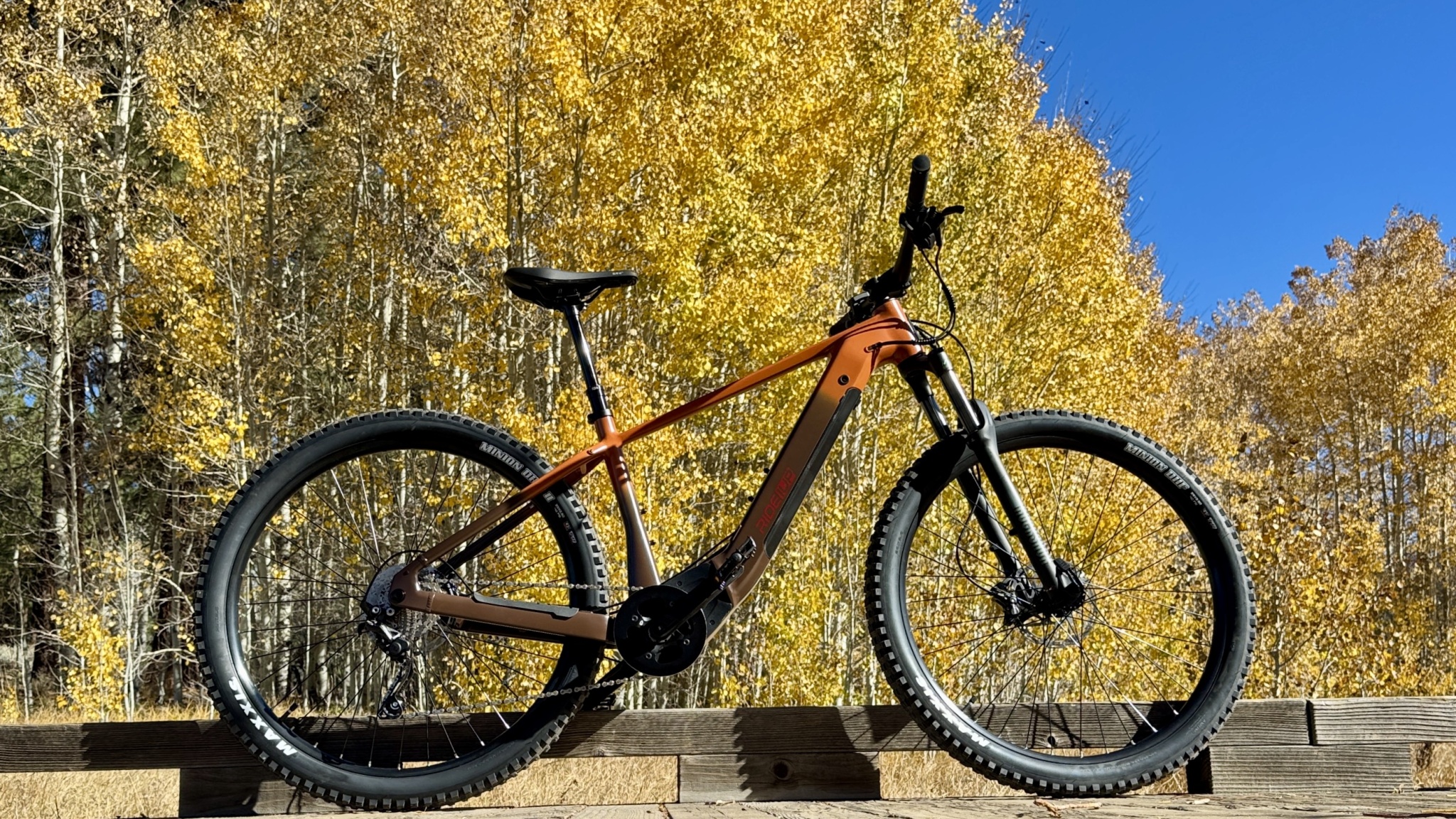
Not just for mountain biking, electric mountain bikes offer a more rugged platform for exploration wherever you take them. Credit: Joshua Hutchens
E-MTB motors typically conform to Class 1 regulations, offering multiple pedal-assist levels with electric support capped at 20 mph. Proper protective equipment is essential—invest in a well-fitted helmet and sturdy knee pads before hitting the trails. Our electric mountain bikes lineup continues to expand with new models regularly.
Traditional road bikes (and gravel bikes too) feature aggressive, forward-leaning geometry, narrow tires, and lightweight frames engineered for speed and efficiency. E-road bikes maintain these characteristics but add unavoidable weight from the battery and motor. This creates an interesting dynamic: experienced riders on analog road bikes often surpass the 20mph electric assist cutoff on flat terrain and descents, effectively pedaling extra weight. In hilly regions, however, the pedal assist becomes invaluable. Premium carbon frames and performance-oriented components typically push e-road bikes into higher price brackets compared to other e-bike categories.
Gravel bikes bridge the gap between road and trail, earning their reputation as the Swiss Army knives of cycling. Electric motors amplify this versatility, extending your range across diverse terrain. E-gravel bikes prioritize low weight, typically providing moderate assistance to maintain an authentic riding feel. With multiple handlebar positions and a relaxed, upright geometry, these bikes excel at all-day comfort during extended adventures.
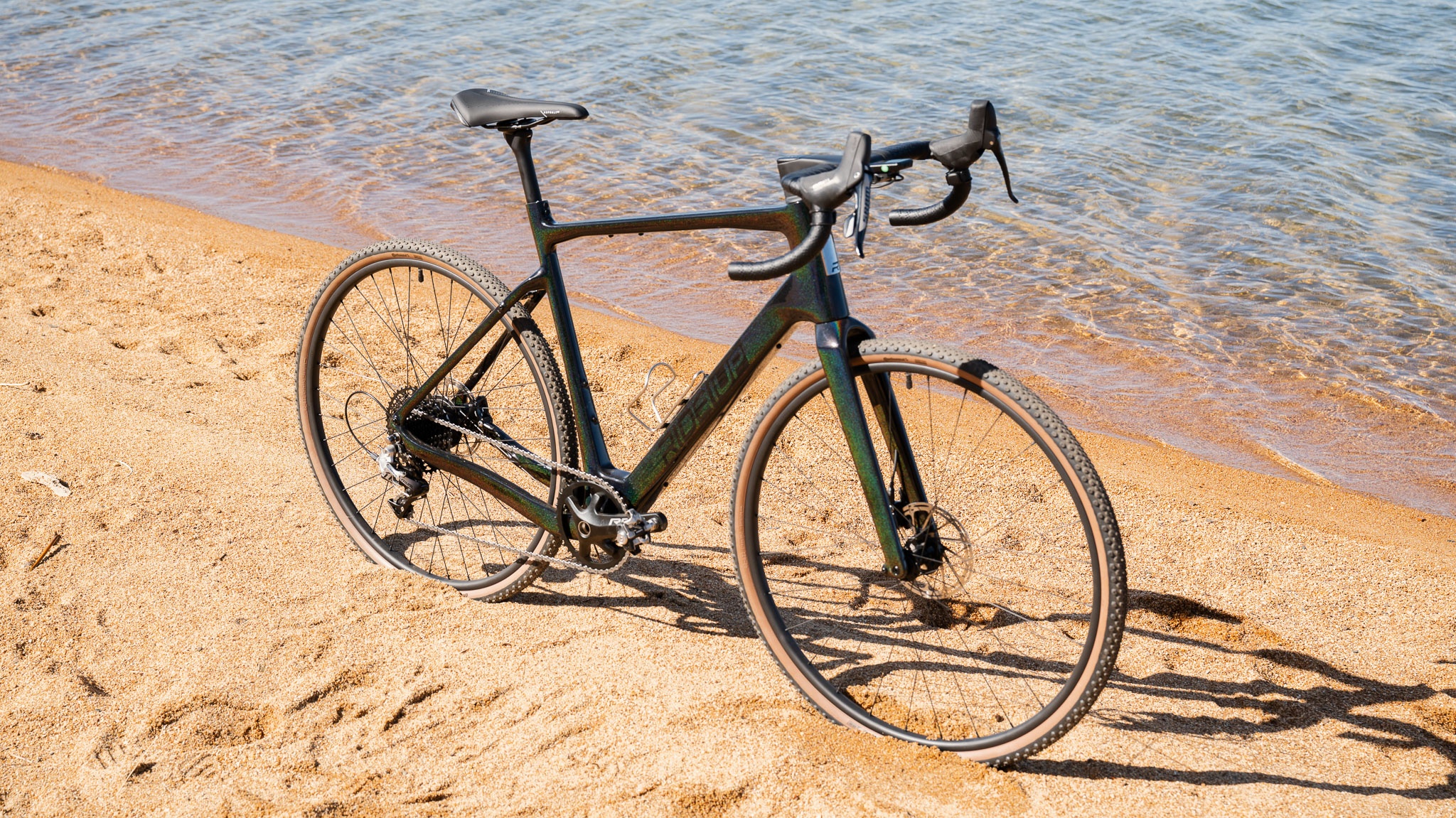
You mean to tell me this thing has a motor? Credit: Matt Lighthart
Now that we’ve covered the main groups of e-bikes, you’ve probably had a chance to narrow down the type of bike you want. When it comes down to the finalists in your list, these features and specs can help you narrow your choices even further.
Most e-bikes deliver 20-40 miles of range, though battery capacity and motor power play key roles. Actual range varies significantly based on rider weight, terrain, and how much you rely on pedal assist versus throttle. Unsurprisingly, adding your own pedaling effort substantially extends range. Battery capacity is measured in Watt-hours (Wh)—higher numbers mean more energy storage and longer range, but also increased weight and size. Larger batteries can tip the scales at 10 pounds. E-bike motors typically range from 250W to 750W, with higher-wattage motors delivering greater torque, quicker acceleration, and higher top speeds.
Hub vs Mid Drive Motors
Hub-drive motors are located within the wheel hub, usually the rear one, and deliver power directly to that wheel. They offer affordability, simpler maintenance, and reduced wear on drivetrain components. The tradeoffs include lower efficiency due to a fixed gear ratio and more complicated tire changes or repairs. Mid-drive motors mount at the bike’s center, near the pedal crank, and transmit power through the chain and drivetrain. While more expensive, they provide superior performance by leveraging the bike’s existing gears for optimal efficiency across varying terrain.
Mid-drive and hub motors shown here.
Pedal Assist Modes
Electric bikes use two main pedal-assist systems: torque sensors and cadence sensors. Torque sensors employ strain gauges to measure pedaling force, delivering proportional power based on your effort and selected assist level. Though typically pricier, these sensors create an intuitive, natural riding experience by responding instantly to your pedaling intensity—increasing power when you push harder and decreasing when you ease up.
Cadence sensors function more like an on/off switch. Once you start pedaling, the motor engages, but power output typically requires manual adjustment through handlebar controls. Advanced cadence sensors count pedal rotations to automatically modulate power—though they still can’t detect pedaling force. These systems cost less, demand minimal rider effort, but drain batteries faster than torque-based alternatives.
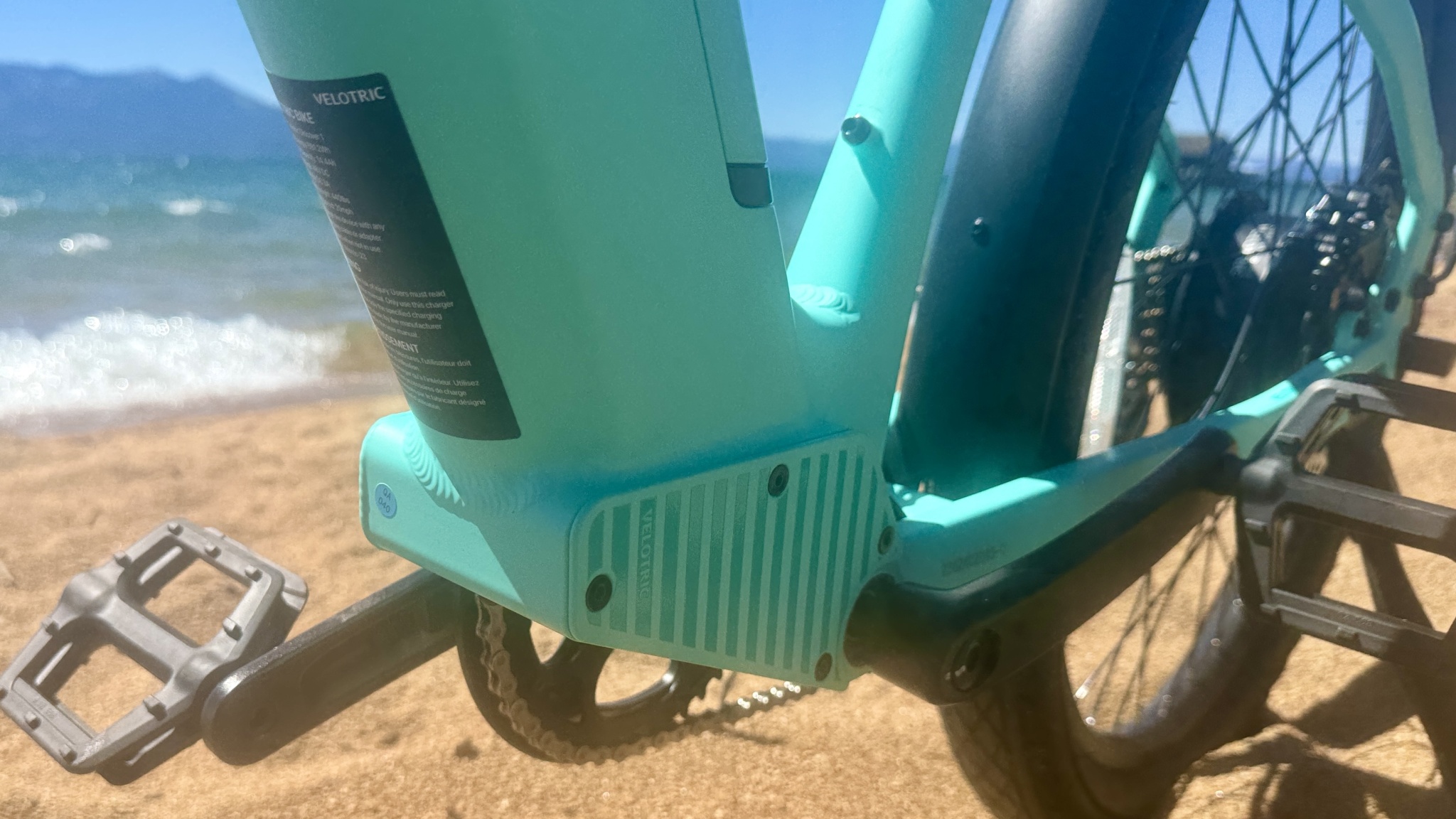
The bike’s controller and cadence sensor are housed here. Credit: Joshua Hutchens
Finally, consider ease-of-use features and whether accessories come included or require a separate purchase. User interfaces vary significantly between models. Basic displays show essentials like battery level and power mode, while advanced options provide speed, distance, and comprehensive ride statistics. Certain models offer companion apps for ride tracking and smartphone-based settings adjustments.
Though typically available aftermarket, accessories like headlights, tail lights, fenders, and cargo racks add immediate value. Many brands design model-specific accessories—baskets, kids’ seats, and more—that integrate seamlessly. Removable batteries have become standard, simplifying charging by eliminating the need to move the entire bike to an outlet. This feature doubles as a theft deterrent and reduces weight when transporting your bike on a vehicle rack.
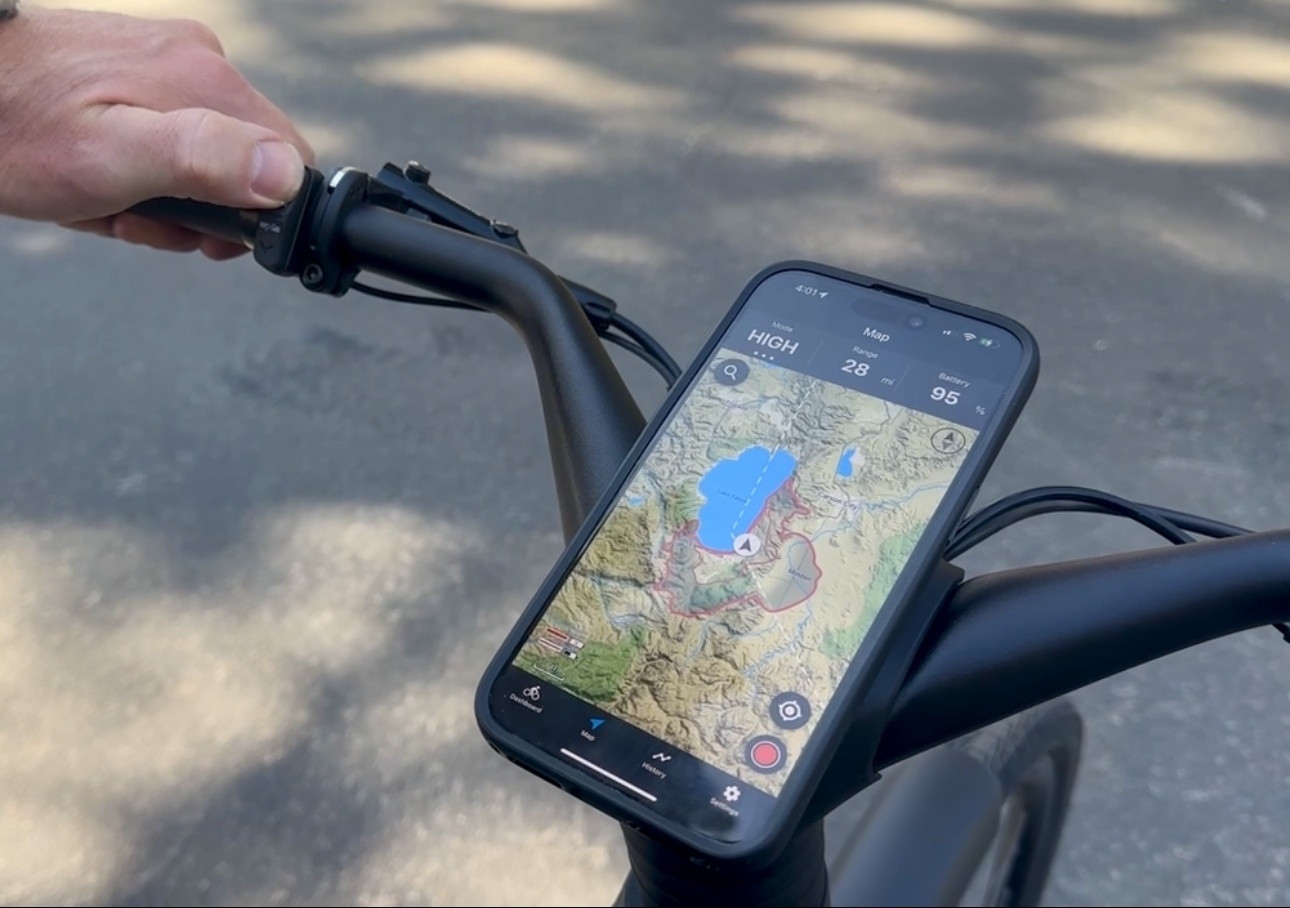
There is a wide variety of ebike interfaces, some with smartphone integration allowing for tracking and navigation. Credit: Joshua Hutchens
A few Frequently Asked Questions
What is the best electric bike for the money in 2026? For pure value, the Lectric XP4 stands out. Lectric has packed an impressive amount of performance into this model without the typical compromises. You might expect sacrifices in comfort, range, or power at this price point, but the XP4—particularly the XP4 500—delivers across the board.
How much range do electric bikes actually get? Manufacturer claims of “20-50 miles” rarely provide useful guidance. Our testing delivers real-world answers. We use a standardized 180-pound rider who tackles steep hills using throttle-only power, giving you a worst-case scenario for any e-bike. This consistent, challenging test course ensures our range numbers are directly comparable across all models.
Is a torque sensor better than a cadence sensor? It depends on your riding style. Torque sensors deliver a natural feel by proportionally matching motor assistance to your pedaling effort—like riding with a constant tailwind. Cadence sensors simply detect pedaling and activate full motor power, ideal for cruising with minimal exertion while the motor handles most of the work. Choose based on whether you want an intuitive, bike-like experience or effortless transportation.
Conclusion
The electric bike market offers an overwhelming array of types and styles, making the selection process challenging. But choosing the right e-bike can transform your commute, help you skip traffic jams, and secure prime parking every time. While pedaling is optional, the benefits are guaranteed. Approach your purchase with realistic expectations about intended use, yet remain open to the possibilities—we’ve watched countless riders discover they use their e-bike far more than anticipated, turning that initial investment into pennies per mile. Our months of rigorous research and testing cut through marketing hype and unverified claims to deliver actionable insights. We hope our work brings you closer to finding your ideal bike, embracing a healthier lifestyle, and ultimately selecting an e-bike you’ll genuinely love.