Verge Motorcycles has reached a major milestone in electric vehicle development, becoming the first manufacturer to introduce solid-state battery technology in production motorcycles available to customers.
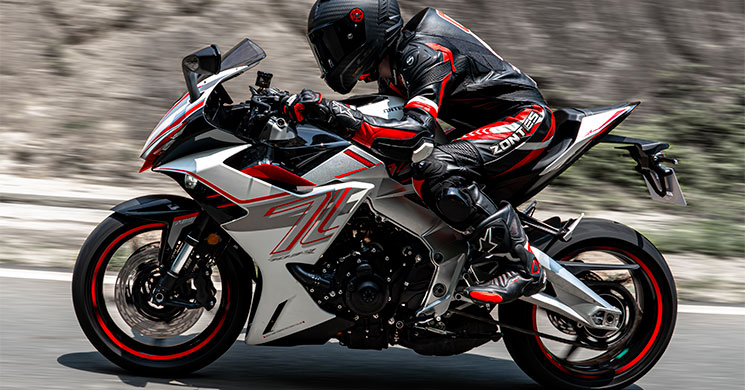
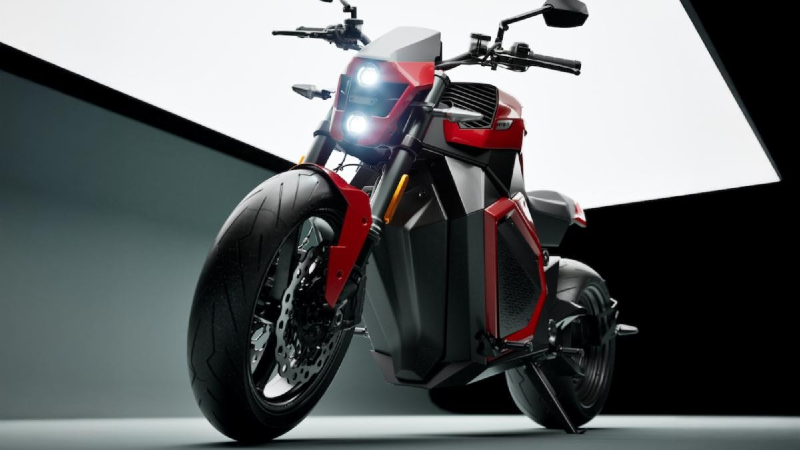 The solid-state batteries are being introduced on the latest evolution of the Verge TS Pro, which was unveiled in November at the EICMA motorcycle show in Milan. (Photos: Verge Motorcycles)
The Finland-based electric motorcycle brand says the new battery technology delivers significantly faster charging and extended range compared to conventional lithium-ion systems, marking a long-anticipated step forward for electric powersports. Verge’s solid-state batteries enable up to 370 miles of range and can add roughly 186 miles of range in about 10 minutes of charging.
Verge developed and validated the battery system in partnership with technology company Donut Lab. While solid-state batteries have been widely discussed and tested across the automotive industry, they have largely remained in the prototype stage. Verge is now moving the technology onto public roads, with customer deliveries expected in the coming months.
The solid-state batteries are being introduced on the latest evolution of the Verge TS Pro, which was unveiled in November at the EICMA motorcycle show in Milan. According to the company, the updated TS Pro is already in production and available through Verge’s direct sales channels and showroom locations.
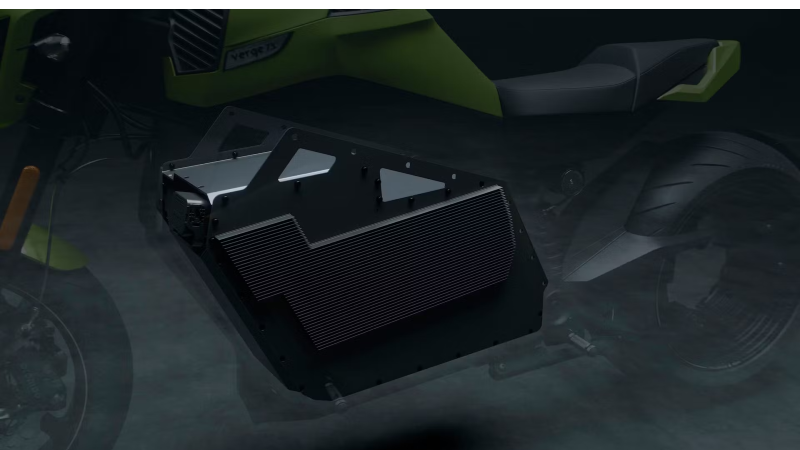 Solid-state batteries differ from traditional lithium-ion batteries by using a solid electrolyte instead of liquid or gel-based materials.
Solid-state batteries differ from traditional lithium-ion batteries by using a solid electrolyte instead of liquid or gel-based materials. This design improves energy density, charging performance, and safety. Unlike conventional battery packs, solid-state batteries are far less prone to thermal runaway or fire, an important consideration for riders, dealers, and charging infrastructure.
Tuomo Lehtimäki, CEO of Verge Motorcycles, said the move represents a significant shift for the broader vehicle market, not just electric motorcycles. He noted that years of development and validation with Donut Lab allowed Verge to integrate the technology into a production-ready platform without increasing the motorcycle’s price.
In addition to the new battery technology, the updated Verge TS Pro features the company’s second-generation Donut 2.0 hubless rear wheel motor. The motor is 50% lighter than the previous version while maintaining the same output, including 1,000 Nm of torque. Verge claims the weight reduction improves efficiency, stability, and handling, with acceleration from 0–62 mph in 3.5 seconds.
The standard battery configuration offers an estimated range of approximately 217 miles, while an optional extended-range pack increases total range to as much as 370 miles on a single charge. Verge says the solid-state battery is designed to last for the life of the motorcycle, addressing long-term durability concerns commonly associated with electric vehicle batteries.
Donut Lab CTO Ville Piippo said the battery technology has applications beyond motorcycles, including passenger vehicles, commercial trucks, robotics, and stationary energy storage, positioning Verge’s motorcycle as the first commercial example of a broader platform.
From a sustainability standpoint, Verge says the solid-state batteries are made using materials that are widely available, reducing reliance on scarce resources and helping stabilize long-term production.
For dealers watching the evolution of electric powersports, Verge’s announcement represents a notable shift from concept-stage innovation to real-world customer availability — potentially signaling what future battery technology could look like across the motorcycle and broader powersports markets.
More information is available at vergemotorcycles.com.