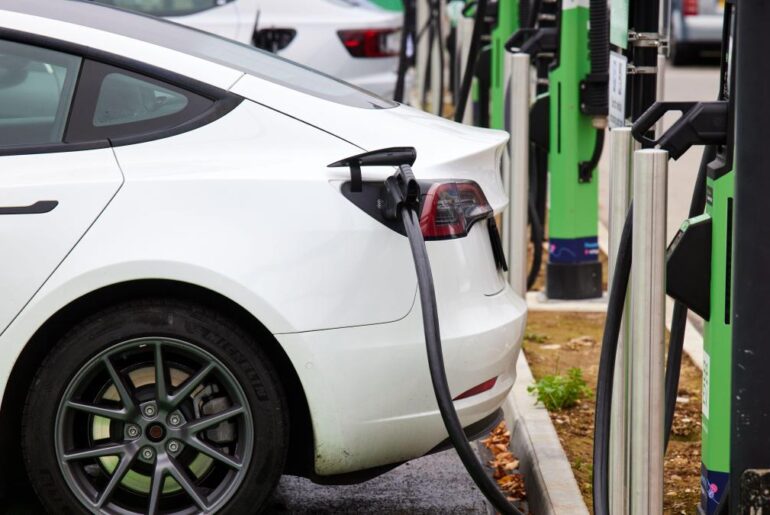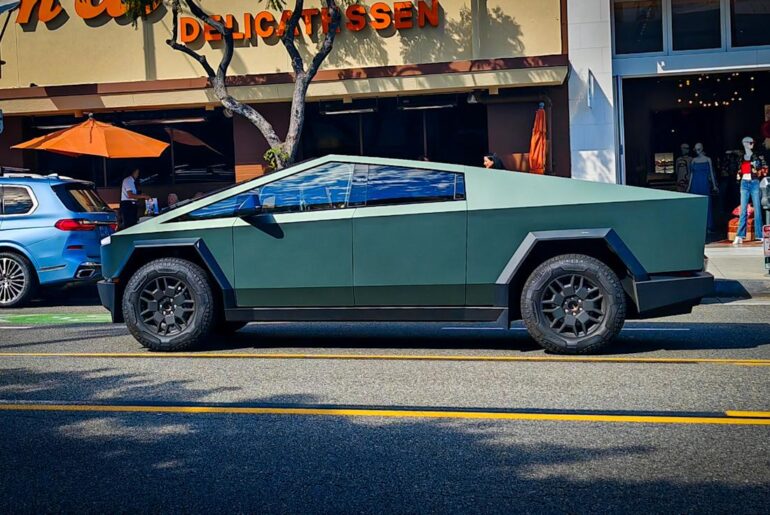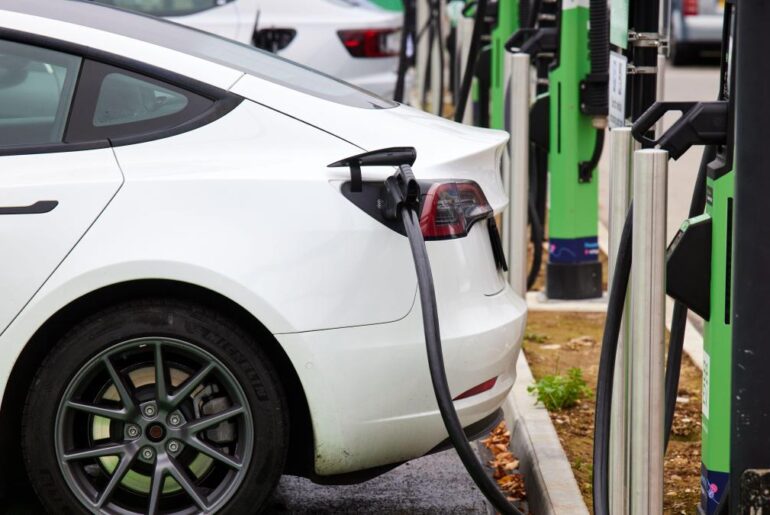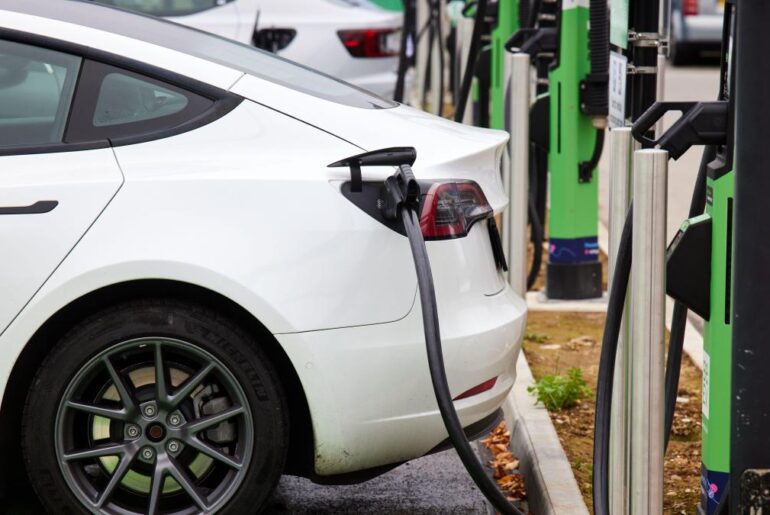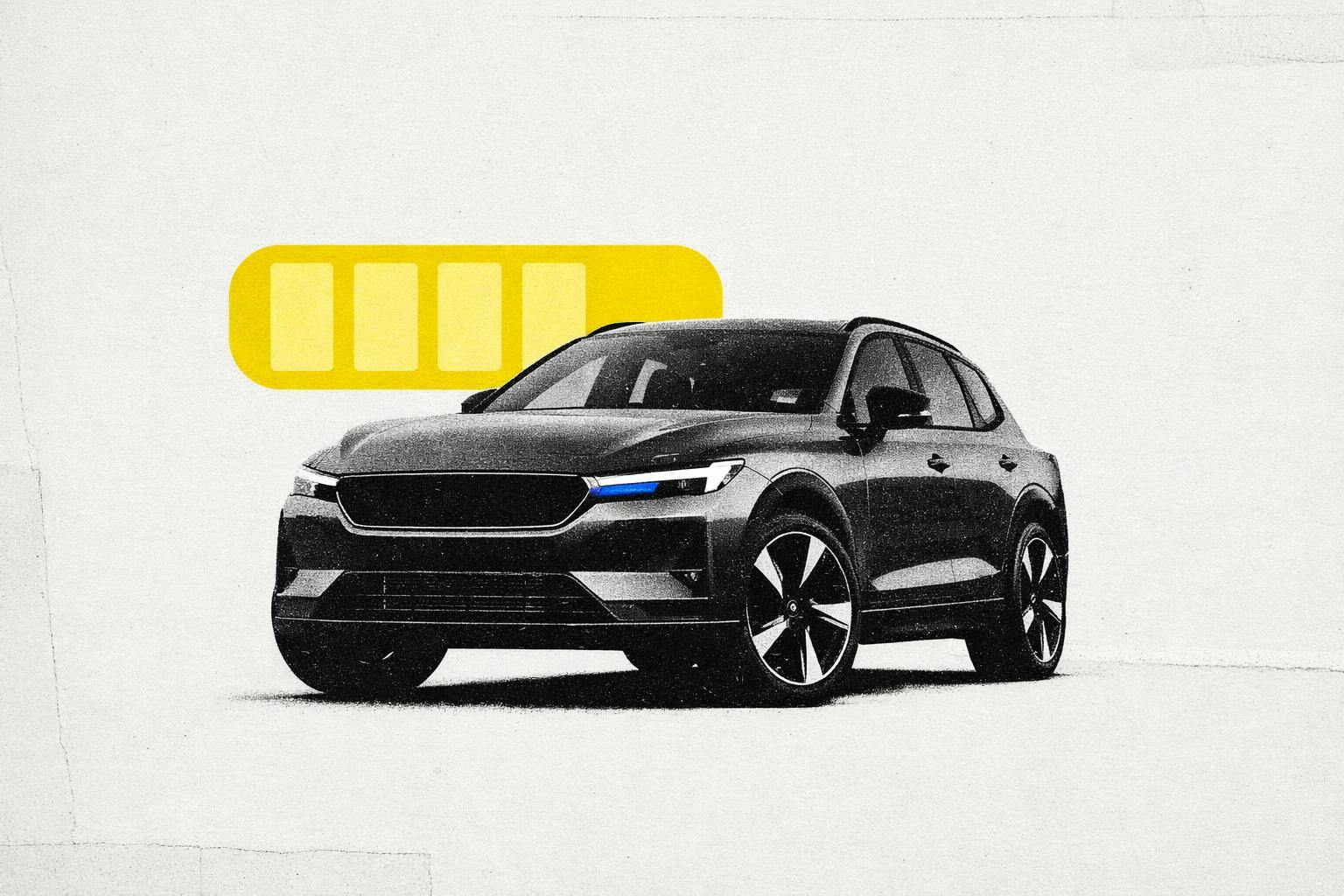
claim lands in a crowded field – Tesla’s long-range Model Y sets expectations in many markets, while China’s Zeekr 7X advertises 800+ km figures at home.
Why should I care?
For markets: Specs sell cars but execution sells brands.
If Volvo delivers those headline numbers at a competitive price, it could pull mainstream buyers off the fence and defend share in midsize SUVs. But investors will be watching manufacturing and software more than marketing: recent launches like the EX30 and EX90 have faced delays tied to software, supply chains, and tariffs. Safety headlines matter, too – Volvo has said it will recall certain 2024–2026 EX30 variants over a rare overheating risk, a reminder that trust can move demand as much as range.
Zooming out: EV competition is moving from novelty to convenience.
The next wave of buyers cares less about being first and more about charging time, winter range, and hassle-free ownership. That’s why automakers are chasing longer ranges and faster charging, and why China has become the proving ground for big-number claims. The winners globally are likely to be the companies that can scale new EV platforms reliably, not just talk them up.