Revolutionizing the Ride: How Verge’s Solid-State Battery is Electrifying the Motorcycle World
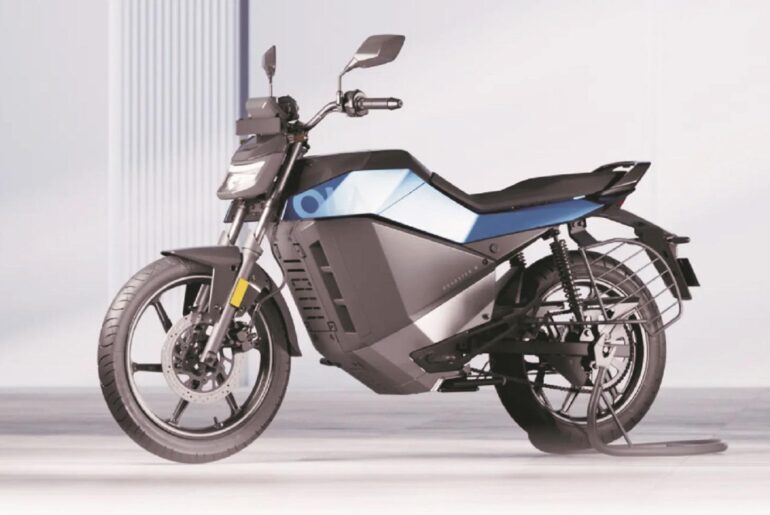
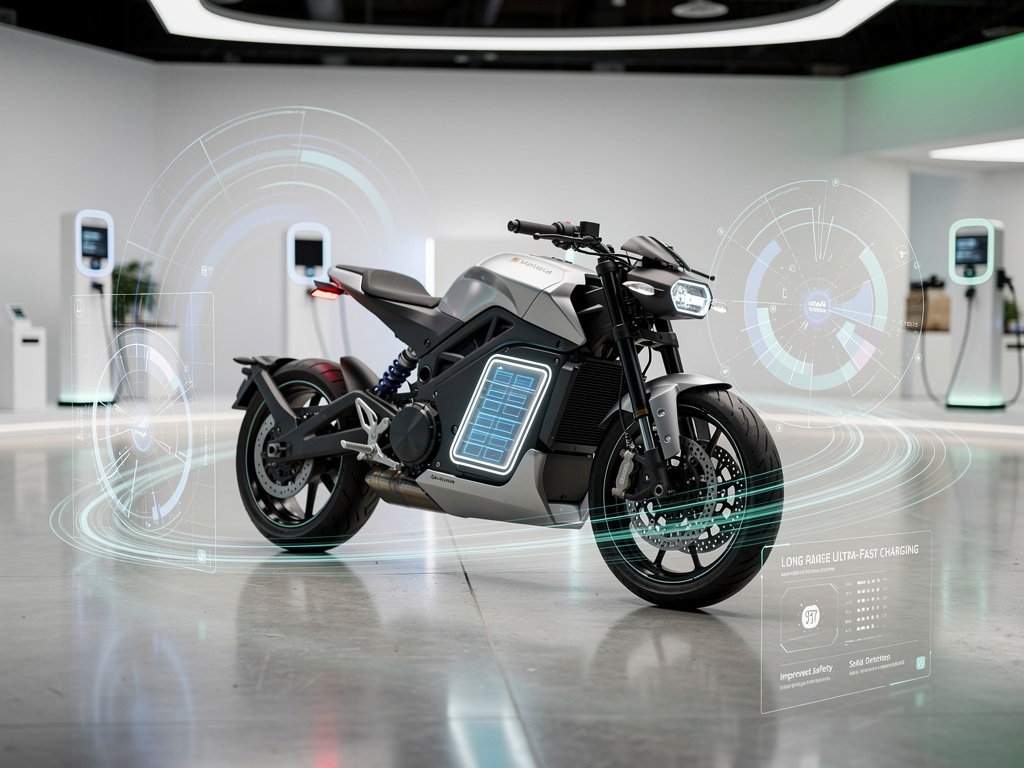
In the rapidly evolving realm of electric vehicles, a Finnish upstart is making waves with a technology that could transform not just motorcycles, but the broader push toward sustainable transportation. Verge Motorcycles has unveiled what it claims is the world’s first production motorcycle equipped with an all-solid-state battery, promising an astonishing 370-mile range and charge times as quick as 10 minutes. This development, announced at CES 2026, positions the company’s TS Pro model as a potential game-changer for riders who have long been deterred by the limitations of traditional lithium-ion batteries.
The TS Pro, an upgraded version of Verge’s hubless electric motorcycle, integrates a 33.3 kWh solid-state battery that delivers up to 373 miles on a single charge, according to reports from industry sources. This isn’t just about extending range; it’s about addressing the core pain points of electric mobility—long charging downtimes and range anxiety. As detailed in a recent article from TechRadar, the battery enables fast charging that can add 300 kilometers (about 186 miles) in under 10 minutes, a feat that sounds almost too futuristic to be true.
Skepticism abounds, as with any breakthrough claim in the battery sector. Electrek, in its coverage, questioned whether these specs are “too good to be true,” pointing out that solid-state batteries have been hyped for years without widespread commercialization. Yet, Verge’s partnership with Donut Lab, a Finnish technology firm, appears to have cracked the code, making this the first such battery ready for gigawatt-hour scale production without relying on rare materials.
Breaking Barriers in Battery Tech
Solid-state batteries replace the liquid electrolytes found in conventional lithium-ion cells with solid materials, offering higher energy density, faster charging, and improved safety by reducing fire risks. For motorcycles, where weight and space are critical, this translates to a compact power source that doesn’t compromise on performance. The Verge TS Pro boasts 1,000 Nm of torque and accelerates from 0 to 60 mph in 3.5 seconds, blending supercar-like power with eco-friendly credentials.
Industry insiders note that while automotive giants like Toyota and BMW have teased solid-state tech for cars, Verge has beaten them to market in the two-wheeled space. A piece from Electrek highlights how Verge’s hubless rear wheel design, which integrates the motor directly into the wheel, complements the battery’s efficiency, minimizing energy loss and enhancing the riding experience.
This innovation comes at a pivotal time. Electric motorcycles have struggled to gain traction against gas-powered counterparts due to battery constraints. Verge’s approach could shift that dynamic, especially in urban and touring segments where quick top-ups are essential. Posts on X (formerly Twitter) from tech enthusiasts echo this excitement, with users praising the 600 km range variant and speculating on its impact on long-distance riding.
From Concept to Road-Ready Reality
Verge’s journey to this milestone hasn’t been without hurdles. Founded in Finland, the company has focused on futuristic designs since its inception, but scaling solid-state tech required overcoming manufacturing challenges. According to New Atlas, the TS Pro’s battery is now standard in all 2026 models, a bold move that signals confidence in the technology’s reliability.
Donut Lab’s role is crucial here. Their solid-state battery, unveiled as production-ready, promises not only rapid charging but also longevity, with claims of retaining 80% capacity after thousands of cycles. This contrasts sharply with current EV batteries that degrade faster under high-stress conditions like fast charging. For industry observers, this represents a leap toward making electric vehicles viable for everyday use without the infrastructure overhauls needed for widespread adoption.
Moreover, the absence of rare earth materials in Donut Lab’s design addresses supply chain vulnerabilities that have plagued the EV industry. As reported in InsideEVs, this could lower costs and environmental impact, making high-performance electric motorcycles more accessible.
Industry Ripples and Competitive Pressures
The announcement has sent ripples through the motorcycle manufacturing sector. Traditional players like Harley-Davidson and BMW, who have dabbled in electrics with models like the LiveWire and CE 04, now face pressure to accelerate their own R&D. Verge’s TS Pro, priced competitively for its specs, could capture market share in the premium segment, where riders prioritize innovation over heritage.
On X, discussions among EV advocates highlight comparisons to advancements in cars, such as Zeekr’s ultra-fast charging batteries that add 300 miles in 15 minutes. While not directly comparable, these posts underscore a growing sentiment that solid-state tech is the next frontier, with Verge leading the charge in motorcycles.
Critics, however, point to potential drawbacks. Solid-state batteries are notoriously difficult to produce at scale, and real-world testing will be key. A report from Motorcycle News notes that while the TS Pro’s 20-80% charge in 10 minutes is impressive, it requires compatible high-power chargers, which aren’t ubiquitous yet.
Engineering Marvels Under the Hood
Diving deeper into the TS Pro’s specs reveals engineering prowess. The larger 33.3 kWh battery option extends range to 373 miles, ideal for cross-country tours, while a smaller 20 kWh version offers 217 miles with similar fast-charging capabilities. This flexibility caters to different rider needs, from commuters to adventurers.
Verge’s in-house development, as covered by electrive.com, ensures tight integration between battery and chassis. The hubless design not only looks sleek but reduces mechanical complexity, potentially lowering maintenance costs—a boon for fleet operators considering electric transitions.
Safety features are enhanced too. Solid-state tech minimizes thermal runaway risks, making the TS Pro safer in crashes or extreme conditions. Industry experts, drawing from posts on X, speculate this could influence regulations, pushing for stricter standards on battery safety in two-wheelers.
Market Potential and Global Reach
Verge’s ambitions extend beyond Europe. With production ramping up, the company eyes North American and Asian markets, where electric vehicle adoption is surging. The TS Pro’s performance metrics—top speed over 124 mph and seamless power delivery—position it as a rival to gas superbikes without the emissions.
Economic factors play in. At a time when fuel prices fluctuate and environmental regulations tighten, solid-state batteries could make electrics more economical over time. A Visordown article at Visordown emphasizes how this world-first status gives Verge a marketing edge, attracting tech-savvy buyers.
Yet, challenges remain. Scaling production to meet demand will test Verge’s capabilities, and competition from established brands investing in similar tech looms. Toyota’s reported solid-state advancements for cars, mentioned in older X posts, suggest the auto sector isn’t far behind, potentially spilling over to motorcycles.
Rider Perspectives and Future Horizons
For riders, the TS Pro promises liberation from gas stations and lengthy charges. Imagine pulling into a rest stop, grabbing a coffee, and hitting the road with a near-full battery— that’s the vision Verge sells. Feedback from early adopters, shared on platforms like X, praises the torque and handling, though some question the premium pricing.
Broader implications for the sector include accelerated innovation cycles. As Verge pushes boundaries, it forces peers to innovate, potentially leading to a new era of high-range, quick-charge vehicles across categories.
Looking ahead, if solid-state batteries prove durable in real-world use, they could redefine mobility. Verge’s breakthrough isn’t just about one motorcycle; it’s a signal that electric two-wheelers are ready to dominate, blending thrill with sustainability in ways previously unimaginable.
Sustaining Momentum in Innovation
Sustaining this momentum will require ongoing investment. Verge’s collaboration with Donut Lab, as noted in Motoplanete, highlights the importance of partnerships in bringing cutting-edge tech to market swiftly.
Environmental benefits are compelling too. By eliminating liquid electrolytes, these batteries reduce hazardous waste, aligning with global sustainability goals. This could appeal to regulators and consumers alike, fostering incentives for adoption.
Ultimately, Verge’s TS Pro stands as a testament to what’s possible when innovation meets practical engineering. As the industry watches closely, this motorcycle may well pave the way for a electrified future on two wheels, challenging conventions and inspiring the next wave of advancements.