
Published
01/01/2026 às 23:45
Updated
01/01/2026 às 23:46
The requirement for a category A or ACC driver’s license for mopeds will come into effect in January 2026, following a resolution by Contran (National Traffic Council), and directly impacts a growing fleet in Rio de Janeiro, which has increased by 11% in five years and already includes approximately 48.500 registered vehicles, expanding the reach of urban traffic enforcement.
The resolution from the National Traffic Council that redefines criteria and obligations for electric bicycles, mopeds, and self-propelled vehicles is already in effect, after an adaptation period, and will guide enforcement starting January 1, 2026, in a scenario of 11% growth in the moped fleet in Rio de Janeiro.
Fleet growth and changes in daily urban life.
Electric two- or three-wheeled vehicles have become a constant presence for short and long commutes in Brazilian cities. In Rio de Janeiro, the detran The state has recorded an 11% increase in the number of mopeds in the last five years. Currently, around 48.500 of these vehicles are circulating in the state, reflecting new mobility habits.
The expansion of this type of transportation is associated with the search for autonomy, cost-effectiveness, and reduced environmental impact. Users report that the adoption of self-propelled vehicles meets the need for faster traffic flow and improves the quality of life, both individually and collectively, by reducing the flow of cars on the streets.
— ARTICLE CONTINUES BELOW —
Technical differences between self-propelled vehicles and mopeds
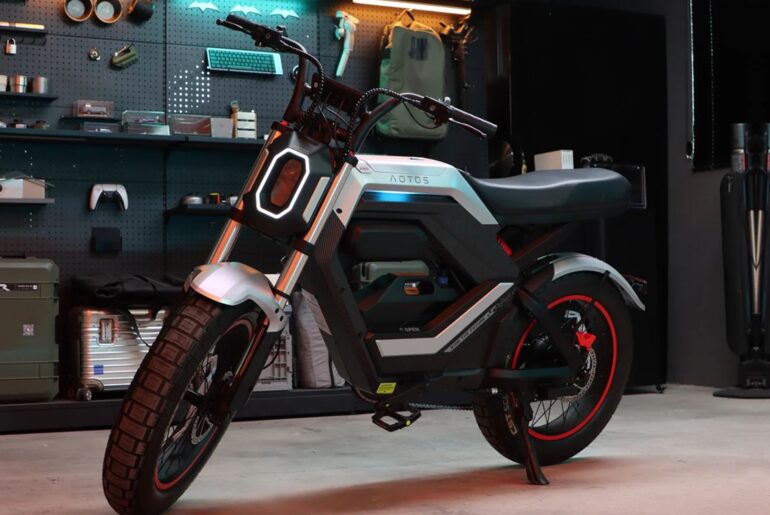
Despite the visual similarity between models, the rules clearly distinguish each category. Self-propelled vehicles are defined by a maximum speed of 32 km per hour, engine power of up to 1.000 W, a wheelbase of 1,30 meters, and a maximum width of 70 centimeters. These vehicles can have two or three wheels.
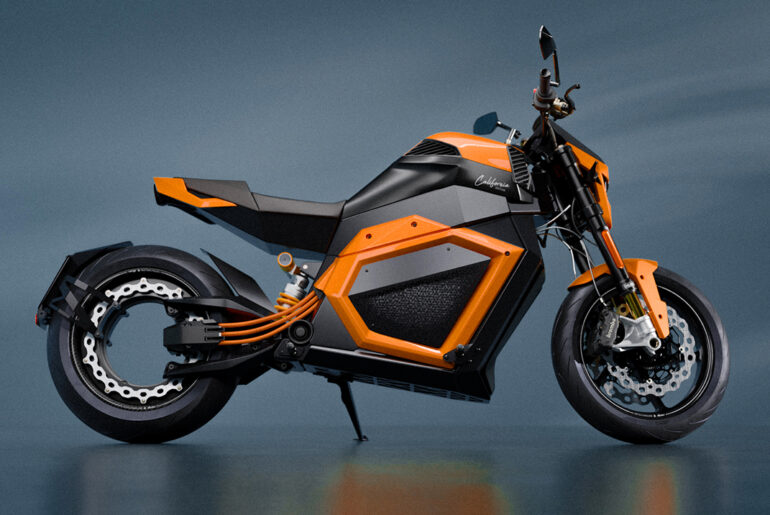
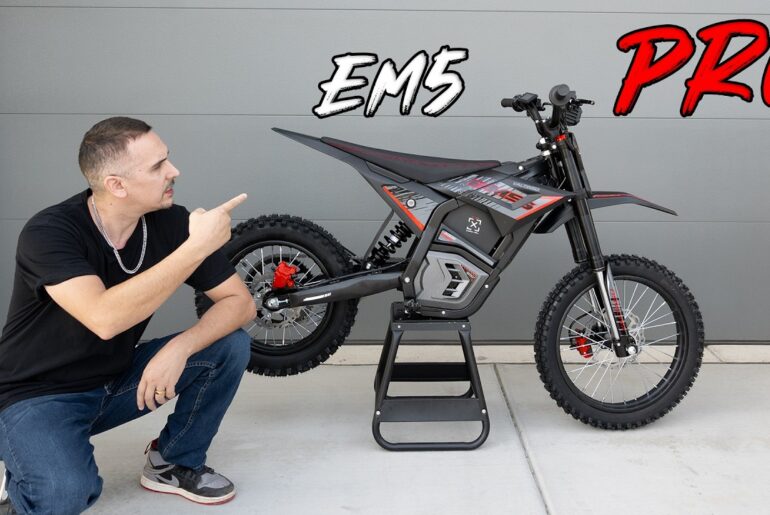
Mopeds, in turn, have a power output exceeding 1.000 W, limited to 4.000 W, and a speed exceeding 32 km per hour, with a limit of up to 50 km/h. The differentiation information This is the central criterion of the new regulation, which seeks to eliminate ambiguities created by the similar appearance of vehicles and the new habits of the user population.
New legal requirements and traffic rules
The resolution published in 2023 by National Traffic Council The new regulations came into effect after an adaptation period and brought more stringent changes for mopeds. These vehicles now need to be registered, have up-to-date licensing, and be driven by drivers with a category A driver’s license or an Authorization to Drive a Moped.
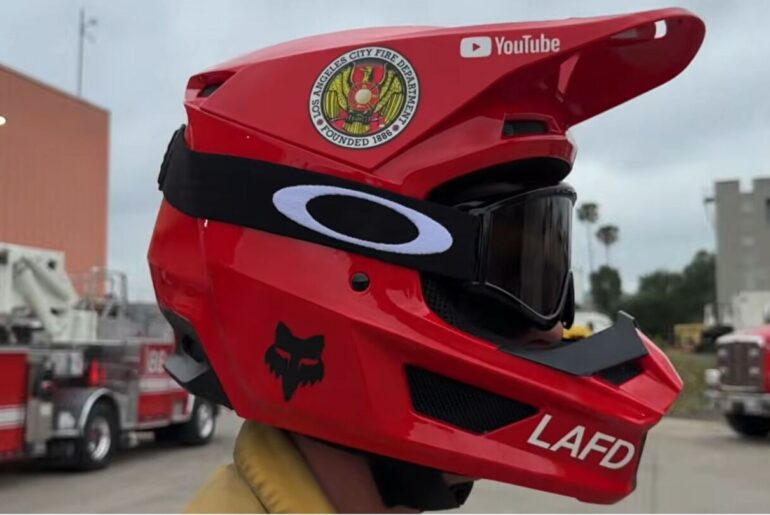
The use of helmets has become mandatory, and riding on sidewalks and bike paths remains prohibited due to the higher speeds. Electric and self-propelled bicycles, however, are exempt from registration and licensing requirements and can circulate in these spaces. Failure to comply with the rules may result in fines, vehicle impoundment, suspension or revocation of driving privileges, and civil liability in case of accidents, generating increased scrutiny from law enforcement.
Accidents, infrastructure and oversight in Rio
With increased use, the number of incidents also grew. According to the Fire DepartmentCollisions involving bicycles and electric motorcycles rose from 143 to 272 in one year, almost doubling. For conventional motorcycles, the city government implemented motorcycle lanes on roads such as Avenida Rei Pelé, reducing accidents.
The municipal goal is to reach 300 kilometers of bus lanes by 2028, including Avenida das Américas, Borges de Medeiros, and Epitácio Pessoa. Traffic law experts point out that the increasing circulation of mopeds and electric vehicles requires similar adaptations to ensure safety. In a statement, the Municipal guard He informed that he will continue to guide the population and that cases of disobedience may lead drivers to the police station, reinforcing the need to respect the rules to avoid risks and sanctions, including for inappropriate behavior.