Lotus has found itself at death’s door half a dozen times in the past, and every time, someone has come along to save it, if only temporarily. Romano Artioli was its most famous savior in 1993, purchasing Lotus from General Motors and delivering the first-gen Elise to the world, but prior to this, British Car Auctions had stepped in in 1983, and after Artioli, Malaysian automaker Proton had bought in. Lotus has gone through owners at a rapid rate, each one promising rebirth, and each failing, but when Geely acquired a controlling stake in 2017, there was a chance Lotus might finally have the money behind it to recover.
Such dreams seemed quickly shattered when Lotus announced it would go electric. The Evora and Elise would be replaced with a combustion model – the Emira – but after that, every Lotus would be electric, and there’s be an SUV, and a sedan, and a lot of very un-Chapman-like weight. Was that announcement the death of Lotus? Perhaps not.
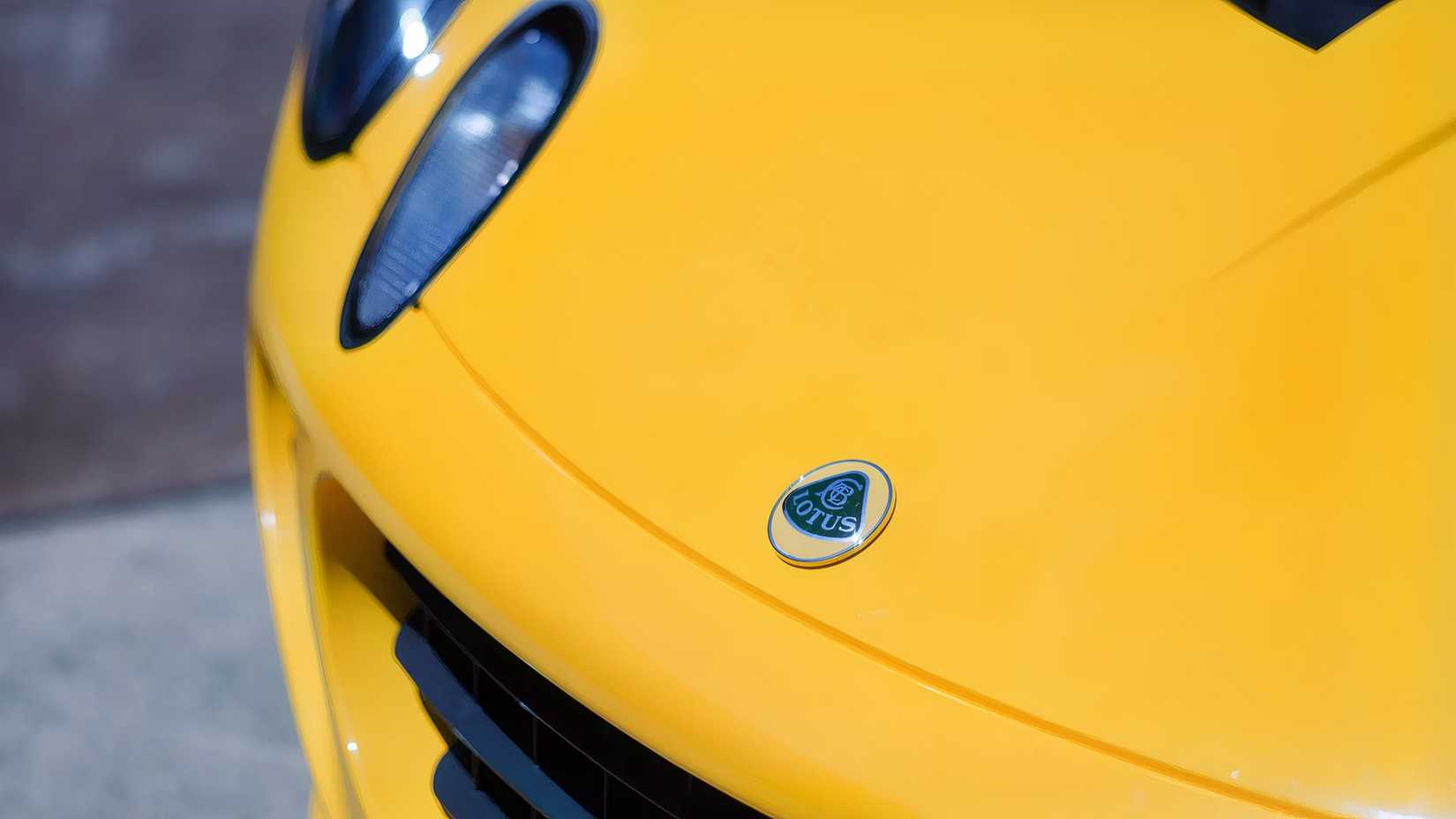
Nose shot of a yellow 2005 Lotus Elise.Bring A Trailer
The Electric Choice Briefly Seemed Right
The world was quickly pivoting towards electricity as its powertrain of choice, and while traditional Lotus buyers might not like it, there was a market for electrified performance cars quickly growing. This was the gamble Lotus had bet on, and it had chosen to take the leap into battery electric vehicles (BEV) rather than steady steps to hybrids and then EVs, with a smidge of synthetic fuel development in between.
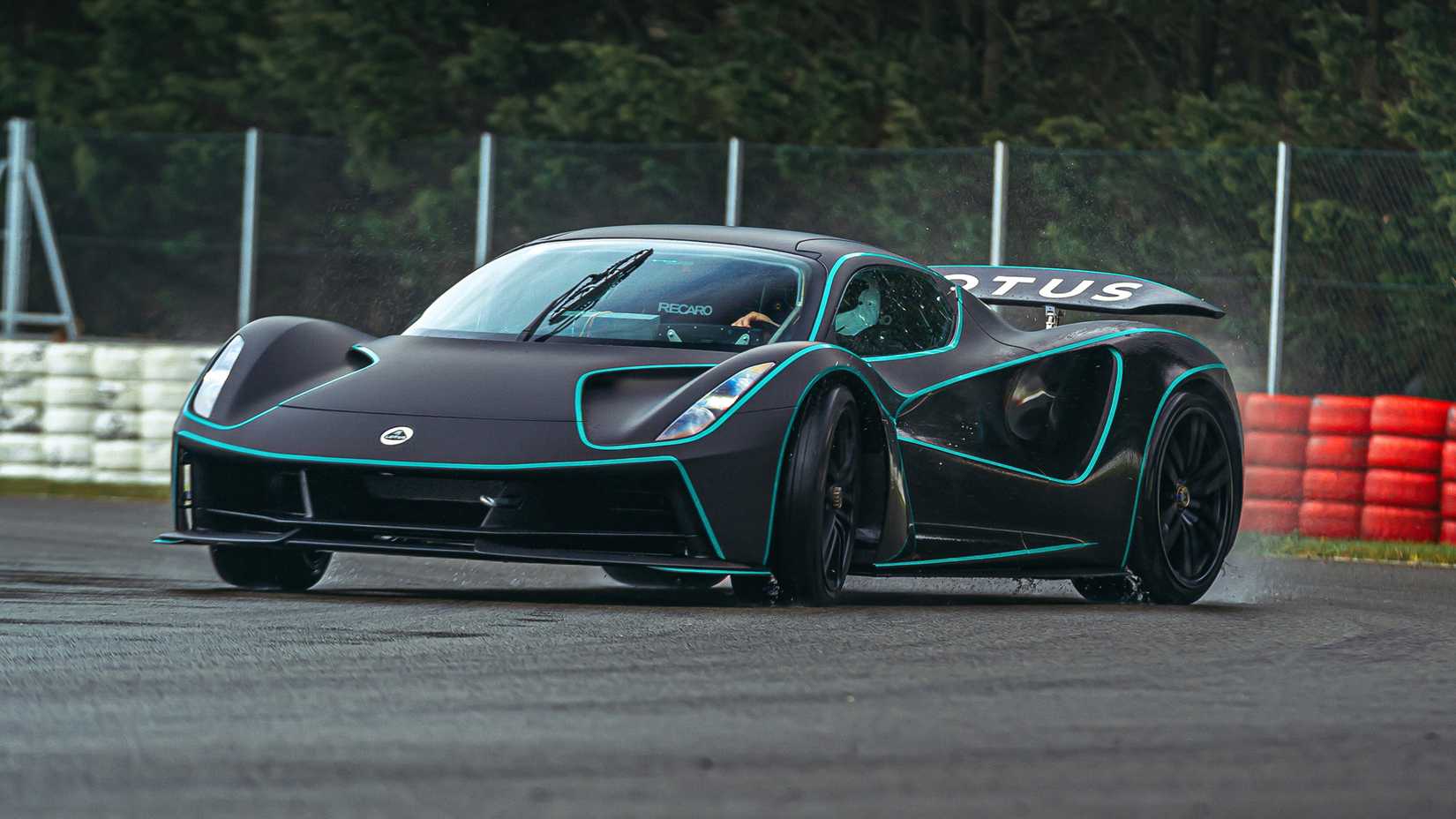
Lotus Evija Front 3/4 ViewLotus
That leap had been driven by necessity. As a small-volume automaker, Lotus didn’t have the massive budgets and projected sales figures of Porsche or Mercedes-Benz. And as such, it couldn’t justify spending money investing in hybrid powertrain or synthetic fuel development for what would ultimately be one generation of vehicles. At the time, European governments seemed hellbent on banning combustion before 2035, and many US states seemed to be of the same opinion. Lotus was not in the position where it could wait and see how things played out, and it decided to roll the dice early in the hopes that an early move would secure its future.
A few years ago, in 2023, then head of sales and marketing for Lotus Advanced performance, Simon Croft, told CarBuzz that Lotus had to decide whether it wanted to honor its heritage for a few more years, or make a decision that guaranteed it would still be here in 10 years. The choice to go EV was driven by this, as, in Croft’s words, to pursue hybrids and synthetic fuels, Lotus “would have to fund an entirely separate powertrain division for this.”
Related
The Lotus Hot Hatch Nobody Knows About
Lotus has had a hand in many different cars over the years, but it also helped to develop the handling on an unknown Malaysian hot hatch in the 1990s.
This was something the brand did not have the means to achieve, even with a Chinese automotive giant like Geely’s backing. But in just the two years since Croft’s statements, the world has changed drastically. Automakers have been forced to renege on their EV-only promises, and many have flushed billions of dollars in EV development down the drain as they suddenly pivot back to combustion and hydrogen. Everyone from Volvo (also Geely-owned) to Porsche is in this situation, but unlike Lotus, those are brands that sell tens, if not hundreds, times more vehicles than the British sports car marque.
Lotus Going Hybrid, But It Might Be The Last Chance It Has
Lotus was one of the last hold-outs, committed to its BEV plans until the 11th hour before changing strategy. The latest news from the brand’s Hethel HQ in the UK is that it’s going plug-in hybrid, with the Eletre SUV being the first model to get the new powertrain.
SUVs are always anticipated to be volume sellers, and the Eletre was meant to provide stability for Lotus, especially in the USA. But the Eletre is built in China, and even before President Trump came into power and started slapping tariffs against anyone who looked in his direction, President Biden had already imposed a 102% tariff against Chinese-made electric cars. Guess where the Eletre was exclusively built…
So going hybrid could save the brand, right? Maybe, but I’m inclined to believe this is Lotus’s last chance. The brand has waited too long to pivot, and is significantly on the back foot. If it had made the decision to go hybrid earlier, it would’ve had to flush all its EV development down the drain, but now that it waited, it’s starting behind the curve and other automakers have the momentum.
Related
The Sports Car That Saved Lotus Is Being Turned Into A Mini McLaren F1
The first-gen Lotus Elise gets the restomod treatment, with the driving sitting in the middle.
Plus, if Lotus didn’t have the money to invest in new engine development two years ago, where does it suddenly have the money to do so now? The brand has been suffering this year, posting record losses and slashing its workforce at Hethel by 40%. It was even touted that Lotus could build sports cars for other automakers to stay afloat, so it’s clear the brand doesn’t have money in reserve to suddenly develop hybrid powertrains.
What’s likely the case is that major shareholders like Geely have given Lotus one last chance, sucking up the losses and chalking them up to changes in global circumstances. But if that is the case, then I fear Lotus is on its ninth life. I don’t see Geely bailing Lotus out again if this final Hail Mary doesn’t work.
Three Lotus PHEVs will arrive from next year, the first likely being Eletre derived. Thereafter, it’s believed the Emira will go hybrid too. But after years of delayed Emira deliveries, failed market launches for Eletre, and endless delays to the Evija electric hypercar’s customer deliveries, will there be anyone standing in line to buy these Lotus models in the US?
I fear the end is near for Lotus. If it doesn’t nail this hybrid plan from the very start, it might be looking for yet another new owner lest Colin Chapman’s legacy goes up in silent EV smoke. I hope I’m wrong.
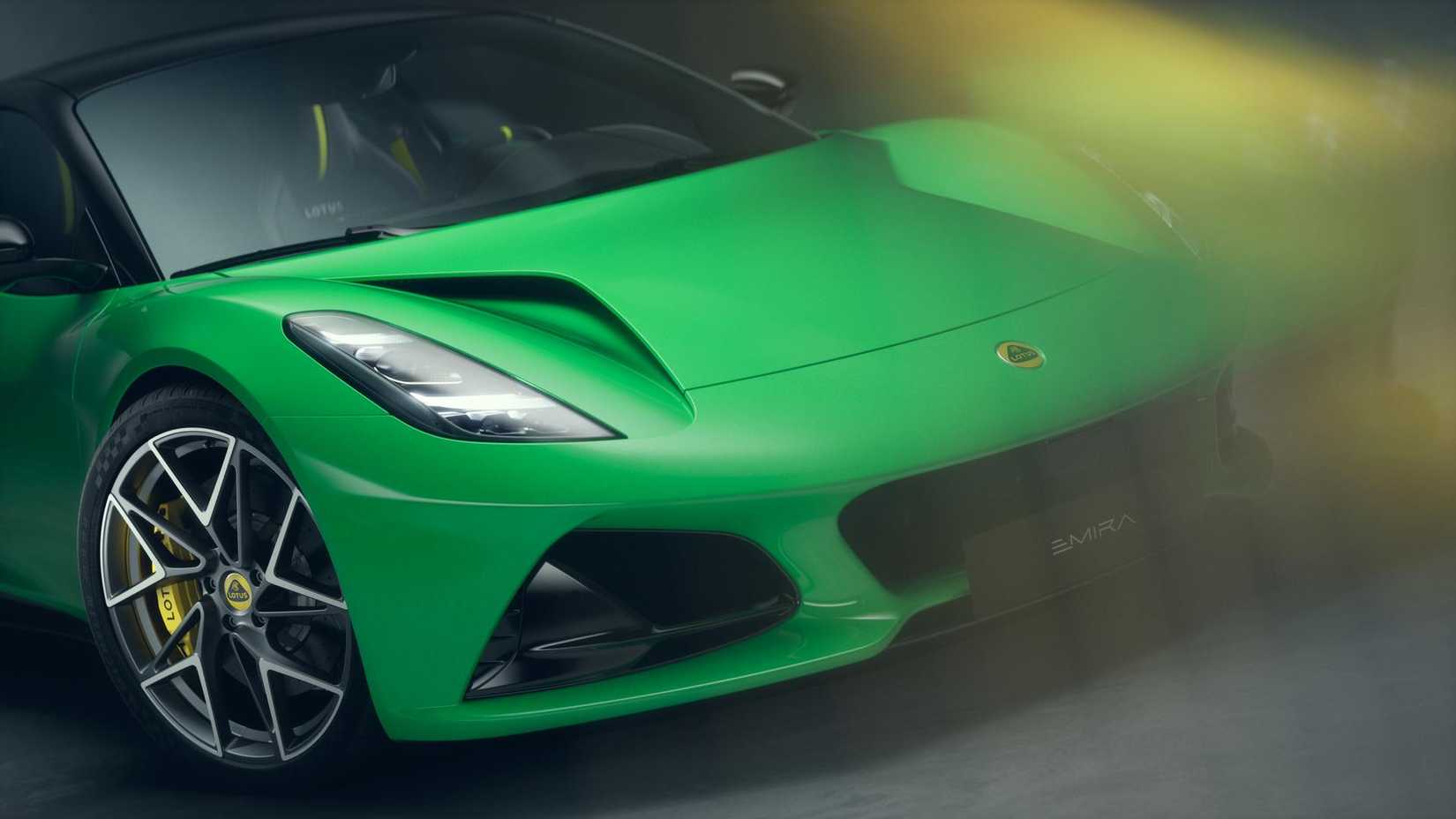
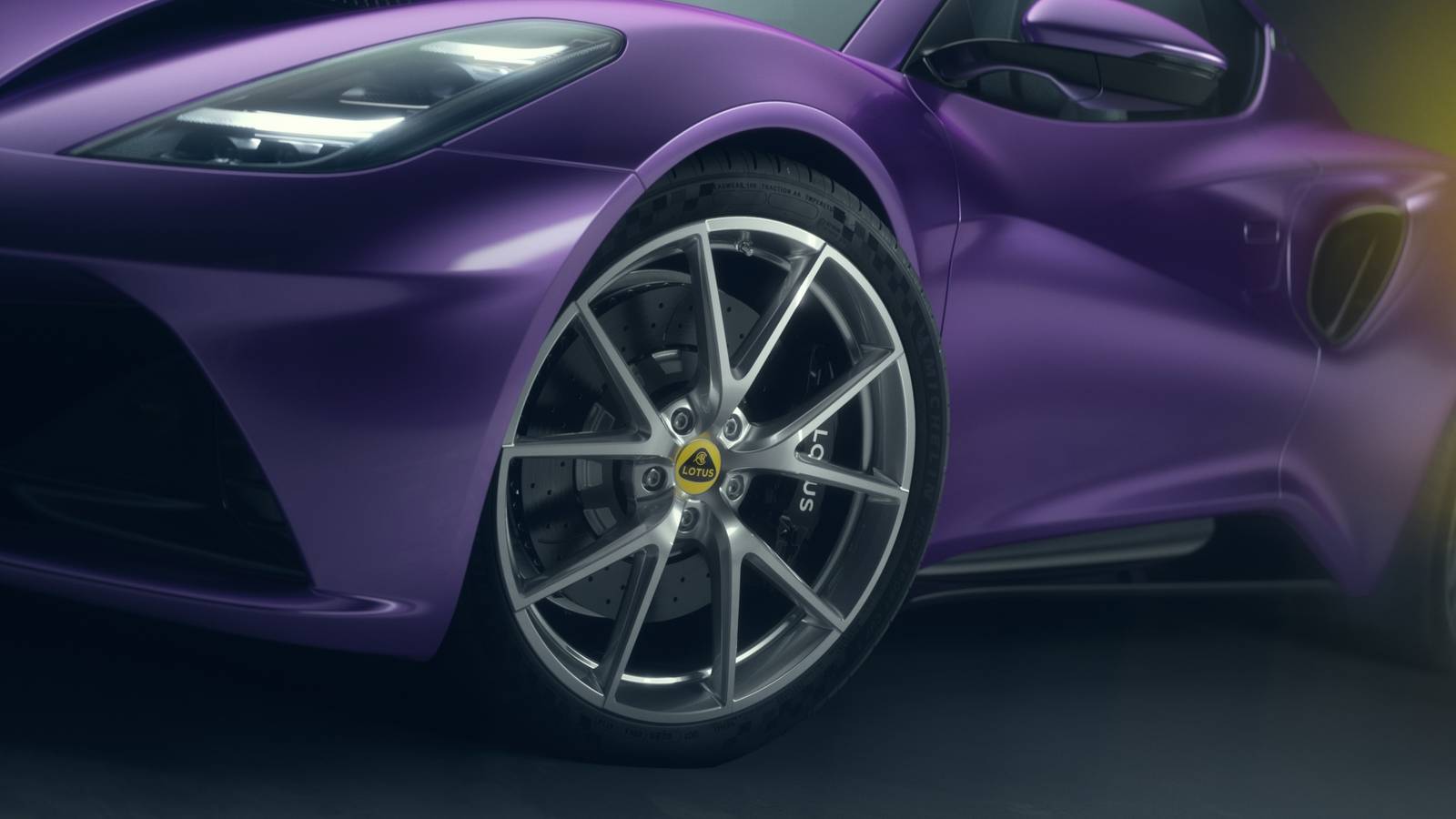
Lotus Emira V6 SELotus