The Electric Motorcycle. Facts!
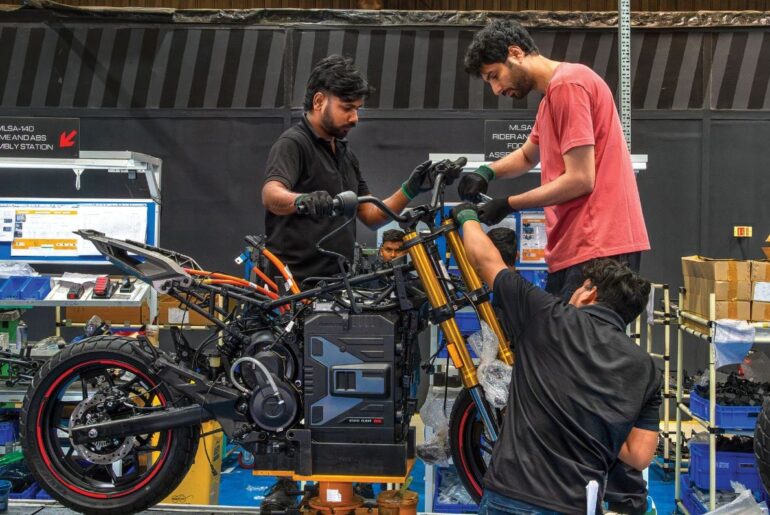
Electric motorcycles promise a cleaner ride, but some say they’ve left the soul of biking behind. Brad Keller has the story. Keep asking what riding electric bike feels like. The easiest way to explain it, it’s like riding a power drill. Watch my right hand here. Twist the throttle. It’s like squeezing a trigger and it spools up with that same high pitched words. See this battery in the base, variable speed trigger on top. Exactly the same concept.
hile electric motorcycles (e-motos) are rapidly improving, they still face distinct disadvantages compared to internal combustion engine (ICE) bikes. The drawbacks usually fall into three categories: Range/Charging, Cost, and Ownership Risks.
Here is a detailed breakdown of the drawbacks to help you decide if an electric motorcycle is right for you.
1. The “Tether” Issues: Range & Charging
This is the single biggest barrier for most riders. Unlike a gas bike that can go anywhere with a 5-minute fill-up, an e-moto requires lifestyle planning.
• Highway Range is Poor: Batteries drain significantly faster at sustained high speeds (65+ mph) due to wind resistance. A bike marketed with a “150-mile range” may only get 70-90 miles on the highway.
• Charging Time: Even with “Fast Charging” (Level 3 DC), it typically takes 30-60 minutes to get to 80%. On a standard home outlet (Level 1), charging a large battery can take overnight (8-10+ hours).
• Infrastructure Gaps: While car chargers are common, they aren’t always bike-friendly. You may find chargers that are broken, occupied by cars, or require specific apps/subscriptions to work.
• “Range Anxiety”: The psychological stress of constantly watching your battery percentage is real, especially on backroads where chargers are non-existent.
2. Financial Drawbacks
While electricity is cheaper than gas, the math often doesn’t work out in favor of e-motos solely on financial grounds due to the entry price.
• High Upfront Cost: A high-performance electric motorcycle (like a Zero SR/F or LiveWire One) often costs 30-50% more than a comparable gas bike (e.g., $20k+ vs. $12k).
• Depreciation & Resale: E-motos generally depreciate faster than gas bikes. Technology moves so quickly that a 3-year-old e-moto can feel obsolete compared to new models.
• Battery Replacement Risk: The battery is the single most expensive component (often $2,000–$4,000+). While they are designed to last years, if it fails out of warranty, the bike is effectively totaled.
3. Market Stability (2024-2025 Context)
This is a critical, often overlooked risk. The electric motorcycle startup market has been volatile recently.
• Manufacturer Insolvency: several high-profile electric motorcycle companies (e.g., Cake, Energica, Sondors) have faced bankruptcy or financial collapse in 2024/2025.
• “Orphan” Bikes: If the manufacturer goes out of business, you may be left with a bike that has no warranty support, no software updates, and no source for spare parts.
4. Riding & Ownership Experience
• Weight: Batteries are heavy. A long-range e-moto often weighs significantly more than a gas bike of similar size (e.g., 500+ lbs). This can make low-speed maneuvering and parking difficult.
• Lack of “Soul”: For many riders, the noise, vibration, and shifting of gears are the essence of motorcycling. E-motos are silent (whining sound) and usually have no clutch or gears.
• Mechanic Availability: Most standard motorcycle shops will not touch an electric bike’s high-voltage system. You are often tethered to specific dealers for repairs.
• Tire Wear: The instant torque of an electric motor tends to shred rear tires much faster than a gas engine does.