Research into the effectiveness of Tern’s cargo bikes in the Big Apple point to big cost savings with no effect on efficiency compared to vans, plus environmental benefits such as better traffic flow on busy city streets
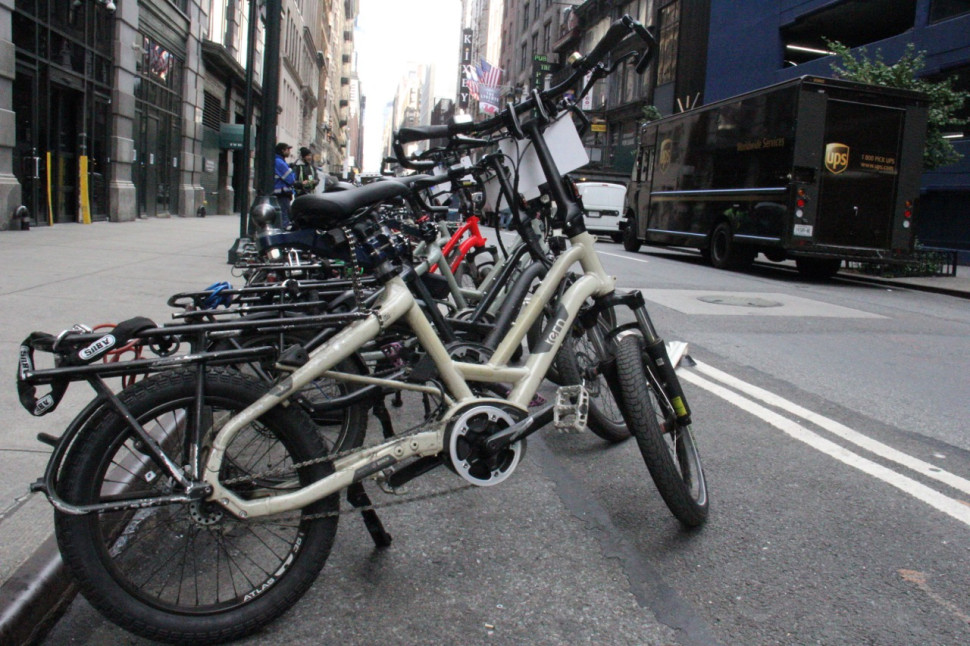
Anyone who’s cycled in New York City or seen the movie Premium Rush will tell you just how unforgiving those dirty, stinky streets can be – nevertheless, its vehicular demographic is changing from big diesel vans to robust e-bikes hauling Carla Cargo trailers. And they’ve just hit a huge milestone: Tern’s electric cargo bikes have logged more than one million miles of service.
“New York’s delivery environment is unforgiving for cargo-bike fleets, with harsh seasonal weather, uneven roads, and riders who seem to enjoy pushing the bikes to their limits,” said Steve Boyd, General Manager of Tern Bicycles North America. “These bikes get hammered, and they have the scars to prove it. But they’re engineered to keep on grinding away, mile after mile.”
Tern’s e-bikes have collectively made more than 13 million deliveries per year, with some individual bikes already logging 30,000 miles and working non-stop for 20-hour days. When equipped with trailers (delightfully termed “rigs”), they can lug loads of over 300 pounds (equivalent to 1,200 bagels), and make up to 360 deliveries per day.
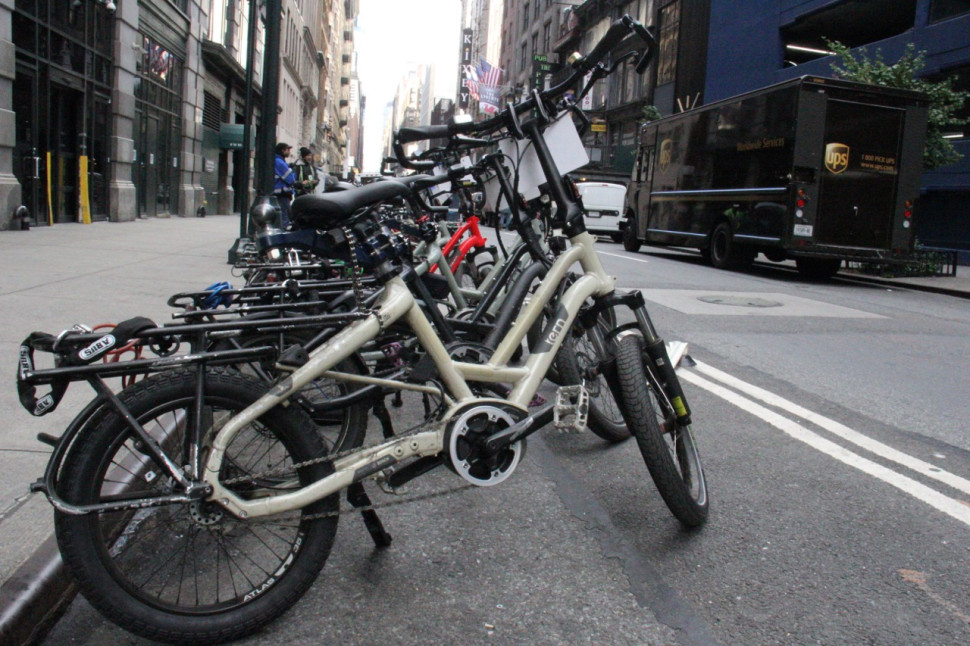
New York cargo bikes, by Tern
Multiple ebiketips reviewers have rated Tern’s cargo e-bikes very highly, and their dominant position in New York’s rough-and-ready delivery sector is testament to their industrious design. As Tern itself points out, these units aren’t specifically designed for deliveries – they’re the same e-bikes available to consumers for toting sproglings and collecting groceries.
Where it gets even more interesting is in Tern’s deep dive into the potential of its cargo bikes to challenge delivery vans. According to an NYC Department of Transport report, cargo bikes are capable of replacing delivery vans at a two-to-one ratio, and a one-to-one ratio in the densest areas of the city. Tern’s data supports the latter: it reckons that its rigs’ capabilities of 225 deliveries per shift is roughly the same as an urban last-mile van.
While a cargo bike may carry less than a van, it makes up for this in speed and manoeuvrability. As Tern points out, a cargo bike isn’t slowed by traffic hold-ups, and they can park closer to delivery destinations without getting tickets or spending time looping around the block trying to find a space. Those final 50 feet on-foot can add up for drivers, dramatically increasing handling times and exposure to traffic.
Tern has also run the numbers in terms of costs – and they’re extremely favourable for cargo bikes. Adding together mileage, capital cost, fuel or energy, maintenance, parking violations, insurance, and registration and inspection, an electric van costs $21,485 a year to run, a diesel comes in at $21,180 – but a cargo e-bike rig totals just $3,217, saving cargo operators enough money to buy about 9,000 bagels.
Making deliveries by e-bike also has a knock-on effect on the environment. A stopped van on a one-way street can disrupt traffic flow for the entire block, and replacing diesel vans with electric bikes helps to reduce exposure to particulate matter.
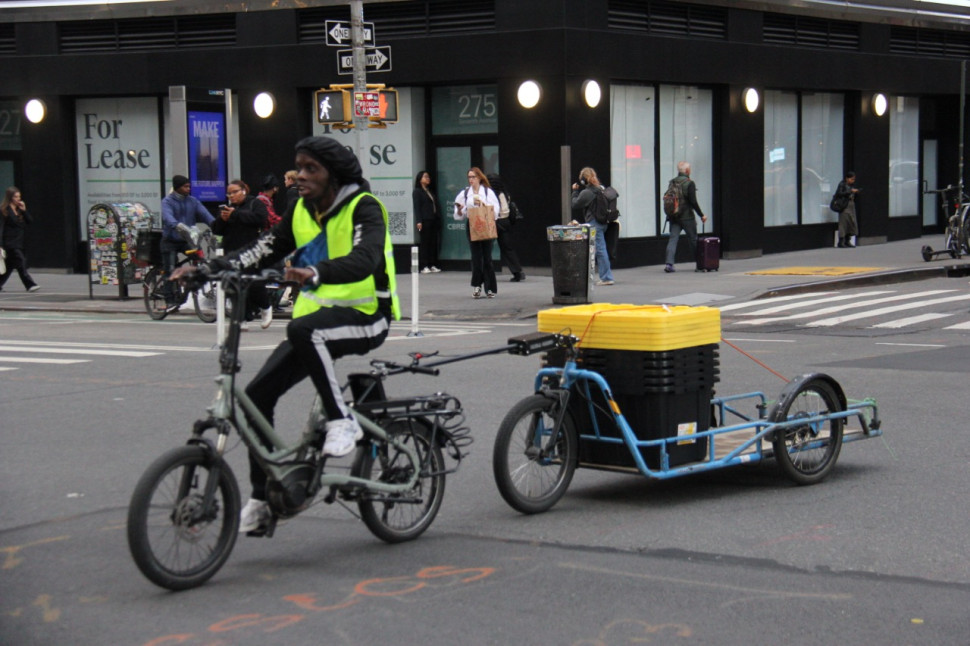
New York cargo bike delivery 1, by Tern
Bicycles are as much a part of the Big Apple as the Empire State Building or violent mutated sewer amphibians, and while two-wheeled couriers have been largely usurped by digital delivery services, cargo bikes and food delivery have more than taken their place. It’s the perfect testing ground for cargo e-bikes, and a trend that’s likely to continue around the world.