What’s going on here?
Morgan Stanley hiked its price target for Tesla based on expectations for robotics and self-driving breakthroughs – but also downgraded its rating, warning investors might be paying up for yet-unproven potential.
What does this mean?
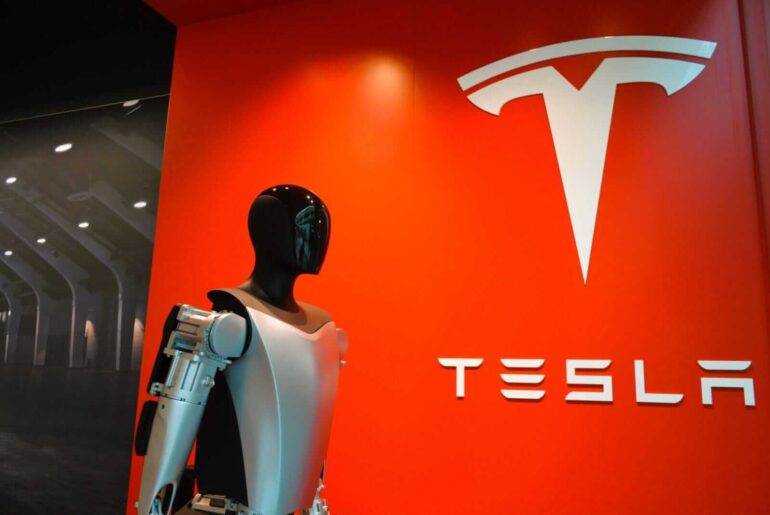
Tesla is pivoting from pure electric vehicles toward robotics and autonomous tech, with projects like its humanoid Optimus robot drawing fresh attention. Morgan Stanley now values Optimus alone at $60 per share and raised its total price target for Tesla to $425, reflecting the company’s expanding tech bets. Still, the bank moved its Tesla rating from overweight to equal-weight, signaling caution about short-term prospects – especially with the stock already trading above the new target. While Elon Musk’s tight-knit ecosystem and progress on Full Self Driving keep the narrative strong, analysts think a tougher year for Tesla’s core EV business could limit upside from here. In short, the promise is compelling, but the price tag may already reflect a lot of that future.
Why should I care?
For markets: Growth stories meet valuation reality.
Markets love bold innovation, and Tesla’s moves in robotics and AI have fueled surging investor enthusiasm. But when major analysts raise their price targets while lowering ratings, it’s a red flag the market may be outpacing real progress. That tension caused Tesla shares to slip nearly 3% and could keep other high-growth companies under closer scrutiny as investors wait for results, not just vision.
The bigger picture: Tech and autos are merging fast.
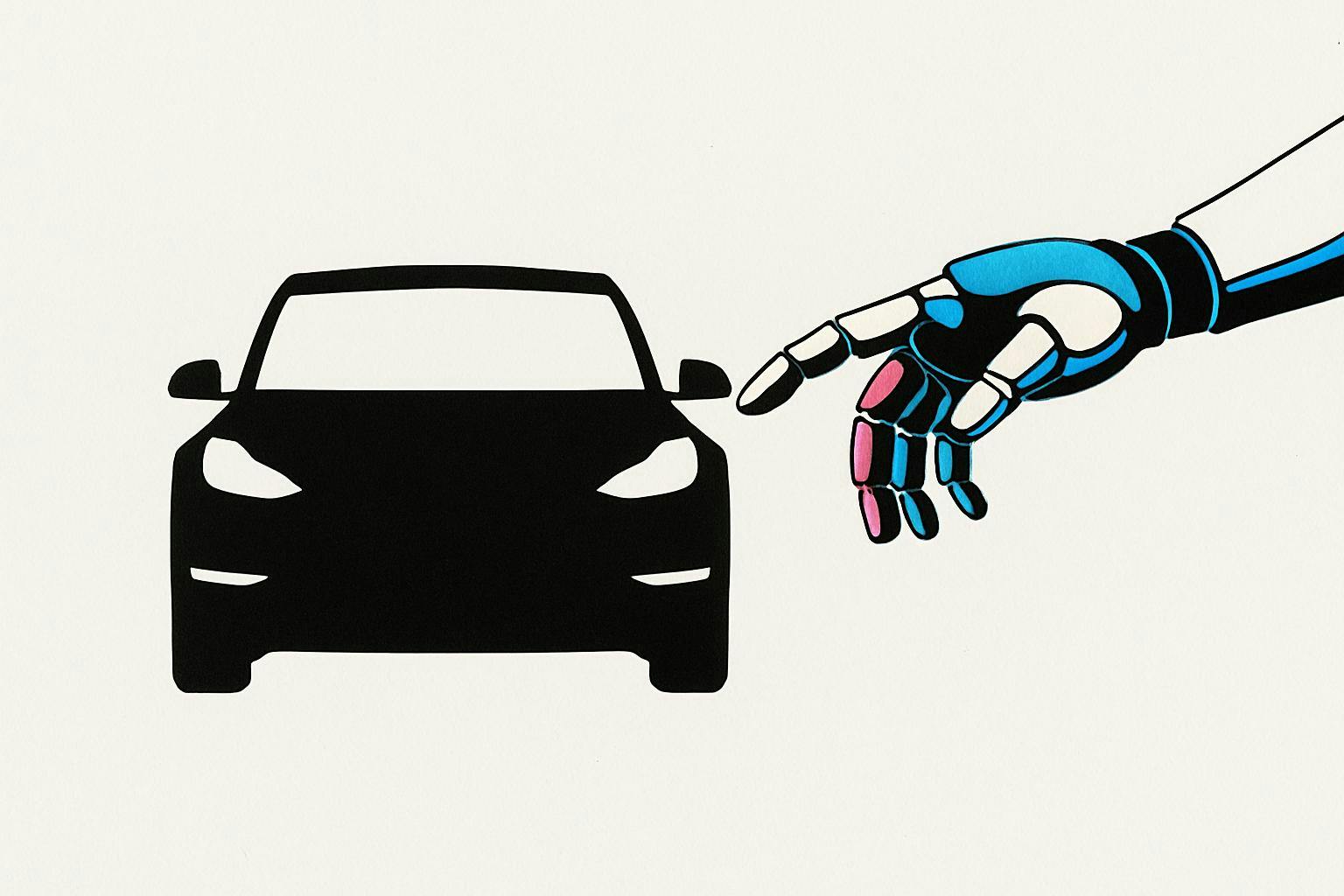
Tesla’s evolution points to a broader shift for carmakers becoming tech powerhouses with deep investments in AI, robotics, and automation. As these lines blur, success will hinge on proven execution – flashy tech and ambitious leadership are only half the story. The companies that actually turn innovation into profits could shape the industry’s next wave.