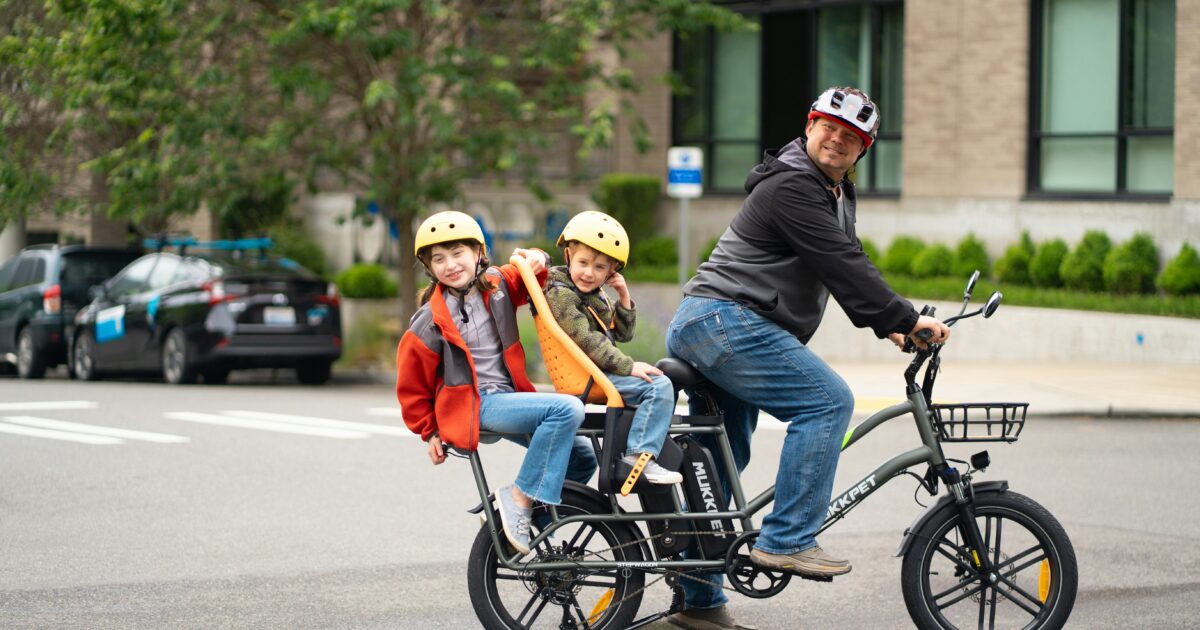
On any given afternoon in downtown San Jose, you will see people of all ages zooming by — and sometimes through — traffic on electric bikes.
The sales of electric bikes, or e-bikes, have grown enormously worldwide in the past decade. In the U.S., 1.1 million e-bikes were sold in 2022, almost four times as many as were sold in 2019.
But the trend of teen and pre-teen e-bike use has proven controversial at times and even dangerous, with more and more riders being injured every year. One of the most devastating examples occurred on Aug. 8 in Burlingame when 4-year-old Ayden Everest Fang was killed when a driver’s car was struck by a Class 2 e-bike ridden by an 11-year-old, causing the vehicle to accelerate onto the sidewalk and fatally hit the child.
As this pattern of increasing e-bike use, especially among youth, shows no signs of slowing down and the number of tragedies increase, the importance of safety education has never been greater. The transportation industry and community leaders have the responsibility to take action to prevent further harm.
E-bikes have existed since the 19th century, but only recently — thanks to better batteries, more affordable prices and a push for sustainable travel — have they exploded in popularity. Although the rise in the use of e-bikes has offered a less expensive (relative to a personal vehicle) form of transportation, exercise and independent fun, it has also brought a shocking rise in e-bike related injuries and deaths and related concern from community members, especially in terms of younger riders.
Researchers report a major national surge in micromobility-related accidents, with e-bike injuries doubling every year from 2017 to 2022 and e-scooter injuries rising 45% each year. The American College of Surgeons found that “over 20,000 people are injured while riding electric bicycles annually with approximately 3,000 individuals requiring hospitalization, and this is likely underreported.” In September, a woman riding an e-scooter in San Jose was killed in a hit-and-run. While this is an electric scooter, the incident underscores the vulnerability of micromobility users, including e-bikes, on San Jose streets.
Policies regulating e-bikes vary widely by country, state and county. While most jurisdictions regulate rather than prohibit them, a few localities — such as Key Biscayne, Florida or the effective public-space ban in Hong Kong — have imposed far stricter limits. Elsewhere, they are regulated as bicycles, mopeds, motorcycles or as motorized vehicles.
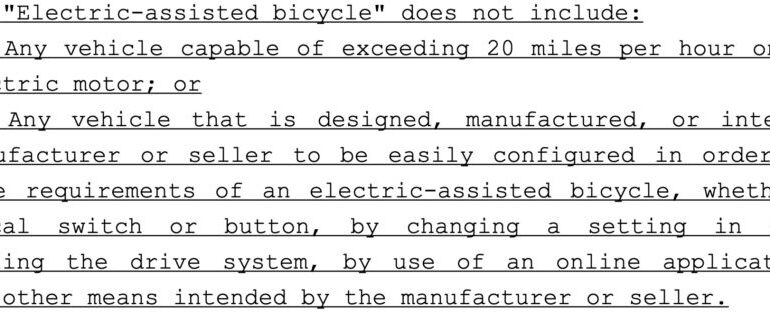
Exacerbating the risks of e-bike use may be in part due to the rise in so-called “hacks,” which increase e-bike speeds beyond the legal limit. In July 2024, Assembly Bill 1774 was signed into law in California to prohibit illegal modifications to e-bikes and ban the sale of related products, aiming to increase safety.
Some local communities are also taking action. For instance, in Marin County many schools require the completion of an e-bike safety course if a student wants to park their e-bike on campus. Just last month, Menlo Park schools created new rules banning higher-speed Class 2 and Class 3 e-bike use. Other restrictions, such as those based on a rider’s age, are also becoming more common.
While policymakers continue to refine e-bike regulations, researchers are working to ground those efforts in evidence.
The Mineta Transportation Institute is actively confronting the growing public safety crisis surrounding e-bike use and a study set for release next month analyzes data on crashes, injuries, emergency room visits and deaths involving both human-powered and motorized bicycles.
This research is being conducted in accordance with California Senate Bill 381 from 2023, which calls for research to help legislators develop effective policies that support expanded e-bike use in a way that protects the safety of both the riders and other road users. This study’s findings will outline the most effective laws, regulations and policy interventions needed to reduce preventable harm and ensure e-bike travel is safe for everyone.
In our city, e-bikes and other micromobility devices represent both a promise — sustainable, accessible transportation — and a challenge — as often under-regulated devices with related gaps in public awareness and infrastructure. Investing in sustainable, safe mobility is part of the future we need, but the rapid adoption of e-bikes, particularly among youth, requires new approaches to training and safety.
The e-bike revolution isn’t slowing down, but together — with smart policy, data-driven leadership and a commitment to education — we can create a path forward toward safer streets for everyone.
San José Spotlight columnist Karen E. Philbrick is the executive director of the Mineta Transportation Institute, a research institute focusing on multimodal surface transportation policy and management issues. Her columns appear on the first Thursday of every other month.