A PLAN by the Land Transportation Office (LTO) to begin confiscating electric bikes and scooters that are caught using national roads has been put on hold for a month following public outcry and vocal criticism from at least one member of Congress. Originally, the LTO said that e-bikes would be impounded beginning Monday, Dec. 1, but that has been deferred until Jan. 2, 2026; in the meantime, the LTO will conduct “a massive information campaign” to inform e-bike users on what roads they are and are not permitted to travel.
The legality and restrictions on e-bikes should not be so confusing. Unfortunately, bureaucratic chaos caused by gaps in regulations that somehow simultaneously take too long to create but seem rushed when they are finally released is all too common here. While the LTO proposal is essentially on the right track, the execution leaves much to be desired. This is partly the result of the apparently ad hoc manner in which the LTO makes rules, and partly because the laws it has been given to work with have not been thoroughly thought out before being passed.
This is, in fact, the second time that the LTO has attempted to address the presence of e-bikes on major roads. A similar “information campaign” was carried out in April last year, after the implementing rules and regulations (IRR) for the Electric Vehicle Industry Development Act (Evida) were finished. No specific warning that scofflaw e-bike users would have their vehicles confiscated was given at that time, although that was the implication of the LTO effort.
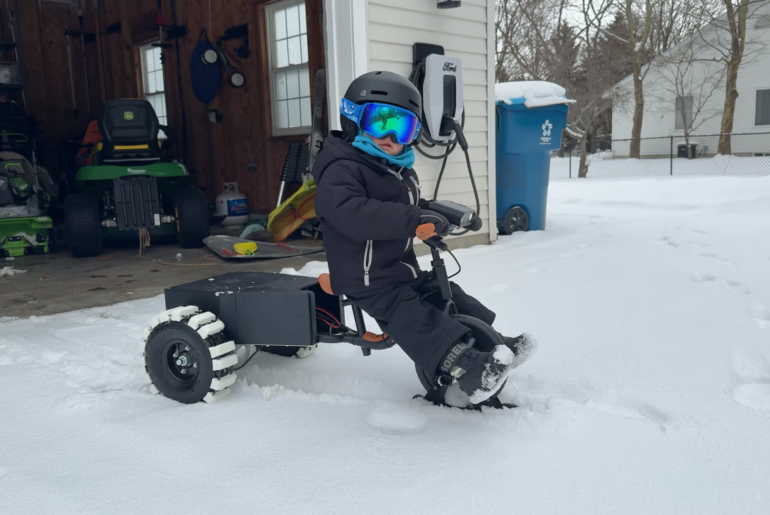
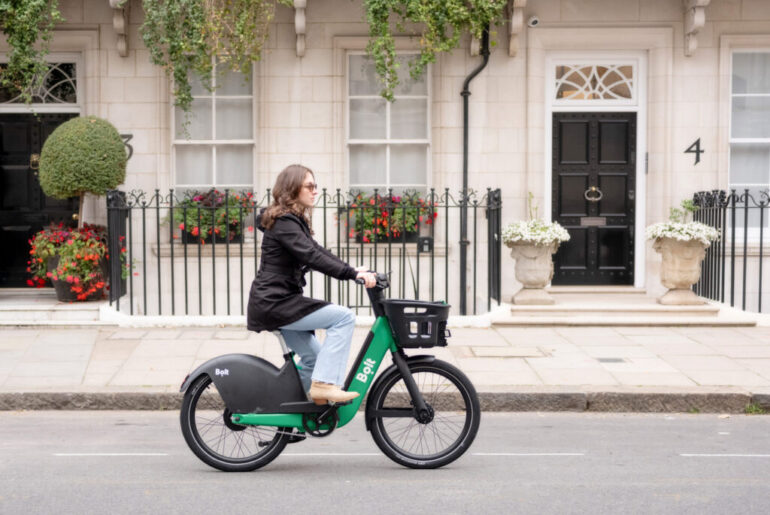
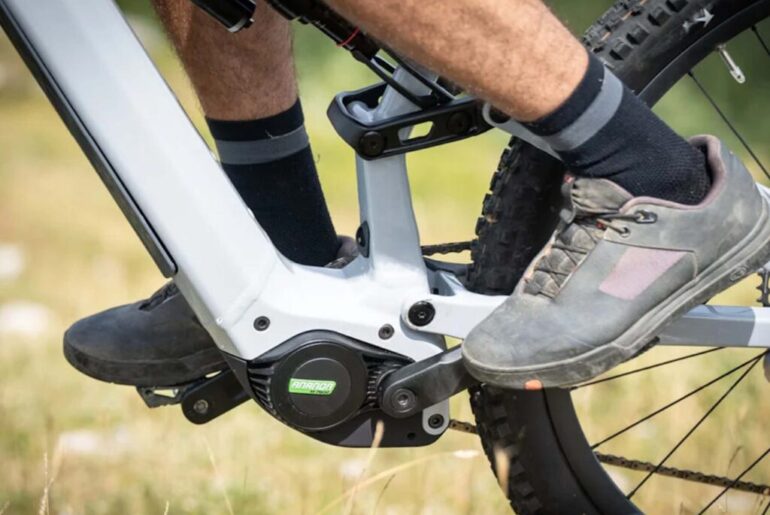
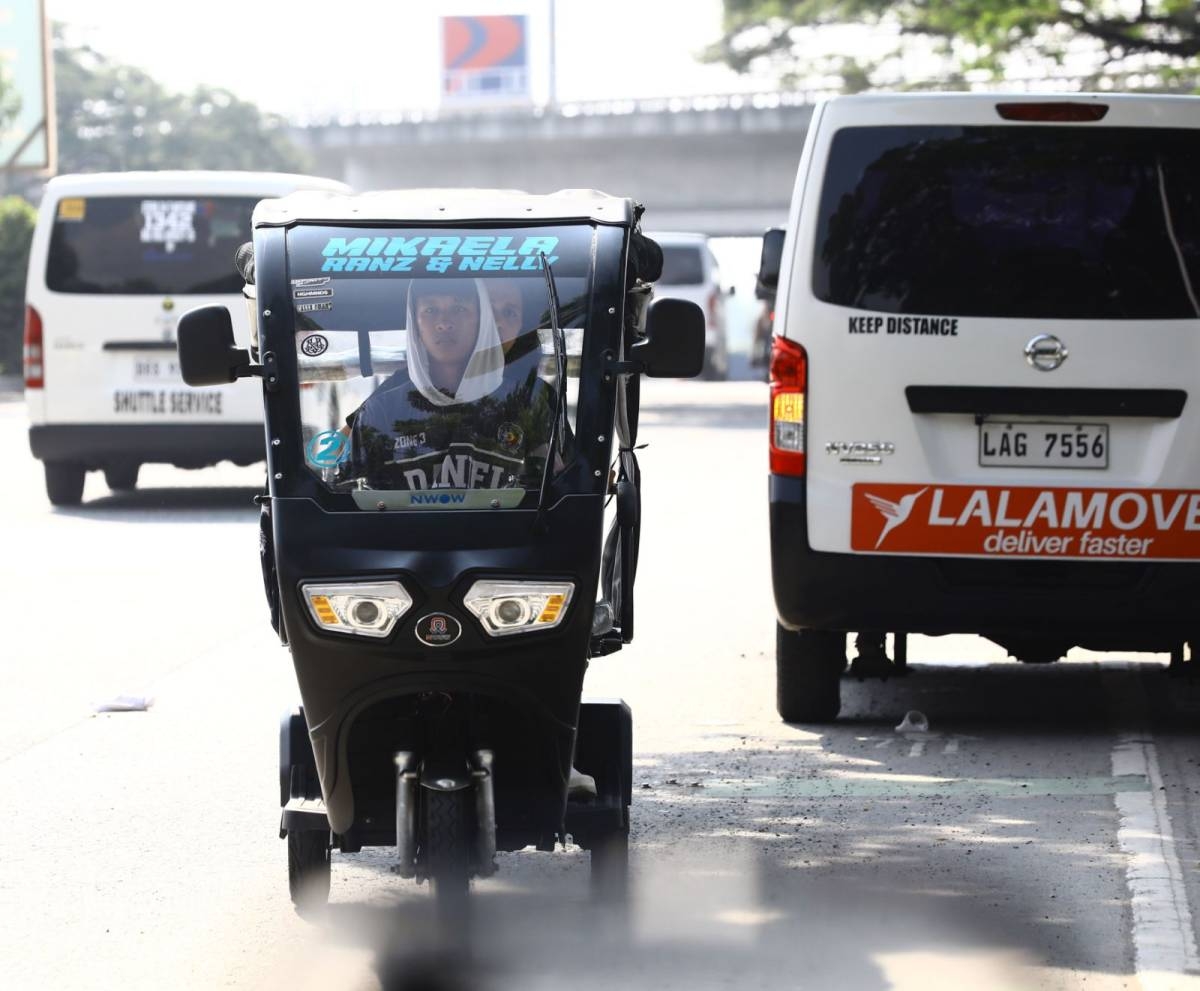
We use the term “e-bike” as a catch-all for the various types of machines described in the Evida act. These include electric bicycles, either pedal-electric motor hybrids or fully electric-powered; small electric scooters; electric tricycles; and even small electric four-wheel vehicles. Except for electric three- or four-wheel vehicles that are used for public transportation, none of these require registration with the LTO, nor is the operator required to have a driver’s license.
Bicol Saro Party-list Rep. Terry Ridon was the most vocal critic of the LTO’s latest plan, and seems to have been the proverbial squeaking wheel that got the grease with the LTO’s deciding to delay impounding e-bikes in violation. Ridon’s main contention was that as the law explicitly exempts e-bikes intended only for private use from LTO registration, the LTO has no jurisdiction over them and cannot confiscate them.
Get the latest news
delivered to your inbox
Sign up for The Manila Times newsletters
By signing up with an email address, I acknowledge that I have read and agree to the Terms of Service and Privacy Policy.
That is true in a literal sense, but seems to us to be a bit of legal hair-splitting, and conveniently overlooks that existing laws do in fact provide authority to the LTO to take enforcement action against violators of road rules. Nonetheless, Ridon also reportedly claimed, according to a Nov. 28 report by the Philippine News Agency, that the Evida actually does allow e-bike users to travel on national roads, and that a department order cannot supersede a national law. While that last part is true, it is not at all clear how the Evida or its IRR allows the use of e-bikes on major roads; that is not explicitly stated, and could only be loosely interpreted to be the case under the principle of “what is not specifically prohibited is allowed.”
There are a couple of problems that need to be resolved before enforcement of regulations for the sake of the safety of e-bike users and others can be effective. First, without undermining the benefits of Evida in encouraging e-bike adoption and offering more people sustainable mobility, some classes of these light electric vehicles should, in fact, be subject to registration requirements akin to those for motorcycles. For example, the state of California has recently implemented tougher use and registration regulations after a sharp increase in severe injuries and fatalities from e-bike accidents. According to medical professionals who were part of the campaign for stronger regulations, in almost every case these accidents could be attributed to the speed at which some e-bikes can travel, and the relative inexperience of their riders, mostly young people.
In addition, the restrictions on e-bike use on certain roads need to be more comprehensive, rationalized to the different environments throughout the country, and published in a clear and simplified manner. A simple “no e-bikes on national roads” rule may be appropriate for urban areas where there are alternate routes available, but not in rural areas where there are fewer roads. Whether this would require new legislation or could be accomplished through a well-crafted department order is something for the government’s legal experts to determine.