Top 10 Electric Motorcycle Concepts That Will DESTROY Gas Bikes by 2030
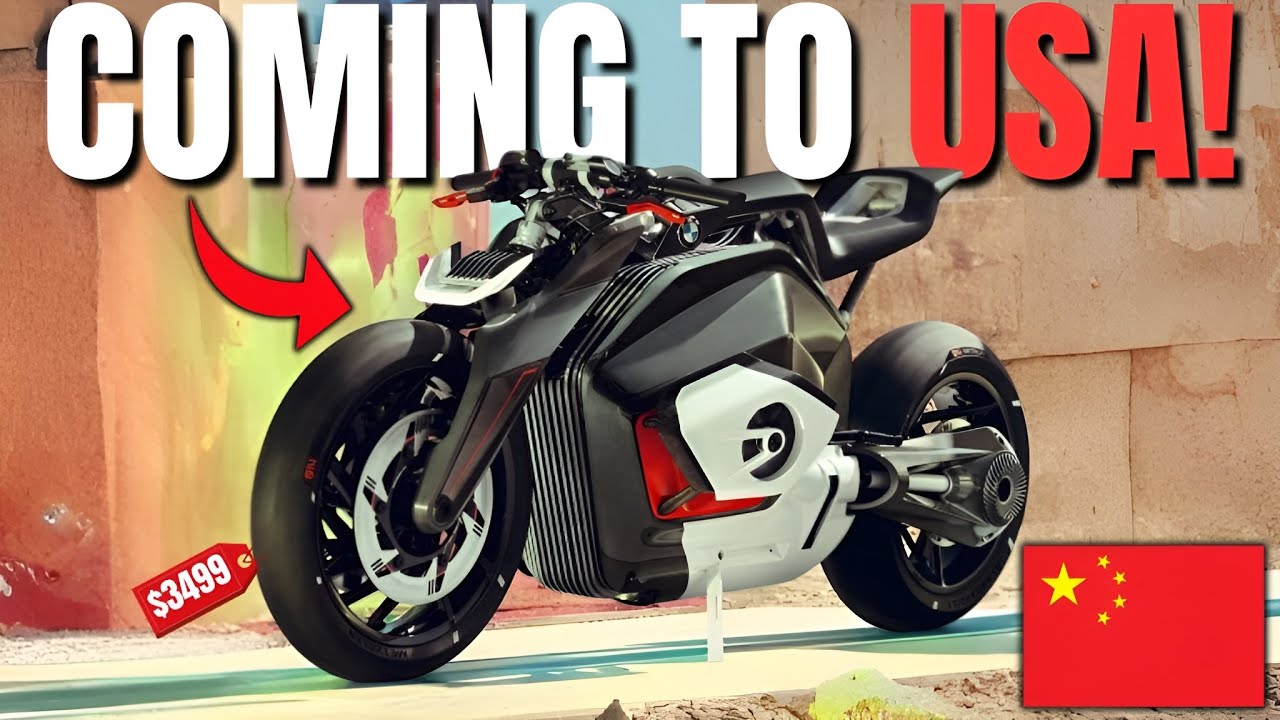
The future of motorcycleycling isn’t coming. It’s already here. And it’s faster, more powerful, and more technologically advanced than anything you’ve ever thrown your leg over. From legacy manufacturers like Honda, Triumph, and Ducati, to radical startups building machines that look like they rolled off a science fiction movie set, the electric revolution is rewriting every rule we thought we knew about two wheels. We’re talking instant torque that exceeds supercars. 0 to 60 times that embarrass Lamborghinis and technology so advanced it can literally predict accidents before they happen. Before we dive in, hit that subscribe button and ring the bell so you never miss an update. Trust me, you’ll want to see what’s coming. Today, we’re counting down the 10 most exciting electric motorcycle concepts taking over the streets in the coming years. These aren’t just design studies gathering dust in corporate archives. These are machines that manufacturers have actually built, tested, and in some cases are already selling to customers right now. We’re ranking them from number 10 all the way to number one based on performance, innovation, design, and most importantly, whether they’ll actually make it to production. Let’s ride. Number 10, BMW Vision DC Roadster. BMW Moto dropped Jaws in July 2019 when they unveiled the Vision DC Roadster at their nextG event in Munich. This is BMW attempting to translate 100 years of heritage into electric form. And the result is stunning. The Vision DC Roadster is a naked roadster with cafe racer DNA. And BMW’s designers made a brilliant decision. Instead of hiding the electric powertrain, they embraced it completely. The battery housing deliberately mimics BMW’s iconic boxer twin cylinder engine shape, complete with protruding cooling elements and cooling fins, referencing air cooled heritage. It sits exactly where the engine would traditionally live, maintaining the visual weight distribution riders expect from BMW. Those cooling elements aren’t just for show. Electric cooling fans actually retract when parked, creating a living, breathing aesthetic that changes based on the bike’s state. The concept features a longitudinally mounted electric motor connected to BMW’s signature shaft drive system. Yes, shaft drive on an electric motorcycle. BMW maintains their engineering identity, even transitioning from gasoline to electrons. The dual lever front fork carries forward BMW’s distinctive DNA while a triangular frame echoes classic models dating back to 1923. White frame lines flues in darkness for futuristic nighttime glow. The controls showcase minimalism with dual handbrake levers, eliminating the foot brake entirely. Metseler developed exclusive tires with fluorescent safety elements for this concept. A wireless kickstand charging system that BMW patented allows automatic charging when parked. The visual presence is lowlung cafe racer with aggressive stance. Minimalist LED headlight features U-shaped daytime running light while C-shaped LED elements wrap the tail. The package screams performance heritage filtered through electric future. So why does this gorgeous motorcycle rank at number 10? Because BMW has done essentially nothing with it in over 5 years. The company filed trademarks for DC01 through9, suggesting plans for a whole range, but BMW’s electric priorities clearly shifted to the CE scooter series instead. No performance specifications were ever released. No production timeline announced. No updates provided. After 6 years of silence, the Vision DC Roadster represents what could have been rather than what’s coming. It’s a gorgeous reminder that beautiful concepts sometimes never escape the show floor. Number nine, Dabby 1 Alpha. France doesn’t immediately come to mind for motorcycle manufacturing, but DAB Motors is changing that. Unveiled in April 2024 and owned by Peugeot since 2023, the DAB1 Alpha represents electric motorcycles as wearable luxury. This is about motorcycles as fashion, as art, as statement pieces. 25.5 kW peak delivers 34.6 horsepower with continuous power at 11 kW. But check the torque. 395 new m at the wheel. That’s 290 lb feet to the rear wheel of a motorcycle weighing just 275 lbs. More torque than most supercars in a package lighter than most riders. Top speed reaches 80 mph. The 7.1 kWh battery delivers 93 mi range with 3-hour charging from standard outlets. What makes the 1 Alpha special? Production limited to exactly 400 numbered units globally. Each receives a gold handlebar plaque with production number. This is collectible art. Steel double cradle frame supports monoke ABS body with handstitched Alcantara seat providing Lamborghini level luxury. The real innovation is forged carbon fiber from recycled Airbus aircraft waste. When commercial aircraft retire, DAB reclaims their carbon fiber components for motorcycle bodywork. Aerospace sustainability repurposed. Polyoli 46mm USD forks with gold stansions catch light beautifully. Brembo provides radial four piston front brake with 320mm floating disc. Gates carbon belt drive eliminates chain maintenance entirely. 2.8 in LCD dashboard integrates into CNC machine top clamp with 3.4 L of storage in the faux tank. Four forward power modes plus reverse. The nitro button inspired by Need for Speed provides temporary speed boost. Pure gaming culture meeting motorcycle design. The aesthetic brutalist minimalism meets hot couture. Clean blocky lines with 8-bit retro gaming vibe. Sharp angles intentionally expose battery geometry beneath. Celebrating electric powertrain. Think Tron meets Paris fashion. week. Dhabi released special editions throughout 2024, including transparent edition showcasing mechanics through translucent bodywork with custom game cartridge start key. Paris Olympics editions celebrating five sports sold out immediately. $14,900 roughly $15,920. This ranks nine because it represents genuine sustainable manufacturing innovation with strong specs and Pujo backing ensures delivery. The limited 400 units and gaming aesthetic may feel too niche for traditional American riders, but if you want genuinely unique electric motorcycle making statements everywhere, the DAB1 Alpha delivers. It won’t be fastest on this list, but might be most distinctive. Number eight, KTM Free E. When you think KTM, you think dirt, hard enduro, extreme off-road punishment where lesser bikes break and KTM machines keep going. So, when KTM announced a completely redesigned electric dual sport in October 2024, riders paid attention. The Freeride E represents 99% new development. KTM’s first in-house electric drivetrain developed entirely by the Austrian manufacturer. 11 kW nominal with 19.2 kW peak delivers 25 horsepower, 37 new m torque. For trails and technical terrain, traction matters more than top speed. 5 kWh battery delivers two to three hours hard enduro riding. They measure ride time in hours because speed varies constantly on trails. Top speed 59 mph, plenty for dual sport. Charging takes 1 and 1/2 hours using 3.3 kW charger or 8 hours from household outlet. Weighs just 250 lb. Incredibly light for technical terrain advantage. Chrome malibdinum steel frame uses motor as stressed member meaning motor becomes chassis structure saving weight and improving rigidity. Glass fiber nylon subframe handles rear. WPXact 43mm split function inverted forks with 180 mm travel. WPX4 PDS rear shock with 240 mm travel. Serious off-road capability. Formula hydraulic brakes without weight penalty. The game changer. Completely swappable battery in under 10 minutes without tools. Pack spare battery. Double your ride time instantly. Three ride modes. Eco maximum range. Normal balanced. Sport maximum power. Three reg settings. Off. Pure coasting. Mid-m moderate. High aggressive engine braking for descents. Adjustable traction control. Rollover sensor cuts power in crashes preventing motor spinning while untangling yourself. Motor fully water and dust proof for genuine dual sport capability. Legitimate dirt bike that’s street legal. Orange and black KTM styling. 21-in front, 18-in rear wheels, confirming off-road intentions. Hard enduro champion Manuel Leenler personally endorsed it, lending serious credibility. KTM founded European swappable battery consortium, showing long-term platform commitment, not one-off experiment. Currently in production, January 2025. Dealer availability. $11,299 estimated. Why number eight? 25 horsepower and 59 mph places this entry level for street performance. For 40 to 60year-old American street riders used to 100 horsepower sport bikes and 200 mph. This won’t satisfy that performance itch. Genuinely excellent at trail riding, fire roads, technical terrain, adventure riding. Reliable, backed by KTM’s massive global dealer network. Available now, just not head turner for experienced street riders wanting electric performance. Number seven, Kawasaki Ninja 7 Hybrid. Kawasaki rewrote the rule book with the world’s first strong hybrid motorcycle. Not mild hybrid providing light assistance, not plug-in hybrid, prioritizing electric. The Ninja 7 hybrid operates as pure electric motorcycle, pure internal combustion, or combines both simultaneously for maximum performance. EAMA 2022 prototype production October 2023. The system delivers 69 brake horsepower from 451 cubic cm parallel twin plus 12 brake horsepower electric motor on 48vt architecture. 1.4 kWh battery combined torque 44.5 lb feet. Despite middleweight performance, fuel economy matches bikes with engines half this size. Six-speed electronically controlled automated manual transmission. Shift manually or automatic. $12,499 on sale now nationwide. Kawasaki claims 1,000 cubic centimeter class acceleration from standstill through eBoost function, combining both powertrains. Three distinct drive modes separate this from conventional motorcycles. Sport hybrid delivers maximum performance with both motors working together. Eco-Hybrid focuses fuel economy with automatic engine stop at lights. Refined and smooth, not jerky. EV mode goes pure electric for quiet zones. Leave neighborhoods silently at 6:00 a.m. before combustion kicks in. Battery recharges automatically via engine and regenerative braking. No plug-in, no charging cables, no waiting at stations, just ride system manages everything. Brilliant engineering for riders wanting electric torque and silent city capability while maintaining unlimited highway range and threeinut refueling anywhere. Looks like conventional ninja sport bike. Classic aesthetics with signature lime green and black livery. Hybrid components elegantly integrated. Battery centrally mounted and trellis frame. Nothing screams electric or hybrid. Could be any mid-displacement sport tourer until you experience hybrid operation. Kawasaki committed to 10 plus electric hybrid motorcycles by 2025. Complete lineup transition by 2035. This is their strategic future for the next decade. Innovation genuinely groundbreaking. World’s first motorcycle capable of iceon, EV only, or combined hybrid operation. For riders wanting electric torque without range anxiety, without charging infrastructure dependence, without any capability compromise, this solves the equation perfectly. Why number seven? 69 combined horsepower feels modest for $12,500. targeting experienced riders. Innovation, impressive, execution, practical, engineering, brilliant, but excitement factor lags behind pure electric motorcycles, delivering monster torque and supercar acceleration. American riders 40 to 60 will appreciate pragmatism and smart engineering. The hybrid that makes complete sense, works flawlessly in real world, doesn’t require lifestyle changes or route planning around charging stations, but it won’t generate showroom excitement like 200 horsepower electric superbikes. That’s why number seven, incredibly smart, totally practical, available now, just not particularly thrilling. Number six, Zero SRX. Zero Motorcycles has spent over a decade refining electric motorcycle technology right here in California. Systematically building an ironclad reputation for reliability, real world range, and genuine capability. The SRX concept revealed in February 2023 and prominently displayed at Eekmo. 2023 represents exactly where Zero is heading next. high performance electric motorcycles that effectively bridge the gap between aggressive street riding and track day capability. Created in close partnership with Huge Design, a highly respected San Francisco-based industrial design firm led by the talented Bill Webb, the SRX showcases what Zero calls their monorker design language. This partnership matters significantly because Zero has a proven track record of actually bringing huge design concepts to full production. The FXC production model that you can buy today evolved directly from their earlier collaboration. So, while the SRX is technically labeled as a concept bike, Zero’s historical track record strongly suggests this design study could easily inform production models arriving within the next several years. The SRX builds directly on Zero’s thoroughly proven SR/S platform, which currently delivers an impressive 110 horsepower from the ZF’s 7510 electric motor. Torque output measures 190 Newton meters, which translates to 140 pound feet in American measurements. Top speed reaches approximately 200 km per hour or 124 mph. The 17.3 kWh battery pack provides up to 187 mi of range under optimal city conditions. In real world mixed riding with highway speeds and spirited acceleration, you can realistically expect something closer to 100 m before needing to recharge. These are realistic, genuinely achievable numbers from a company with over a full decade of electric motorcycle refinement and development. Zero absolutely knows how to build electric bikes that work reliably day after day, year after year, without drama or unexpected failures. The SRX features a decidedly futuristic forward-leaning silhouette that falls somewhere between an aggressive street fighter and a focused track bike. The deliberately front-heavy visual profile showcases muscular fairings and bodywork, while exposed mechanical components remain clearly visible from the foot pegs rearward, creating an interesting hybrid aesthetic. Modular bodywork flows smoothly over the tank cover area to a distinctly waspish tail section. Lowered clip-on handlebars and repositioned foot pegs create an aggressive, committed riding position. This is definitely a bike you lean forward on. A machine that clearly wants to be ridden hard and pushed to its limits. The concept intelligently maintains Zero’s thoroughly proven SR/S chassis architecture with well- reggarded Showa suspension components and reliable Juan brake hardware. These are known quantities that deliver excellent realworld results. Zero didn’t attempt to reinvent the wheel here or chase unnecessary innovation. They wisely took what they already know delivers genuinely excellent handling characteristics and confident braking performance, then wrapped it all in sharp, aggressive, angular bodywork that clearly signals pure performance intentions. The styling is distinctly modern, unmistakably sharp, and recognizably zero. Think heavily armored street fighter aesthetic. It’s not fully enclosed like a traditional sport bike, definitely not fully exposed like a naked bike, but rather something perfectly in between that successfully creates its own unique category. According to Zero’s official statements, the SRX concept points toward an entirely new subcategory for high performance electric motorcycles with 110 horsepower and 140 lb feet of instant torque. Coming from a well-established company with extensive dealer networks across America, comprehensive parts availability, and over a full decade of successful operational history, this represents realistic, genuinely achievable performance rather than pie in the sky promises. Zero Motorcycles is financially stable and secure. They consistently deliver actual products to real customers. They properly support those customers with parts and service. This absolutely isn’t vaporware from some questionable startup company that realistically might not even exist in 2 years. So why does the SRX concept rank at number six on our countdown? Because Zero hasn’t officially committed to production yet. This remains technically a concept bike, a carefully crafted design study, a clear statement of future intent rather than a confirmed product. We absolutely know that Zero possesses the technical capability to build this machine. We know the claimed performance specifications are completely real because they’re solidly based on the existing proven SR/S platform that’s been refined over multiple production years. We strongly believe Zero will most likely bring some version of this exciting design to market eventually. We just don’t definitively know exactly when that will happen. For the American writer aged 40 to 60 who values proven reliability and established support networks, Zero represents an exceptionally safe bet. They’re headquartered right here in California. They maintain dealers strategically located across the entire United States. Replacement parts are readily available through normal channels and their motorcycles work reliably for years without unexpected drama. The SRX concept powerfully suggests that Zero’s performance future looks genuinely exciting and worth anticipating. But until this actually reaches confirmed production status with firm dates and pricing, it appropriately sits at number six on our countdown. Number five, Livewire S2 Mullholland. Harley-Davidson spun off Livewire as dedicated electric brand and the Mullholland from March 2024 proves they can succeed. Performance cruiser bridging naked bikes and American heritage with sustainable materials. Industry first. S2 Aero Mono Coke architecture. Integrating battery, motor, charger, inverter. Delivers 84 horsepower. But check the torque. 194 lb feet. More torque than a Corvette Z06 to the rear wheel. Top speed 99 mph. 0 to 60 in 3.3 seconds. 10.5 kWh air cooled battery delivers 121 mi city 91 combined 73 highway 432 lb 78 minutes 20 to 80% charging 15,999 in production now sustainable materials breakthrough front and rear fenders from cap hemp biomposite radiator shrouds from high ocean recycled fishing nets seat from petroleum free recyclable silicone overthe-air updates Six ride modes including two custom cornering ABS and traction drag torque slip control reverse mode oval LED headlight echoes breakout underslung barend mirrors 19-in front 17in rear wheels 20-spoke aluminum wheels Dunlop road smart four tires styling departs from traditional gas tank form with exposed lines and harness futuristic cruiser filtered through sustainable manufacturing livewire backed by Harley-Davidson resources and dealers not Not a startup that might disappear. American Heritage adapted for electric age with real support. Parts warranty. Why? Number five. 194 lb feet exceeds most supercars torque to weight ratio. Sustainable materials without greenwashing or compromising performance. In production now across United States with full dealer support. Number four, Honda WN7. When the world’s largest motorcycle manufacturer commits to electric, riders listen. Honda unveiled WN7, originally EV fun concept at EAME 2024. Confirmed launch February 2026 Europe. Honda’s first serious electric sport motorcycle that will actually reach production. Honda calls this equivalent to 750 cm middleweight. Critical benchmark for riders thinking in displacement terms. 18 kW continuous 50 kW peak delivers 67 horsepower, 74 pound- feet torque. 9.3 kWh fixed battery delivers 87 mi range over 100 city. Aluminum frame uses battery as stressed member. Single-sided swing arm from CB 10000R adds distinction. No clutch, no gear shift, twist and go. The breakthrough CCS2 fast charging compatibility, same standard as automobiles. While competitors need specialized networks, WN7 uses expanding automotive DC fast charging infrastructure. Tens of thousands of stations across America, 10 to 80% in 20 minutes. Belt drive with coax seal motor and swing arm creates maintenance-free drivetrain. Twin four piston Nissen radial calipers. Pirelli Diablo roso. Four tires, 120 front, 180 rear. Sport tire spec. Compact slim naked bike. Sharp angular LED headlights. Modern futuristic design. Floating seat. TFT dashboard. Smartphone connectivity. Inverted fork. Monoshock. Serious sport machine. Not electric experiment. $15,000 Europe. $12,000. Estimate. Why? Number four. When Honda commits, it happens. Legendary reliability. Global dealers. Parts availability. Resale value. Honda means quality and longevity. CCS2 charging future proofs investment. Specs are solid but not exciting. 67 horsepower respectable but not thrilling. 87 miles adequate but not impressive. What WN7 offers is confidence Honda will deliver. Work reliably decades. Parts available anywhere. Investment protected. For many riders, confidence matters more than highest horsepower. Safe bet. Number three. Ducatti Vive. 21L. Ducati entered electric not with consumer bikes but racing that rewrote expectations. V21 l unveiled September 2021 specs July 2022 sole supplier for FM Moto E World Championship 2023 through 2026. Racing proven technology competing at highest level. 110 kW delivers 150 horsepower. 140 new m torque. 103 lb feet. Motor weighs 46 lb. Spins 18,000 RPM. 18 kWh battery weighs 242 lb on 800 volt architecture. Total weight 496 lb. Top speed at Mugello Circuit 275 kmh. That’s 171 mph from electric motorcycle. 45 minutes zero to 80% charging. Aluminum Mono Coke front frame just 8 lbs. Carbon fiber battery case is stressed chassis member like Panagel V4’s engine. Swing arm geometry from Desmosi Moto GP machine. Pure racing DNA adapted electric NPX fork from Superleggera V4. Olins TTX 36 shock Brembo GP4 RR calipers electronics calibrate matching Desmos Cedi Moto GP throttle response riders transitioning from Moto GP bike report similar feel despite different powertrains weighs 12 kg lighter than minimum FM requirements Ducati exceeded significantly September 2025 breakthrough IAA Munich demonstrated V21L with quantum scape solid state lithium metal batteries. Partnering Volkswagen Group and Power Co. Solid State promises higher energy density, same range less weight, faster charging, improved thermal stability, reduced fire risk. QuantumCape demonstrated 10 to 80% in 15 minutes, over 80% capacity after 800 cycles, -30 to 45 Celsius operation. If Ducati translates solid state from racing to consumer, imagine panagle style superbike with 150 plus horsepower, 200 mi range, 15-minute charging, aggressive racing silhouette, Ducati red, carbon fiber bodywork, genuine racing machine that’s electric. Ducatti confirmed Moto e-learning’s transfer to consumer products. Consumer version timing unconfirmed, but solid state partnership suggests later this decade for street legal electric superbikes. Why number three? 171 mph at Mugello proves electric matches superbike performance. 800vt architecture and solidstate development places Ducati at technological frontier. Moto e-racing validates this is racing proven not concept theater. When Ducatti brings consumer electric superbike incorporating V21 Larnings and solidstate batteries redefineses what electric motorcycles can be. Number two, Triumph TE1. Project TE1 represents most comprehensive electric motorcycle development ever. 4-year collaboration between Triumph, Williams Advanced Engineering from Formula 1, Integral Powertrain, and WMG at University of Warwick. Development announced May 2019. Phase 4 testing completed July 2022. Technology demonstrator exceeding UK Automotive Council 2025 targets dramatically. Motor delivers 130 kW peak power, 175 horsepower. Continuous 80 kW, 107 horsepower. Peak torque 109 new m 80 lb feet. Motor weighs 22 lb by integral powertrain. Spins 17,500 RPM. achieves 13 kW per kilogram peak power density, 60% higher than 2025 industry targets. 15 kWh battery from Williams. Advanced engineering delivers 170 kW peak at 360 volts. 900 cells across eight modules. Dual independent cooling circuits separate motor inverter and battery thermal management. Integrated motor inverter combines to 33 lb using silicon carbide switching. Range 100 m. Top speed 135 mph, 0 to 63.6 seconds, 0 to 106.2 seconds. Superbike level numbers 20-minute DC fast charging 0 to 80%. Total weight 485 lb chassis from speed triple design aluminum frame suspension front and rear. Brembo M50 calipers gates carbon belt drive gear primary transmission creates unique sound signature character mechanical symphony distinctly triumph twin headlight design street scale with speed triple ergonomics carbon fiber covers aggressive naked sports stance immediately identifiable as Triumph Triumph stated final production won’t be exactly this but models we develop will encompass all learnings recently announced 33 models for 2026, including TXP electric youth bikes partnering OSET, but no adult electric street bike announcement yet. Why number two, despite no production date? Because specifications genuinely remarkable. 175 horsepower, 3.6 seconds to 60, 135 mph, 100 m range, 20inut charging. Triumph demonstrated technology works, published data, conducted extensive testing, proved every claim. For 40 to 60-year-old American rider valuing British heritage, remembering Triumphs from ‘ 60s70s, appreciating modern Triumph Renaissance, TE1 represents exactly what electric should be, not startup making wild claims. Triumph with over 120 years history, partnering Williams from Formula 1. Technology proven, performance documented. Only question is when not if Triumph commits production. When they do, electric superbike incorporating TE1 Learnings with 175 horsepower will be one of most significant motorcycles of decade. Number one, Verge TS Ultra. The future doesn’t come from Japan, Italy, Germany, or America. It comes from Finland from Verge motorcycles. And TS Ultra represents most technologically advanced production electric motorcycle on Earth right now. Not concept, not prototype. Production motorcycle shipping to customers. United States Q4 2024 with retail locations already open Los Angeles and San Jose. TS Ultra’s motor unlike anything in motorcycleycling. Hubless rear wheel motor called donut motor. Motor literally is the wheel. No chain, belt, sprocket, hub. Rim motor spins within massive 240mm Pirelli tire with nothing visible in center. Just wheels spinning with no hub. Defying physics. Peak power 150 kW, 2011 horsepower. Peak torque 1,200 Newton m. 885 lb feet torque. More than any production motorcycle, electric or combustion by massive margin. More than Bugatti Chiron, more than Kunigseg in motorcycle. Top speed 200 kmph 124 mph 0 to 62.5 seconds. Faster than McLaren 750S, faster than Lamborghini Huracan, faster than nearly every supercar ever built. 20.2 kWh battery delivers 375 km city range. 233 mi. 25 minutes 0 to 80% DC fast charging. Critical for Americans. NACS compatibility. Tesla Supercharger standard. TS Ultra charges any Tesla Supercharger across United States. Most extensive fast charging network North America. Fully compatible. Range anxiety solved. Aluminum Mono Coke frame houses battery for extremely low center of gravity. Premium Olan suspension. Galfer brakes. Heated grips. Weight 540 lb. $44,900. Expensive but perspective. Ducatti Panagal Fob. 4S starts 33,000. BMW M1000RR starts 31,000. Paying 11 to 13,000 more than top combustion superbike for technology decade ahead. Real breakthrough. Star Matter Vision. Most advanced motorcycle safety technology ever created. Six cameras provide 360° view. Front and rear highresolution radar track vehicles. Pedestrians obstacles. Blind spot assist warnings. AI powered machine vision detects hazards before you do. Rear view camera displays on dashboard eliminating mirrors. Check. Full ADAS, advanced driver assistance systems, comparable modern cars. First electric motorcycle with comprehensive driver assistance. Technology that genuinely saves lives. How many accidents happen because rider didn’t see car changing lanes? Didn’t notice pedestrian. Didn’t react quickly enough. Star Matter Vision addresses those scenarios. Watching everything all time, alerting dangers you might miss. Single seat configuration. Aggressive race focused appearance. Extreme aerodynamic treatment. Futuristic cockpit with dual displays. Star matter dash plus separate infotainment. Hubless rear wheel visual centerpiece. Massive 240mm pirelli with no visible hub creates visual statement unlike anything on road. People stop and stare. Pull out phones. Take pictures. Ask what it is. Nothing looks like this. Verge opened retail Los Angeles and San Jose, indicating serious US market commitment. One red dot design award 2021. Strong investment backing supports ongoing international expansion. Real company delivering real motorcycles to real customers. Right now, TS Ultra ranks number one because convergence of every electric motorcycle innovation that matters. 201 horsepower, 885 lb feet torque deliver performance exceeding any combustion motorcycle. Hubless rim motor eliminates drivetrain complexity while creating visual statement stops traffic. Star Matter Vision’s AI powered safety systems could prevent accidents ending riding careers. Tesla’s Supercharger compatibility solves charging infrastructure problem plagued earlier EVs. For 40 to 60-year-old American rider who spent decades watching motorcycleycling evolve, who rode everything vintage to modern superbikes, who appreciates genuine innovation rather than incremental improvements. Verge TS Ultra represents future made real, not concept, not promise, not vaporware. Production motorcycle shipping now at $44,900. Expensive, but not outrageous for most technologically advanced two- wheeled vehicle ever mass- prodduced. You’re not just buying motorcycle. You’re buying rolling technology showcase, conversation starter, glimpse into what motorcycleycling will become. TS Ultra isn’t just best electric motorcycle concept from past several years. It’s proof electric future already arrived. More exciting than anyone imagined. So, there you have it. 10 electric motorcycle concepts reshaping what we thought we knew about two wheels. From BMW’s heritage inspired vision DC roadster trapped in limbo through practical machines like KTM Freeide E and Kawasaki Ninja 7 Hybrid to technological showcases like Ducatti V2L and Triumph TE1 all the way to Verge TS Ultra actually shipping to customers right now. The electric revolution isn’t coming someday. It’s happening now. These aren’t golf carts. These are performance machines delivering acceleration combustion engines simply cannot match. Torque exceeding supercars. Technology that saves lives. And yes, some look absolutely wild. If you enjoyed this deep dive into motorcycleycling’s future, hit that like button and subscribe so you don’t miss our next video. Drop a comment and let us know which of these 10 excites you most. Team Triumph TE1 waiting for production announcement. Team Ducati ready for solidstate superbike or ready to pull trigger on Verge TS Ultra right now? Let us know. If you want more content about electric motorcycles, future of transportation, or incredible machines pushing boundaries, hit that notification bell. You’re going to want to see what’s coming next. Thanks for watching and I’ll see you in the next
Top 10 Electric Motorcycle Concepts That Will DESTROY Gas Bikes by 2030
Discover the concept electric motorcycles showcased at major motorcycle shows that preview the future of two-wheeled transportation. These aren’t production bikes you can buy today—they’re technology demonstrators, design studies, and engineering showcases revealing where manufacturers believe motorcycling is headed by 2030. From bikes with artificial intelligence adjusting suspension in real-time to models featuring solid-state batteries promising 500+ mile ranges, these concepts suggest the gap between electric and gas performance will disappear entirely within five years.
The concepts previewing 2030 technology feature solid-state batteries providing energy densities double current lithium-ion with 400-500 mile ranges, AI-powered systems learning riding styles and optimizing power delivery, traction control, and even suspension settings, wireless charging eliminating plugs entirely with inductive systems charging bikes while parked, hub motors reducing weight and mechanical complexity while improving handling, and aerodynamic designs achieving drag coefficients rivaling automobiles to maximize efficiency. Some concepts eliminate traditional motorcycle controls entirely, using handlebar sensors detecting rider input through grip pressure and body position. Others showcase modular battery systems where riders customize range by adding or removing battery packs based on trip requirements.
The timeline matters because battery technology, charging infrastructure, and cost curves all converge around 2030 when industry analysts predict electric will achieve price parity with gas motorcycles while offering superior performance. These concepts aren’t fantasies—they’re engineering roadmaps showing where R&D budgets are focused and what becomes possible when solid-state batteries, 350kW charging, and AI integration mature simultaneously. Whether traditional motorcycle companies or new EV startups bring these concepts to production first will determine who dominates motorcycling’s electric future. This is what 2030 looks like, and it’s coming faster than gas bike enthusiasts want to believe.
#FutureBikes #ElectricConcepts #Motorcycles2030 #ConceptBikes #SolidState #ElectricFuture #AIMotorcycles #FutureTech #ElectricRevolution #BikeDesign #2030vision