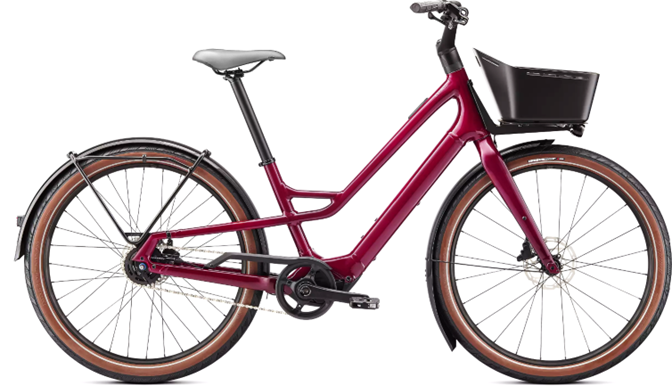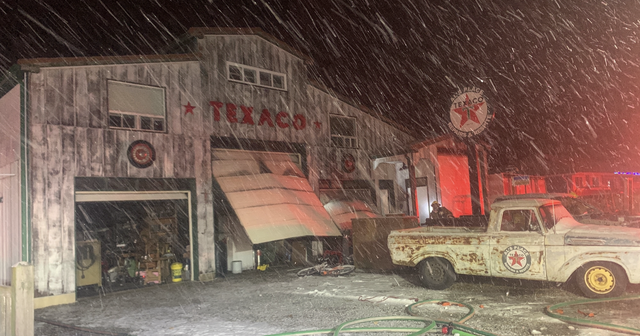
The first warning a group of Norfolk County residents had that something was amiss was a “loud boom” coming from inside the shop below their apartment in the village of Walsh.
Then the apartment started to fill with smoke.
The residents grabbed their pets and spilled outside around 9:20 p.m. on Monday to find what fire officials described as “heavy smoke” billowing from the ground-floor business, a former autobody shop turned hobby shop for electronic bikes and carts.
More than two dozen firefighters converged on the hobby shop, using a tanker shuttle to bring water to the rural location.
“Fire crews were able to bring the blaze under control quickly, preventing the fire from causing significant structural damage,” the fire department said in a media release.
No injuries were reported.
The cause of the explosion remains under investigation by the Office of the Fire Marshal. But Deputy fire Chief James Robertson said the incident highlights the potential risk posed by lithium-ion batteries used in e-bikes and hobby equipment.
Firefighters found “numerous” lithium-ion batteries inside the shop, Robertson said.
“Lithium-ion batteries are becoming more common in homes and small businesses, and while they are generally safe, they can create significant challenges when they fail,” he said.
“We encourage residents to follow proper charging and storage practices to reduce the risk of a serious fire.”
Residents who own e-bikes, scooters, electric vehicles and hobby equipment can reduce the risk of fire by only using manufacturer-approved chargers and power adaptors.
Batteries should be charged and stored away from materials that might catch fire and in areas with a working smoke detector, the fire department said.
When charging, batteries should not be left unattended, which means not charging them overnight.
Batteries that overheat or appear swollen or damaged are due to be replaced.
“It’s important that consumers ensure their devices and chargers meet recognized safety standards, such as CSA certification, to reduce the risk of malfunction or fire,” fire officials said in a media release.
“Although it can be tempting to save money, electronics and electrical devices are never an area to cut corners on.”
In an email to The Spectator, Robertson said there was no indication the owner of the hobby shop was using “non-listed devices,” but the department wanted to take this opportunity to preach best practices.
“Lithium-ion technology is highly effective, but when damaged, improperly stored, or incorrectly charged, they can overheat, ignite, or in rare cases explode,” Robertson said.
“When these batteries fail, they can enter a dangerous state known as thermal runaway, overheating rapidly, releasing toxic smoke, and potentially reigniting even after the main fire is out.”
Those hazards add to the risk for residents and firefighters alike, the deputy chief said.
The Canadian Press. All rights reserved.