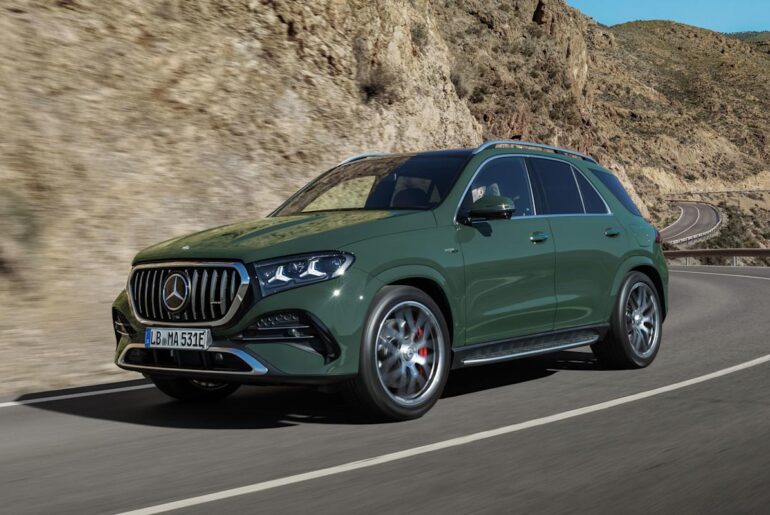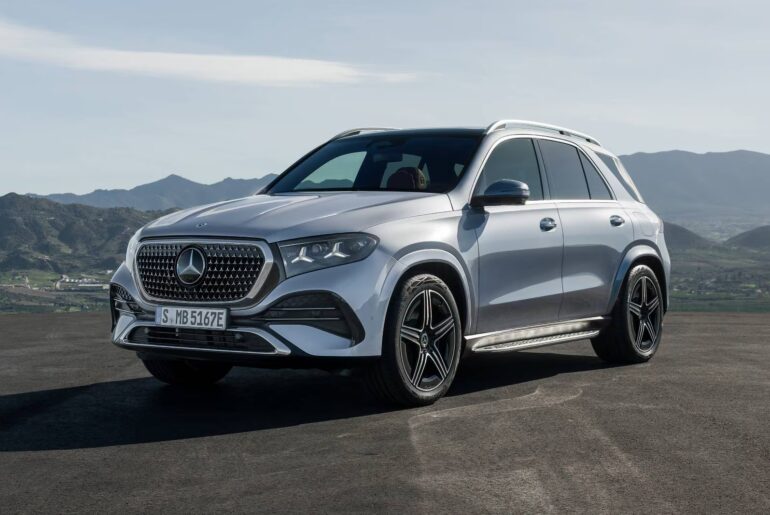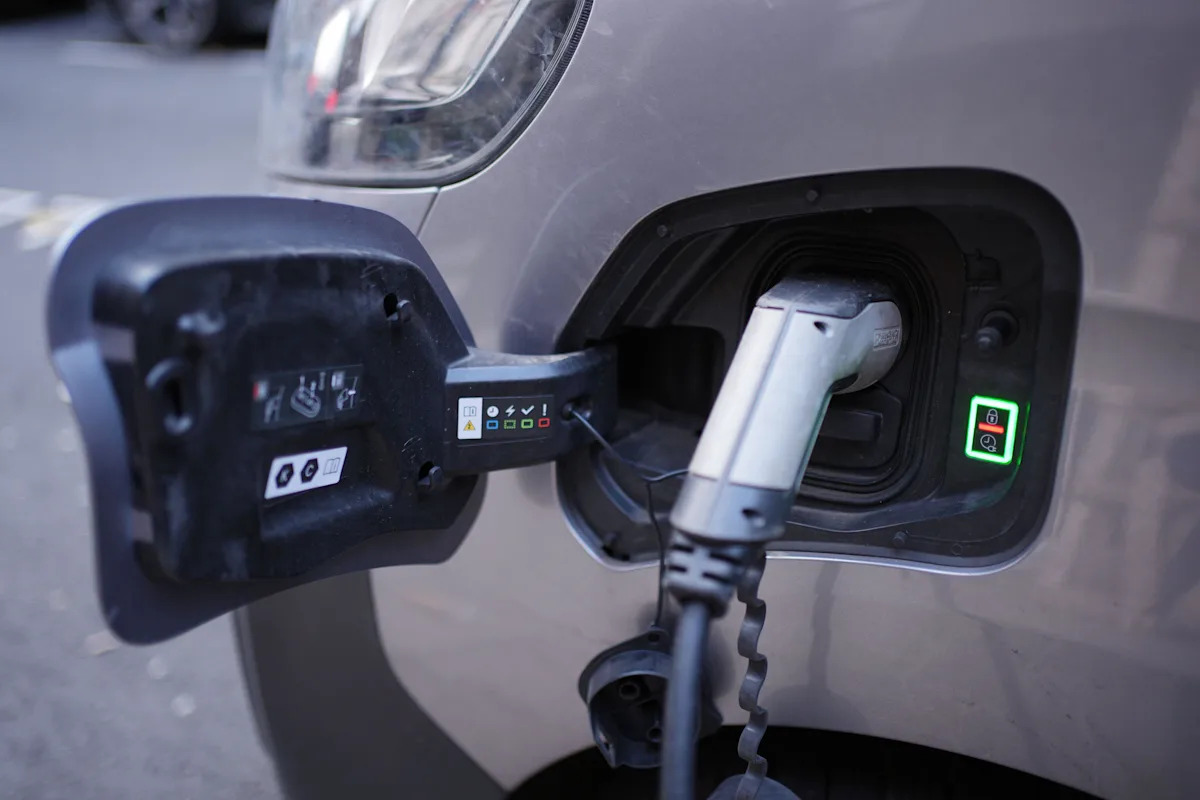
Drivers of the hybrid cars are facing an “unfair” double tax problem with the new levies announced by Rachel Reeves in her autumn budget.
Electric vehicles (EVs) will pay a new levy of 3p per mile they travel after measures were unveiled in the budget on 26 November.
Owners of plug-in hybrid electric vehicles (PHEVs) will pay half this rate at 1.5p, but this means that if you own, or are planning on buying, a hybrid, you will now need to pay taxes associated with owning both an electric and petrol vehicle.
The government had been eyeing increasing taxes on electric cars as they faced the prospect of lost revenue from fuel duty.
The Office for Budget Responsibility (OBR) has forecast fuel duty receipts will decline to around half of current levels in the 2030s in real terms, to about £12bn per year.
Reeves justified the tax by saying: “Because all cars contribute to wear and tear on our roads, I will ensure that drivers are taxed according to how much they drive and not just the type of car they own.”
The new tax has been named electric vehicle excise duty (eVED) and is to be paid each year alongside the existing vehicle excise duty (VED).
The Treasury said that in April 2028, an average EV driver will pay about £240 in eVED per year.
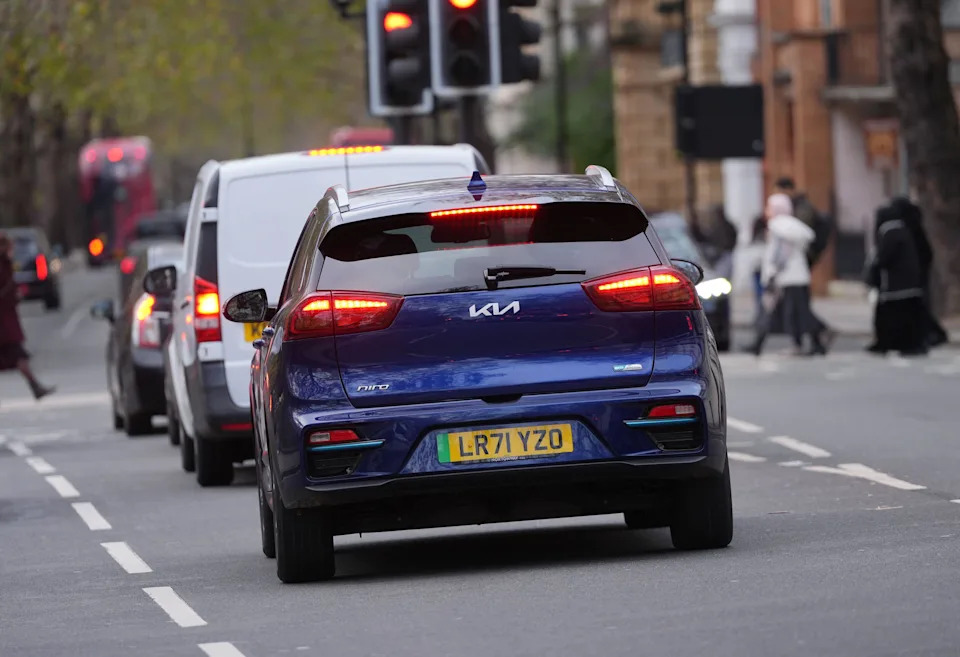
Hybrid cars will have to pay both eVED and fuel duty. (PA)
It added that the tax paid by EV drivers will be “around half the fuel duty rate paid by the average petrol/diesel driver”.
Analysis by the Energy & Climate Intelligence Unit estimated the changes would mean electric vehicles would still be roughly £1,000 cheaper per year to run than their petrol counterparts.
Vicky Parrott, Editor for Electrifying.com, told Yahoo the new changes would “absolutely put people off buying a PHEV.”
She said people who buy hybrids often think about running costs and the new tax would make both owners and potential owners worry about the additional costs.
She said: “The eVED tax isn’t fair, and it is poor timing and a poor decision on behalf of this government.”
But she also said that if an eVED tax is needed, it was “fair” that it was also applied to hybrid cars because “if they weren’t taxed, it would only encourage buyers away from EV and towards PHEVs.”
Where does this leave hybrid vehicles that will now be required to pay four different taxes just to run on British roads?
Here, Yahoo News looks at the four taxes and how they might impact hybrid owners.
Electric vehicle excise duty (eVED)
The new tax hybrid owners will pay is the 1.5p per mile eVED. The government estimates that the average owner of an electric car paying the 3p per mile rate will pay £240 per year extra tax.
They did not publish an analysis on how much extra the owner of a hybrid would pay, but it would be expected to be half of what an electric car does.
The new levy will come into effect in April 2028 and the government has forecast it would reduce EV sales at a time when they are trying to increase them.
Parrott said the new “pay-per-mile tax undermines buyer confidence at just the wrong moment”.
For now, the levy will only apply to cars, while buses, motorcycles and other electric or hybrid vehicles will be exempt.
The levy will be paid alongside vehicle excise duty (VED), and drivers of electric or hybrid cars will be required to estimate their mileage for the year and either pay upfront or spread their payment across the year.
Drivers will submit their actual mileage at the end of the year, and either make an extra payment or receive a credit for future use as required.
Motorists will have their mileage checked annually. This will be during their MOT for most cars.
Silviya Barrett, director of policy at the Campaign for Better Transport, told Yahoo News that taxing hybrid vehicles was “complicated” because it is often not clear when the car is using its petrol engine or the electric one.
She also said manufacturers oversell how good the electric battery is in hybrid cars.
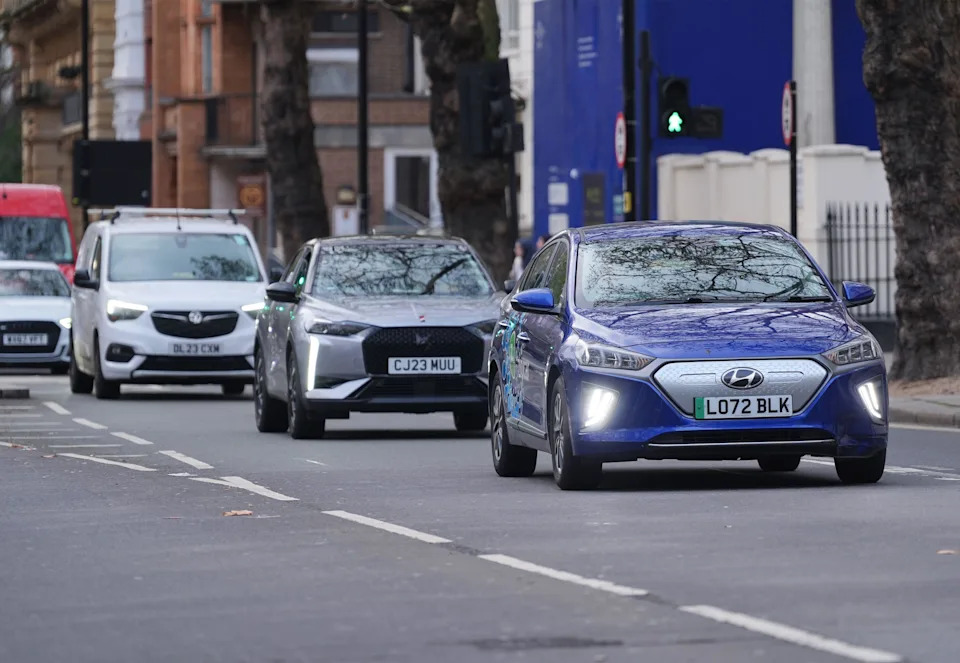
Running an electric vehicle will become more expensive in the UK. (PA)
Because of this, she said: “Logically, it makes sense that the other parts of the consumption is covered by the alternative to fuel duty, which is what that scheme [eVED] would be.”
She said she thought it was “fair” to ask the owners of hybrid and electric vehicles to pay more for road upkeep.
But she also noted extra analysis would need to be done to assess how the new levy would impact hybrid cars and if it would impact the market for buying them.
Parrott noted hybrids do need to be included in the tax because “PHEVs are capable of over 60- to 70 miles of real-world electric range, and many people could live with a PHEV and rarely need to use any fuel at all.”
Fuel duty
Owners of hybrid cars already pay fuel duty every time they fill up their petrol or diesel engine.
In the budget, the chancellor said the 5p per litre fuel duty cut introduced by the Conservative government in March 2022 would only be extended until the end of August 2026.
Rates will then gradually return to March 2022 levels by March 2027.
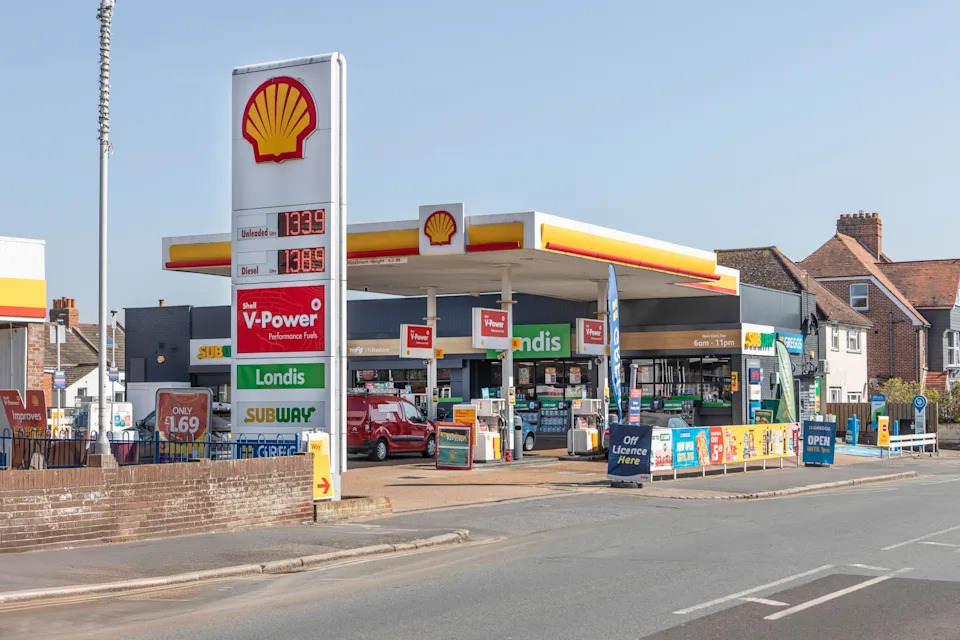
Fuel in the UK is heavily taxed. (PA)
The planned inflation-linked increase in fuel duty has been cancelled for the 2026/27 financial year, but is scheduled to return immediately afterwards.
Fuel duty has not risen since April 2010.
Before the introduction of the 5p per litre cut, the level was 57.95p per litre.
Vehicle excise duty (VED)
Vehicle excise duty, often referred to as car or road tax, is paid for by all drivers.
For all but the lowest emission cars, which hybrid vehicles are not, the tax is £140 per year.
Cars worth over £40,000 pay a £310 supplement for 5 years.
The new eVED will be paid alongside VED, so upfront it will feel like the tax is costing more than owning a petrol or diesel car, but the savings on fuel duty pay off over the course of a year.
Value added tax (VAT)
Value added tax (VAT) is paid on most transactions at 20% and road users are not excluded.
Currently, VAT is charged on top of fuel duty, meaning petrol and diesel in the UK is effectively double taxed.
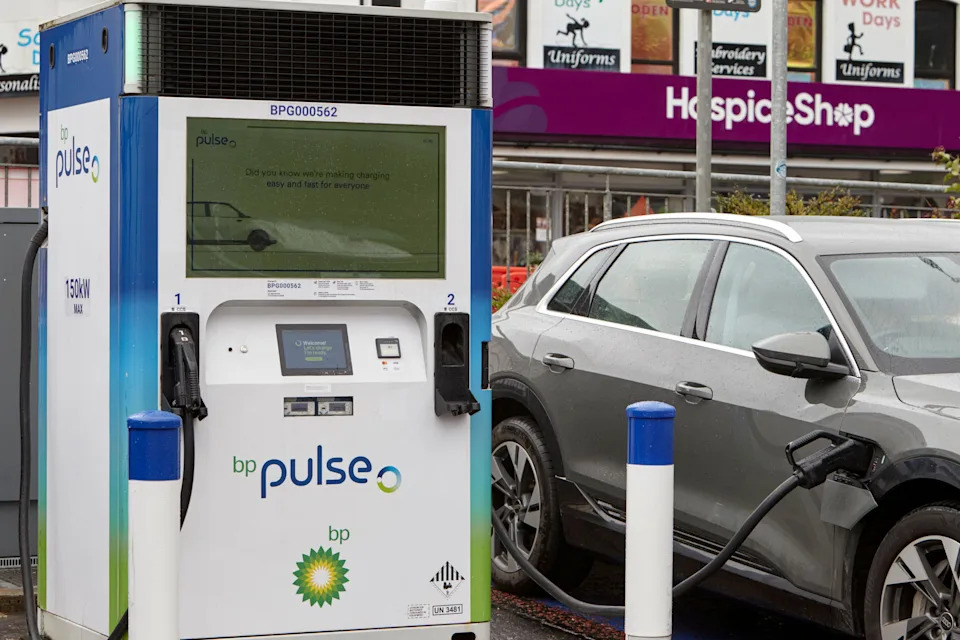
Electric and hybrid car owners pay tax when they charge their car. (PA)
Electric car users also pay full VAT at public charging stations, and 5% VAT when charging their cars at home.
Barrett said the Campaign for Better Transport had been urging the government to equalise this at the lower rate, which would effectively make charging cars at public charging stations cheaper.
She said the government had promised to examine the idea in the budget, which she said was “promising.”
VAT is also charged on all car purchases.