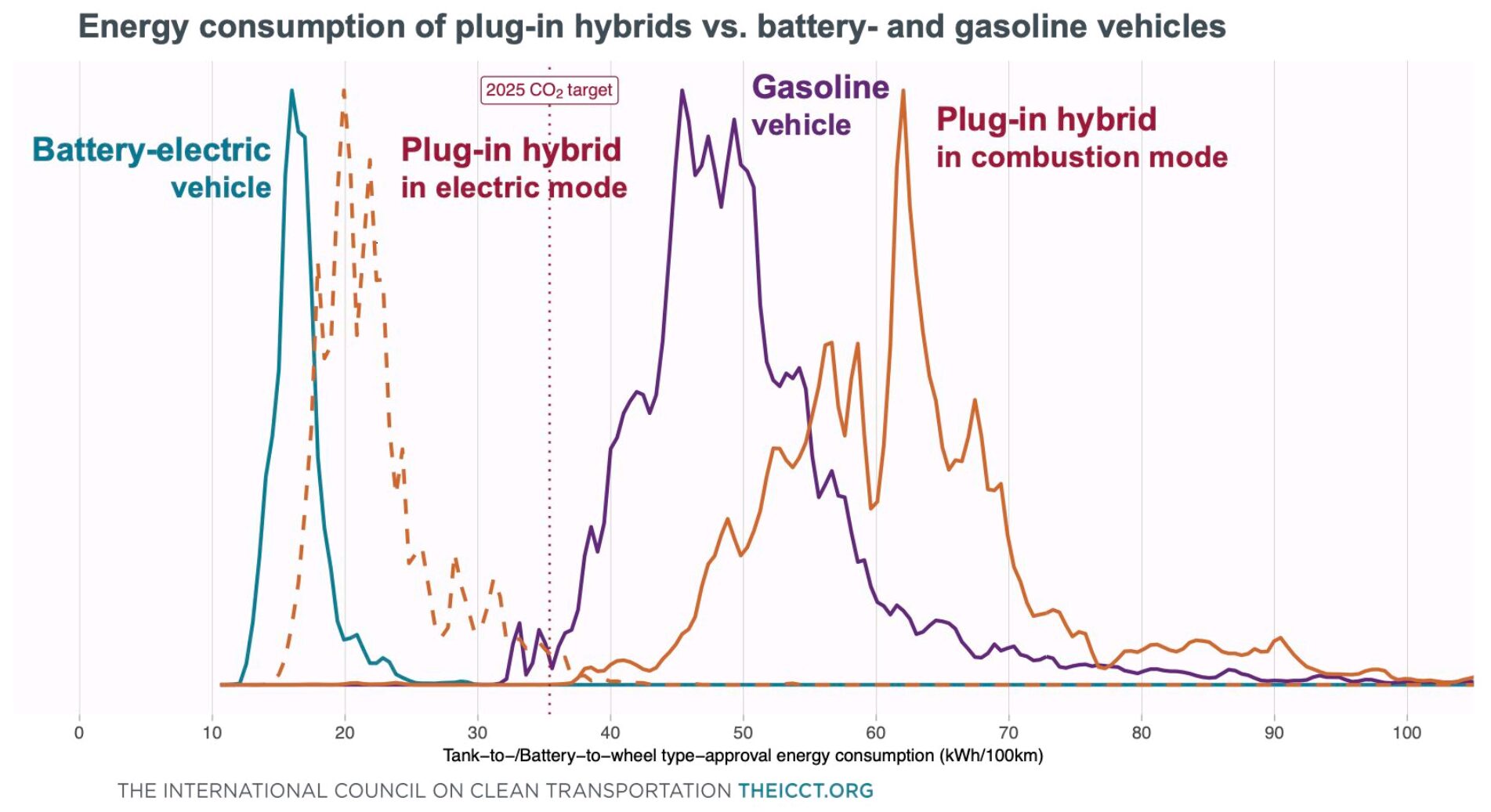
Battery-electric vehicles (BEVs) deliver the strongest benefits to motorists and the environment across the spectrum of new-energy vehicles, according to a new analysis from the International Council on Clean Transportation (ICCT).
“South Africa has recently seen rising interest in plug-in hybrid vehicles (PHEVs), yet these vehicles combine the worst of both worlds,” says Hiten Parmar, Executive Director of The Electric Mission. “While they may appear to address range-anxiety concerns, they fall short of the benefits claimed by many manufacturers.”
Real-world data shows that PHEVs consume more energy in electric mode than comparable BEVs. When driven using their combustion engines, their fuel consumption and CO₂ emissions exceed those of traditional petrol or diesel vehicles — in some cases by up to five times more than advertised. ICCT’s findings also suggest this performance gap is widening, ultimately leaving consumers to bear the cost of inefficiency.
“The hybrid design comes with significant compromises,” Parmar says. “Their extra weight reduces efficiency, and running costs are higher than those of BEVs because hybrids must follow standard internal-combustion maintenance schedules while carrying both a battery and a fuel tank. Zero-emission vehicles are designed to curb local air pollution, especially in cities, and hybrids are far less effective at delivering these improvements. Battery-electric and fuel-cell electric vehicles are simply better equipped to enhance urban air quality.”
Despite lingering misconceptions about range, Parmar adds that even South Africa’s most affordable BEV models can comfortably meet typical daily-driving needs. Home charging, he notes, remains the most economical and convenient way to power an electric vehicle.
Author: Bryan Groenendaal