Despite the ever-increasing prices of new vehicles, we can at least say that advancements in efficiency technology have also had a rapid pace in recent years. Electrification is at the forefront of automotive tech, and one of the segments with the most development is plug-in hybrid systems.
Just recently, the ADAC (the German equivalent of AAA in the U.S.) did a study where they measured the durability of plug-in hybrid vehicles over time. Although these results aren’t the end-all be-all, they do give us a good idea of what factors are at play and which brands are finding success. Curious to know the results? Let’s break it down.
German Luxury Giants Lead The Way
Mercedes-Benz
Most of us know that all batteries, whether they are in your smartphone or car, lose their charge over time. The batteries found in PHEVs (plug-in hybrid vehicles) are no different, but the real question is how much juice you are losing, and how fast you are losing it. The ADAC (Allgemeiner Deutscher Automobil-Club) teamed up with the global leader in independent battery testing, AVILOO, to devise a study that evaluated 28,500 PHEVs across six different automakers in order to find out.
Mercedes-Benz Takes The Top Spot
2025 Mercedes GLC 350e Exterior Charge PortMercedes
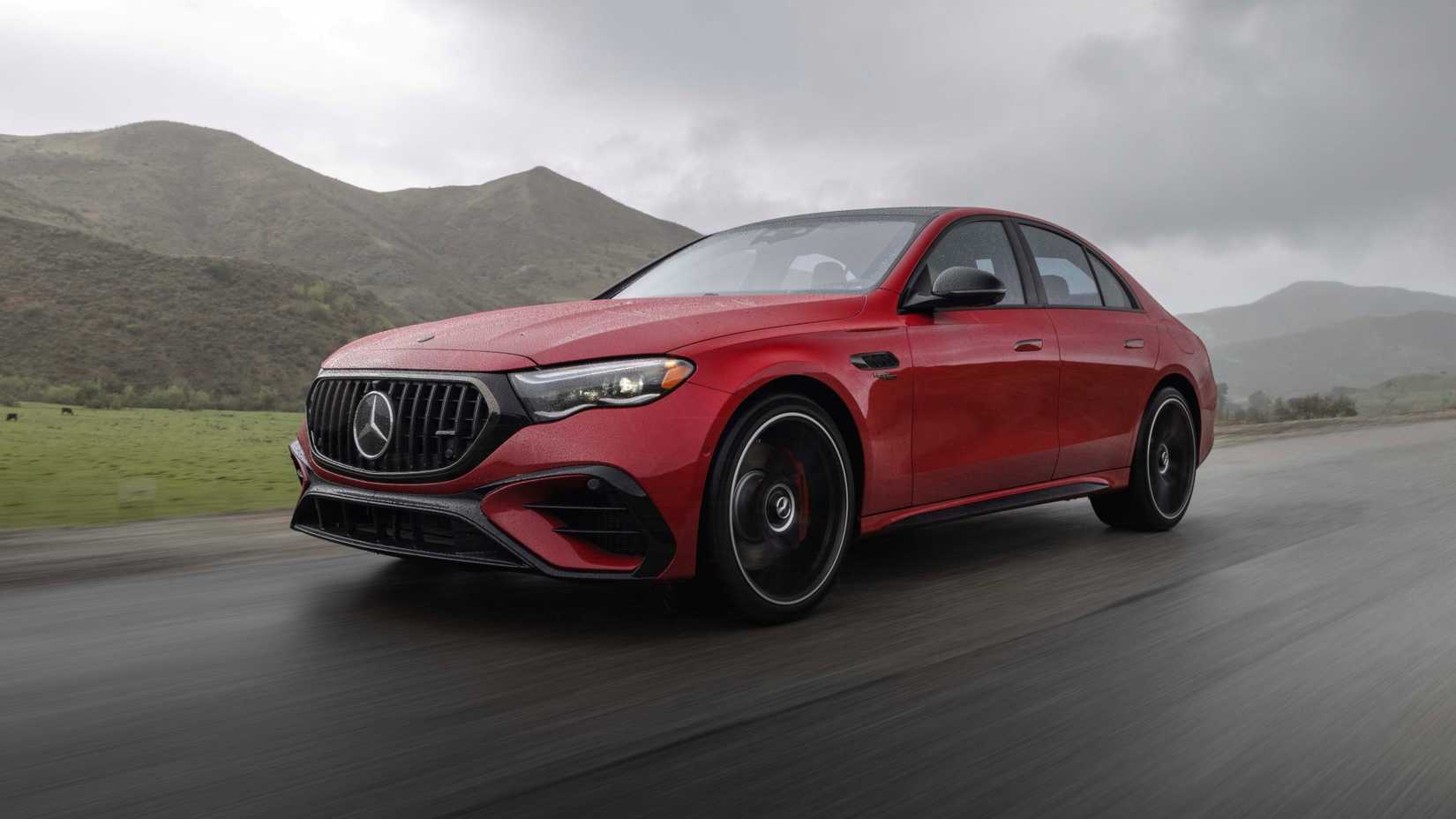
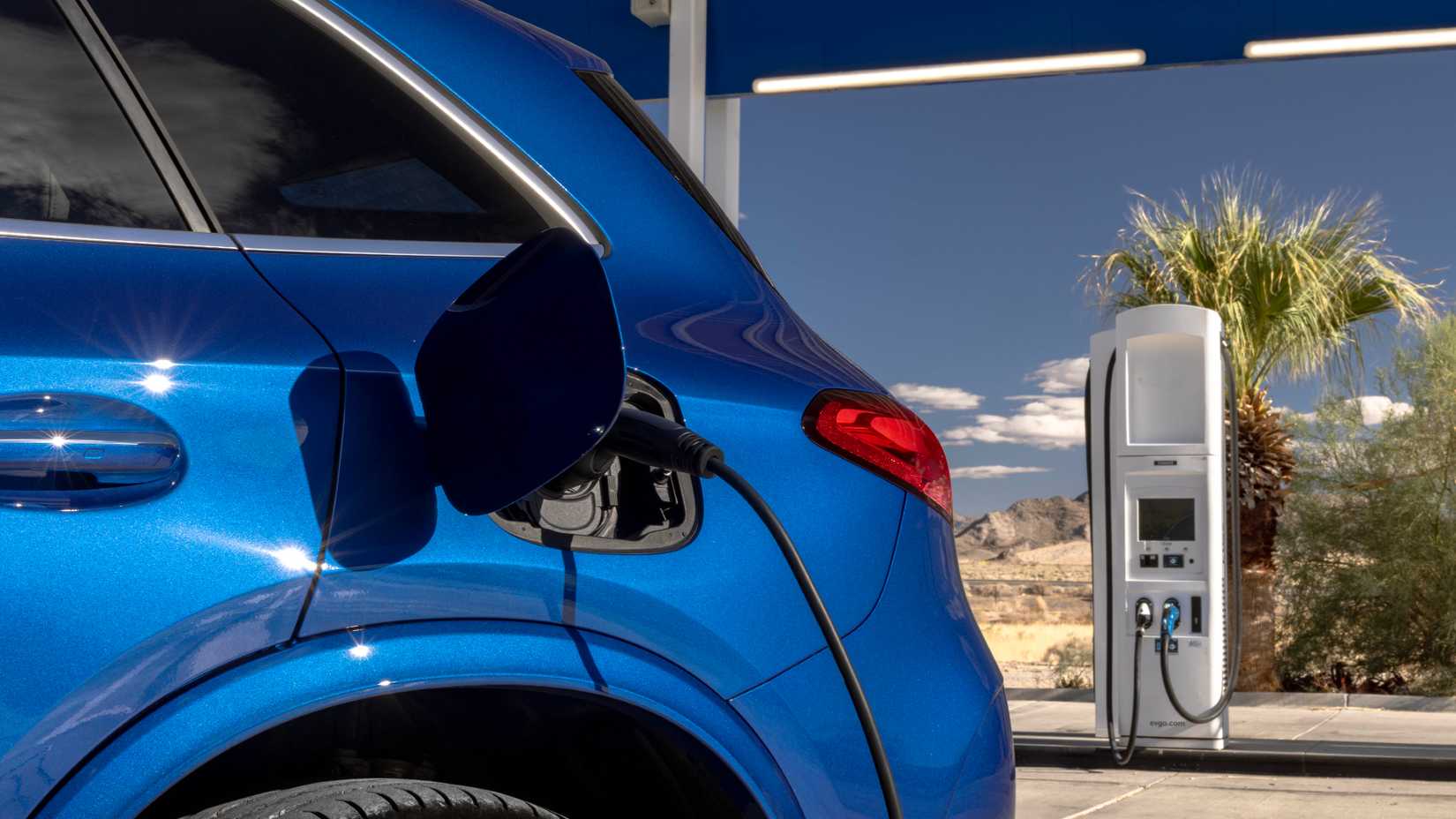
Of the six brands tested in this study, Mercedes came out as the top performer among the bunch. The data showed that Mercedes PHEVs observed the least amount of degradation of battery health, and these vehicles retained about 90-percent of their original capacity after 124,000 miles. The data also showed that regardless of the primary use of gas or EV modes, battery degradation was about equal across Mercedes models.
BMW Was A Close Second
BMW M5 AC Schnitzer rear 3/4 shotAC Schnitzer
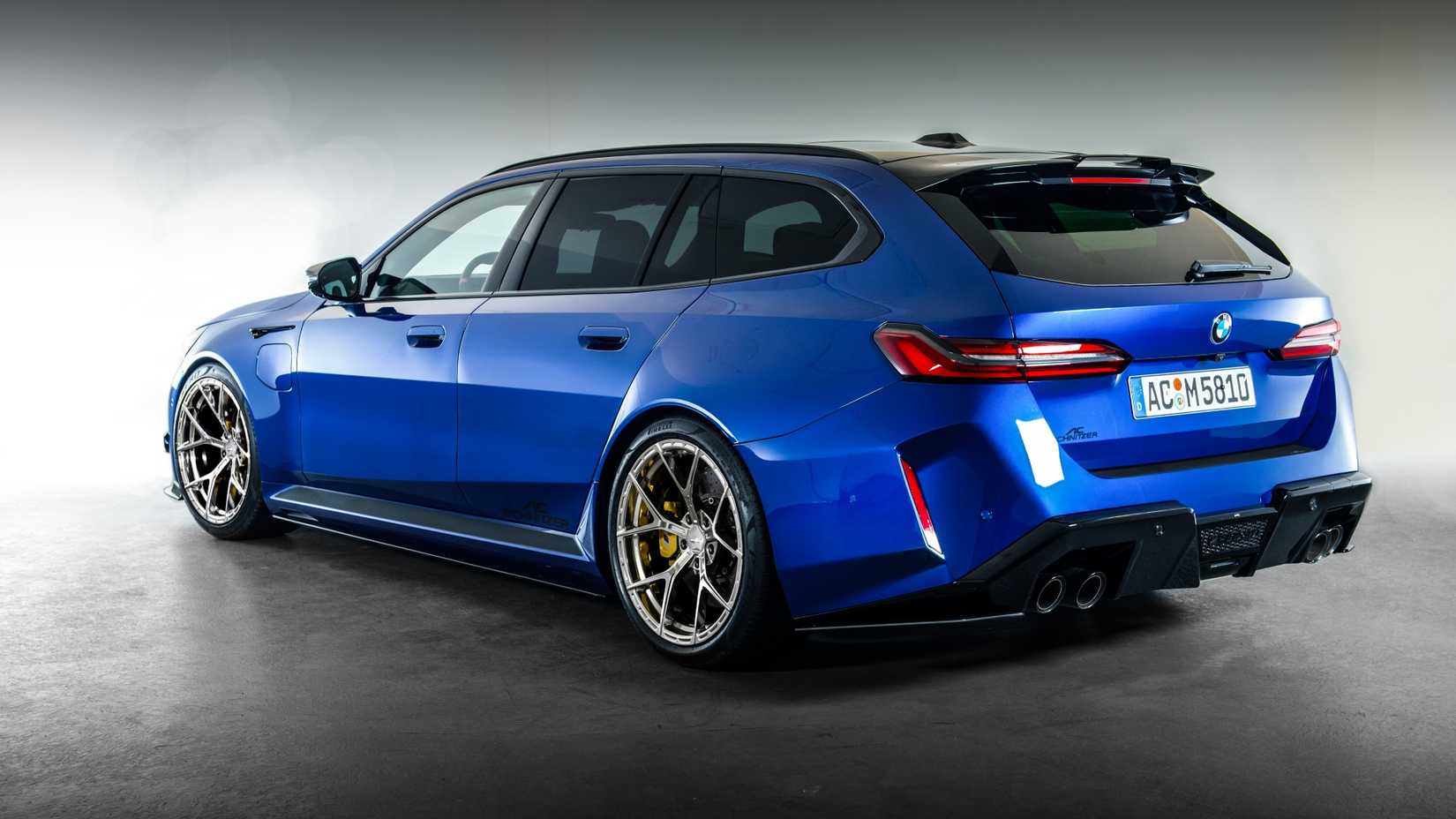
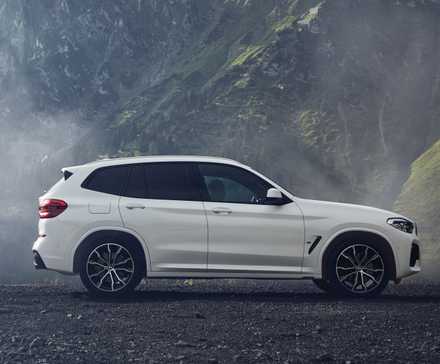
BMW was right behind their perennial rivals, Mercedes, taking the second-place spot in this study. The data displayed that BMW PHEV models that utilized primarily gasoline modes also managed to retain about 90 percent of battery health after 124,000 miles. However, when the vehicle was utilized primarily in EV mode, the State of Health (SoH) value dropped to 77 percent. There were also more poor-performing outliers among BMW PHEVs when compared to Mercedes PHEVs.
Related
This 4-Year-Old Luxury BMW Plug-in Hybrid SUV Now Costs Less Than A New Corolla
If you prioritize luxury, this used German PHEV SUV should be on your shopping list.
The Best Of The Rest: Volkswagen And More
Nicole Wakelin / Top Speed
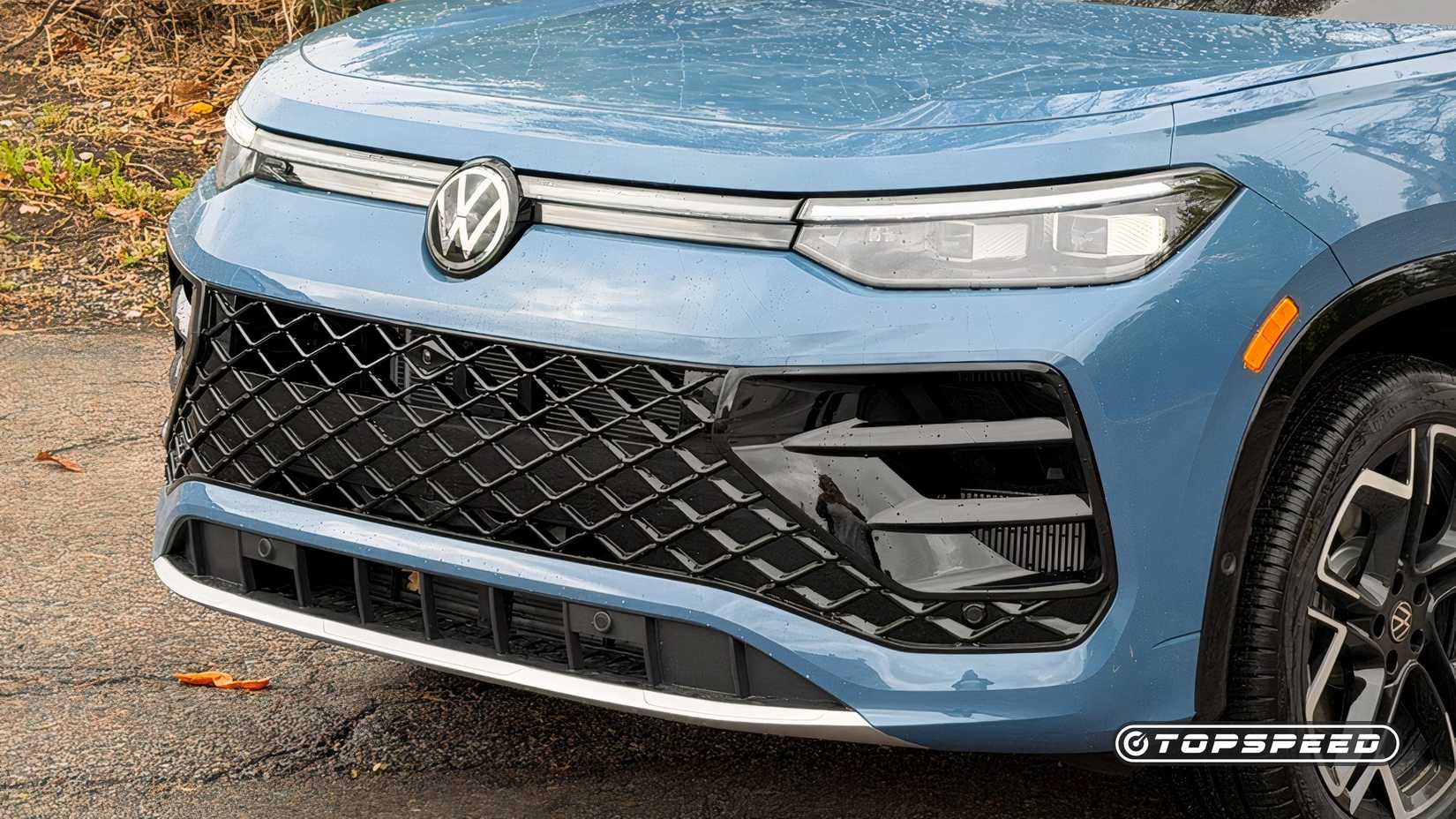
Considering this is a German study, they made sure to touch all corners of their domestic market, including Volkswagen. Overall, Volkswagen PHEVs did perform well, managing about 85 percent battery health after 124,000 miles. The study detailed that there were more poor-performing outliers compared to BMW or Mercedes, but they were not the worst of the group. It is important to note that we currently do not have a single Volkswagen PHEV for sale in the U.S., and as of now, the automaker isn’t planning on changing their stance in that regard.
Ford Still A Work In Progress
blue 2023 Ford Escape Plug-In Hybrid in Vapor Blue front 3/4 shotFord
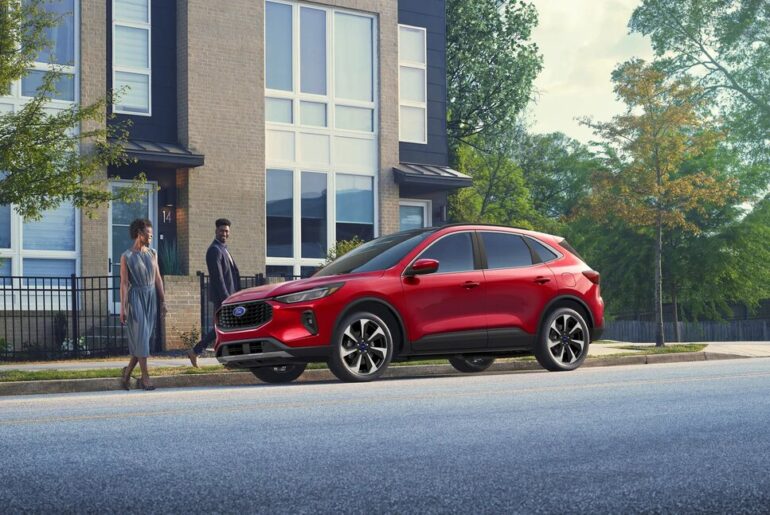
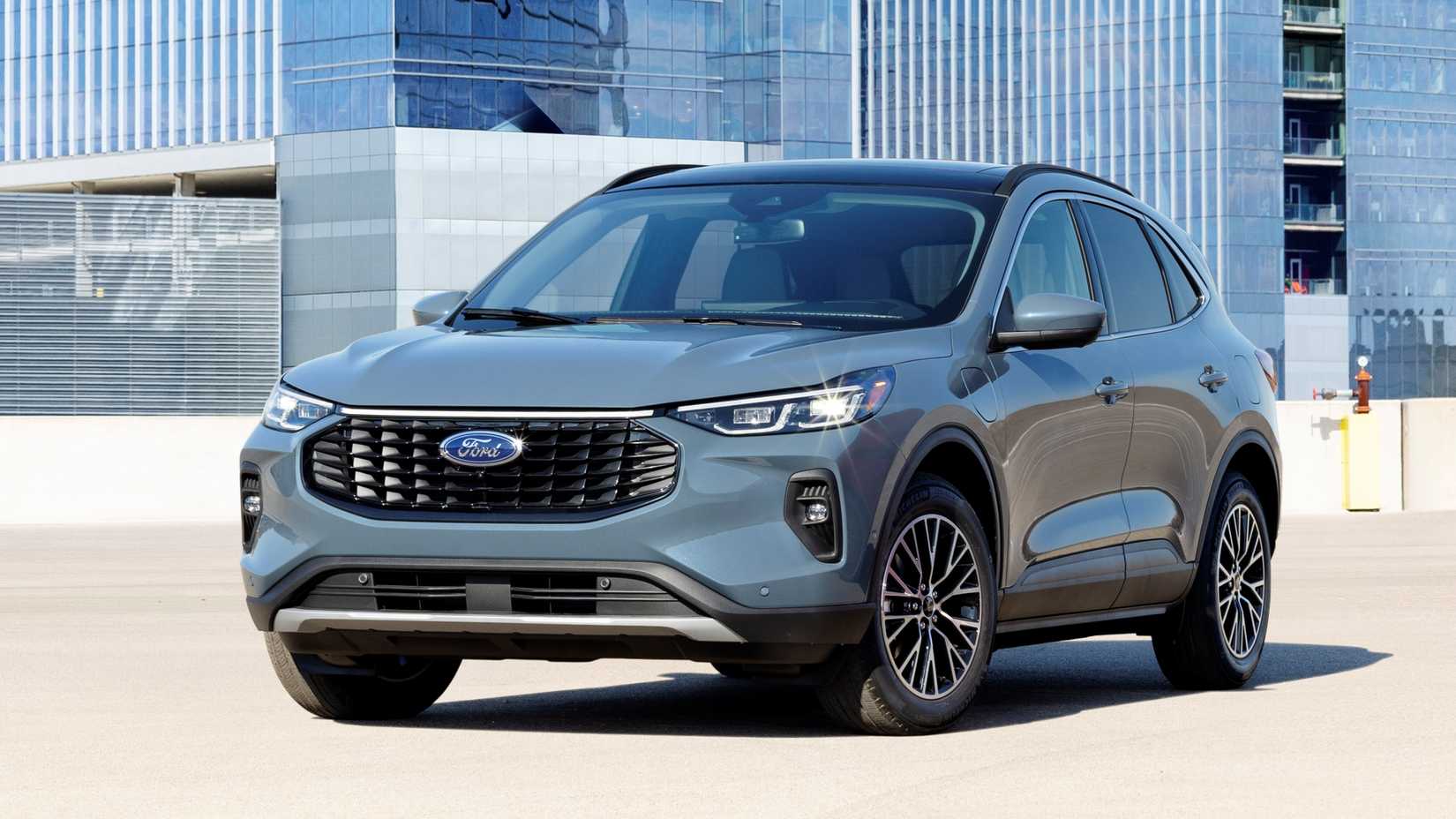
Of the Ford vehicles tested in this study, most displayed a significant drop-off in battery health, down to about 90 percent early on in their lifespans (15,000 miles). They further detail that this trend flattens out as mileage increases. However, the data is less solid for Ford than other brands in the study because there was a smaller sample size available of high-mileage Ford PHEVs.
Mitsubishi Still Figuring It Out
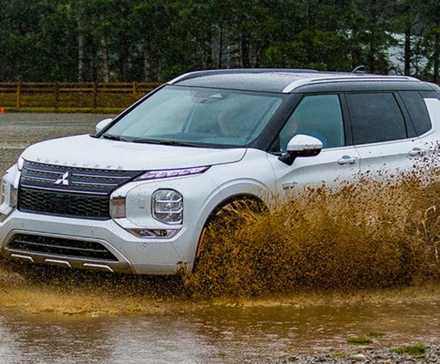
2025 Outlander PHEV Exterior Side ProfileMitsubishi
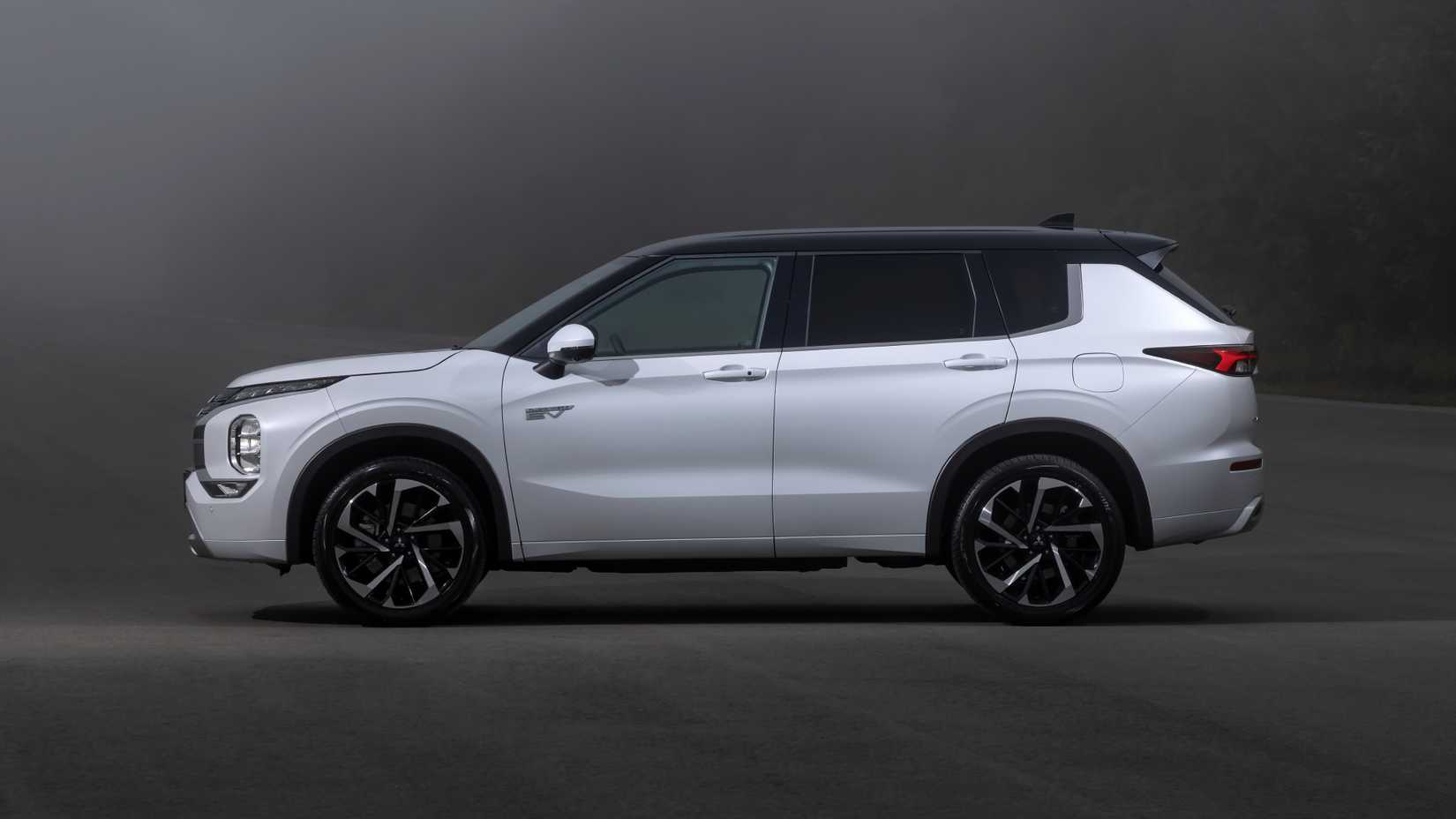
The lowest-performing brand in this study was Mitsubishi, whose models showed the worst degradation and the greatest inconsistency. When utilized primarily in EV modes, SoH figures for Mitsubishi PHEVs dropped under 70 percent after 124,000 miles. Even Mitsubishi PHEVs with light EV usage still dropped under 80 percent battery health by 62,000 miles, a significant reduction compared to other rival brands.
Related
It Looks Bad On Impact, But This Midsize SUV Might Save Your Life
The Mitsubishi Outlander earns some impressive safety scores from the IIHS.
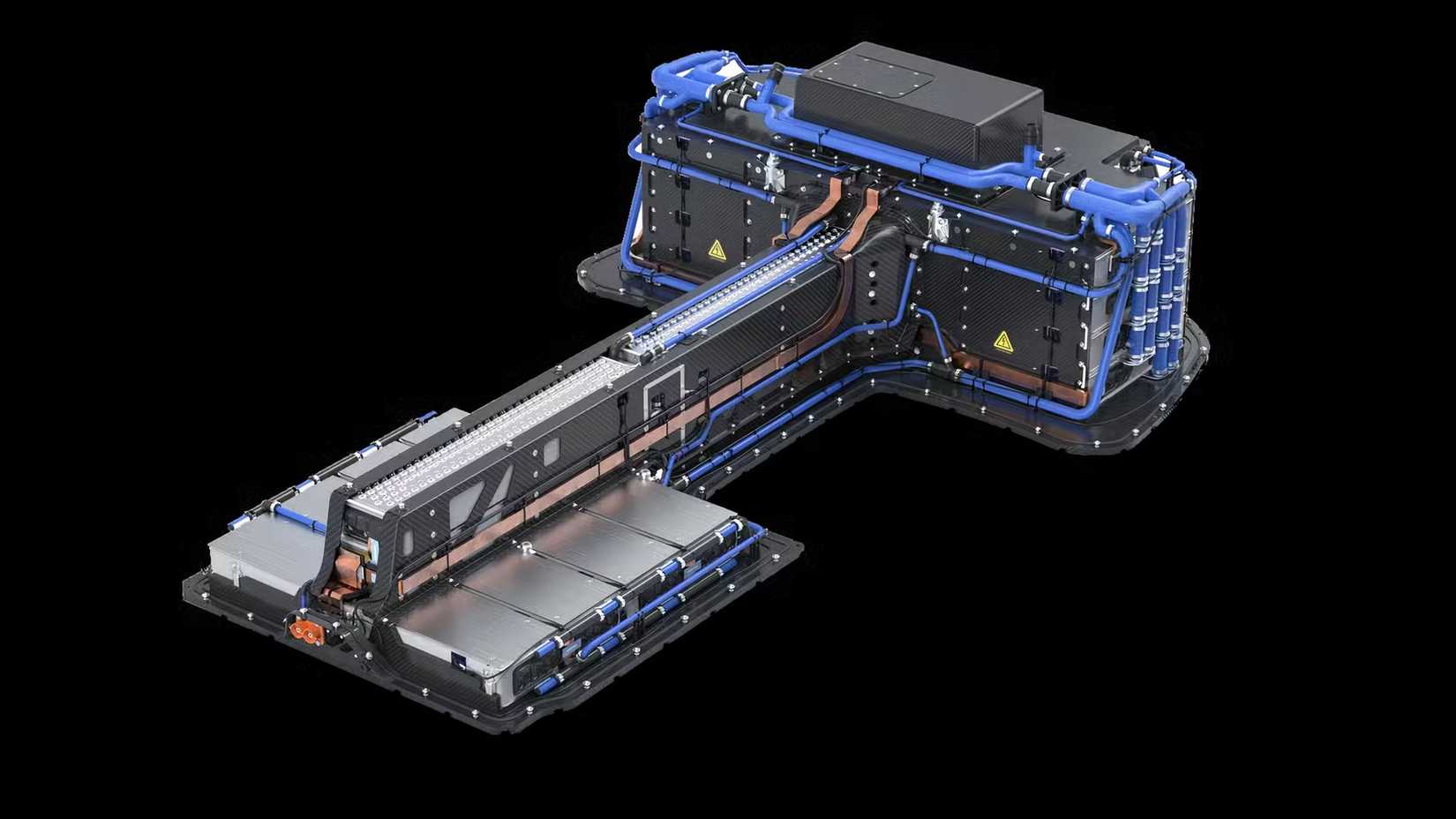
Rimac Nevera Traction Battery On DisplayRimac
Though it may be obvious, greater usage of EV modes in PHEVs means more charging cycles, which leads to greater battery degradation on average. However, replacing the battery unit in your PHEV down the line should not be a significant concern or a fear factor for any prospective PHEV owners. This was once a major worry with early PHEVs, but the data debunks the myth. Research has shown that modern PHEV platforms are incredibly consistent and reliable, with only 1.5 percent of PHEVS from 2011 to 2023 requiring a battery replacement.
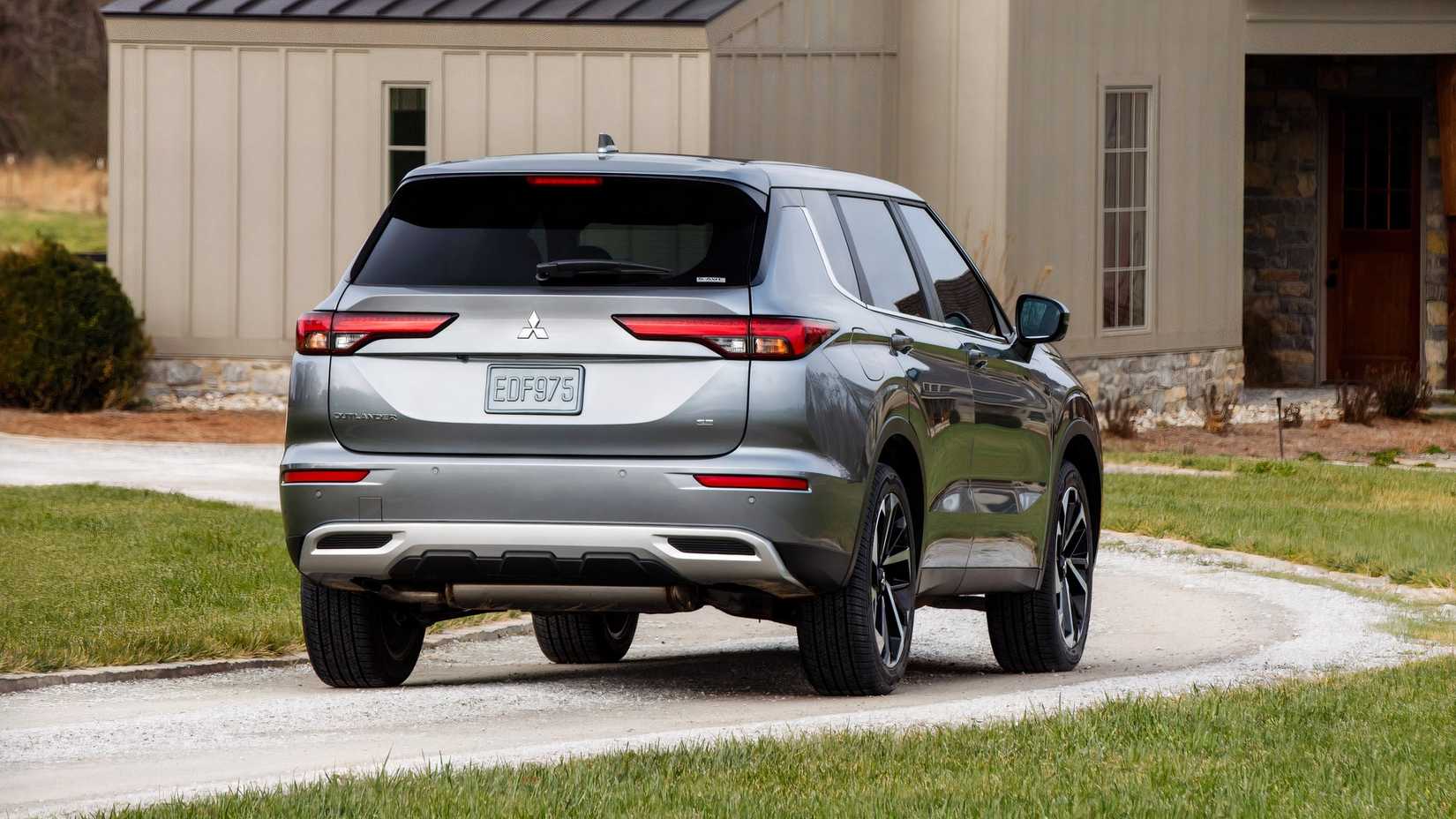
A static rear-quarter shot of a gray 2022 Mitsubishi OutlanderMitsubishi
From 2016 to 2023, that figure dropped even lower to one percent. New PHEVs have never been more solid, as battery packs on PHEV vehicles after the 2015 model year are more than likely to survive past the average lifespan of the vehicle. Thus, even if a PHEV’s battery health decreases over time, its functional capacity will never diminish entirely given the lifespan of the vehicle.
The Expected Standard Of A Used PHEV Battery
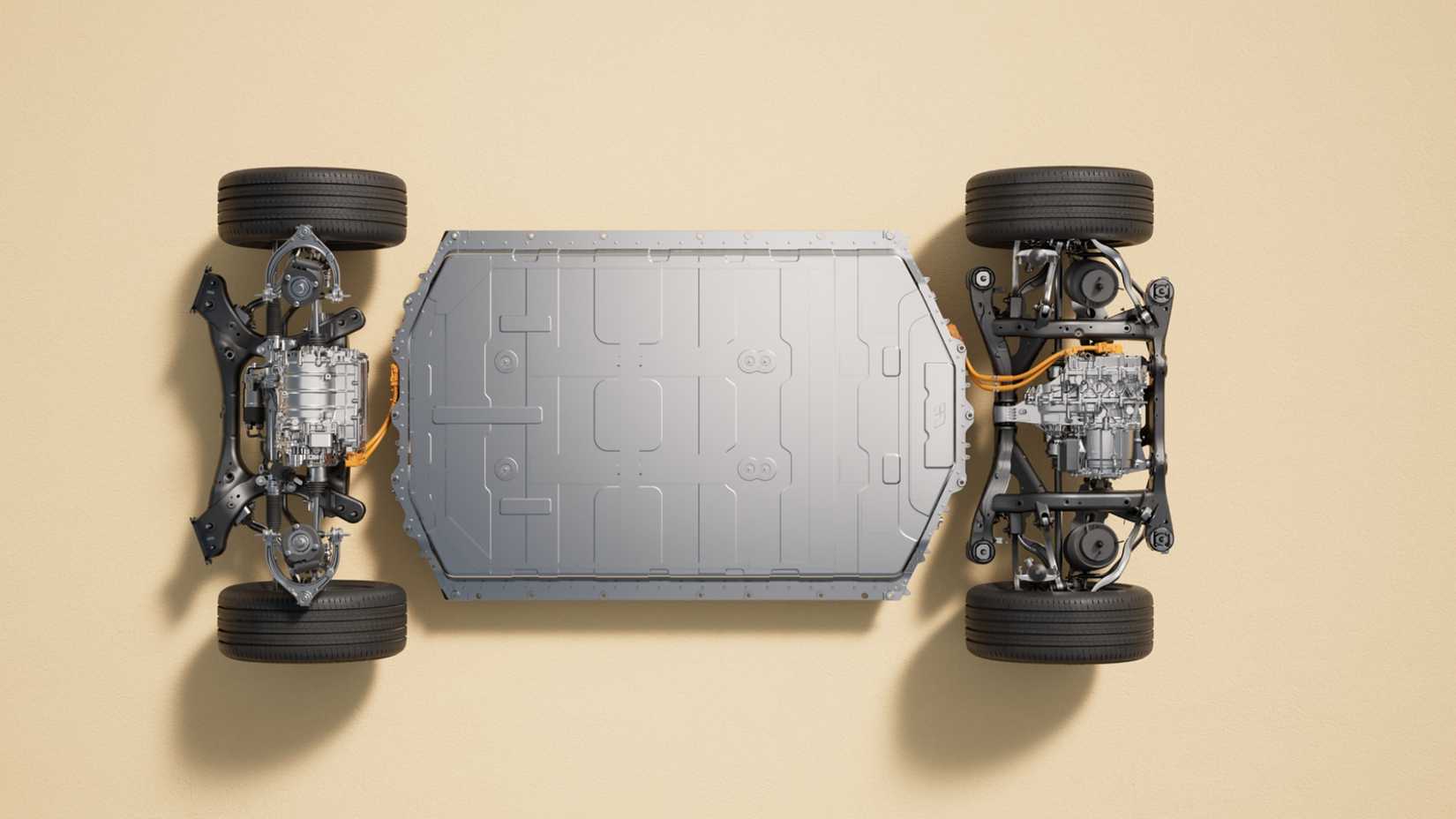
Li Auto
Just like when buying any used car, a thorough pre-purchase inspection is a smart way to protect your investment. Yet, with PHEVs, the process is just a little bit more complicated as you will also want to ensure the SoH of the batteries before pulling the plug. However, nowadays, you yourself can check SoH along with many other details about the battery’s condition with an OBII Bluetooth dongle and an app, such as EVScanner.
According to the ADAC data, the following SoH values should be achieved:
At least 92 percent at 31,000 miles
At least 88 percent at 62,000 miles
At least 84 percent at 93,000 miles
At least 80 percent at 124,000 miles
Avoid PHEVs That Don’t Meet The Standard
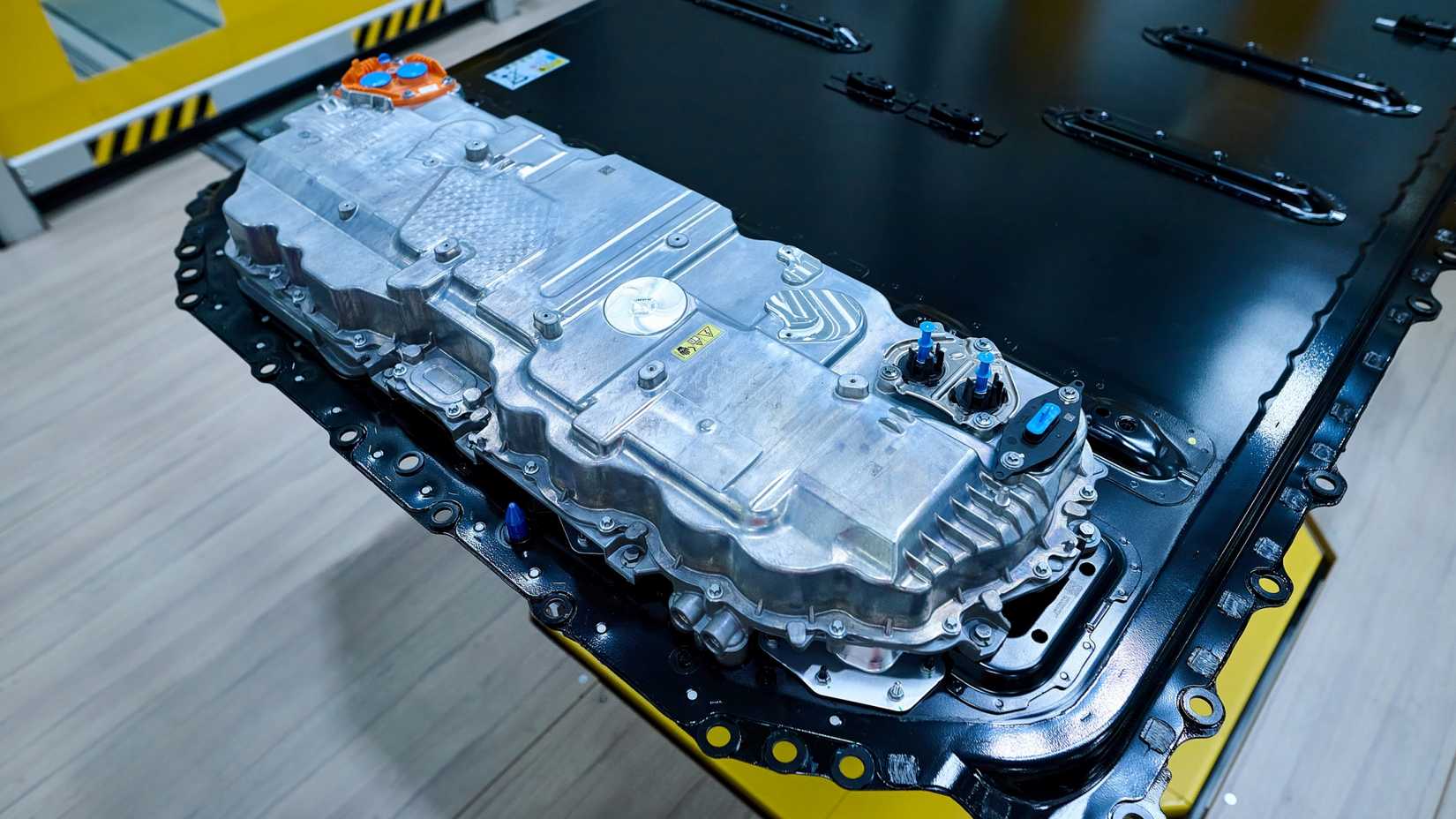
BMW iX3 Neue Klasse Battery Pack AssemblyBMW
If you find and test a used PHEV that is under the set values we just outlined, that should be an immediate red flag. While lower than standard values aren’t a guarantee of an issue, abnormal SoH figures could point to failing or excessively aged battery cells. As we mentioned, replacement of PHEV battery systems is incredibly rare, but the last thing you want to do is take chances in this situation. Because the fact does remain that if the battery of a PHEV does need to be replaced, the vehicle may be determined as a total loss due to the cost of the repair (if no longer under warranty). If you want your PHEV battery to last as long as possible, ADAC recommends avoiding charging up to 100 percent capacity. Instead, loads between 20 and 80 percent are considered the optimal range to ensure the longevity of the battery system.
Related
I Really Didn’t Expect This Plug-In Hybrid To Be This Good
The auto industry has released a slew of competitive plug-in hybrids in recent years. But I did not expect this one to be this good.
Warranties, Regulations, And Other Considerations
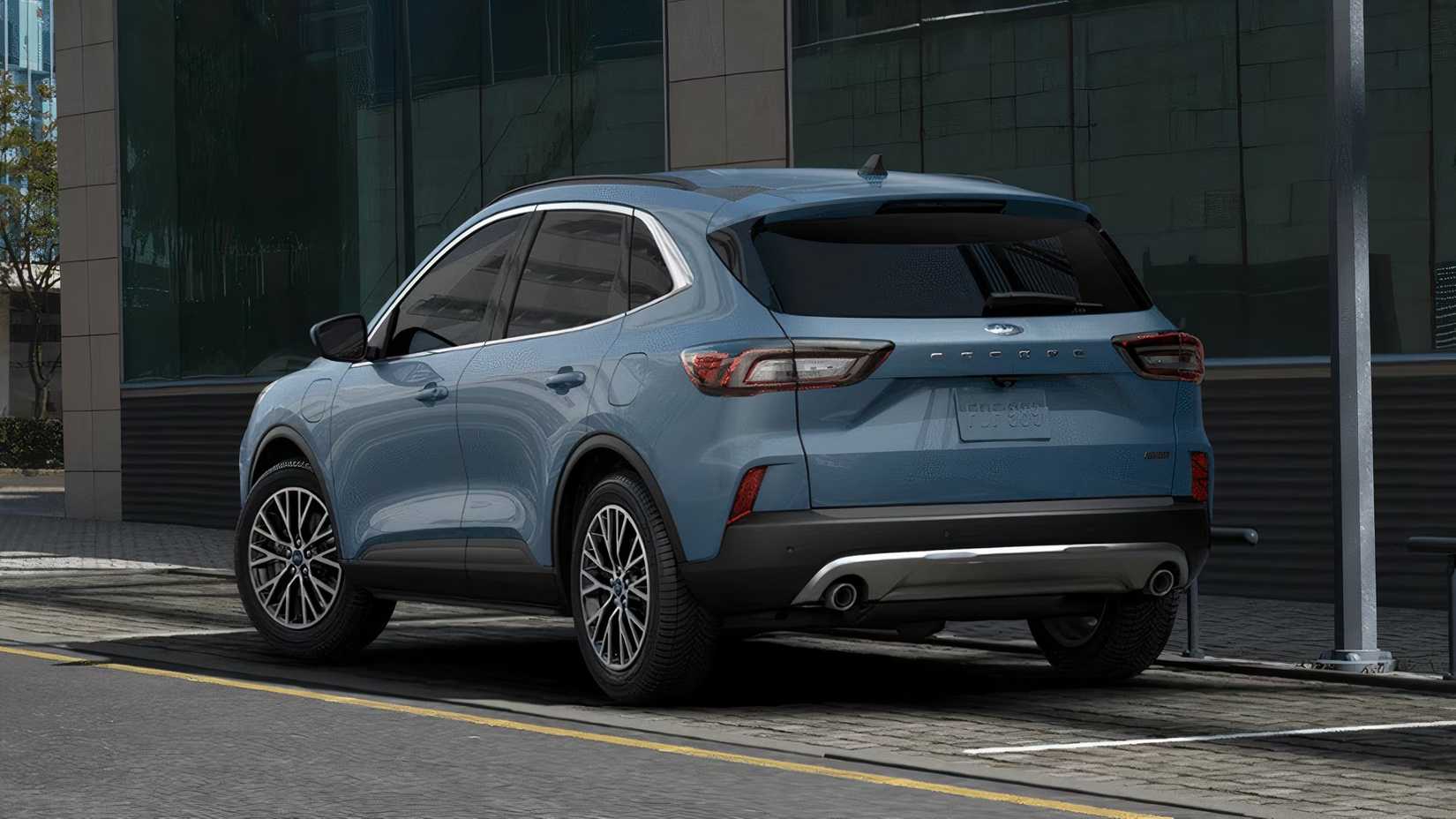
Ford Escape PHEV rear-quarterFord
While warranties concerning PHEVs are mostly the same as their gas-powered counterparts, there are some slight differences between the two. First, battery degradation is inevitable, so warranties typically cover a minimum expected capacity standard, not a guarantee of 100 percent efficiency throughout the lifespan of the vehicle. Most hybrid vehicles’ warranties also cover all hybrid-related components, such as the battery, the battery control module, and the inverter with converter.
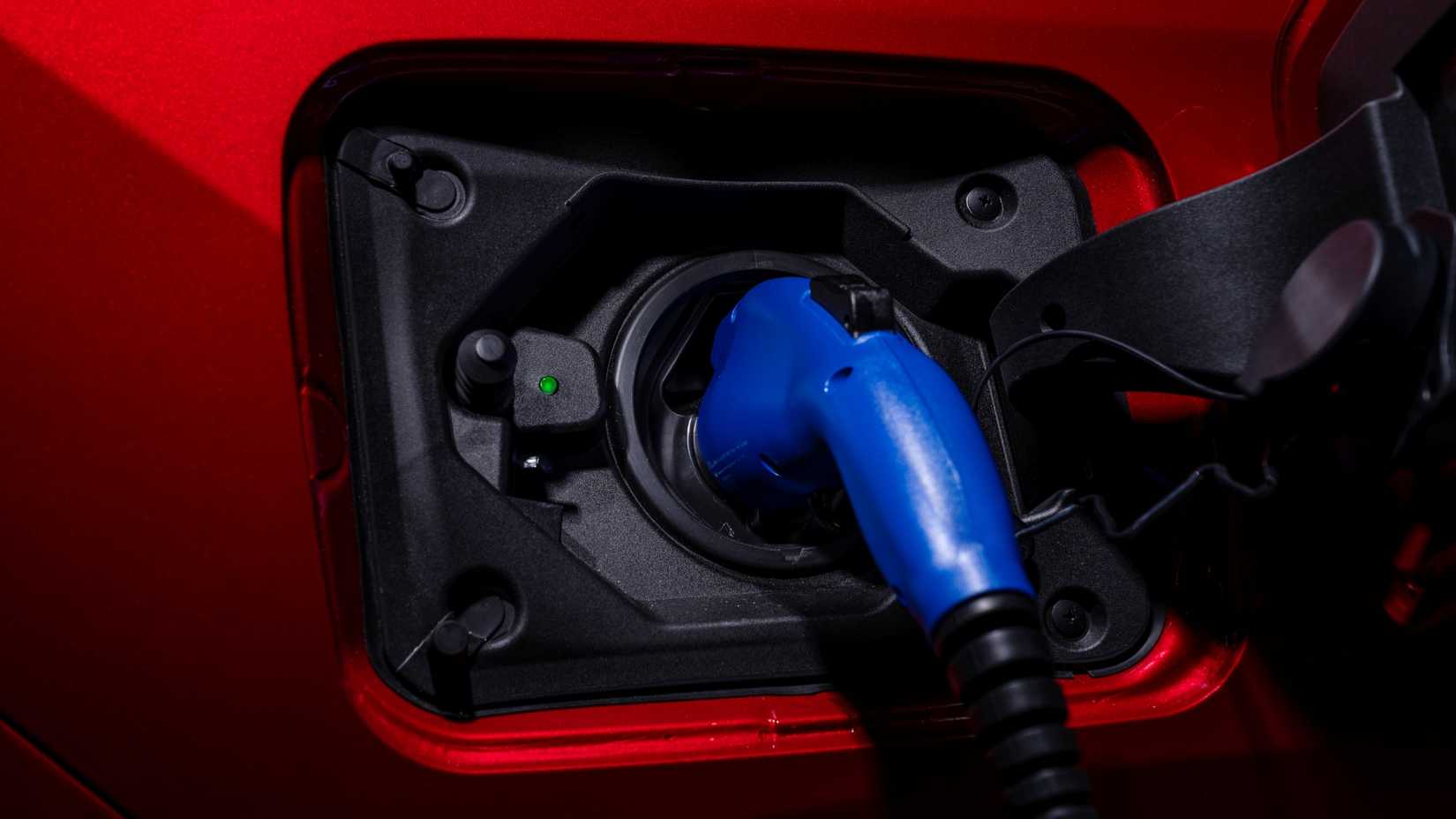
2021 Toyota RAV4 Prime Charging PortToyota
Standard hybrid-related coverage across most automakers is for eight years or 100,000 miles, whichever comes first. However, for example, Toyota, as of the 2020 model year, increased its coverage to ten years from the date of first use or 150,000 miles, whichever comes first. As you can see, confidence in the reliability of hybrid platforms has only increased over time, with battery-related failures being extremely rare occurrences as opposed to being a common expectation.
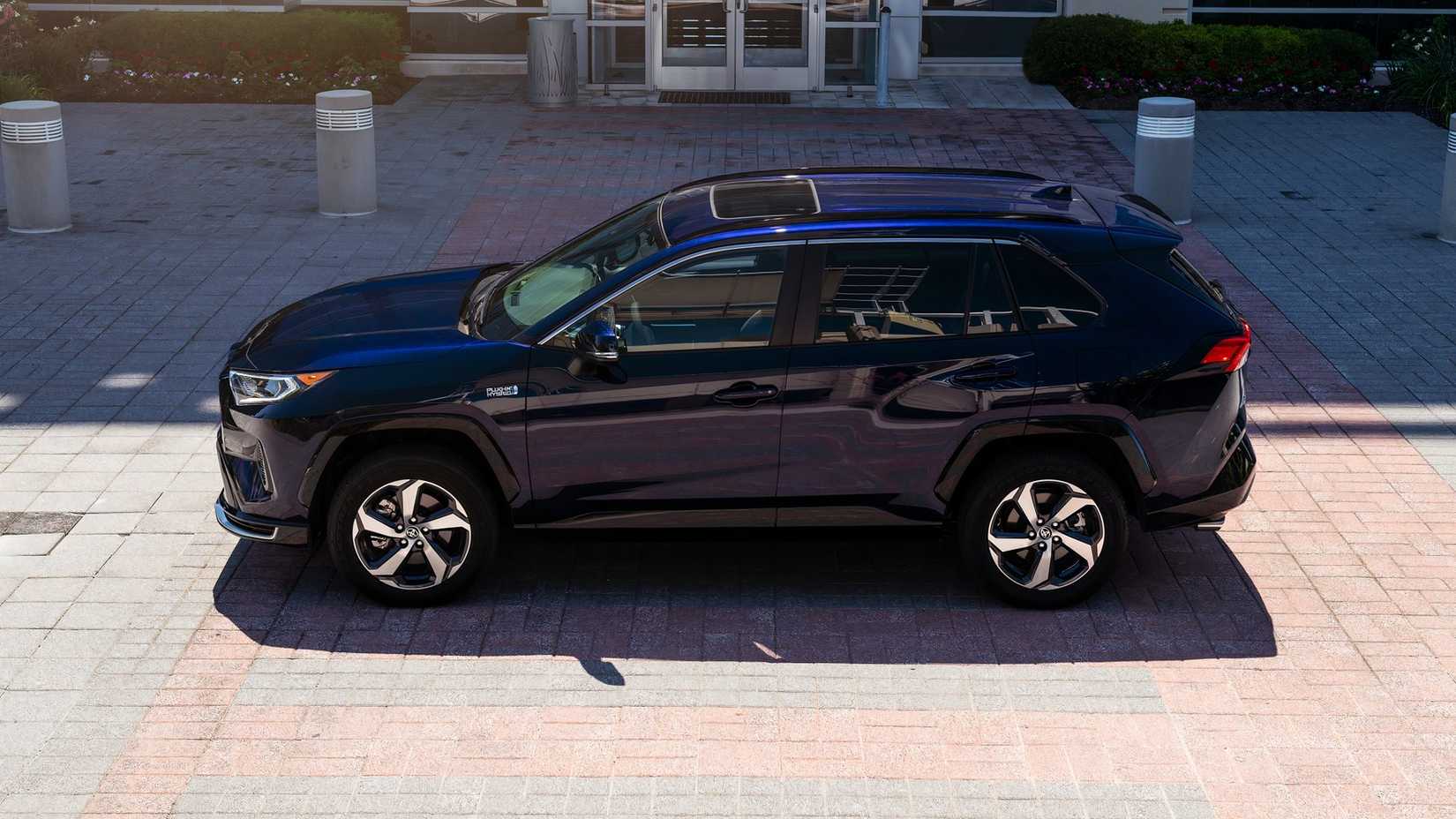
Side profile shot of a blue 2023 Toyota RAV4 Prime SE.Toyota
As we detailed, a PHEV battery is not considered outside its expected range as long as it retains 80 percent or more of its SoH at 124,000 miles. Yet, if that figure drops below 75 percent while the vehicle is still under warranty, the battery system may be subject to replacement. California has set a recent regulatory standard in this regard, beginning with the 2026 model year, requiring that all BEV batteries retain at least 70 percent of their range for ten years or 150,000 miles. Furthermore, 2030 models and beyond must retain 80 percent for the same period. As you can see, the California standard is more or less in line with the SoH data validated by the ADAC study. Yet, as we know, PHEV platforms have never been stronger than now, and they will only be even better in the near future as electrification takes more and more of the forefront in the automotive industry.
Sources: ADAC, Energy.gov, Kelley Blue Book.