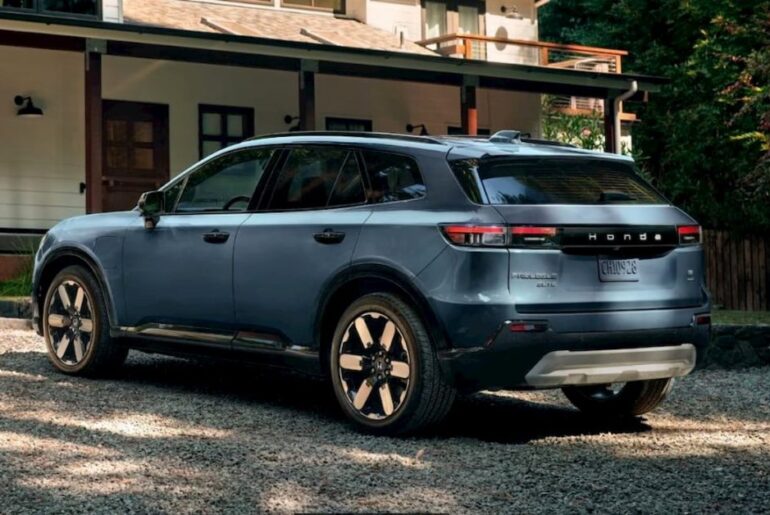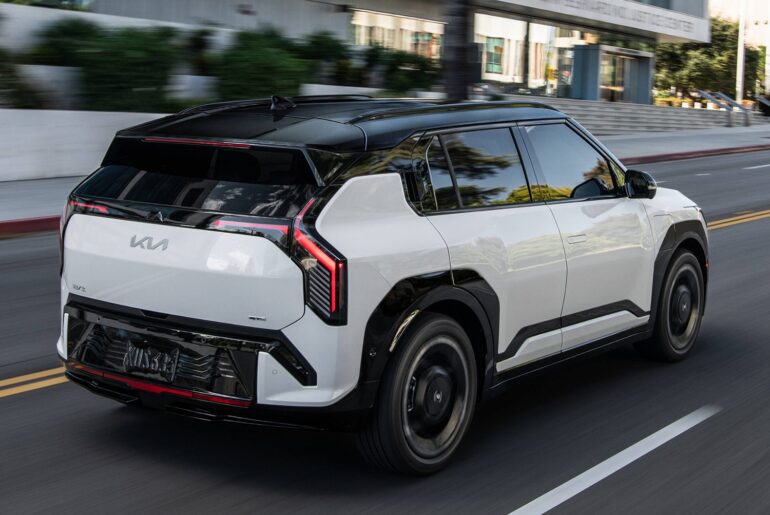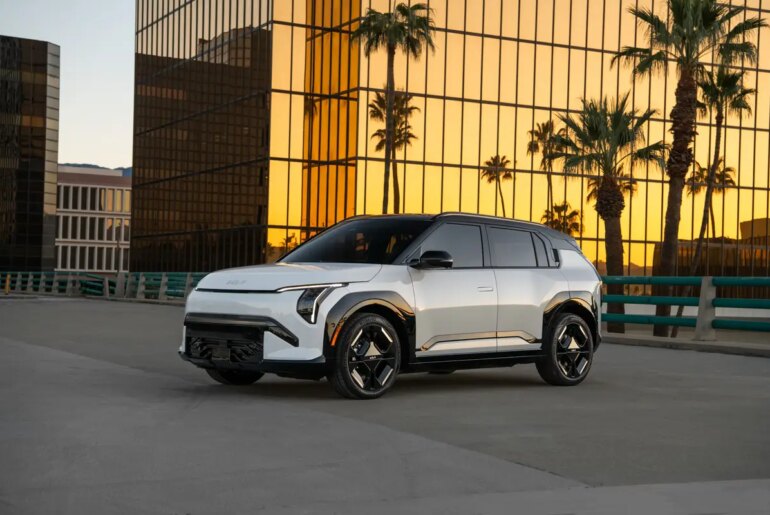
Electric vehicle (EV) users in the UK will pay per mile to use the roads from 2028.
The move was announced by the UK government’s treasurer – called the chancellor of the exchequer – Rachel Reeves in her autumn budget today.
It means that EV drivers will pay 3p per mile and hybrid car drivers 1.5p per mile, on top of other road taxes.
ITS UK welcomed the move.
“The EV mileage charge is much needed in order to meet the emerging gap in tax revenue from falling fuel duty receipts, as our vehicle fleet electrifies, and means we can finally move to a fairer, more effective road tax system, that charges based on usage,” says ITS UK CEO Max Sugarman.
And the ITS industry is in a position to help, he continues.
“The UK transport technology sector offers the proven capabilities and expertise to deliver this new road pricing scheme in a smarter, more effective way than a simple odometer reading,” Sugarman adds.
“The industry has the tools to introduce a road pricing system, utilising digital connectivity and roadside infrastructure, that can give policy-makers greater levers to manage their transport networks, and deliver a more effective system for the Treasury too, covering issues, for example, around foreign vehicles.”
The UK’s independent Office for Budget Responsibility (OBR) estimates that an EV covering 8,500 miles a year will pay £255, which is half the cost per mile paid by petrol and diesel drivers in fuel tax.
This is expected to £1.1bn in the 2028-29 financial year, and £1.9bn by 2030-31.
But there is a question mark over how the proposed pay-per-mile scheme may affect EV sales in the run-up to 2030 – at which point all new cars will have to be electric or hybrid from 2030, when a ban on the sale of new petrol and diesel cars comes into force.
OBR thinks EV sales could drop by 440,000, which would mean a drop of £200m in revenue to the UK Treasury by 2030-31.
The UK’s Confederation of Passenger Transport (CPT) also supported the government’s move, not least because it could lead to modal shift, the trade association believes.
“The big news [in the budget] for the long-term future of transport… is the introduction of a new pay-per-mile road user charge on electric cars,” comments Alison Edwards, CPT director of policy and external relations.
“Road user charging which reflects usage can be fairer and can help accelerate the shift towards more sustainable public transport by encouraging people to think twice before making unnecessary car trips.”
“Switching more journeys from car to bus or coach will ultimately mean fewer jams, faster-moving traffic and improved productivity, as a single double-decker bus can take as many as 75 cars off the road,” she concludes.
Both CPT and ITS UK said they looked forward to working with the UK government as the proposals are rolled out.