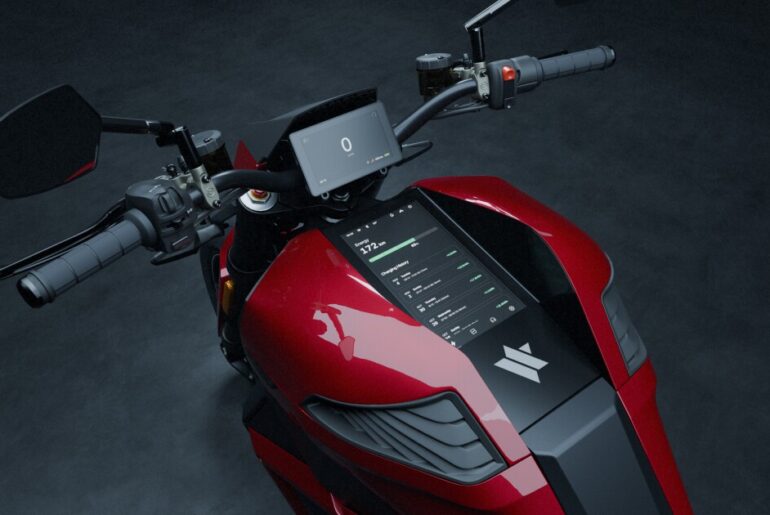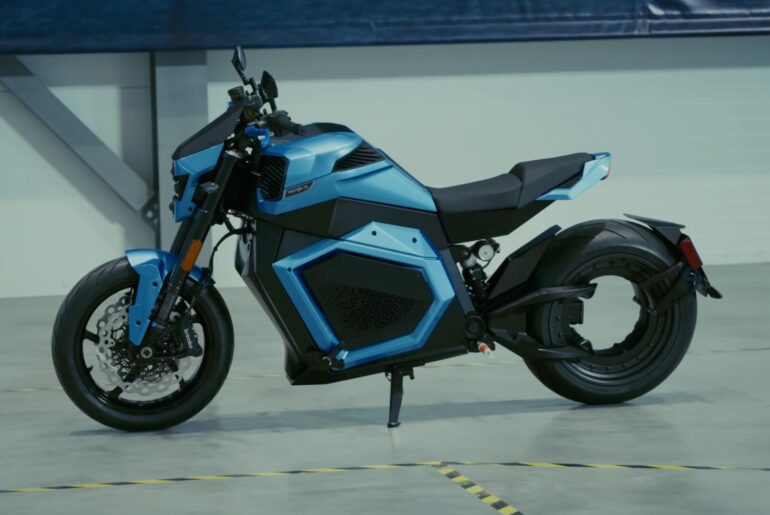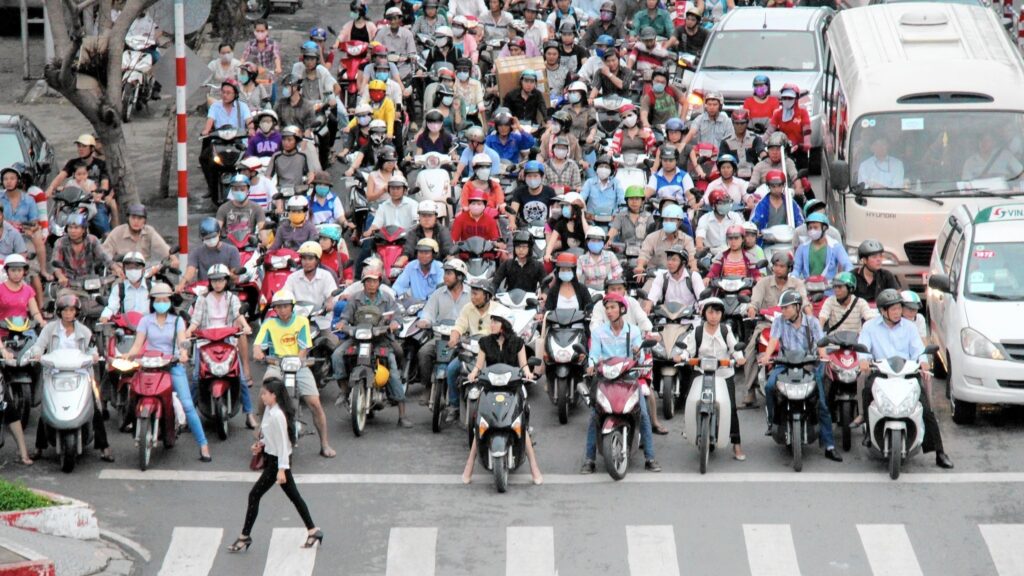
Hanoi’s local government is currently deliberating a proposition to incentivize motorbike users to switch to electric models. According to the proposal, a subsidy of VND5 million (US$190) will be given to individuals opting to replace their gasoline motorbikes with electric ones.
The Subsidy Plan
The subsidy is designed to encourage the adoption of electric motorbikes by permanent residents and those who have resided in the city for at least two years. The plan dictates that when a resident purchases an electric motorbike with a price tag of VND10 million (US$379) or above, they will receive a subsidy of 20% of the motorbike’s cost, up to a maximum of VND5 million (US$190).
For those who fall under the category of low-income or nearly low-income residents, the subsidy rises to VND20 million and VND15 million respectively. The proposal stipulates that each individual is entitled to a subsidy for one vehicle until January 1, 2031.
This proposal offers a more generous subsidy than the previous recommendation issued by the Department of Construction in July, which proposed a maximum subsidy of VND3 million.
Additional Incentives
Apart from the subsidies on electric motorbike purchases, the proposal also includes several additional incentives to encourage the transition to electric vehicles. For instance, the city plans to cover 50% of registration and license plate fees for new electric motorbike owners. For those who purchase their vehicles on installment plans, a 30% subsidy on loan interest for the first 12 months is offered.
The proposal also extends its benefits to transportation businesses such as buses and taxis, offering a full subsidy on all fees when they transition to electric vehicles.
Infrastructure Plans
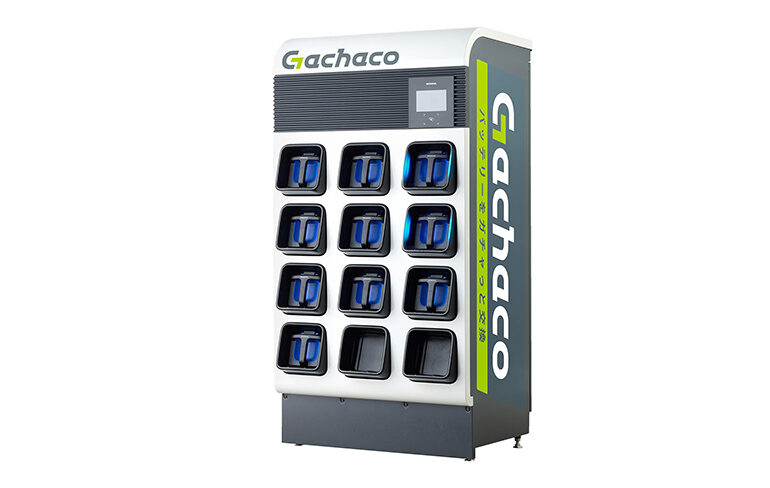
In a bid to ensure adequate infrastructure for the anticipated increase in electric vehicles, the city also plans to require certain facilities to allocate a portion of their parking lots to charging stations. Apartment buildings, commercial buildings, hospitals, and other public facilities are expected to dedicate at least 15% of their parking space to charging stations for electric vehicles. Newly-built facilities will be required to allocate at least 30%.
In a further step towards reducing emissions, Hanoi plans to prohibit gas-powered motorbikes from downtown streets starting July 2026 and to ban most fossil fuel vehicles by 2030. The city, currently home to around 6.9 million motorbikes, has identified gasoline-powered motorbikes as a significant contributor to the city’s pollution, accounting for around 60%.
Questions & Answers
What is the purpose of the subsidy?
The subsidy aims to encourage the adoption of electric motorbikes by providing financial incentives to residents.
What other incentives are included in the proposal?
Other incentives include subsidies on registration and license plate fees, as well as on loan interest for those purchasing on installment plans. Subsidies are also offered to transportation businesses transitioning to electric vehicles.
What steps are being taken to accommodate the anticipated shift to electric vehicles?
The city plans to mandate certain facilities to dedicate a portion of their parking lots to charging stations for electric vehicles. In addition, it plans to ban gas-powered motorbikes and most fossil fuel vehicles by 2030.