Reports say the automaker could add a small engine to its bigger EVs, like the upcoming X5 and 7 Series.More and more automakers are developing range-extended EVs rather than fully electric models.In BMW’s case, this decision is reportedly influenced by the Chinese market.
In response to the growing popularity of range-extended electric vehicles in China, BMW is reportedly considering adding small gasoline generators to some of its upcoming electric models.
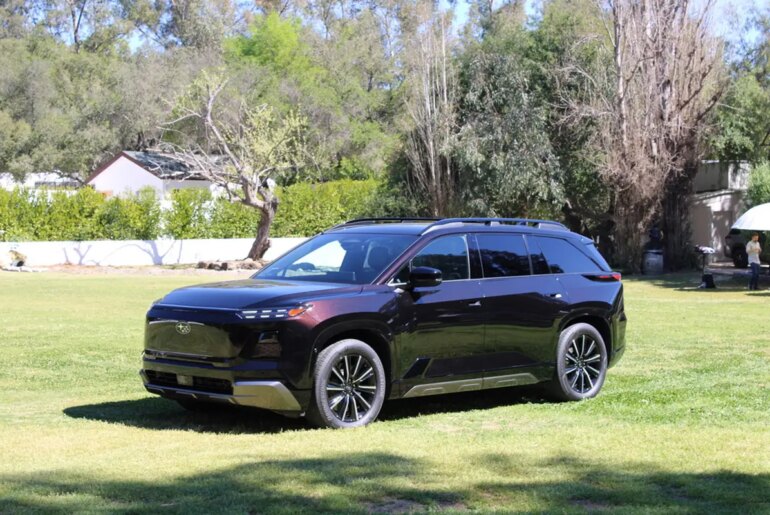
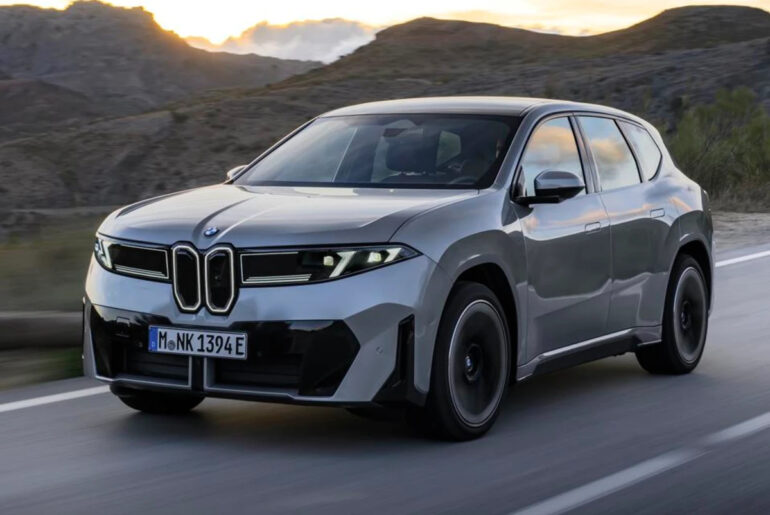
According to sources cited by Automotive News, the German automaker could use this type of powertrain in its larger models, such as an upcoming electric version of the X5 SUV and the next generation of the i7 luxury sedan.
Range-extended EVs (REVs)use a small gasoline engine to charge the batteries once they are depleted, but this engine never directly drives the wheels. Well-known examples of this technology include the former Chevrolet Volt and BMW’s own i3 subcompact hatchback, which was offered from 2013 to 2022.
Adding a generator can prevent range anxiety for drivers who are used to internal combustion vehicles since REVs can keep driving once the batteries are depleted, making them better suited for long road trips.
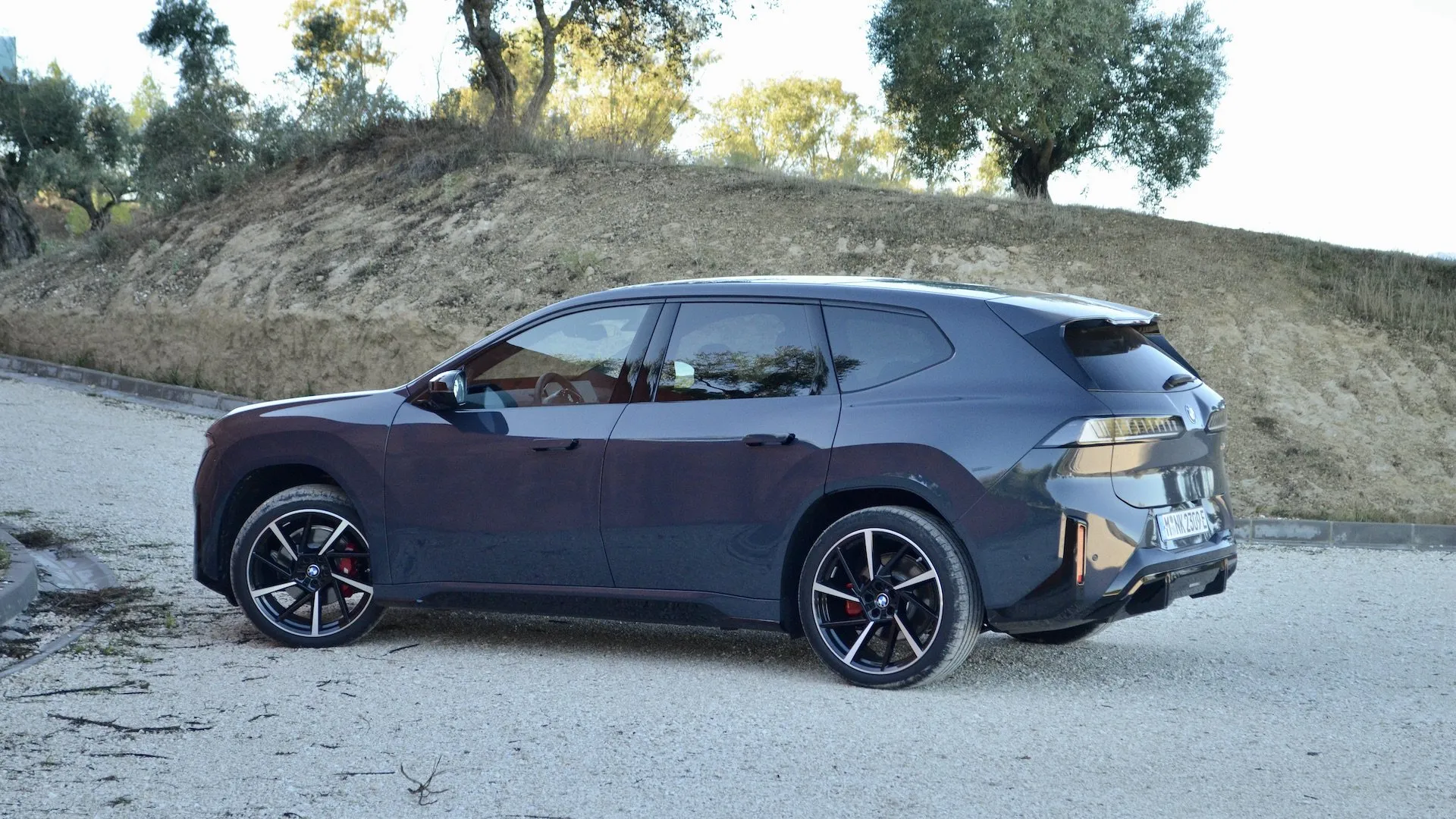 2027 BMW iX3 | Photo: Luc-Olivier Chamberland
As BMW seems to have concluded, range extenders are best used in larger vehicles since they make it possible to achieve an improved total driving range with a smaller and lighter battery than an equivalent fully electric model.
REVs are rapidly gaining ground as the rate of EV adoption has slowed over the last few months, with numerous automakers developing their own version of this technology.
For instance, Stellantis has unveiled the RAM 1500 REV and the Jeep Grand Wagoneer REV, which will both use a 92 kWh battery and a 3.6L V6 generator, while Volkswagen Group’s upcoming Scout Motors division will offer a range extender as an option on its Terra and Traveller electric pickups and SUVs.
Renault is reportedly also considering this type of powertrain for some of its future products. The French company seems serious about this, since its CEO said in an interview that “For middle to bigger-sized cars, it makes no sense to force all-electric models”.
More importantly, Chinese automakers are embracing range-extended EVs, particularly in the SUV segments, where European automakers like BMW compete.
Regaining lost ground on the world’s largest automotive market is the main motivation behind BMW’s consideration of REVs, since the automaker doesn’t want to be left behind local manufacturers if the popularity of battery electric models doesn’t return to previous levels.
Source: Automotive News