The horsepower wars aren’t slowing down — they’re just getting started with new players joining the fight. While electric vehicles have changed the performance landscape, 2025 proves that raw power comes in many forms, from traditional V8 monsters to silent electric assassins.
What’s fascinating is how democratized extreme performance has become, with vehicles delivering four-digit horsepower figures across multiple price points and body styles. Gone are the days when 1,000 hp was reserved exclusively for multi-million-dollar exotics; now you’ll find it in everything from American muscle to luxury sedans.
This lineup celebrates the most powerful production cars available, focusing on machines that combine outrageous horsepower with performance that actually backs up the numbers.
Rimac Nevera R – 2,107 HP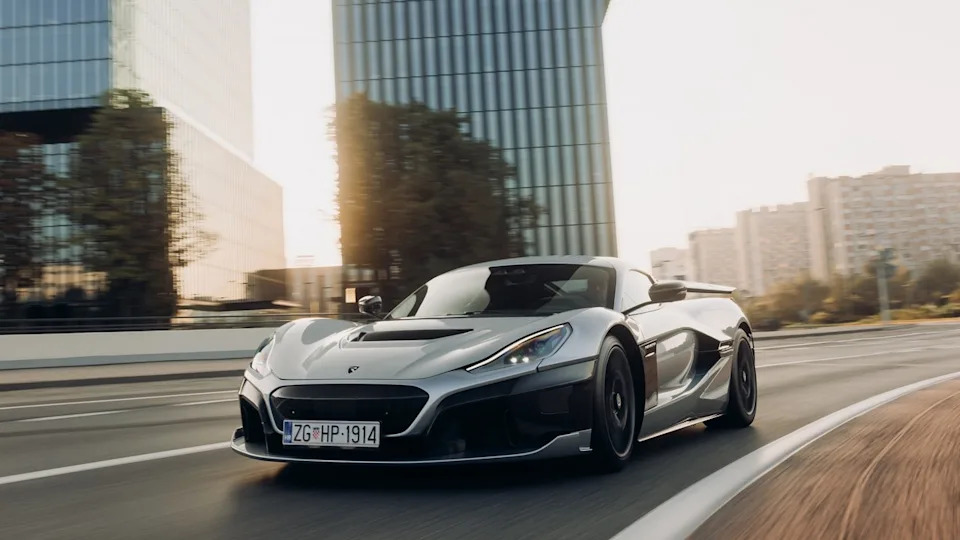
Image Credit: Rimac Automobili.
The Croatian hypercar maker didn’t just raise the bar — they launched it into orbit with the Nevera R. With 2,107 horsepower from four electric motors, this limited-production beast reaches 60 mph in 1.74 seconds and hits 186 mph in just 8.66 seconds, which is faster than most cars reach highway speeds.
Only 40 examples will be built at around $2.5 million each, making it one of the rarest and most powerful production cars ever created. The R features a new 108 kWh battery with improved chemistry for sustained track performance, upgraded carbon-ceramic brakes with a silicone matrix layer, and a massive fixed rear wing generating 400 kg of downforce at 186 mph.
It’s not just brutally fast in a straight line — the torque vectoring system is so sophisticated that one wheel can receive full power while another uses regenerative braking simultaneously during cornering.
Koenigsegg Gemera – 2,300 HP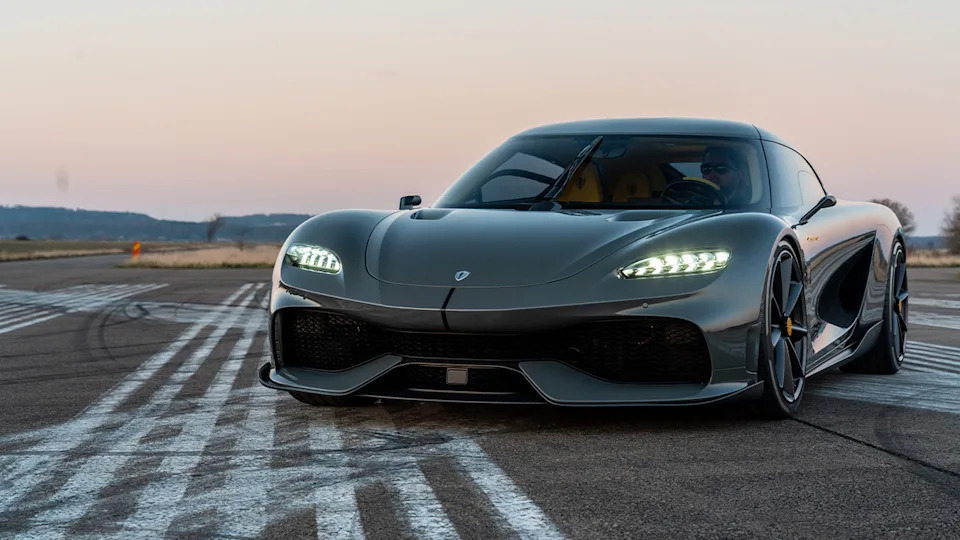
Image Credit: Koenigsegg.
Here’s something wild: the most powerful car of 2025 has four seats and can comfortably handle grocery runs. The Swedish hypercar maker’s Gemera combines a twin-turbocharged V8 with an electric drivetrain to produce an astonishing 2,300 horsepower, redefining what a “family car” can be.
This isn’t some stripped-out track monster: it’s a genuine grand tourer with actual rear seats, making it the world’s first four-seat megacar. The hybrid powertrain balances extreme performance with surprising practicality, offering the ability to cruise quietly on electric power or unleash all that fury when the road opens up.
At an estimated $1.5 million, it proves that Koenigsegg’s engineers love a good challenge almost as much as they love obliterating performance records.
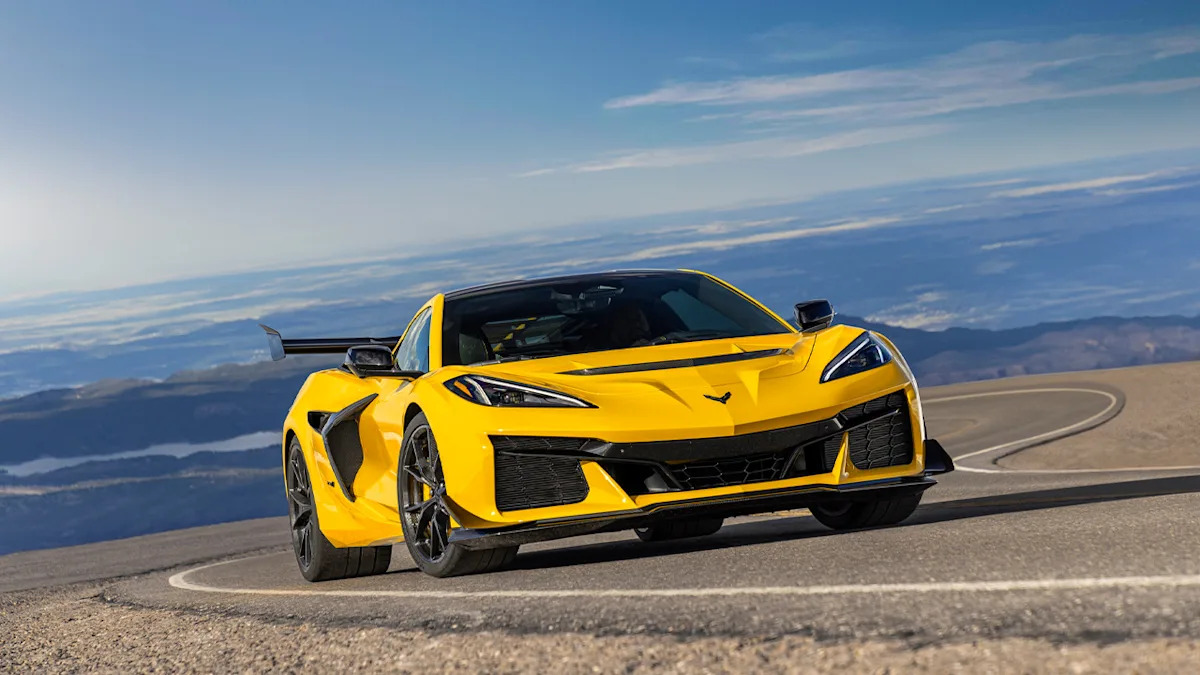
2025 Chevrolet Corvette ZR1 – 1,064 HP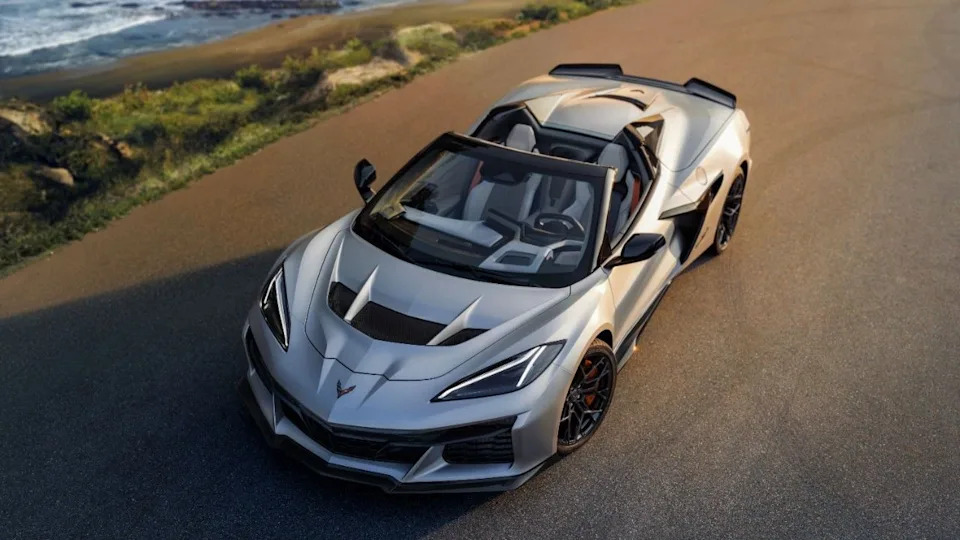
Image Credit: Chevrolet.
America’s supercar just dropped the mic with 1,064 horsepower from its twin-turbocharged 5.5-liter flat-plane-crank V8 — the most powerful production V8 ever built by an American manufacturer. The ZR1 hits 60 mph in 2.3 seconds with the available ZTK Performance Package and reaches a top speed of 233 mph, making it the fastest car ever built by an American automaker.
Starting around $183,400, it delivers hypercar performance at a fraction of typical hypercar pricing, proving you don’t need a European badge to play with the big boys. The twin-turbo LT7 engine pushes up to 26.1 psi of boost and produces 828 lb-ft of torque, while the iconic split-window coupe design pays homage to the legendary 1963 Corvette.
With a quarter-mile time of 9.6 seconds at 150 mph, it’s faster than the previous generation’s wildest dreams.
Lucid Air Sapphire – 1,234 HP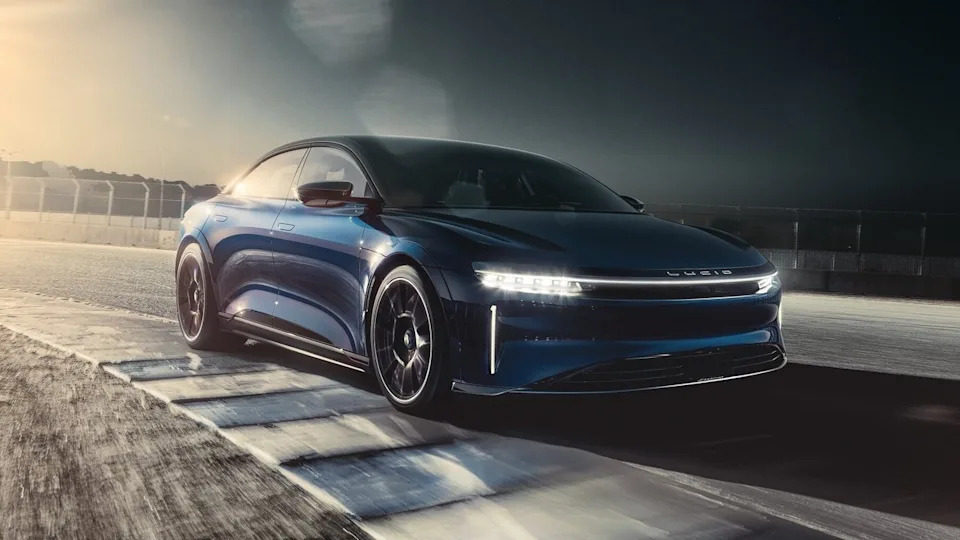
Image Credit: Lucid Motors.
Electric sedans aren’t supposed to embarrass dedicated sports cars on track, but nobody told Lucid that. The Air Sapphire uses three electric motors — a twin-motor rear-drive unit and a single front motor — to produce 1,234 horsepower and achieve 0-60 mph in 1.89 seconds, making it one of the quickest production vehicles ever tested.
What’s remarkable is that this tri-motor setup enables true torque vectoring across the rear axle, allowing the car to shuffle power between wheels mid-corner for exceptional handling dynamics. Despite its 5,342-pound curb weight, the Sapphire maintains composure with 16.5-inch front and 15.4-inch rear carbon-ceramic brakes, plus specially-tuned suspension that somehow delivers both track capability and luxury sedan comfort.
At $250,500, it proves that extreme performance can come wrapped in an elegant four-door package with 427 miles of EPA-estimated range.
Pininfarina Battista – 1,900 HP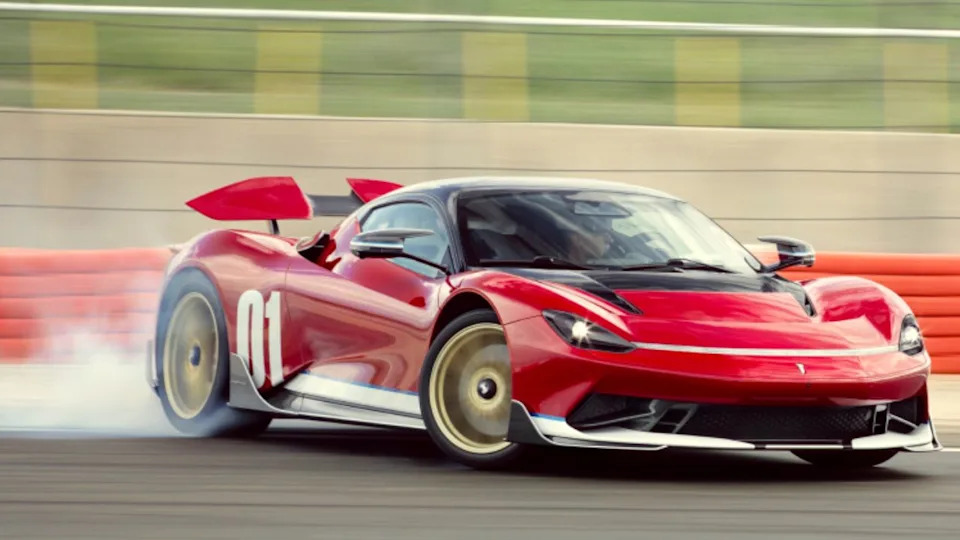
Pininfarina Battista – Image Credit: Pininfarina.
Italian design meets Croatian engineering in this stunning electric hypercar that shares its platform with the Rimac Nevera. The Battista’s quad-motor setup produces 1,900 horsepower and 1,696 lb-ft of torque, launching it to 60 mph in under two seconds with a top speed of 218 mph.
Limited to just 150 units worldwide at $2.2 million each, it represents the pinnacle of Pininfarina’s coachbuilding artistry combined with cutting-edge electric performance. What sets the Battista apart is its focus on grand touring rather than pure track dominance, offering a more refined driving experience without sacrificing its face-melting acceleration.
The design language is pure Italian elegance, with every curve and line crafted to create an automotive masterpiece that’s as beautiful at rest as it is devastating in motion.
Aspark Owl – 1,984 HP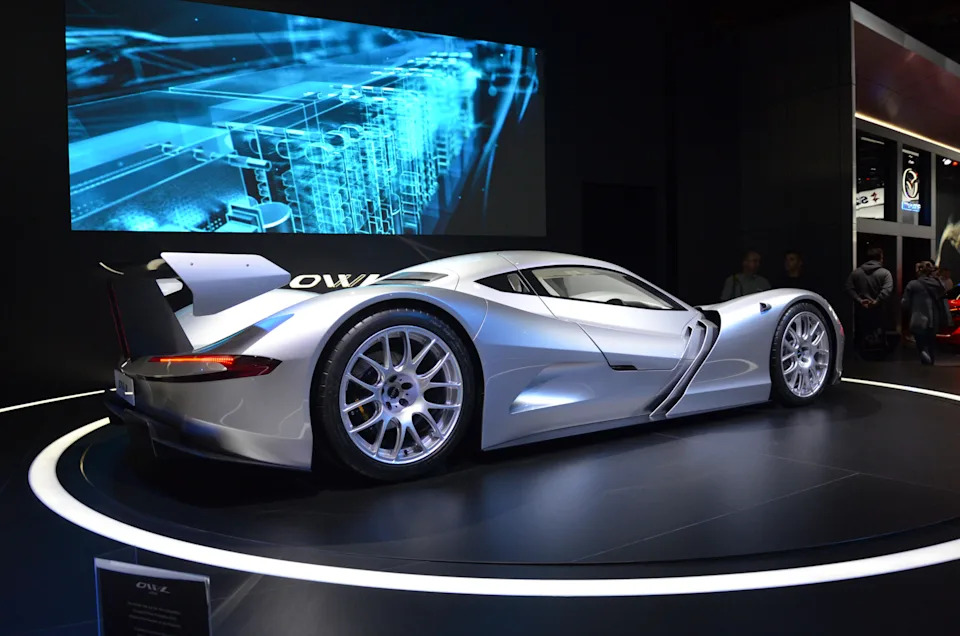
Image Credit: D.serra1/Shutterstock.
Japan’s entry into the electric hypercar arena might be the most extreme of the bunch. The Owl sits impossibly low at just 39 inches tall and uses four electric motors to produce 1,984 horsepower, achieving a claimed 0-60 mph time of 1.69 seconds.
Built by Aspark in Japan and assembled by Manifattura Automobili Torino in Italy, it features a full carbon fiber monocoque chassis weighing under 265 pounds. The 64 kWh battery limits range to around 250 miles, but with a top speed electronically limited to 249 mph, you won’t be traveling far before needing a charge anyway.
Active aerodynamics and a fully adjustable suspension system help maintain stability at speeds where most cars would simply take flight.
Hennessey Venom F5 – 1,817 HP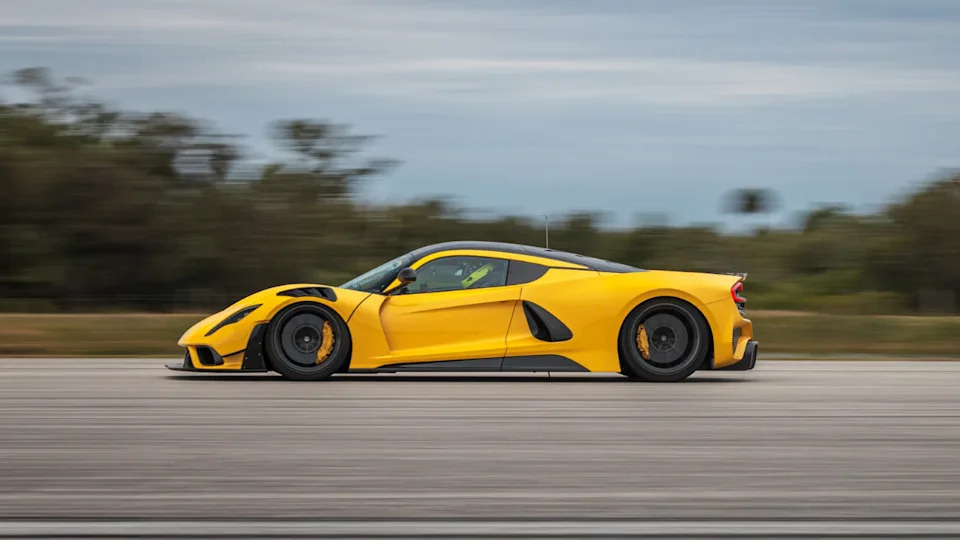
Image Credit: Hennessey.
Texas tuning house Hennessey built the Venom F5 with one goal: exceed 300 mph. The hand-built 6.6-liter twin-turbo V8 generates 1,817 horsepower, propelling this American-made hypercar into exclusive territory where speed records are the ultimate validation.
With a production run limited to just a few dozen units and prices reaching several million dollars, it represents the pursuit of maximum velocity distilled into its purest form. The Venom F5’s carbon fiber construction and extreme aerodynamics are engineered specifically for high-speed stability, creating a car that’s as much aerospace project as automobile.
While verification of its claimed top speed remains ongoing, there’s no denying the raw ambition and engineering excellence poured into every detail.
Pininfarina B95 – 1,874 HP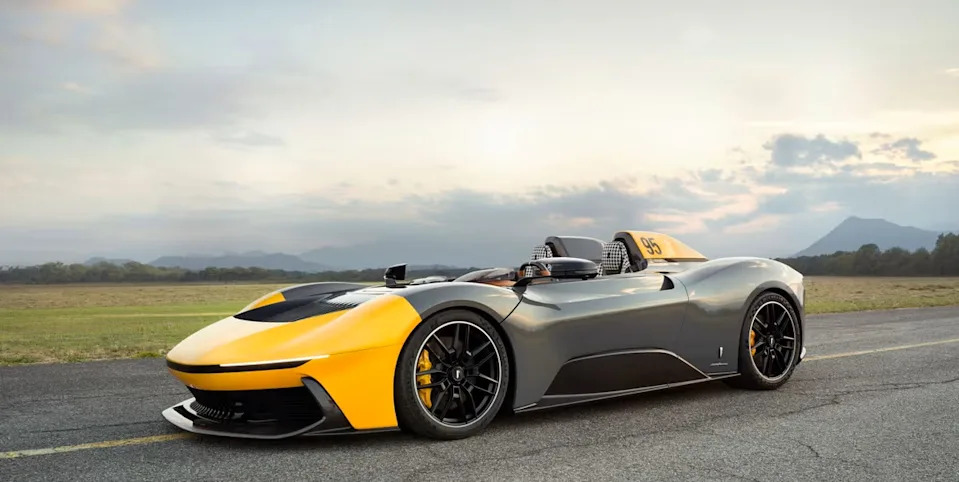
Image Credit: Pinnifarina.
The world’s first open-top electric hypercar arrived without a roof, without a windshield, and with 1,874 horsepower begging to be unleashed. Limited to just 10 units worldwide at $4.8 million each, the B95 is Pininfarina’s most extreme creation — a modern interpretation of the classic Barchetta that combines retro inspiration with futuristic performance.
Based on the Rimac-sourced quad-motor platform, it accelerates to 60 mph in under two seconds while offering an estimated 300 miles of range from its 120 kWh battery pack. The open-top design isn’t just for show; it creates a visceral driving experience where you feel every bit of that instant electric torque while the wind reminds you just how quickly you’re traveling.
It’s automotive jewelry that happens to be devastatingly quick.
Lotus Evija – 1,972 HP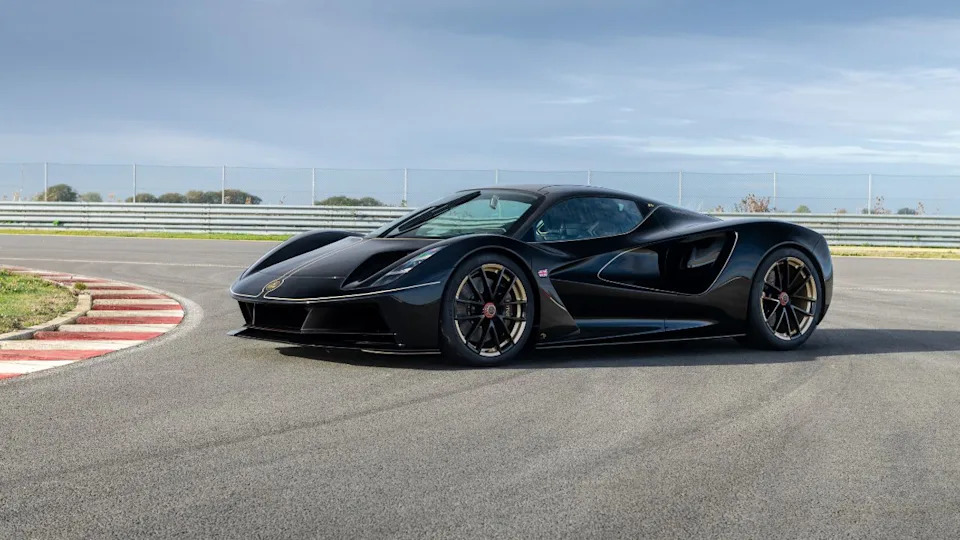
Image Credit: Lotus.
Lotus went all-in on their first hypercar, creating an all-electric platform producing 1,972 horsepower through advanced motor technology and lightweight construction. The British manufacturer’s racing heritage shines through in every aspect, from the sophisticated aerodynamics to the carbon fiber construction that keeps weight at bay.
Limited production numbers ensure exclusivity, while the performance figures ensure that the Evija name carries serious weight in hypercar conversations. What makes the Evija special is how Lotus approached electric power—not as a compromise, but as an opportunity to create the ultimate expression of their “simplify, then add lightness” philosophy.
The result is a hypercar that honors Lotus heritage while charging headfirst into the electric future.
Tesla Model S Plaid – 1,020 HP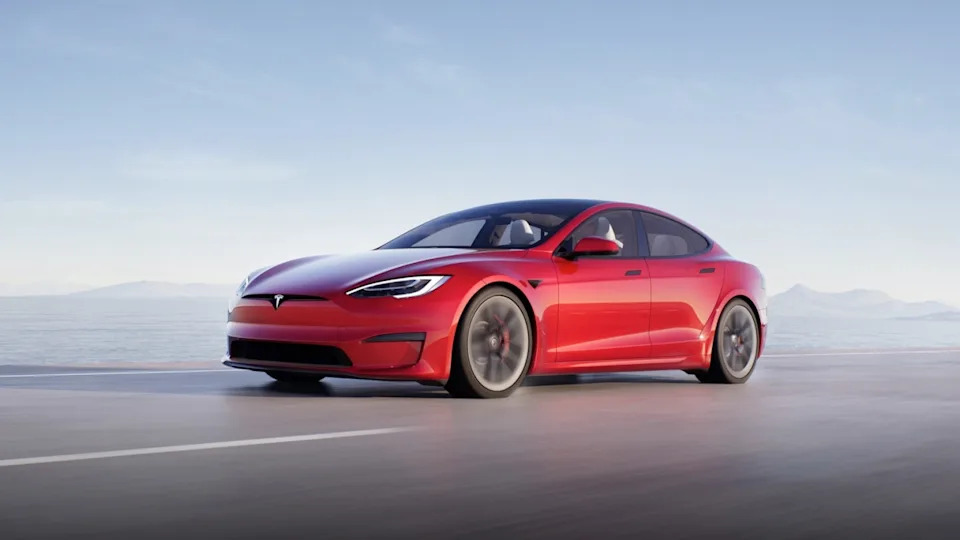
Image Credit: Tesla.
Four years after its introduction, the Model S Plaid remains a benchmark for accessible insanity. Three electric motors producing 1,020 horsepower and 1,050 lb-ft of torque deliver a claimed 0-60 mph time of 1.99 seconds — still borderline unbelievable even in today’s horsepower-saturated landscape.
The 100 kWh battery pack enables a top speed of 200 mph while maintaining enough range for actual road trips, proving that extreme performance doesn’t require constant compromises. At significantly less than six figures, it represents the most attainable four-digit horsepower vehicle on this list.
The Plaid’s party trick is making otherworldly acceleration feel almost mundane thanks to its quiet, smooth operation — at least until your passengers remind you that breathing is important.
Ferrari F80 – 1,184 HP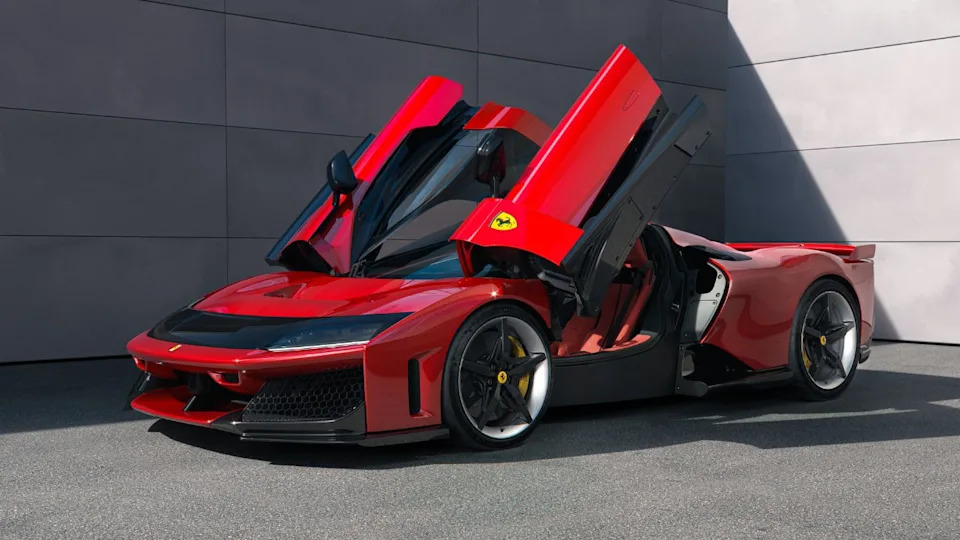
Image Credit: Ferrari.
Ferrari’s latest halo hypercar ditches the traditional V12 for a hybridized 3.0-liter V6, yet delivers 1,184 horsepower and performance that’ll make purists forget their initial disappointment. The F80 rockets to 60 mph in just 2.15 seconds and continues on to a top speed of 217.5 mph, proving that cylinder count matters less than engineering excellence.
Limited production means all examples sold out before the public even got their first look, making it instantly collectible. While some enthusiasts mourned the loss of 12 cylinders, the F80’s performance speaks for itself — sometimes innovation requires leaving tradition behind.
The advanced hybrid system delivers immediate response while maintaining Ferrari’s legendary character, just with a different mechanical voice.
Aston Martin Valkyrie – 1,160 HP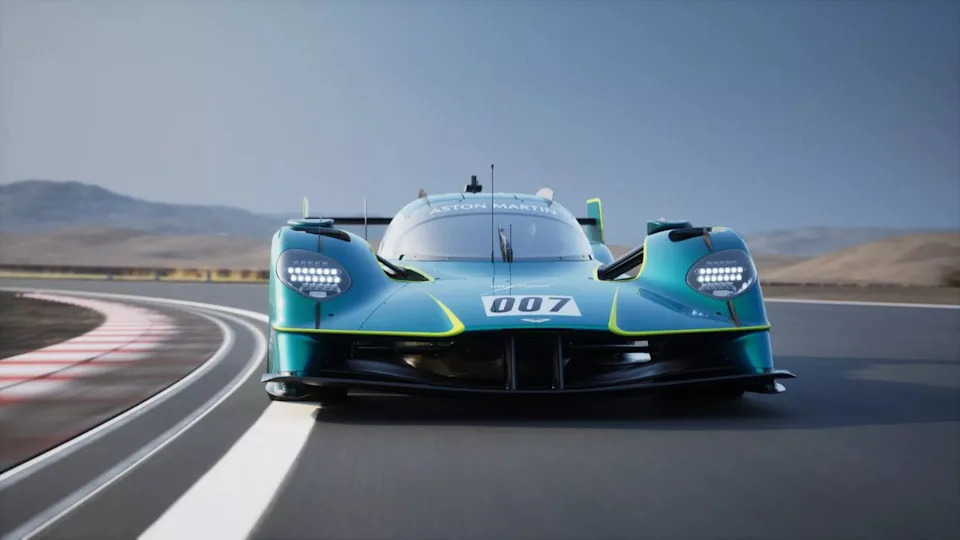
Image Credit: Aston Martin.
The Valkyrie represents what happens when Formula 1 aerodynamics meet road-car regulations. Its hybrid powertrain combines a Cosworth-developed 6.5-liter V12 with electric motors to produce 1,160 horsepower and 664 lb-ft of torque, all while screaming to a stratospheric redline.
The car’s design prioritizes downforce and aerodynamic efficiency, creating a machine that looks like it escaped from a racing simulator. While US imports likely arrive under “Show or Display” rules limiting their use, the Valkyrie proves that Aston Martin hasn’t forgotten how to build something truly spectacular.
The naturally aspirated V12 provides an aural experience that electric motors simply can’t replicate, making each drive a symphony of mechanical fury.
Conclusion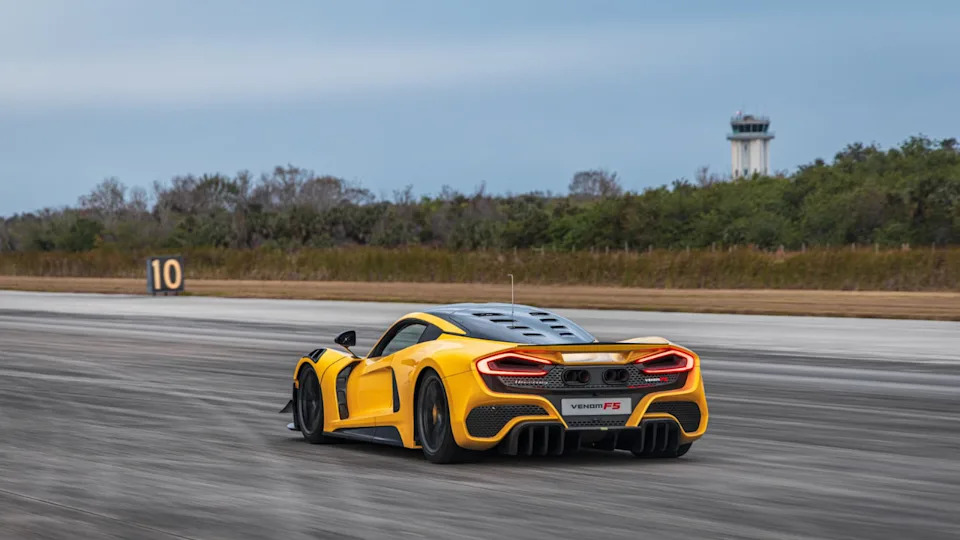
Image Credit: Hennessey.
The 2025 horsepower landscape reveals something unexpected: extreme power is no longer confined to seven-figure exotics alone. From the Corvette ZR1’s American muscle to the Rimac Nevera R’s electric dominance, performance enthusiasts have more choices than ever before, regardless of their preferred propulsion method.
Electric vehicles have rewritten the acceleration playbook, delivering instant torque that even the most potent gas engines can’t match off the line, yet traditional powertrains still offer experiences that resonate with driving purists. What’s most exciting is how these machines push boundaries not just in straight-line speed, but in handling dynamics, aerodynamics, and overall engineering sophistication.
The future of performance isn’t about choosing between electricity and combustion — it’s about celebrating the incredible diversity of approaches to achieving automotive nirvana.