Why Mercedes Plug-In Hybrids Outlast the Competition (ADAC Battery Study Reveals All!)
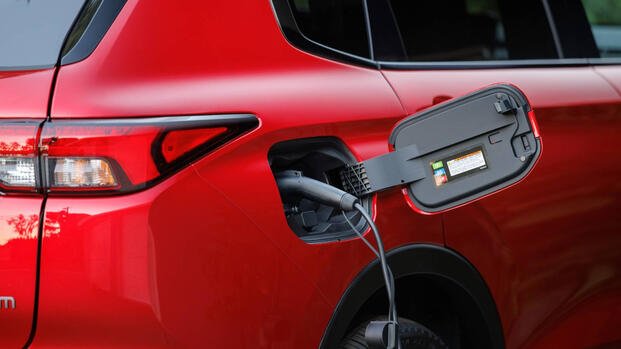
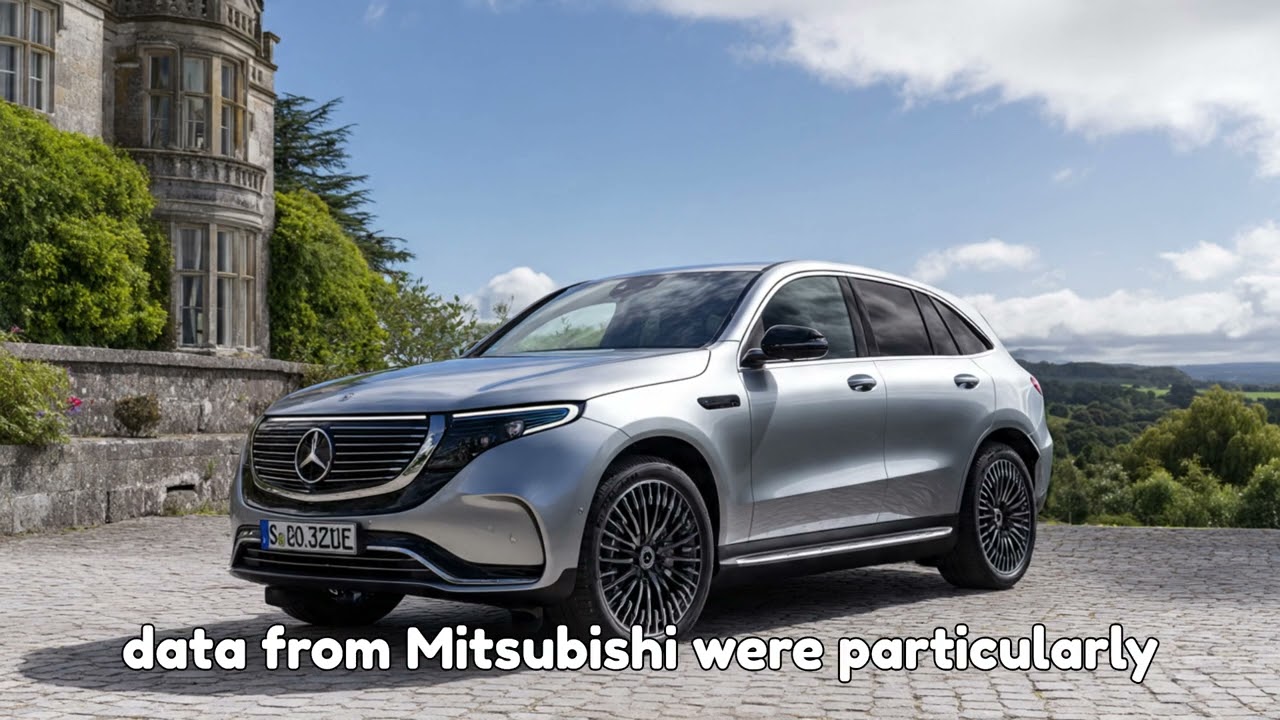
Why some plug-in hybrids last way longer than others, surprising results. Hey there, EV fans. I’m Hussein, your host, and welcome back to EVPedia, your ultimate home for everything electric, innovative, and energy packed. Today, we’re diving into a topic that might just change the way you look at plug-in hybrids forever. A brand new study has revealed that some plug-in hybrid batteries age gracefully like fine wine, while others, well, let’s just say they burn out faster than your phone on 1% battery at a concert. We’re breaking down which automakers are building the most durable batteries, which ones are falling behind, and what you need to know before buying a used PHEV. Before we roll in, quick note, this content is for educational purposes only and belongs entirely to EVPedia. Stick around till the end because we’re revealing some battery secrets you won’t find in your car’s manual. So, here’s a question to kick things off. If you had to bet on one brand to build the toughest PHEV battery, who would you choose? Mercedes, BMW, or Mitsubishi? Drop your guess in the comments below, and we’ll see if you were right by the end. Let’s start with the facts. Germany’s largest car club, ADAC, just completed one of the most extensive studies ever conducted on plug-in hybrid batteries. They analyze the health data of over 28,500 vehicles and discovered something fascinating. Not all batteries are created equal. Some degrade slowly and predictably, while others drop capacity like a bad habit, even when barely driven. Now, here’s the shocker. Mercedes-Benz plug-in hybrids came out looking like the marathon runners of the bunch. According to the study, their batteries degrade very slowly over time. And even after driving 200,000 km, they still retain nearly 90% of their original capacity. That’s like an athlete who’s still sprinting strong at age 50. Even more impressive, driving habits. Whether drivers went heavy on electric mode or barely used it didn’t make much difference. Mercedes has clearly mastered the chemistry game. BMW also put up a strong fight, but with a twist. Their degradation was predictable yet steeper. At 200,000 km, BMWs driven mostly on gasoline still had over 90% capacity, but when owners relied heavily on the electric mode, the number dipped closer to 77%. The takeaway: BMWs perform beautifully as long as you balance both worlds, electric and fuel. Think of it like diet balance. Too much of anything, even electricity, can tip the scales. Volvo and Volkswagen followed next, showing what ADAC calls normal degradation curves. These cars performed steadily even when drivers lean more on pure electric driving. By the 200,000 km mark, they maintain over 85% battery capacity, a sign of good engineering discipline, and smart battery management systems. Now, if this all sounds too good to be true, brace yourself, because here’s where the story takes a nose dive. Ford and Mitsubishi plug-in hybrids didn’t just struggle, they stumbled right out of the gate. Ford FEB showed sharp degradation early on with heavy electric mode users losing about 10% capacity in just the first 25,000 km. And while there isn’t enough long-term data for higher mileage Fords, the early trend isn’t exactly confidence inspiring. But the real troublemaker in the story, Mitsubishi. Adac’s words were clear. The data from Mitsubishi were particularly striking. Their vehicles lost over 20% of battery capacity by 100,000 km and more than 25% by 200,000 km even when not driven much in EV mode. And if you did drive them more in electric mode, the losses climb past 30%. That’s like losing a third of your smartphone battery in just an hour of use. This massive difference among brands really highlights how much engineering and battery management matter. Two cars with the same type of hybrid technology can age completely differently depending on how their systems manage heat charge and power cycles. Adak didn’t just stop at the analysis. They also made some recommendations. They strongly advise anyone buying a used PHEV to always do a battery health check before signing the deal. They’ve even provided benchmarks. At 50,000 km, the battery should retain at least 92% capacity. At 100,000 km, around 88%. 150,000 km should see about 84%. And by 200,000 km, anything above 80% is acceptable. Anything lower, you might want to walk away or at least renegotiate the price. Now, here’s a practical side note that every EV or PHEV owner should remember. To keep your battery happy, try to stay between 20% and 80% charge. Fully draining or overcharging to 100% regularly speeds up degradation. And if your PHEV supports DC fast charging, use it sparingly. Just like dessert, it’s great occasionally, but not every day. Also, if you park outdoors often in extreme temperatures, your battery won’t thank you. Heat and cold both stress the pack over time and letting a PHEV sit and use for long periods, especially if the battery drains completely can cause permanent damage. Batteries like to be used. They’re like pets. Ignore them too long and they get cranky. Adac also dropped an important reminder. If you plan to drive mostly in electric mode, a fully electric car might make more sense. On the flip side, if you can’t commit to charging regularly, a traditional hybrid is a better, cleaner, and often cheaper choice. Because let’s face it, driving a plug-in hybrid and never plugging it in is like buying a treadmill to hang your clothes on. You’re missing the point entirely. And before we wrap up, here’s something many buyers overlook. Warranties. Some Febs still have active battery coverage that transfers to new owners. For example, Toyota offers a 10-year or 150,000 mi warranty on its Prime models, while BMW, Ford, and Hyundai typically cover eight years or 100,000 mi. If you’re shopping used, that coverage can make all the difference between a smart buy and a very expensive mistake. So, back to our opening question. Who builds the toughest plug-in hybrid batteries? The crown clearly goes to Mercedes-Benz, followed closely by BMW. Mitsubishi unfortunately trails far behind in this endurance race. My personal take, this study is a huge wakeup call. It proves that while FEVs can be a smart bridge between gasoline and electric power, not all of them are created equally. If you’re thinking long-term, always check the data and your warranty before signing anything. What do you think? Would you still go for a plug-in hybrid or would you jump straight into a full EV instead? Drop your thoughts in the comment below. I’m curious to see where the EVPedia family stands on this one. And here’s your fun fact before we wrap up. Did you know the world’s first hybrid vehicle dates back to 1899? It was built by Ferdinand Porsche. Yes, that Porsche. Long before Tesla was even a dream. If you enjoyed this deep dive, let’s keep the energy flowing. Hit that like button and help us reach 10,000 likes. Drop a comment to help us hit 1,000. And don’t forget to hype this video on YouTube’s leaderboard to push EVPedia even higher. And if you haven’t yet, subscribe and join our growing family of EV enthusiasts. You’re the power that keeps EVPedia charging ahead. Stay electrified, stay curious, and I’ll see you in the next
Why do some plug-in hybrids last far longer than others? A brand-new ADAC study has uncovered the truth behind plug-in hybrid battery longevity—and the results might surprise you! In this EVPedia deep dive, host Husain breaks down how Mercedes-Benz built the most durable PHEV batteries, why BMW performs best with balanced driving, and how Ford and Mitsubishi struggled in long-term battery health tests.
We’ll explore how battery chemistry, heat management, and driving habits impact degradation—and what you should do to extend your battery’s life. Whether you’re shopping for a used plug-in hybrid or just curious which brands build the toughest PHEVs, this video is your ultimate guide.
You’ll learn:
Which automakers have the most reliable PHEV batteries
Real-world capacity loss at 50,000, 100,000, and 200,000 km
Why Mitsubishi’s plug-in hybrids degrade faster than average
How to maintain your plug-in hybrid battery health for years
Which warranties still cover PHEV batteries and what to check before buying used
Watch until the end for a fun historical fact about the world’s first hybrid vehicle and EVPedia’s honest take on whether PHEVs are still worth it in 2025.
If you enjoy in-depth EV insights, help us reach 10,000 likes and 1,000 comments! Drop your thoughts below—would you trust a plug-in hybrid long-term, or is it time to go full EV? Don’t forget to hype this video on YouTube’s leaderboard and subscribe to EVPedia for more electric news and real-world analysis every week.
#EVPedia #PlugInHybrid #MercedesPHEV #HybridBatteryLife #BMWPHEV #MitsubishiOutlanderPHEV #EVNews #ElectricVehicles #ADACStudy #BatteryDegradation #HybridCars #CarNews #EVFacts #SustainableDriving #EVInsights
Join this channel help us to improve:
https://www.youtube.com/channel/UCDLCUoNT_y-CCgiBAHNNuRg/join
For business inquiry kingly reach out – hsranguni@gmail.com
Copyright Disclaimer
This video is made available under the doctrine of Fair Use as outlined in Section 107 of the Copyright Act of 1976. The use of copyrighted material in this video, including but not limited to music, video clips, and images, is for educational, commentary, or transformative purposes and does not infringe on the original copyright holder’s rights.
All Rights Reserved:
All trademarks, logos, and content featured in this video are the property of their respective owners. No claim of ownership is made over third-party content.
Attribution:
Where applicable, credit for third-party content has been given in accordance with applicable laws, including licenses under Creative Commons or other licensing agreements.
Music & Media Usage:
All music, video clips, or images used in this video are either licensed, fall under public domain, or are used with permission. If you hold the copyright to any material featured in this video and believe that your rights have been violated, please contact us at [your email/contact information], and we will promptly address the issue.
Legal Notice:
The opinions expressed in this video are those of the creator and do not necessarily reflect the views of any affiliated entity. This video is not intended to harm, defame, or infringe upon the rights of any individual or organization.
credits to – insideevs.com and motor1.com also rideapart.com