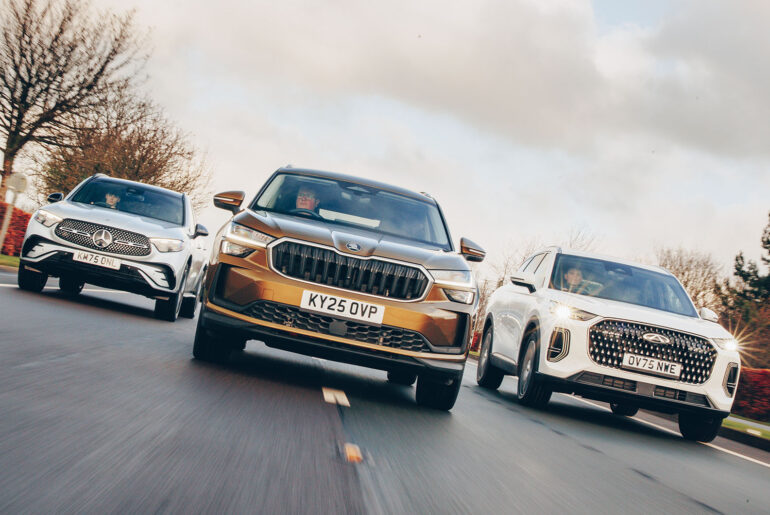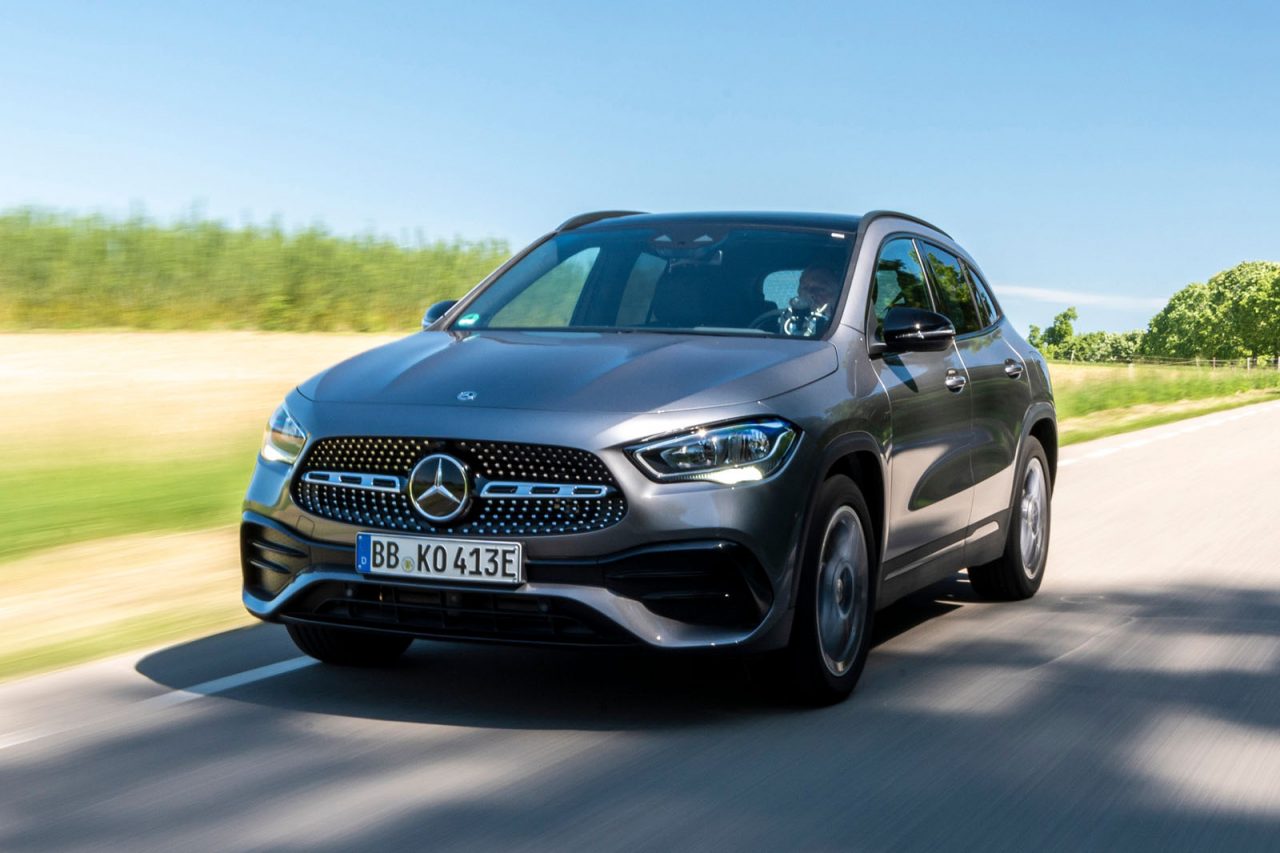
Mercedes-Benz plug-in hybrids stand out in this study for suffering a lower level of battery degradation depending on the number of kilometers traveled, regardless of whether they are used intensively or not.
Just as with fully electric vehicles, The batteries in plug-in hybrids lose charging capacity over time.A recent study by the German automobile club ADAC, based on data collected from nearly 28 vehicles with this propulsion system, reveals the level of battery degradation in plug-in hybrid models. It varies substantially depending on the brand.
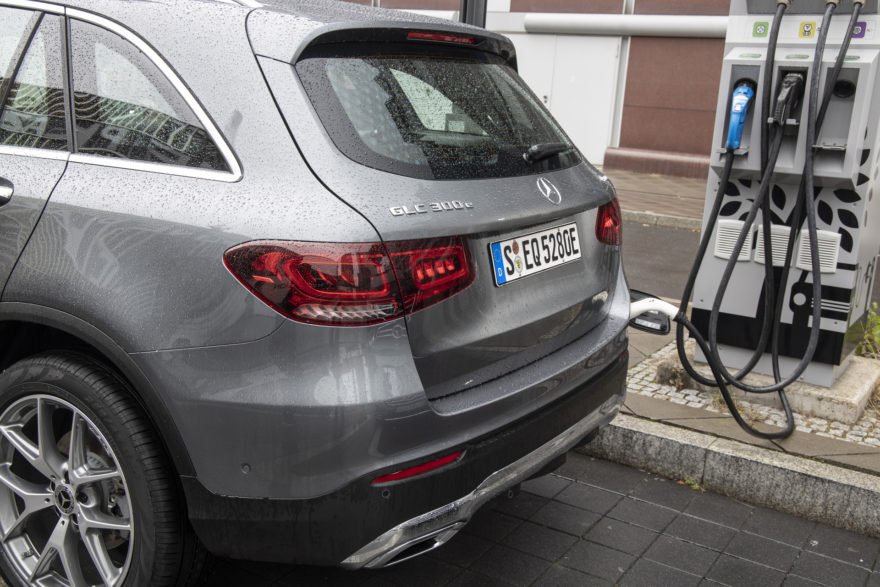
The analysis carried out by ADAC shows that the batteries of Mercedes-Benz plug-in hybrids They tend to suffer a slow and steady level of degradationEven after covering 200 kilometers, the German manufacturer’s models with this propulsion system They retain on average almost 90 percent of the battery’s original capacityregardless of how much they are used in electric mode.

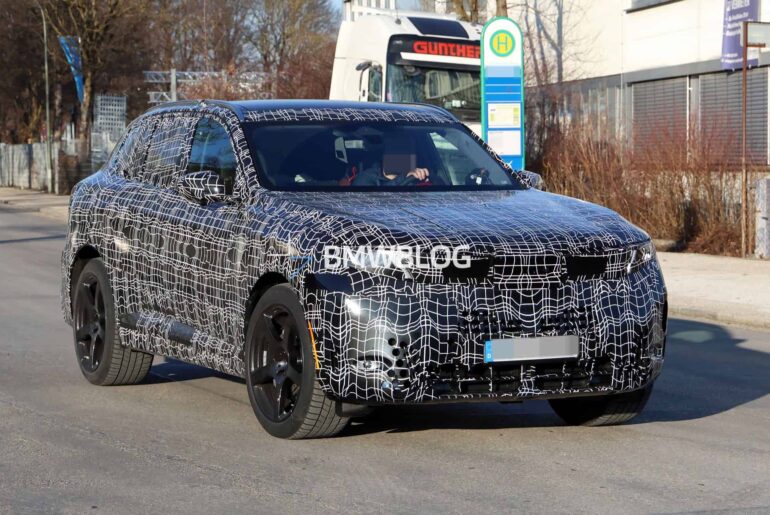
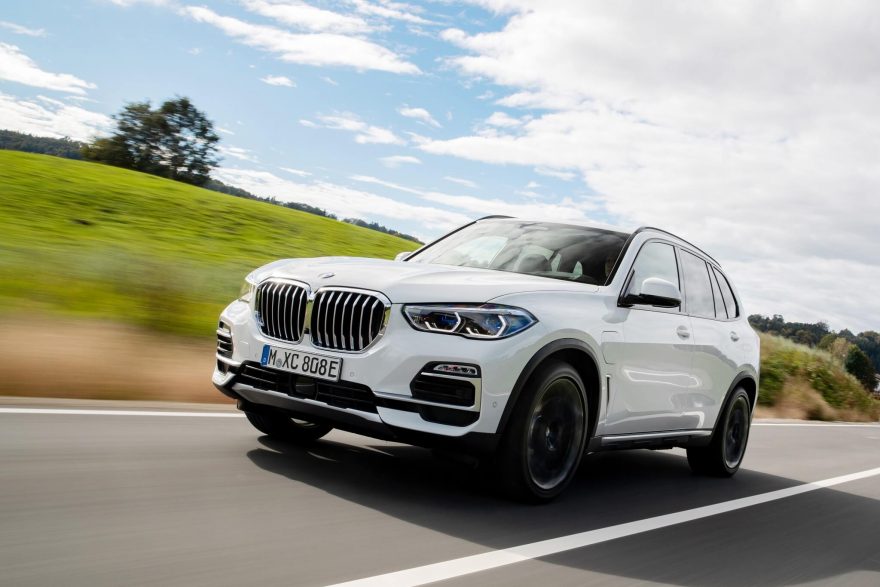
BMW, for its part, presents a somewhat steeper predictable curve. With the same 200,000 kilometers, the Bavarian manufacturer’s models that travel few kilometers in fully electric mode maintain more than 90 percent of their original battery capacity, those with moderate use maintain around 85 percent, and those that try to avoid fuel consumption by driving in electric mode whenever possible still retain about 85 percent. They maintain approximately 77 percent of the battery’s original capacity..
Not all batteries in plug-in hybrid vehicles behave the same.
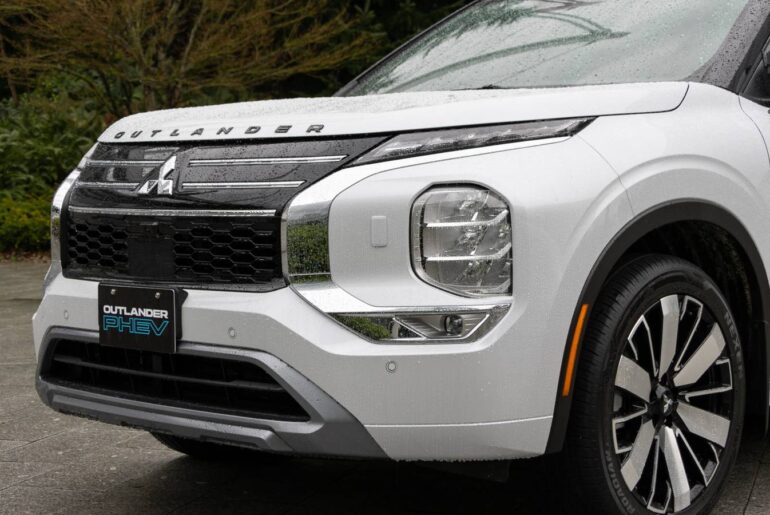
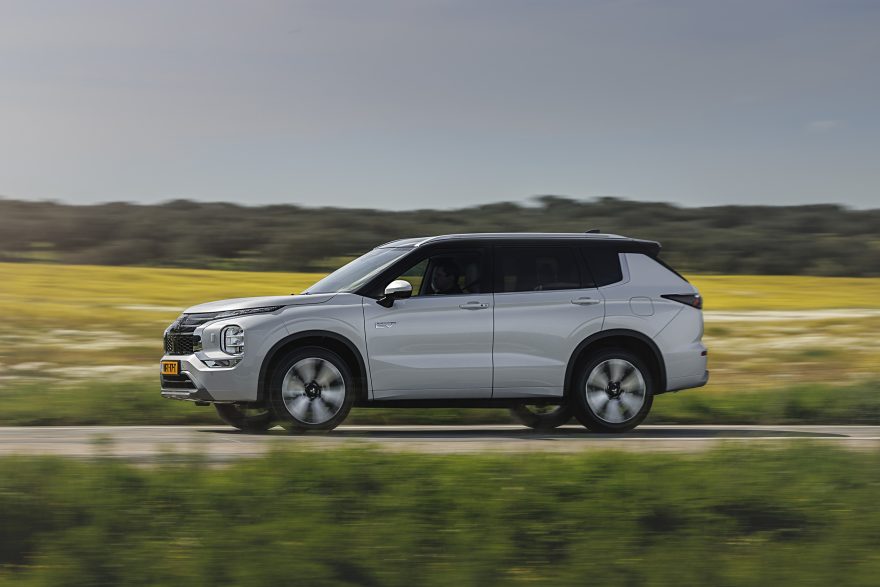
Other brands like Volvo exhibit a level of battery wear rated by ADAC as “normal”. While Ford or Mitsubishi disappointThe plug-in hybrid models from the North American manufacturer suffer significant degradation at the beginning of the vehicle’s lifespan. with a loss of up to 10 percent before the first 25 kilometersWhile the situation is even worse with those from the Japanese manufacturer. Data collected by ADAC reveals a degradation level exceeding 20 percent within the first 100 kilometers. reaching over 25 percent at 200 kilometersIn extreme cases, this percentage reaches up to 30 percent.
To all those drivers planning to purchase a used plug-in hybrid vehicle, ADAC recommends that you always check the battery health before completing the purchase and provides a reference point for what should be considered a normal level of degradation. With approximately 50 kilometers traveled, the battery capacity should be around 92 percent of the original, 88 percent with 100 kilometers, 84 percent with 150 km, and 80 percent with 200 km.
Likewise, to extend the battery’s lifespan, this German automobile club advises Try to keep the charge level between 20 and 80 percent whenever possibleAvoid frequent full discharges or 100% charges, and minimize the use of DC fast chargers in models that allow it. Extreme temperatures are also a problem, so leaving the vehicle outside in winter or in the sun during the summer contributes to greater degradation, especially if parked with a completely discharged battery.
In short, the same advice applies to any electronic device that uses a lithium-ion battery, such as our mobile phone. It should also be noted that, in the case of vehicles with lithium iron phosphate (LFP) batteries, These tips are not 100% applicablebecause the way these batteries work is different.