TOP 6 Chinese EVs That Will SHOCK the World in 2025!
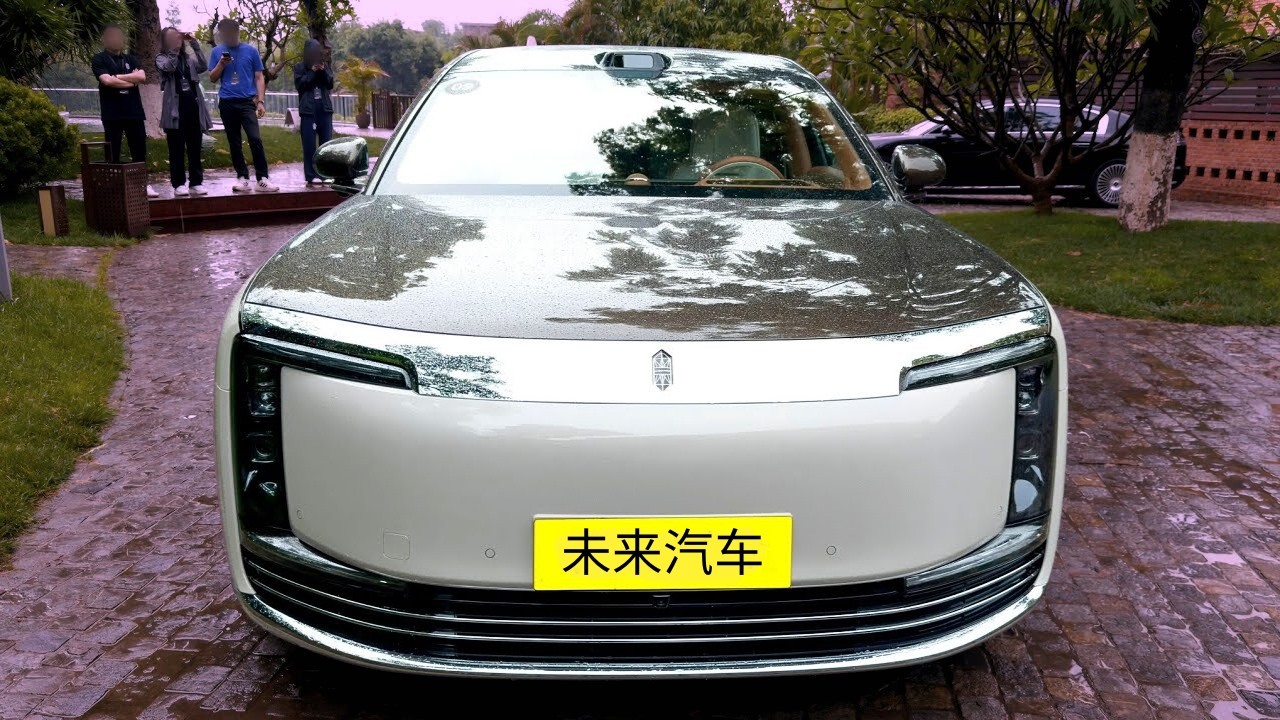
[Music] What’s up, Dragon Drive family? Buckle up because today’s episode is pure EV insanity. We’re counting down the top six Chinese EVs that are about to shock the world. And no, this isn’t clickbait. I’m talking next level range, mind-bending performance, luxury that makes Europe nervous, and price tags that’ll make American automakers cry into their spreadsheets. China’s EV game isn’t catching up anymore. It’s pulling ahead. So, if you love cars, the smell of innovation, or just want to feel that mix of on envy, hit that subscribe button, grab a snack, and let’s dive into the future. We’re going from number six to number one. And trust me, the deeper we go, the crazier it gets. I’m warning you now, number one is so over the top, it might just change how you look at luxury cars forever. Ready? Let’s roll. Number six, Xping G6. We’re kicking things off with a bang. The Xping G6. Imagine an 800vt EV SUV that can go almost 570 km on a charge, juicing from 10 to 80% in around 20 minutes. And all that tech wrapped in a price tag that’s less than a used Tesla Model 3. Yeah, you heard that right. That’s the Xpang G6. A crossover that’s somehow fast, futuristic, and affordable. Visually, it’s slick. Think sci-fi coupe meets family SUV. It’s 4.75 m long, has that swooping roof line, and a futuristic front end that looks straight out of a cyberpunk movie. Xping says its design was inspired by science fiction writer Lee Seishan. And honestly, you can see it. It’s the kind of car that makes even the Model Y look a little last decade. Step inside and you immediately get why people call this a tech lover dream. There’s a massive 15-in touchscreen running on Snapdragon hardware, buttery smooth graphics, and an AI voice assistant that responds instantly. No, sorry, I didn’t catch that nonsense. It’s got ambient lighting, a panoramic glass roof, and seats that literally feel like floating clouds. Every switch in material gives off that near luxury vibe, even though it’s half the price of what you’d expect. Now, practicality-wise, the G6 is a 5-seater, but a roomy one. Fold those rear seats down and you’ve got over 1,300 L of cargo space. Enough for your luggage, golf bag, and maybe a week’s worth of bad decisions. Under the hood, well, under the floor, technically, you’ve got two versions. A standard 66 kWh pack or a long range 87.5 kWh one. The longrange G6 can sprint from 0 to 100 km an hour in about 6.2 seconds, powered by up to 440 new m of torque. And that 800volt architecture means ultra fast charging. Seriously, plug it in, grab a coffee, and by the time you finish your muffin, you’re good to go. Here’s the real kicker, the price. After the 2025 refresh, Xpong dropped it to just 176,800 yuon. That’s about $24,000. 24 grand for an 800 volt EV SUV. Meanwhile, here in the States, that’s barely enough for a used Corolla that smells like gym socks. Now, the G6 isn’t perfect. Some people complain that everything runs through the touchcreen, so adjusting mirrors can be kind of awkward. But it’s built solid. The safety structure’s been crash tested to hell. And for this price, it’s a total flex. But wait till you see what’s next. Coming up at number five, we’ve got a six-seater hybrid beast with three electric motors and L3 self-driving tech that could make even Elon sweat. All right, moving on to number five, the Zeer 9X. And oh boy, this one is wild. Over 1,000 kW of combined power. That’s right, not horsepower, kilowatts. It’s a plug-in hybrid SUV that could literally outdrag most sports cars. and it comes with six luxury seats, 43 sensors, and enough computers to make NASA jealous. Let’s start with the looks. The Zeer 9X is massive, over 5 m long and 2 m wide, it’s got that big, bold presence like a Range Rover, but with the smooth sci-fi glow of a Tron vehicle. The front fossia looks like it’s thinking. Seriously, those sensors and LAR units look like eyes scanning your soul. This thing isn’t just a car. It’s a mobile command center. Inside, it’s pure futuristic luxury. Six seats arranged 2 plus 2 plus two. And the second row, my god, has zero gravity recline, leg rest, built-in headrest speakers, and enough ambient lighting to make you feel like you’re in a first class lounge at 30,000 ft. Tech-wise, it packs dual Nvidia Thor chips good for 1,400 trillion operations per second. Translation, this SUV could practically drive itself while you chill with a drink. There’s adaptive air suspension, active anti-roll bars, and it can adjust its height like a boss. Low and aggressive when you’re cruising, tall and plush when you’re hauling the family. Underneath all that glam, Zeke’s powertrain is pure madness. You’ve got a 2.0 L turbo engine paired with three electric motors for a total of around 1,030 kW. That’s about 1381 horsepower. 0 to 100 km an hour in just 3.1 seconds. range between 220 and 380 km pure electric depending on the battery. Once the gas engine kicks in, you’ve got thousands more. Price-wise, it’s not cheap, but considering what you’re getting, it’s insane value. It starts around 465,000 yuon, roughly 65K, and tops out around 84K. Compare that to a BMW XM or a Cayenne Turbo S, and the Zeer gives you triple the power for half the money. The only question, and it’s a big one, is whether all that tech will hold up over time. Three motors, hybrid system, AI brain. That’s a lot of moving parts. But one thing’s for sure, Zeer is proving China can build ultra premium machines that rival anything from Europe. Still, this next one, this next one could change EV ownership forever. Because at number four, we’ve got a car that doesn’t need charging stations the way you think. You just swap the battery and go. At number four, meet the Neo Envo L90. The familyfriendly battery swapping 900VT full-size EV that could end EV charging anxiety for good. So, here’s the shocker. This three row SUV can go up to 605 km on a single charge, uses a 900vt platform, and supports battery swapping in under 5 minutes. Imagine rolling into a station, your daned battery slides out, a fresh one pops in, and you’re back on the highway before your Spotify adinss. Design-wise, it’s serious. It’s big. A proper full-size EV with muscular proportions, smooth EV lines, and an understated, high-tech face. It looks like something between a Riven R1S and a modern Volvo XC90, but sharper, more minimal, more Chinese futurist. Inside, you can get it in six or seven seat configurations. The second row captain seats feel executive, while the third row is surprisingly usable. Materials and craftsmanship borrow heavily from Neo’s luxury roots. Plush surfaces, soft leather, and of course, that giant floating display we’ve come to expect. The L90’s secret weapon is that battery swapping system tied into Neo’s national network. No range anxiety, no waiting at superchargers, just quick pit stops and go. Performance-wise, it’s no slouch. The rearw wheelel drive model puts out 340 kW, while the all-wheel drive bumps it to 440 kW. That’s 0 to 100 km an hour in 4.7 seconds. The battery options include an 85 kWh NMC pack or a 60 kWh LFP pack. And thanks to the 900vt architecture, you get efficiency and blazing fast DC charging if you need it. And then there’s the price. Ready for this? 179,800 yuon. That’s just 24,700 for a full-size EV SUV with over 600 km of range, 900vt charging, and swappable batteries. Try and find anything even close to that in the West. Some critics question whether swapping can scale globally or if battery wear could become an issue over time, but still this thing proves EVs can be practical and exciting. All right, let’s take it up a notch because number three, oh man, number three might be the biggest mystery of them all. A name most of the world’s never heard of, but if the rumors are true, it could be the sleeper EV of the decade. Number three, Mystro S800. All right, confession time. The Mestro S800 is a bit of a mystery. There’s not a ton of official data floating around yet. It’s one of those under the radar Chinese projects that’s been teased but not fully unveiled. But the whispers, the renders, the leaks, oh, they sound juicy. Word on the street is that the S800 is an ultra luxury electric sedan built to compete with cars like the Mercedes EQS or the Lucid Air, but for a fraction of the price. Some say it could pack dual or even tri motor setups with outrageous acceleration. Maybe sub3c 0 to 100 km perh times and the kind of design that makes you question whether Rolls-Royce should be nervous. From the early design shots, it looks elegant. Long hood, sweeping roof line, minimal lines, all wrapped in that rich without trying aesthetic. Think a cross between a Bentley Flying Spur and a Tesla Model S, but with sharper Chinese design language. Inside, it’s rumored to be all about experience. AIdriven luxury, massive screens, and maybe even a rear lounge fed up with massaging seats and personal entertainment screens. It’s the kind of car that screams billionaire in stealth mode. But here’s the deal. Since Mesco hasn’t dropped official specs, we can’t say much on battery capacity, range, or pricing yet. Some insiders suggest it could be priced dramatically lower than Western luxury EVs while offering similar performance, which if true, could make it a category disruptor. Still, there’s skepticism. Can a new player deliver on luxury promises and safety regulations simultaneously? We’ll see. But even with limited info, the hype around the S800 is loud enough that it deserves a spot here because when China teases something quietly, it usually lands like a thunderclap. And speaking of thunder, number two is here to blow your mind with design, power, and partnership. Because when Huawei gets involved in a car, you know things are about to get spicy. [Music] Number two, the Avatar 12. Okay, buckle up for the Avatar 12, a luxury EV so slick it looks like it drove straight out of the sci-fi blockbuster. This one’s co-developed by Changen and backed by Huawei, and it’s giving BMW and Mercedes some serious sleepless nights. Here’s the headline. Up to 650 km of range, dual motor AWD with 3.8 8second 0 to 100 km/h acceleration, a 94.5 kWh battery, and triple LAR sensors for nextgen self-driving. Oh, and all that tech starting at just $37,000. Yeah, that’s not a typo. On the outside, the Avatar 12 is long, low, and lethal. Over 5 m from tip to tail, 2 m wide with curves so clean they make an S-Class look clunky. The front end is sleek and minimal. The roof line flows like liquid and everything screams elegance and aerodynamics. It’s not loud, it’s confident. Step inside and you’re hit with modern palace vibes. The Royal Feeder Edition has 25 Meridian speakers pumping out 2,000 watts of surround sound. The rear passengers get their own massive 16-in display, and both rows have heated, ventilated, and massaging seats. The cabin design feels expensive with wraparound ambient lighting, zero clutter, and AI everything. Thanks to Huawei’s influence, the voice assistant and infotainment system are next level. Instant responses, smooth visuals, and integration that makes CarPlay feel ancient. Now, performance-wise, it’s serious business. Dual motor, all-wheel drive, top speed of 220 km/h, and that 94.5 kWh CL battery giving up to 650 km CLTC range. The fast charging is bonkers. 10 to 80% in around 10 minutes on high voltage infrastructure. It’s elegant, powerful, and techy like if Lucid Air and a Huawei smartphone had the love child. And the price, as I said, 269,00 to 429,900 yuan, roughly 37K to 59K USD. For a luxury EV with triple LAR, that’s daylight robbery compared to European or American rivals. The only debate whether Avatar can maintain that high-end quality and software stability as they scale. But man, if they pull this off, the Avatar 12 could be one of the most disruptive luxury EVs on the planet. But hold on tight because our number one spot is pure luxury, pure heritage, and pure ambition. The name alone commands respect in China, and now it’s entering the electric age. Number one, Hongchi L1. Ladies and gentlemen, the Hongchi L1, the myth, the mystery, the masterpiece in the making. Now, I’ll be upfront. Official details are scarce. This car is shrouded in secrecy, but the glimpses we’ve seen suggest it’s going to redefine Chinese luxury on the global stage. Hongchi, which literally means red flag, has been the ride of presidents and dignitaries for decades, their version of Rolls-Royce. And now they’re going electric. The L1 is rumored to be a full-size luxury EV sedan. Think modern limousine meets next-gen tech. From early design leaks, the L1 has a long, majestic body, flowing roof line, and that signature hungchi front grill re-imagined for the EV era. It’s got that old money presence, but infused with futuristic grace. Inside, expect top tier materials, handcrafted leather, ambient lighting that flows like silk, wood or brushed metal trims, and screens everywhere. It rumored to feature AI comfort controls, reclining executive rear seats, and maybe even a full rear lounge package. Performance details are still under wraps, but if Hungi’s previous EVs are any clue, we’re looking at dual or tri motor setups, enormous range, and whisper quiet ride quality. This isn’t a performance EV, it’s prestige on wheels. And while no official pricing has been released, expect it to undercut Western rivals like the EQS or i7 while matching or surpassing them in sheer luxury. The L1 isn’t just a car. It’s a statement, a declaration that Chinese automakers are no longer following. They’re leading. Sure, skeptics will ask, can Hungchi pull off that craftsmanship consistently? Will it make sense outside China? Maybe. But if they deliver what they’re hinting at, this could be the moment China plants its flag squarely in the world’s luxury segment. So there you have it. The top six Chinese EVs that are about to shock the world. From the ultraefficient Xpang G6 to the teched Avatar 12 and the mysterious majestic Hongchi L1, it’s clear China isn’t playing catch-up anymore. It’s rewriting the rule book. If you made it this far, you’re officially part of the Dragon Drive family. Smash that like button if any of these cars blew your mind. Drop a comment below telling me which one you’d actually buy. And hit that subscribe because next week we’re diving into something wild. The 10 cheapest Chinese SUVs that could replace your Ford or Toyota. Until then, stay charged, stay curious, and remember, the future doesn’t wait, it drives electric. This is Dragon Drive signing off.
Welcome back to Dragon Drive, your home for the boldest car stories on the planet!
In today’s video, we’re diving deep into China’s 2025 EV takeover — counting down the Top 6 Chinese Electric Cars that are about to shock the global auto industry. From the ultra-fast Xpeng G6 to the mind-bending Zeekr 9X, the battery-swapping NIO Onvo L90, the mysterious Maextro S800, Huawei’s tech-packed Avatr 12, and the luxurious Hongqi L1 — this is the future of driving.
These cars are redefining performance, luxury, and value — offering supercar-level acceleration, luxury interiors, and unreal price tags that make Western automakers sweat. You’ll see why brands like Tesla, BMW, and Mercedes are officially on alert.
👉 In this video, you’ll learn:
Why China’s EV tech is now leading the world.
Real specs, features, and pricing of the most anticipated Chinese EVs of 2025.
Which Chinese automaker is building a $37,000 luxury sedan that rivals Lucid Air.
Which SUV can recharge in under 10 minutes — and which one doesn’t even need charging stations at all.
How Chinese brands like Xpeng, NIO, Zeekr, Avatr, and Hongqi are using AI, lidar, and 900V tech to change everything we know about EVs.
⚡ WATCH TILL THE END — because number 1 is a luxury EV that could make Rolls-Royce nervous.
🔥 Don’t forget to subscribe to Dragon Drive for more wild car stories, Chinese car reviews, and EV news that the mainstream media ignores.
#car #automobile #electriccar #luxury #electricvehicle #chinesecars #carreview #bmw #audi #mercedes #rollsroyce #maextros800
Disclaimer:
All media in this video is used for the purpose of review, commentary, and educational discussion under fair use. I do not own the rights to the images, videos, or music shown. Full credit goes to the respective owners. If you are the copyright holder and have any concerns, please contact me and I will remove the content immediately.