
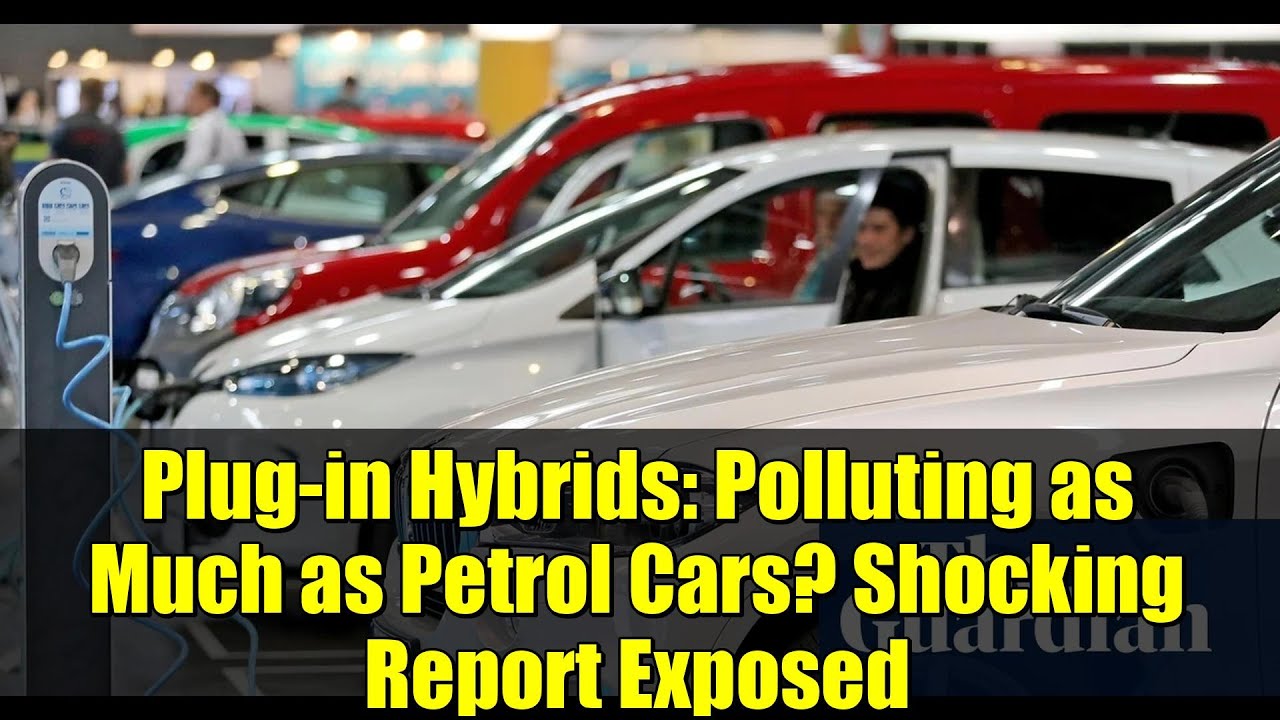
Plug-in Hybrids: Polluting as Much as Petrol Cars? Shocking Report Exposed
New research reveals plug-in hybrids surprising environmental impact. A recent study has uncovered a surprising truth about plug-in hybrid electric vehicles, PHEVs. They may not be as environmentally friendly as we once thought. The research conducted by the Transport and Environment Advocacy Group found that PHEVs emit nearly five times more planet heating pollution than official figures suggest. These vehicles, which can run on both electric batteries and combustion engines, have been marketed as a greener alternative to traditional petrol cars. However, the study reveals a different story. When driven in realworld conditions, PHEVs emit 4.9 times more carbon dioxide than standardized laboratory tests indicate a significant increase from the 3.5 times difference in 2021. The researchers analyzed data from 800,000 cars registered in Europe between 2021 and 2023. Focusing on the onboard fuel consumption meters, they discovered that the utility factor, the ratio of miles traveled in electric mode to total miles, was significantly overestimated. As a result, PHEVs are polluting almost as much as petrol cars. The study highlights a concerning trend. While real world emissions are rising, official emissions estimates are decreasing. This discrepancy is attributed to the overestimation of the utility factor with 27% of driving done in electric mode despite official estimates assuming 84%. The European Commission has acknowledged this issue and announced corrections, but the gap remains. Even in electric mode, pollution levels exceed official estimates. Electric motors, it seems, are not powerful enough to operate solely on electricity with their engines burning fossil fuels for almost onethird of the distance traveled in electric mode. Despite the controversy, some experts remain optimistic. Patrick Plots, head of energy economics at the Fronhoffer Institute, calls the study a very useful contribution. He emphasizes the importance of accurate data in policy changes regarding PHEVs. As the gap between official and real world emissions is significant, the political landscape is also heating up with car makers pushing for weaker CO2 targets and a ban on new combustion engine cars by 2035. The debate over PHEV’s role in the transition to greener transportation is intensifying. German politicians, for instance, have proposed plug-in hybrids as a potential flexibility in legislation. The financial implications are substantial. The researchers estimate that the underestimate of PHEV emissions has allowed car makers to avoid billions in fines and has led to higher running costs for drivers. This raises questions about the true cost effectiveness of PHEVs. In conclusion, the study challenges the notion that PHEVs are a clean and cost-effective solution. As Colin Walker, a transport analyst, notes, manufacturers claims about PHEVs are way off the mark. This research prompts a re-evaluation of PHEV’s role in the automotive industry and the need for more transparent and accurate emissions data.
plug-in hybrid emissions, PHEV pollution report, real-world CO2 emissions, electric car myths, hybrid vs petrol cars, Transport and Environment study, PHEV utility factor, EU car CO2 targets, hybrid car emissions scandal
Dive into the shocking findings from a new report revealing that plug-in hybrid electric vehicles (PHEVs) emit nearly five times more planet-heating pollution than official lab tests suggest. Learn how real-world data shows PHEVs pollute almost as much as traditional petrol cars, debunking claims of lower emissions. Explore the analysis of 800,000 European cars from 2021-2023, the role of utility factors, and why electric mode isn’t as clean as promised. Discover the implications for carmakers, EU policies, and consumer choices in the fight against climate change. Perfect for eco-conscious viewers interested in sustainable driving and automotive truth.