EVs Vs Plug In Hybrids: Which One Is Actually Better For You?
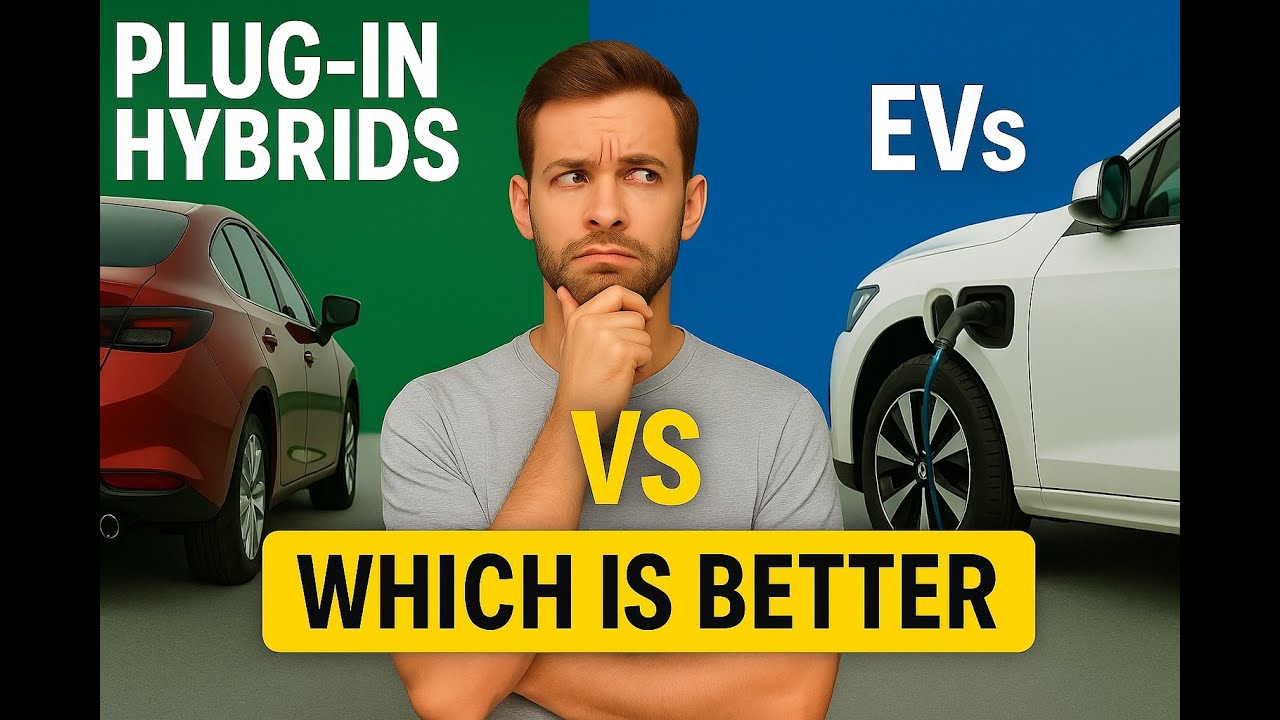
What if I told you the real winner of the electric revolution isn’t fully electric at all? While everyone’s been hyping EVs, plug-in hybrids have been quietly making a comeback. And in 2025, they’re starting to look like the smarter choice. Here’s why. Welcome to Techie Tales, where we break down the tech trends that actually matter. Today, we’re looking at why plug-in hybrid vehicles, or FEVs, might be beating EVs in ways most people haven’t noticed yet. Let’s face it, EVs have their perks. Zero tailpipe emissions, instant torque, and cool tech, but charging infrastructure is still lagging behind, especially outside cities. EVs can take 30 minutes to hours to charge compared to a few minutes at a gas pump. Range anxiety is still real, especially for road trips or cold weather driving. And with rising electricity prices and grid instability, some drivers are starting to rethink the full electric dream. This is where plug-in hybrids step in. FEVs offer the best of both worlds. Electric range for city driving, gas backup for longer trips. Most models give you 30 to 60 km, 20 to 40 m of electric only range, enough for daily commutes. You can charge at home overnight without needing expensive fast chargers. And if you forget to plug in, no stress. The gas engine has your back. This kind of flexibility is winning over practical buyers. In 2023 to 2025, governments began reassessing EVON subsidies. Countries like Germany and the UK cut EV subsidies and began supporting hybrids again. In the US, some states include FEVs and tax credits due to their lower emissions over time. Manufacturers like Toyota, BMW, and Kia are doubling down on hybrid lineups. And here’s the big one. Many consumers feel FEVs are less disruptive to their lifestyle while still being eco-conscious. Here’s another hidden win. FEVs are cheaper than most longrange EVs. A mid-range PHEV can be 5,000 to 10,000 less than a comparable EV. Insurance is often lower, and because FEVs use smaller batteries, they degrade slower, making the car more sustainable long-term. Plus, no need for expensive home chargers or full solar setups. Let’s say you drive 40 km a day. With a PHEV, you’re running mostly on electricity with gas as a backup. You avoid gas station stops, but also skip range anxiety or hunting for public chargers. In long-d distanceance travel, the engine kicks in seamlessly. No charging stops, no delays. In real life, this convenience often beats the theoretical savings of a full EV. Plug-in hybrids aren’t just a compromise anymore. They’re a balanced solution in a world that’s not fully EV ready yet. Are FES the smarter choice in 2025? Drop your thoughts in the comments. And if this helped you think twice before going fully electric, don’t forget to like, subscribe, and share this video with someone considering a car upgrade. More tech insights coming up right here on Techie Tales.
Why are plug-in hybrids quietly winning the race in 2025? ⚡🚗 In this video, we break down the surprising resurgence of plug-in hybrid vehicles (PHEVs) and why they’re outpacing EVs in real-world practicality, cost, and convenience. From charging flexibility to longer range and fewer compromises, plug-in hybrids might just be the smarter choice — and the auto industry knows it.
We compare EVs vs PHEVs across performance, infrastructure, ownership cost, and government incentives to show why many drivers are making the switch back to hybrids.
📉 EV sales slowing?
🔋 Charging still a pain?
🚗 Here’s what they’re not telling you…
👉 Watch now to find out why plug-in hybrids might be the best buy in 2025. https://youtu.be/GFDc9f1L1gA
👍 Like, comment, and subscribe for more smart car tech breakdowns!
👉 Explore more:
Hybrid vs Plug-In Hybrid: What’s the Real Difference? 🚗⚡ (Must-Know Before You Buy!) https://youtu.be/rrzv81K7QNQ
Why EVs Could Be BANNED Sooner Than You Think ⚠️: https://youtu.be/XovIjbTwzjg
#pluginhybrid #evvshybrid #carbuyingtips #ev2025 #hybridcars #ElectricVehicleAlternatives #TechTales #futureofdriving #PHEVvsEV #autotrends