
2026 Hyundai Tucson Hybrid & Plug-In Hybrid: Everything You Need To Know!
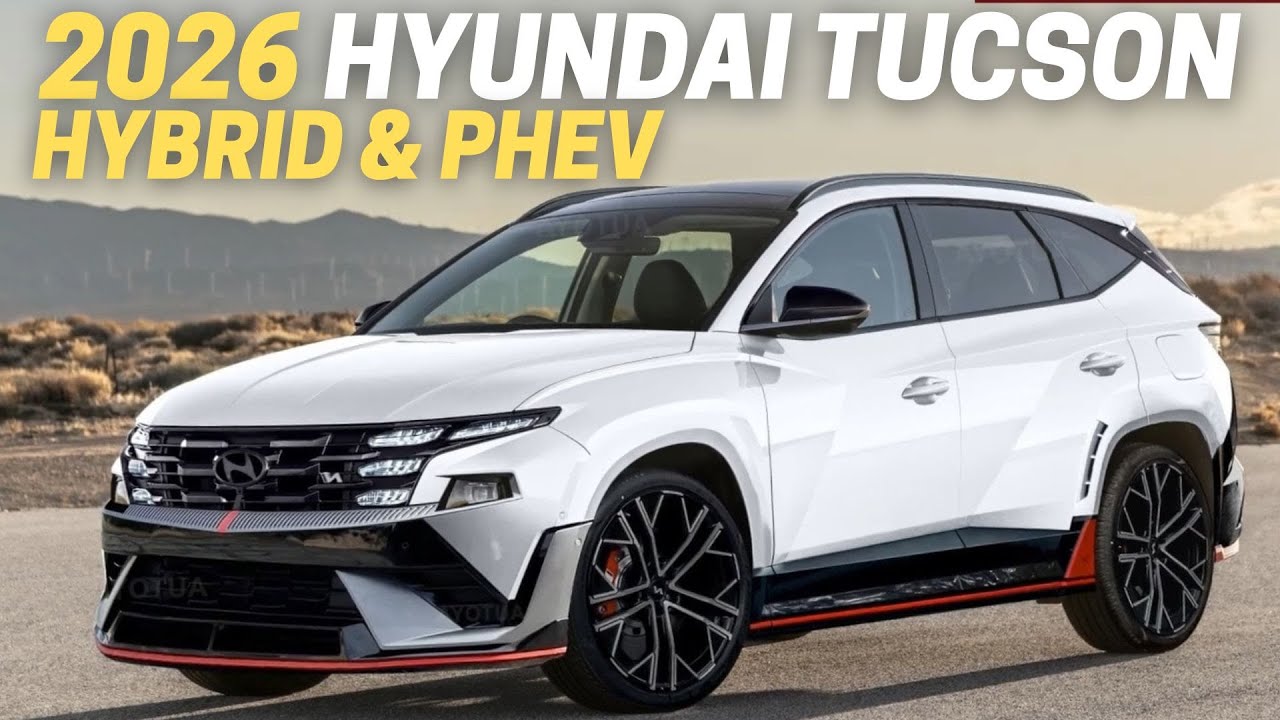
Join us as we explore the Hyundai Tucson hybrid and plug-in hybrid. Combining stylish design with impressive efficiency. Discover how these electrified SUVs bring advanced technology, refined comfort, and eco-friendly performance to elevate your daily driving experience. The Tucson Hybrid and Plug-in Hybrid deliver bold, refreshingly modern exterior styling that stands out in the compact SUV segment. The front fascia features Hyundai’s signature parametric grill framed by sleek integrated LED daytime running lights that create a striking tech forward presence. Its sporty athletic proportions are enhanced by sculpted body lines and muscular wheel arches. The plug-in hybrid adds unique arrow elements and polished accents, giving it a more refined look. The two-tone roof option on both variants introduces youthful flare, while the rear light bar ties the design together in cohesive harmony. Overall, Tucson’s exterior styling achieves a compelling mix of futuristic appeal and everyday elegance. The Tucson Hybrid uses a turbocharged 1.6 6 L 4-cylinder paired with a single electric motor and a six-speed automatic transmission, delivering a combined 226 horsepower and 258 lb feet of torque. It’s all-wheel drive only and accelerates from 0 to 60 mph in about 6.9 seconds, offering responsive power for daily driving. The plug-in hybrid also utilizes a 1.6 6 L turbocharged 4 cylinder engine paired with an electric motor and a 13.8 kWh battery to produce 268 horsepower and 258 lb feet of torque. It features all-wheel drive and a six-speed automatic transmission, achieving 0 to 60 mph in approximately 7.1 seconds. Both variants feel confident and refined with the plug-in hybrid offering added electric only versatility for short trips. [Music] The hybrid model delivers solid fuel economy for its class, achieving EPA ratings of 38 mp gallon in the city, 38 mp gallon on the highway, and 38 mp gallon combined. These figures make it one of the more efficient compact SUV hybrids on the market, making it ideal for both urban commuting and long drives without frequent fuel stops. Meanwhile, the plug-in hybrid offers even greater efficiency for short trips with an impressive 77 mp gallon of gasoline equivalent when its electric motor is used. However, once the battery’s charge runs out, it returns to a still respectable 35 mp gallon combined. These numbers make both variants attractive choices for buyers prioritizing fuel savings without sacrificing practicality or daily usability. Both models offer an impressively comfortable cabin that strikes a balance between modern sophistication and family-friendly practicality. Seating is supportive and spacious with ample leg room and hip room for both front and rear passengers. Premium materials such as soft touch plastics, leatherrett or optional Napa leather enhance tactile comfort, while thoughtful touches, including heated and ventilated front seats and a heated steering wheel, elevate the experience in colder weather. Cabin insulation is notably quiet with strong suppression of wind and road noise, especially in plug-in hybrid mode. Dual zone climate controls are intuitive and efficient, while the panoramic sunroof, optional, creates an airy, open atmosphere. The hybrid and plug-in hybrid models offer a step up in infotainment compared to the outgoing model. Both variants come standard with a crisp 12.3 in touchscreen and digital driver display, plus wireless Apple CarPlay and Android Auto. The upcoming nextG PlayOS Connect system introduces an AI powered voice assistant, Gleo, split screen multitasking, personalized user profiles, and an Android Automotive OS foundation. Physical buttons remain for quick access, while over-theair updates, wireless phone charging, and multiple USB ports support modern needs. On Reddit, some users note that Android Automotive will finally reduce reliance on CarPlay and Android Auto. The infotainment system feels polished, futureproofed, and user centric with smart voice, slick interface, and flexible connectivity, making it one of Tucson’s best upgrades yet. The hybrid offers a generous 38.7 cubic feet behind the rear seats and expands to a spacious 74.5 cubic feet with the seats folded. The plug-in hybrid version loses a bit of space to its battery pack, but still provides 31.9 cubic feet in back, ample for groceries or luggage, and expands to about 66.3 cubic feet with the rear seats down. That’s only a slight reduction compared to the non-electrified hybrid. Both versions retain a 60/40 split reclining rear seat and smart fold and dive releases accessible from the cargo area. In short, the hybrid excels in flexibility and volume. While the plug-in hybrid remains practical despite its larger battery, making either a solid choice for daily driving. [Music] The Tucson Hybrid lineup delivers a surprisingly composed ride, smooth on most roads, though it can feel a little floaty over rough pavement. Steering is direct and confidence inspiring, while body roll is modest for a compact SUV. Handling strikes a nice balance between comfort and control, especially in calm around town driving. The plug-in hybrid adds more pep, though both models deliver seamless acceleration with a natural brake feel. Drivers praise the hush and ride comfort. Suspension and ride comfort was pretty good, even on roads that looked like the moon. But at highway speeds, some feel the soft setup makes it a tad ponderous. The Tucson Hybrid earns a five-star overall National Highway Traffic Safety Administration rating, backed by strong crash protection and advanced driver assist tech. Insurance Institute for Highway Safety awards it a prestigious top safety pick. Plus, largely thanks to good scores and small and moderate overlap, side impact, and headlight evaluations. Hyundai’s smart sense suite is standard. automatic emergency braking, adaptive cruise control, lane keeping assist, blind spot, and rear cross traffic warnings. Optional upgrades include a 360° camera, highway driving assist, and remote smart parking assist. Minor complaints include inconsistent blind spot alerts and average fuel economy. The Tucson Hybrid trims deliver top tier crash safety and high-tech assistance, matching or exceeding rivals. The Tucson Hybrid starts at approximately $36,000 for its base trim, while the top Limited trim can reach nearly $49,000, offering premium features like leather upholstery, ventilated front seats, a head-up display, and remote smart parking. The plug-in hybrid variant kicks off around $41,000 at the seal level and tops out near $49,000 on the Limited trim, which adds Bose premium audio, heated rear seats, navigation-based cruise control, surround view camera, and advanced driver assist technologies. Both models offer a practical spread of trims to suit different budgets, with the hybrid delivering solid value and the plug-in hybrid commanding a higher price for its additional features and electrified capability. The
Join us as we explore the Hyundai Tucson Hybrid and Plug-in Hybrid, combining stylish design with impressive efficiency. Discover how these electrified SUVs bring advanced technology, refined comfort, and eco-friendly performance to elevate your daily driving experience.