How BLIS with Trailer Coverage Works (Blind Spot Monitoring Explained) | Ford Towing Tech
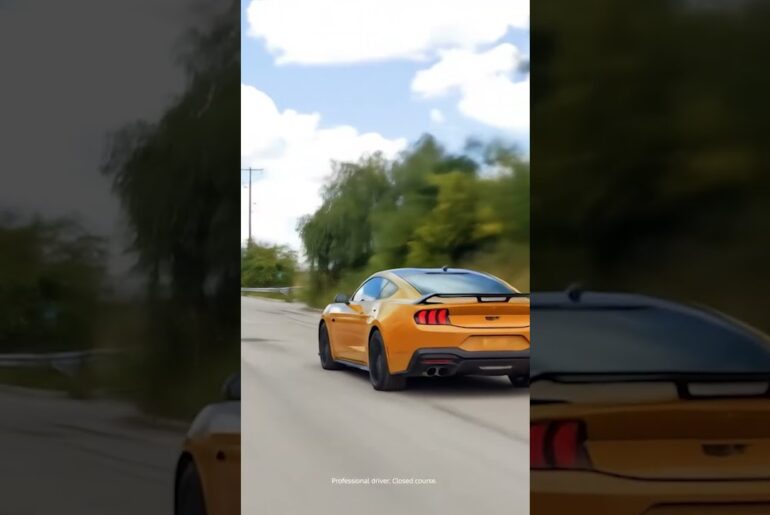
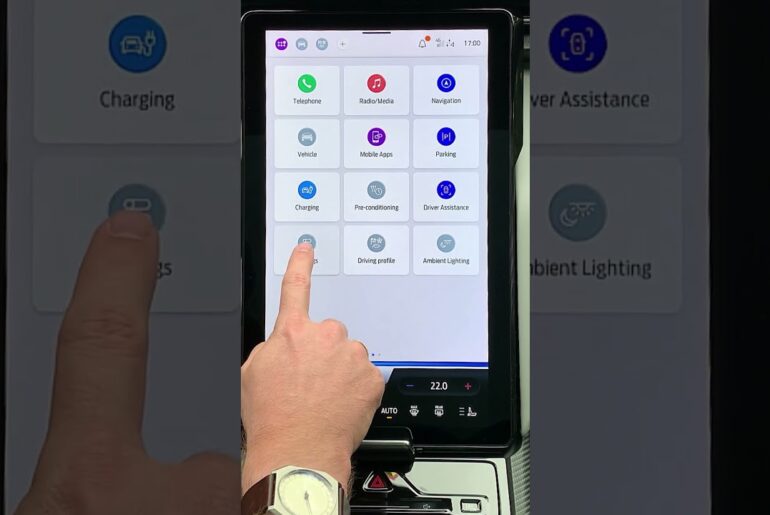
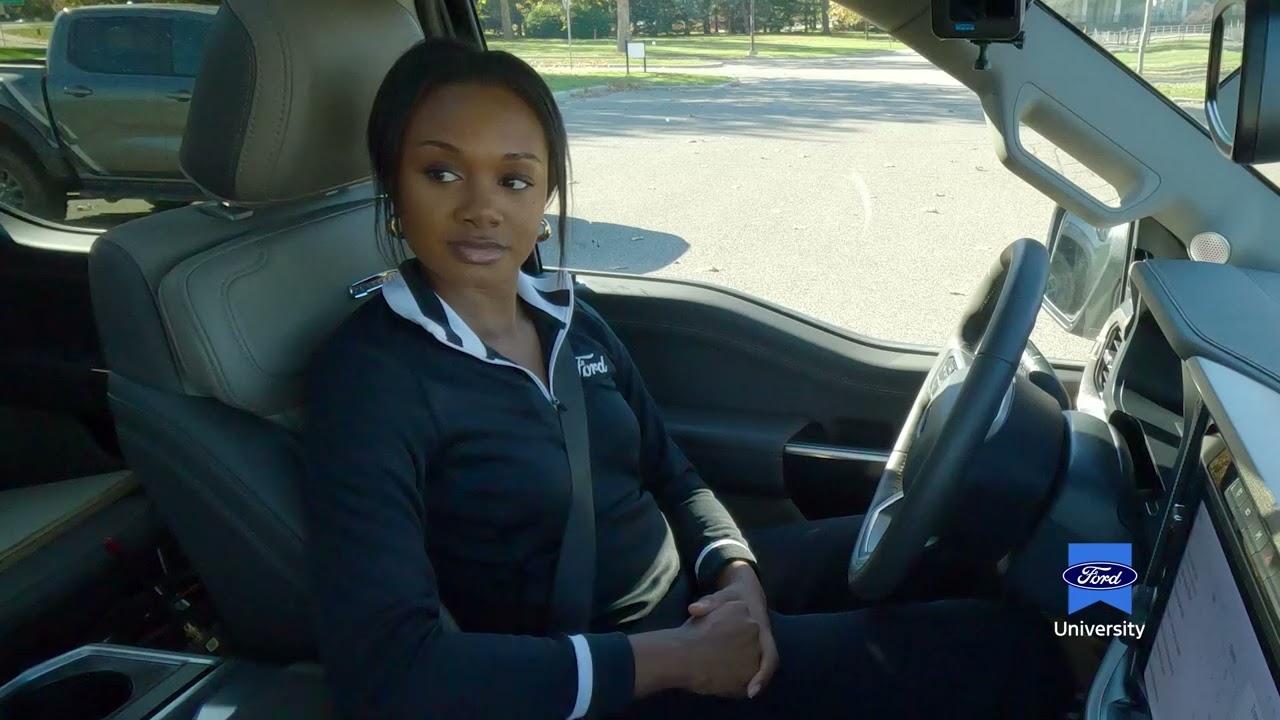
Autumn, I want to talk to you about Bliss. Bliss is an acronym that stands for blind spot information system. And what does it do? Well, blind spot information system lets you know when there’s a car that may be in an area next to your vehicle where you might not be able to see it with your mirror when making a lane change. And now we have something called bliss with trailer coverage. And so it’s basically how in my car I have a blind spot indicator, but now it’s including the trailer in that 100%. When we enter the dimensions of the trailer, the vehicle takes into consideration the length and the width of the trailer and extends the sensors for bliss to cover that area just in case there might be a car in the blind spot next to your trailer as well. Oh, well that sounds helpful. Are we going to see how it works? Yeah, let’s try it out right now. Cool. Autumn, let’s go on a drive. And I want to slowly move down the parking lot at about 10 miles per hour. Okay. As we drive along, I want you to occasionally glance at your mirror like you’re about to make a lane change. Okay. And now that we’re moving, our stunt driver is going to come up alongside us. And I want you to start glancing at your mirror like you’re about to make a lane change. You’re going to see the Bliss Insignia illuminate. Oh, I see. Yeah, it lit up for me. And that’s Bliss with trailer coverage. It’s great to see those indicators light up even when the trailer is attached.
This video serves as a guide for using your in-vehicle Blind Spot Information System (BLIS®).
For other helpful towing tools check out: Towing 101
https://www.ford.com/support/towing-demystified/