
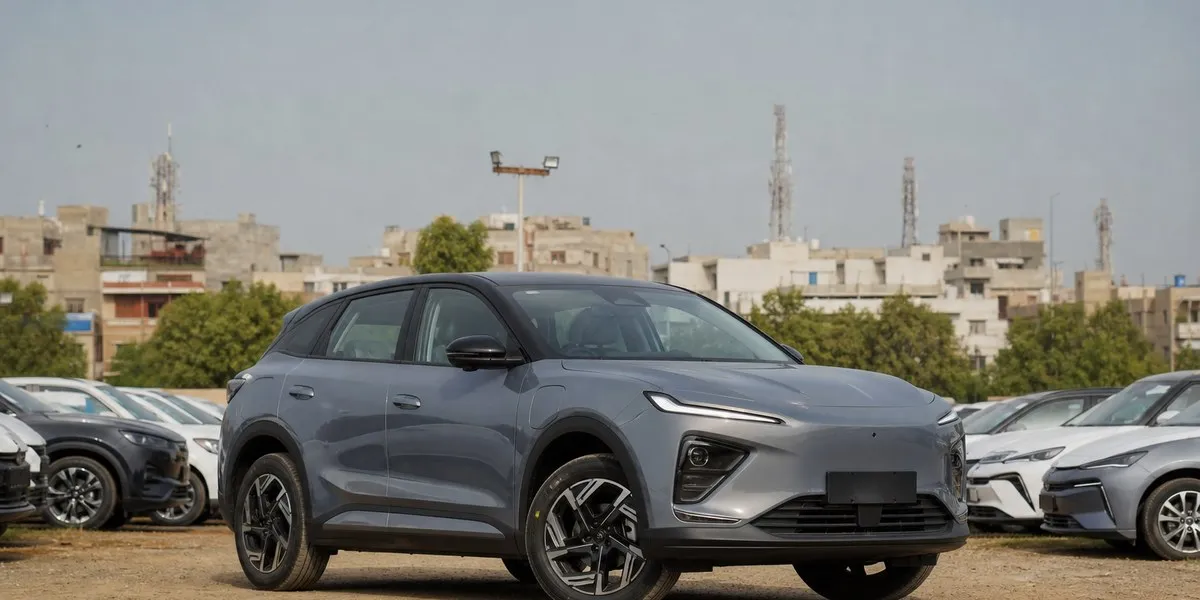
In Pakistan, Chinese automakers are expanding their presence in the crossover and electric vehicle segments, intensifying competition with Japanese brands Toyota, Honda and Suzuki. This process is supported by the state policy on new energy vehicles for 2025–2030, which provides for the development of charging infrastructure and incentives for the industry.
As The Express Tribune reports, Chinese companies are directing manufacturing capacity toward markets in Global South countries amid trade barriers in the West and excess capacity in China. The publication notes that the annual pace of vehicle exports from China has reached 12 million units, of which 5.6 million are electric vehicles and plug-in hybrids.
Competition in the car market
Sazgar Haval, Changan, Chery, BAIC and Jetour are already present on the Pakistani market. In the electric transport segment, BYD operates through Mega Motor Company, a Hubco subsidiary, along with Changan’s Deepal and budget Dewan Honri models. Japanese manufacturers, meanwhile, retain developed dealer and supplier networks and are bringing their own hybrid models to the market.
More current news is available on the UA.News Telegram channel Telegram.
The NEVP policy provides that by 2030, 30% of new vehicle sales in the country should consist of vehicles powered by new energy sources, and by 2040 this figure should increase to 50%. The document also includes a target of establishing 3,000 public fast-charging stations by 2030, preferential duties for CKD and SKD kits, and a charging tariff cap at approximately 40 Pakistani rupees per kWh.
Betting on localization
Transport electrification is viewed as a way to reduce Pakistan’s spending on petroleum product imports and use surplus generating capacity in the power system. At the same time, the publication emphasizes that assembling vehicles from fully imported kits may reduce fuel consumption but will not eliminate dependence on imports of batteries, electronics and other expensive components.
Realistic areas for localization include the assembly of battery packs, production of wiring harnesses, cast parts, plastic components, interiors, charging equipment and thermal management systems. The publication sees separate potential in electrifying motorcycles, three-wheelers, taxis and commercial vehicles, which are used intensively and consume significant volumes of fuel.
Read us on


Download our app


