
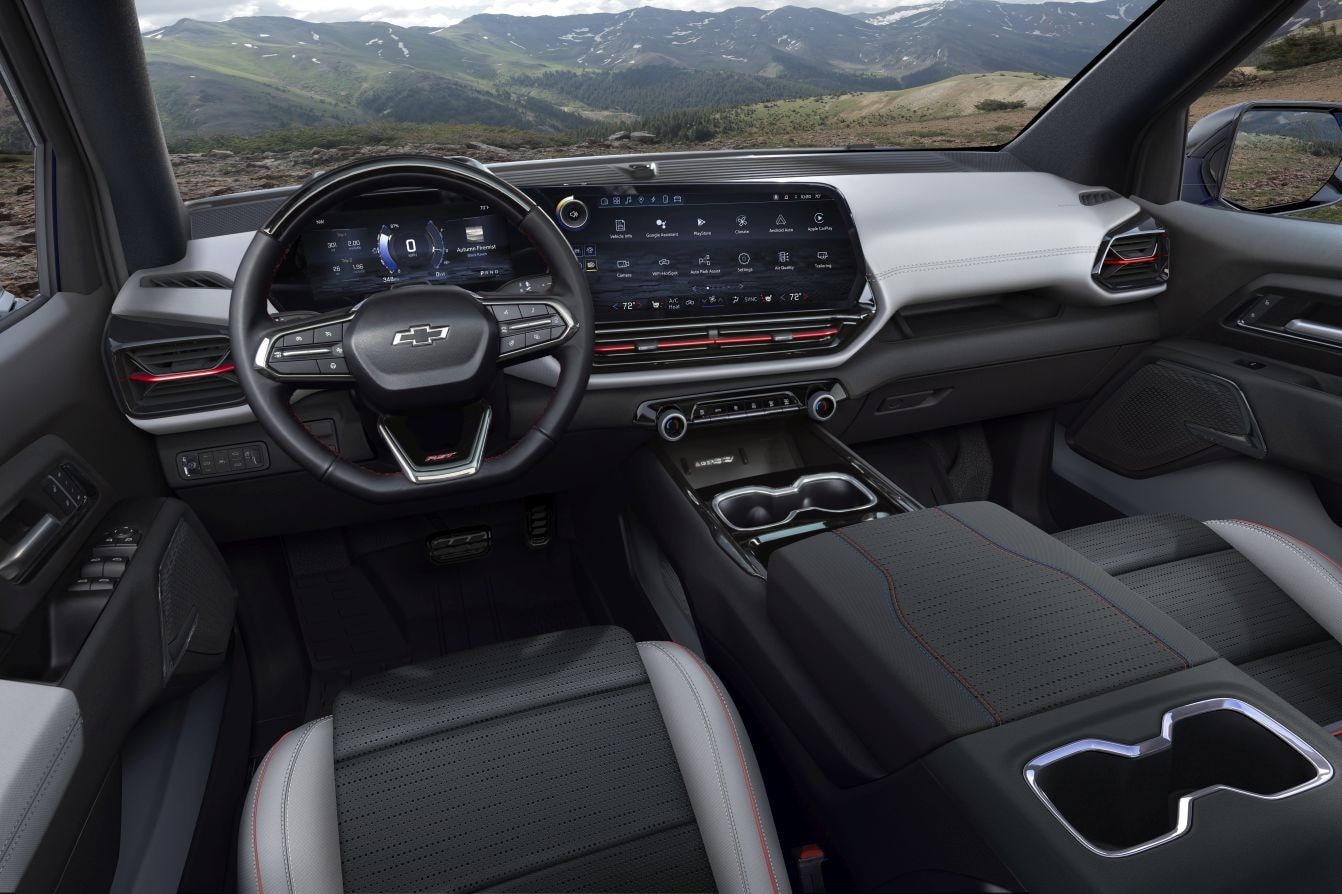
AM radio is inching closer to becoming a legal requirement on every single car sold in the United States. On September 16, 2026, the U.S. House of Representatives overwhelmingly passed the AM Radio for Every Vehicle Act, a bipartisan bill that would force automakers to include AM radio tuners in all passenger cars at no extra cost. To officially become law, the bill must still clear the U.S. Senate and be signed by the President.
The bill has received immense support in Washington, drawing backing from both political parties and carrying more than 300 co-sponsors, which means that a massive majority of the members of Congress publicly pledged to vote for it before it even came up for a final vote.
Lawmakers and safety officials argue that AM radio is a critical piece of public safety infrastructure. It serves as a primary device for the National Emergency Alert System, delivering vital information during natural disasters when mobile networks, enabling phone calls and mobile internet data, are down and power grids fail.
For the past few years, automakers have progressively dropped AM radio. First and foremost, electric vehicle motors generate electromagnetic frequencies that naturally disrupt and jam AM radio signals, causing loud static, a harsh, unyielding rushing or hissing noise that completely drowns out a radio broadcast.

Photo: Toyota
Rather than spending money to engineer special shields or filters that keep the interference at bay, automakers such as Tesla, Rivian, and BMW chose to completely remove the AM dial from their onboard electronics.
A study published by the Center for Automotive Research (CAR) indicates that it would cost a collective $3.8 billion to offset the EV interference across all fleets. According to data provided to CAR by automakers, adding electromagnetic shielding to high-voltage cables adds $35 to $50 per vehicle, while installing filtering equipment adds another $15 to $20 per vehicle. This brings the total manufacturing cost up to $50 to $70 per EV.
If the bill successfully passes the Senate, the Department of Transportation will issue a formal rule requiring all new vehicles built or sold in the U.S. to install AM radios in their cars. In the meantime, any carmaker that sells a vehicle without an AM radio must explicitly disclose the information to the buyer on the window sticker.
Automakers that retained AM radio capabilityThere are several automakers out there that have been going against the tide and continue to offer built-in analog AM radios across their EV lineups. Ford, Toyota, Lexus, and General Motors’ Chevrolet electric models have retained traditional AM receivers in their current electric passenger cars, SUVs, and trucks.
Photo: Ford
Back in March 2023, Ford announced plans to phase out analog AM radio entirely from its upcoming lineup, beginning with the 2023 Ford F-150 Lightning, the Ford Mustang Mach-E, and the 2024 gas-powered Mustang. The company cited low listenership data and electric motor interference as the reasons.
The automaker reversed the decision less than a year later. To make it up to owners whose 2023 Fords were shipped without active AM capabilities, Ford rolled out a free over-the-air update that successfully re-enabled the AM radio function.
In the meantime, Toyota chose to insulate and shield its battery and motor components to keep the analog AM signal clear enough for drivers to use. So did Chevrolet across its entire electric lineup, completely avoiding the drama of removing and bringing the AM radio back.
Honda also retained the broadcast AM radio functionality. Mercedes-Benz electric vehicles still include physical AM and FM radio hardware tuners.