A new study by the Austrian firm AVILOO includes data from used electric vehicles tested via the independent AVILOO Flash test. For each model, AVILOO calculates the average state of the batteries at three key mileage points – 50,000 km, 100,000 km and 150,000 km – with an expected range that will cover 99% of the vehicles at each point.
AVILOO’s test, an independent three-minute diagnostic performed by plugging into the vehicle’s OBD port, is designed to answer that battery health question for every vehicle. The study is based entirely on certified electric vehicles, used cars whose actual battery condition is a documented fact, not a guess. AVILOO revealed that the current edition of the study includes more than 500,000 independent tests on AVILOO-certified vehicles from 2022 to 2026 on 20 popular electric vehicle models, part of AVILOO’s global database of more than one million tests. The research was conducted on models all over the world. State of Health (SoH), the percentage of a battery’s original capacity remaining, can vary by up to 13.5% between the best and worst examples of the same model. Electric vehicles with smaller batteries, which require more frequent charging cycles to travel the same distance, tend to degrade faster than models with larger batteries.
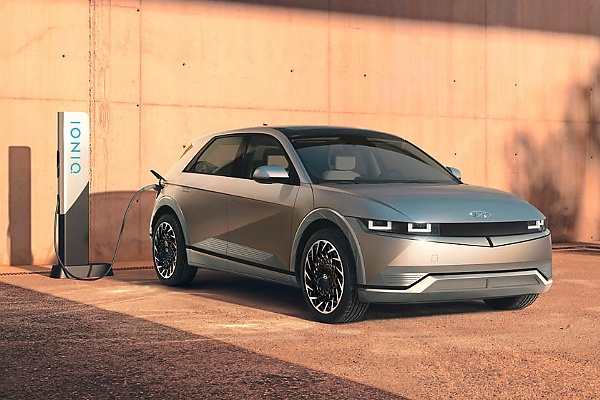
The best car in the tests is the Hyundai Ioniq 5. Its 72.7 kWh battery still held 93.37% of its capacity after 150,000 km. Two popular crossovers, which are competitors in the market, have similar results. The Volkswagen ID.4 with a 77 kWh package maintains 95.41 percent capacity after 50,000 km and 90.09 percent after 150,000 km. The Tesla Y Long Range model with a 78.8 kWh package, in production from 2021 to 2025, records 94.54 percent at 50,000 km and 90.05 percent at 150,000 km. These are all good results.
AVILOO issues certificates for used electric car batteries.