
August 25, 2026 12:41 PM, EDT
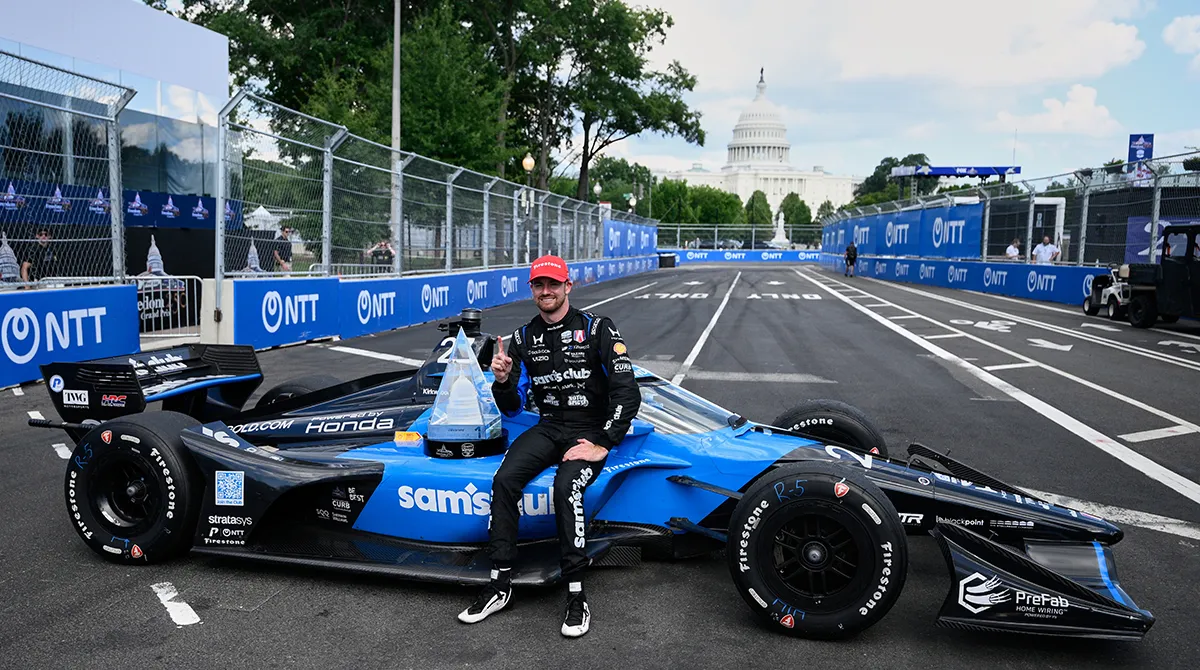
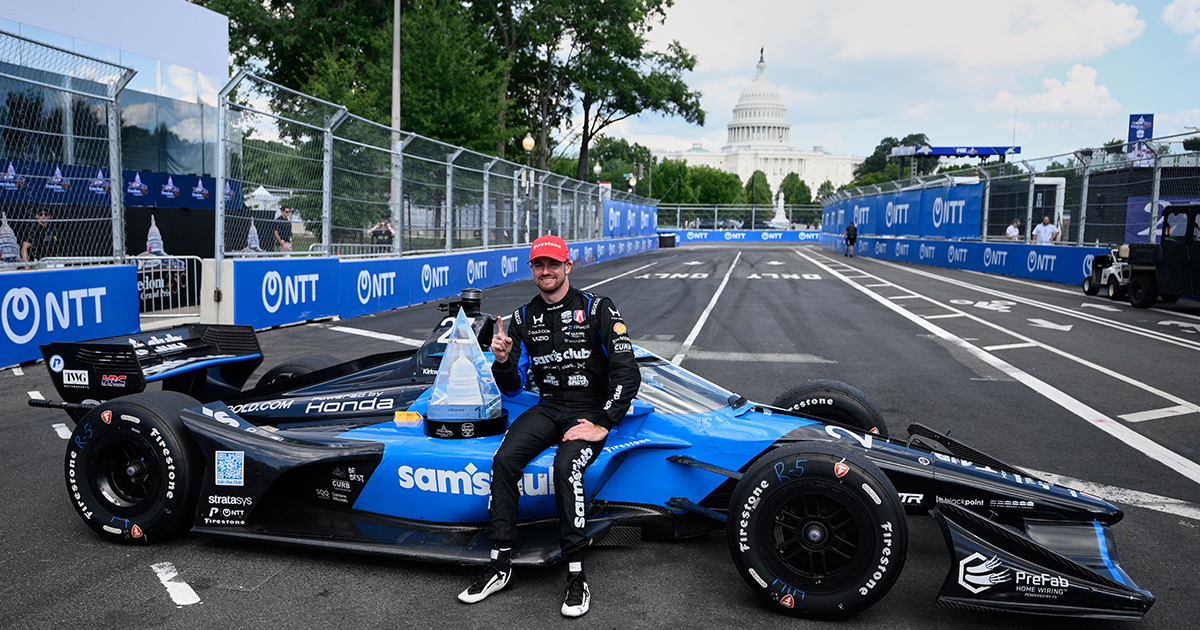
Kyle Kirkwood won the IndyCar Freedom 250 Grand Prix auto race in Washington on Aug. 23 in a hybrid-powered Honda. (Nick Wass/AP)
Key Takeaways:
Honda is considering a new North American plant, potentially in the U.S., to expand hybrid vehicle production as it plans 15 new hybrid models by March 2030.The move follows Honda’s retreat from several U.S.-bound EV programs and reflects strong hybrid demand, with hybrids accounting for about one-third of June U.S. sales.Honda has not decided on a site or product lineup, but executives said the company plans to localize more hybrid powertrain production in the U.S. amid trade uncertainty.
Honda Motor Co. is considering building a new plant in the U.S. as it seeks to expand its lineup of gas-electric hybrids models from 2030, a senior executive at the Japanese carmaker said.
The move follows a broader strategic pivot earlier this year, when the Tokyo-based company canceled a trio of battery-electric models earmarked for the U.S. The manufacturer plans to introduce 15 new hybrids by March 2030, primarily targeting North America.
Honda, which posted its first annual loss since its founding in 1948 as a result of the strategy shift, now aims to prioritize hybrid and traditional internal combustion engine models. While Honda built its reputation on cars like the Accord — well engineered, efficient and finely attuned to what American buyers wanted — in recent years it has struggled to recapture that formula in its most important market. But its latest hybrids have proved popular with gas-price conscious American buyers.
“We really need additional capacity in order to fulfill customer needs,” Noriya Kaihara, the carmaker’s executive vice president, told reporters at a media briefing in Washington. “The next production facility should be within North America.”
When pressed if U.S. tariffs on imports and a tight decision time frame mean that Honda may be more likely to build an eighth factory in the U.S., he said: “I would say somehow, yes,” but stressed no decision has been made yet.
Honda’s existing vehicle assembly facilities in the U.S. are located in Alabama, Indiana and Ohio. It makes key parts such as engines and transmissions in Alabama, Georgia and Ohio. And it also operates plants in Canada and Mexico.
U.S. trade relations with Canada and Mexico have been complicated by President Donald Trump’s tariffs on imports and decision in July not to renew a North America free trade accord negotiated during his first administration. Earlier this week, Trump threatened to impose 50% levies on vehicles and auto parts made in Canada as of Jan. 1.

RoadSigns has reached its 200th episode since its origins in 2018. Hosts Seth Clevenger and Michael Freeze reflect on how trucking tech has evolved and share the trends that have surprised them. Tune in above or by going to RoadSigns.ttnews.com.
Honda’s desire for a new manufacturing plant in North America was first reported last month by Japan’s Yomiuri newspaper, which cited an interview with CEO Toshihiro Mibe.
The company hasn’t specified what the new factory would produce, but Kaihara said the automaker does plan to localize more production of its hybrid powertrains in the U.S.
Honda’s U,S. sales rose 2.4% in the first half of the year, powered by strong demand for hybrid versions of its best-selling CR-V compact SUV, Accord midsized sedan and compact Civic sedan. Hybrids made up about a third of its total volume in June, even as deliveries of its soon-to-be-discontinued Prologue all-electric model slumped 40%.
Production will cease later this year of the Honda Prologue, a Mexican-made model that was co-developed with General Motors. (Honda)
“Our shift to hybrid electric vehicle should be understood more simply as a focus on our customers needs for very efficient and affordable mobility,” Kaihara said, adding they sell for a premium without heavy discounts or low-interest loans.
Honda is preparing to introduce a new hybrid system that will provide gas-electric options for its larger, V6 engine-powered vehicles such as the Honda Pilot and Acura MDX SUVs. It boasts that next-generation tech will boost fuel efficiency 10% while cutting costs 30% compared with the current system used on its Acura, Civic and CR-V models.
The new details on Honda’s plans for the U.S. coincided with the automaker’s participation in the hybrid-powered IndyCar Freedom 250 race in Washington D.C. on Aug. 23. The event highlighted the company’s role as supplier of a 700-horsepower powertrain that couples a 2.2-liter twin-turbo V6 engine with a low-voltage electric motor.