
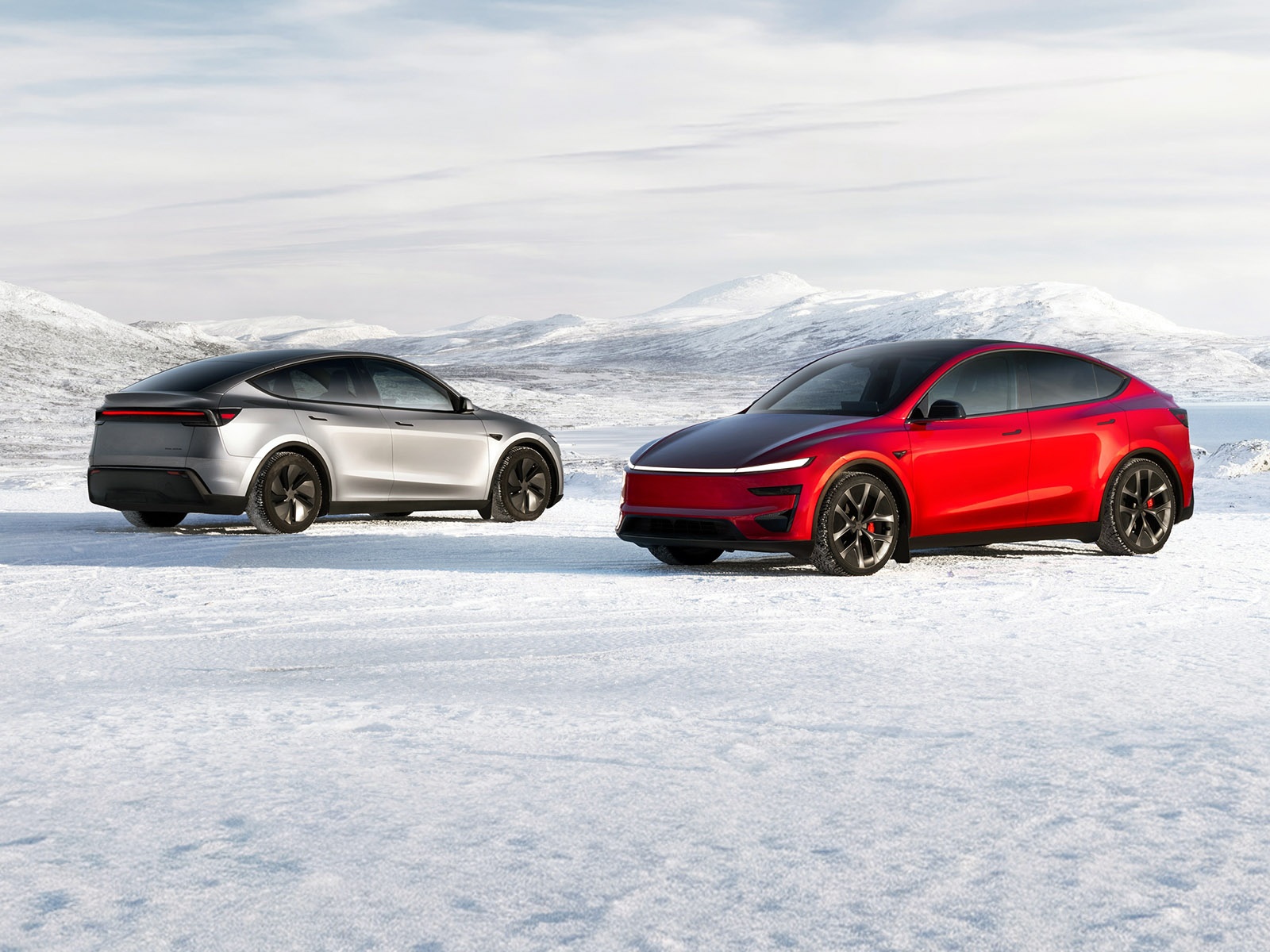
Tesla has raised the interest rate on its bestselling crossover after months of running one of its most aggressive financing promos yet, and the timing lines up with a Q2 earnings report that investors and Musk himself would rather forget.
So far, Tesla spent much of the year stacking incentives as the Model Y AWD financing dropped to 0%, matching the deal already available on the RWD trim. Even the Performance version that Tesla usually keeps out of any financing deals got discounted to 3.99% APR, a rather usual concession for its fastest and priciest Model Y variant.
Tesla Model 3 and Model Y financing rates from August 1, 2026Model Y RWD/AWD: 0.99% (previously zero)Model 3 Premium RWD/AWD and Performance: 1.99%
The damage from those prior discounts was on full display during the Q2 earnings report, where Tesla beat on deliveries and revenue, but operating income collapsed 57% year-on-year, adjusted earnings missed the consensus by a lot, and cash flow went negative for the first time in two years
Financing 0% loans isn’t free for Tesla, as it eats the interest difference, and its margins are nowhere near what they used to be in the heyday of electric car demand circa 2022, for example. Since deliveries are already at a record high, the zero APR deal has run its course, and Tesla no longer needs to buy demand, so it just let the deal expire on August 1 as planned.
Moreover, Tesla would need the money to cover the rising investments in AI, Robotaxi, and Optimus rollouts instead of subsidizing cheap car loans. The new, higher Model Y interest rate financing payments would undoubtedly be met with approval from investors who’d like to see more financial discipline, but whether that would be a permanent shift away from Tesla’s rate cut playbook considering the disastrous earnings report remains to be seen.
Get the Tesla Universal Wall Connector with 24′ Cable on Amazon
 Daniel Zlatev – Senior Tech Writer – 2175 articles published on Notebookcheck since 2021
Wooed by tech since the industrial espionage of Apple computers and the times of pixelized Nintendos, Daniel went and opened a gaming club when personal computers and consoles were still an expensive rarity. Nowadays, fascination is not with specs and speed but rather the lifestyle that computers in our pocket, house, and car have shoehorned us in, from the infinite scroll and the privacy hazards to authenticating every bit and move of our existence.